From asphalt to advanced scouting: how Turkish basketball changed its brain
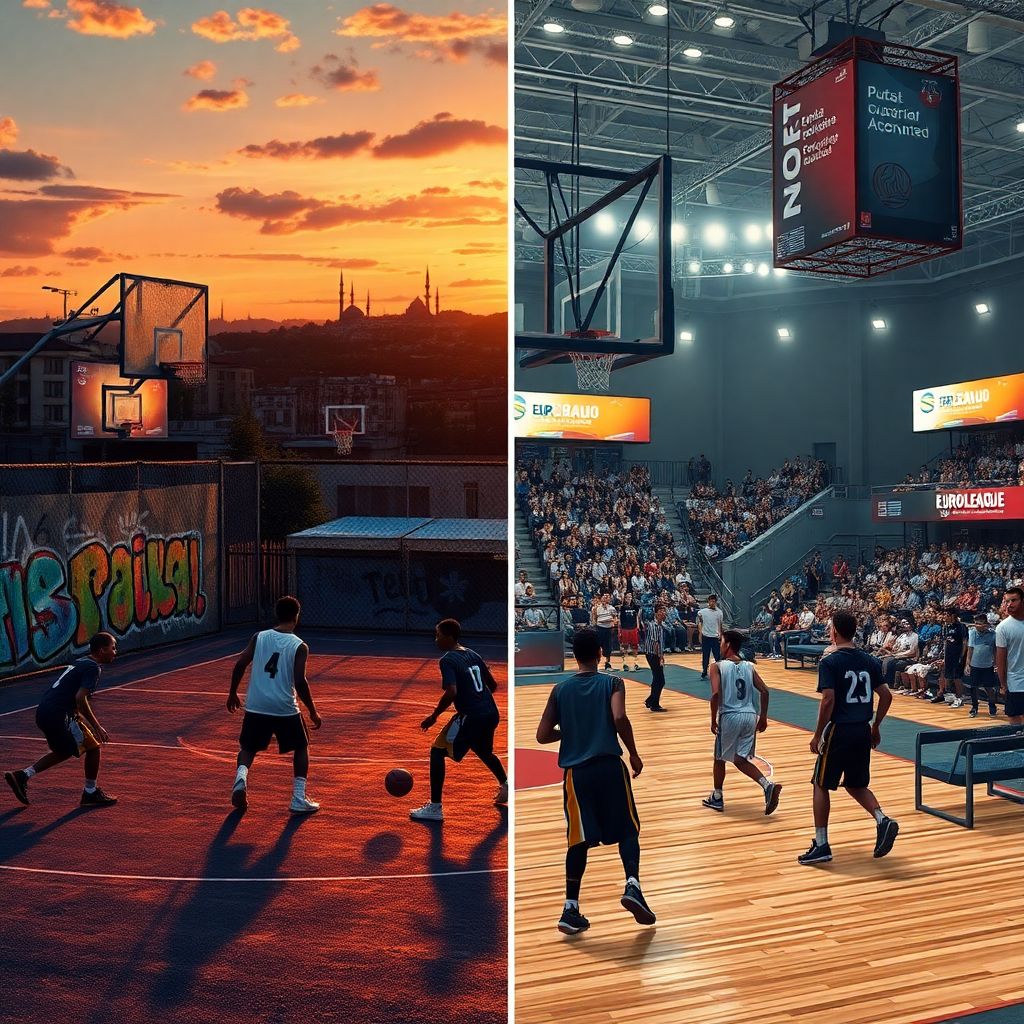
If you watched pickup games in Istanbul in the late 90s and then flip on a Fenerbahçe or Anadolu Efes EuroLeague game in 2026, it almost feels like two different sports sharing one ball. The talent was always there on those street courts — tough guards, instinctive passing, that very specific Turkish mix of flair and stubbornness. What has changed radically over the last 25 years is the *thinking* behind the game: spacing, coverages, reads, usage of analytics and, maybe most importantly, how kids are taught from age 10, not 20. The tactical evolution in Turkish basketball is a story of how informal creativity met imported structure and ended up producing EuroLeague‑level systems that now influence coaching across Europe, not just in Istanbul and Ankara.
Early days: when tactics meant “give it to the American”
Through the 80s and most of the 90s, Turkish league basketball was intense and emotional, but tactically fairly simple. Many clubs relied on one or two foreign scorers to solve problems in crunch time, while local players filled specialist roles and rarely read the game at a high conceptual level. Sets were often rudimentary: horns into a basic pick‑and‑roll, floppy actions for shooters, low‑post isolations. Defensive schemes were mostly conservative man‑to‑man with occasional 2–3 zones, less about calculated help principles and more about effort and pride. If you talk to veteran coaches, they’ll admit that actual tactical periodization — planning how a team’s offensive and defensive systems evolve month by month — was barely discussed in locker rooms before the early 2000s.
Street courts as a hidden R&D lab
At the same time, city courts in Kadıköy, Beşiktaş, İzmir and Bursa were full every evening. Kids played 3‑on‑3, 4‑on‑4, full court when possible, inventing their own rules and solutions. Because there was often no coach, they improvised: fake handoffs, quick slips, re‑screens, ghost screens, early drag pick‑and‑roll in transition. None of this was written on a whiteboard, but the instinct for manipulating space, for playing with tempo and timing, was being built organically. You can still hear older EuroLeague players say they learned more about how to “feel” a screen or disguise a pass in those chaotic pickup games than in their first pro practices. The tactical evolution started there, with a kind of street‑born basketball IQ waiting to be refined and systematized.
Imported systems: Obradović, Ivkovic and the shock to the system
The real turning point came when Turkish clubs started hiring heavyweight European coaches with fully developed tactical philosophies. The two names every Turkish coach still references in 2026 are Željko Obradović and Dušan Ivković. Their arrival didn’t just bring trophies; it rewired how the entire ecosystem thought about the game. Obradović’s Fenerbahçe (mid‑2010s) is the obvious symbol: layered half‑court offense, a menu of pick‑and‑roll coverages, matchup‑specific game plans, and a culture where every possession had a purpose. But even before that, Ivković’s work with Efes introduced more advanced concept‑driven offense and disciplined, rules‑based defense.
Under these coaches, local players were forced to understand not just *what* to do but *why* a particular action works against drop coverage and fails versus aggressive hedges. The coaching staffs diagrammed advantages on film, walked through possessions frame by frame and built mixed terminology: Serbian concepts, Spanish terminology, NBA influences and Turkish improvisation. Turkish assistants who served under them — and later became head coaches themselves — carried those ideas into domestic clubs, youth programs and national team structures. The result was a generation of coaches who were exposed to EuroLeague‑level detail on a daily basis instead of just consuming it from VHS tapes or satellite TV.
Technical detail: how pick‑and‑roll defense got “smarter”
Key change #1 – clear rules by personnel and location
Instead of “guard the pick‑and‑roll,” Turkish teams began using if‑then rules:
– If the ball handler is a non‑shooter and the screen is high above the arc → go under, big sags to the paint.
– If the handler is elite off the dribble and the screen is at the slot → force to the weak hand, big at the level of the screen, weak‑side tag from the low man.
Key change #2 – communication and tags
Help is no longer “whoever is close.” The low man is pre‑assigned; the nail defender has a rule for tagging the roller once and recovering to the shooter. Closeouts are classified: short, long, or fly‑by, depending on shooter profile and clock.
This shift from effort‑based to rules‑based defense is one of the quiet revolutions in Turkish basketball tactics over the last 15 years.
Youth development: from raw talent to structured decision‑making
Around the same time, another transformation was happening at the base of the pyramid. Professional basketball academies in turkey, often tied to EuroLeague or strong domestic clubs, realized that copying the old “star player + role players” model wouldn’t be enough to compete with Spanish, Serbian and now French systems. The solution was to stop treating tactics as a late add‑on for U18 teams and bring them into U12 and U14 practices in age‑appropriate form. Instead of endless 1‑on‑0 cone drills, sessions began to include small‑sided games with built‑in tactical constraints: score only on backdoor cuts, or only after two paint touches, or only out of a quick drag screen in transition.
This approach turned classic street‑court creativity into a laboratory. Kids still played freely, but within simple tactical frameworks. A 12‑year‑old Turkish guard in 2026 has likely seen more structured “advantage basketball” drills than many senior pros did in the 1990s. As a result, by the time these players hit U18, they can already run EuroLeague‑style sets, recognize coverages and understand terminology like “shake action,” “Spain pick‑and‑roll” or “empty‑side PnR” as something natural rather than imported jargon.
Technical detail: how youth practices were re‑engineered
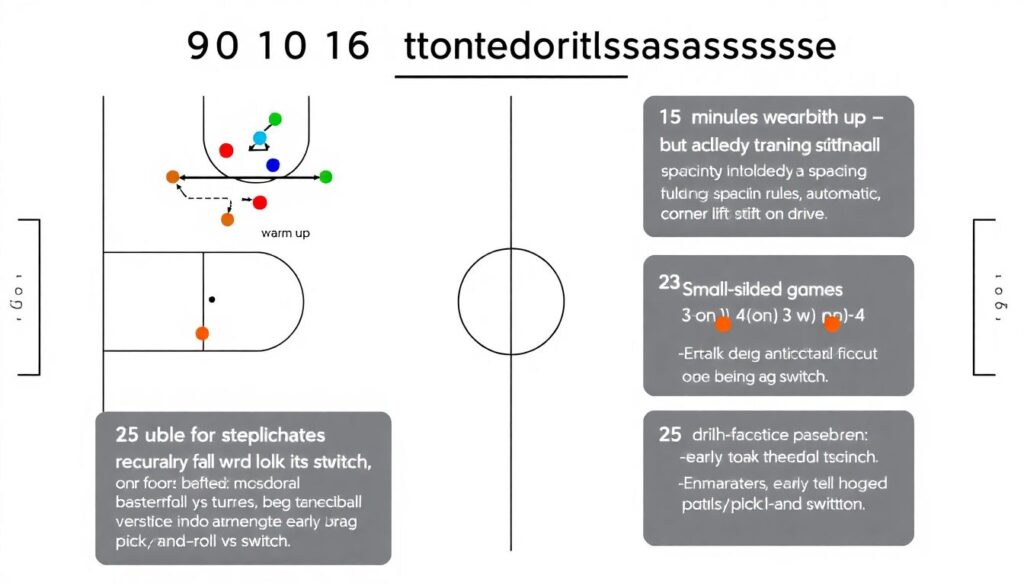
Typical 90‑minute U16 tactical session at a top academy (conceptual)
– 15 minutes – warm‑up with ball, but already including spacing rules: fill 5 spots, automatic corner lift on drive.
– 25 minutes – small‑sided games 3‑on‑3 / 4‑on‑4 with a focus on one theme (e.g., “early drag PnR vs switch”). Coaches freeze play to question decisions, not just outcomes.
– 20 minutes – 5‑on‑5 controlled scrimmage with limitations: each offense must involve at least one second‑side action and one paint touch.
– 20 minutes – special situations: SLOB/BLOB, late‑clock sets, press offense.
– 10 minutes – short video/whiteboard recap, with 2–3 key tactical takeaways for the week.
This kind of repetitive, concept‑first structure is why the step from junior to senior EuroLeague systems is no longer a tactical shock for top Turkish prospects.
Rise of clinics, books and online learning
The tactical jump wasn’t just driven by big clubs. Over the last decade, a whole knowledge marketplace grew around the game. turkish basketball coaching clinics in major cities now routinely attract 300–400 coaches on a weekend, with sessions translated in real time and detailed playbooks shared after each event. Fenerbahçe, Efes, Karşıyaka, Türk Telekom and even some ambitious second‑tier clubs host their own clinics, often bringing in Spanish ACB assistants, G‑League staff or analytics experts to talk about topics like “non‑linear player development” or “drop vs switch vs show in modern EuroLeague.”
In parallel, the demand for tactical education created a niche for publishers: you can find tactical basketball books euroleague level in Turkish and English that break down specific systems, from Obradović’s staggered screens to Ataman’s pace‑and‑space transition rules. For regional coaches who can’t attend live events, online courses on euroleague basketball tactics have filled the gap, offering modules on advanced pick‑and‑roll schemes, late‑game ATO design, and data‑informed lineup management. This layer of self‑education makes Turkish coaches far less dependent on who they happened to work under early in their careers; they can deconstruct elite systems from their laptop and implement them in a small provincial gym.
Technical detail: typical content of a modern Turkish tactics course
A comprehensive online course aimed at Turkish coaches in 2026 usually includes:
– 5–6 hours of EuroLeague clip breakdown, tagged by action: Spain PnR, Chicago action, zoom action, ghost screens, stack pick‑and‑roll, etc.
– Downloadable playbooks in diagram form, with variations versus switch, drop and blitz coverages.
– Segments on practice design: how to teach an action in 3‑on‑3 before integrating it into 5‑on‑5 scrimmages.
– Dedicated modules on scouting: how to use synergy‑like platforms, build a game plan, set team rules and adjust at halftime.
This is not theory for theory’s sake; many regional coaches implement these concepts at U16 level and then send better, more tactically literate players into club academies and national‑team camps.
EuroLeague basketball training camps in Turkey: labs for modern systems
Another piece of the puzzle has been euroleague basketball training camps turkey‑based, which exploded after Turkish teams proved they could consistently reach Final Fours and win the competition. What started as pre‑season conditioning camps quietly turned into tactical workshops. Teams now use these camps to install 60–70% of their offensive sets and defensive rules in a controlled environment, playing scrimmages against other EuroLeague or high‑level European clubs that also base their pre‑season in Antalya, Istanbul or on the Aegean coast.
At these camps, coaching staffs experiment with personnel groupings and tactical tweaks without the pressure of league results. For example, a coach might test whether a mobile 4 can function as a short‑roll playmaker in Spain PnR sets, or whether a young big can survive in switch‑everything lineups for limited stretches. The feedback loop is tight: video review at night, adjustment in the morning session, re‑test in the evening scrimmage. Young Turkish players invited to these camps — even as “practice bodies” — get a crash course in EuroLeague‑level tactical thinking in just two or three weeks.
Technical detail: pre‑season installation timeline
Week 1:
– Basic offensive spacing rules (4‑out, 5‑out alignments), primary transition lanes, simple drag PnR.
– Core defensive language: ice vs side PnR, drop rules, nail/low‑man responsibilities.
Week 2:
– Main half‑court sets (10–15 actions) with first and second options.
– Baseline and sideline inbounds packages.
– Special defenses: 2–3 matchup zone, occasional 1‑3‑1, situational switch‑everything.
Week 3:
– ATOs and ETOs (after‑timeout / end‑of‑game plays).
– Opponent‑specific adjustments tested in scrimmages.
By the end of these camps, even role players know exactly where to stand and what to read on almost any possession type, which was unthinkable in the more freestyle era of the 90s domestic league.
National team as a mirror of tactical maturity
Turkey’s national team performances over the last 20 years offer a neat snapshot of how tactical thinking matured. The 2001 EuroBasket silver on home soil came more from emotional momentum and individual talent than from sophisticated schemes. By the time Turkey hit the 2010 World Championship final in Istanbul, you could already see more structured defense: calculated help‑side, well‑drilled pick‑and‑roll coverage, disciplined transition defense.
Fast‑forward to the mid‑2020s: even when the national team doesn’t have as much raw star power as some golden generations, it compensates by playing a very modern brand of basketball — multi‑ballhandler lineups, five‑out spacing when personnel allows, aggressive nail and baseline help rotated with clear rules, and set designs that look familiar to anyone watching EuroLeague. The connection between club and national tactics is much tighter; players arrive at camp already fluent in the core language of contemporary systems, allowing the staff to build quickly on shared concepts instead of wasting days aligning basic principles.
Street flair + EuroLeague structure: the current Turkish identity
So where does all this leave Turkish basketball in 2026? The most interesting outcome is not that Turkey “copied” Spanish or Serbian systems, but that it fused them with its own street‑court DNA. You still see that aggressive one‑on‑one creativity in Turkish guards, the willingness to take tough shots and try audacious passes. But now it’s embedded within a framework that maximizes those skills: spread pick‑and‑roll, early drag actions, empty‑side sets that give a talented guard or wing a whole corridor to operate.
Coaches have learned when to let the game breathe and when to call structure. A typical Efes or Fenerbahçe possession might start with a scripted set, but once the first advantage is created, the rest of the action becomes read‑based — players use shared principles (cut behind help, lift from the corner, shake to the slot) to attack without waiting for new instructions. It’s the same decision‑making those players once used on outdoor courts, now refined and connected to team concepts. The result is a style that is both watchable and effective against the most disciplined defenses in Europe.
Technical detail: key offensive principles widely used in Turkey now
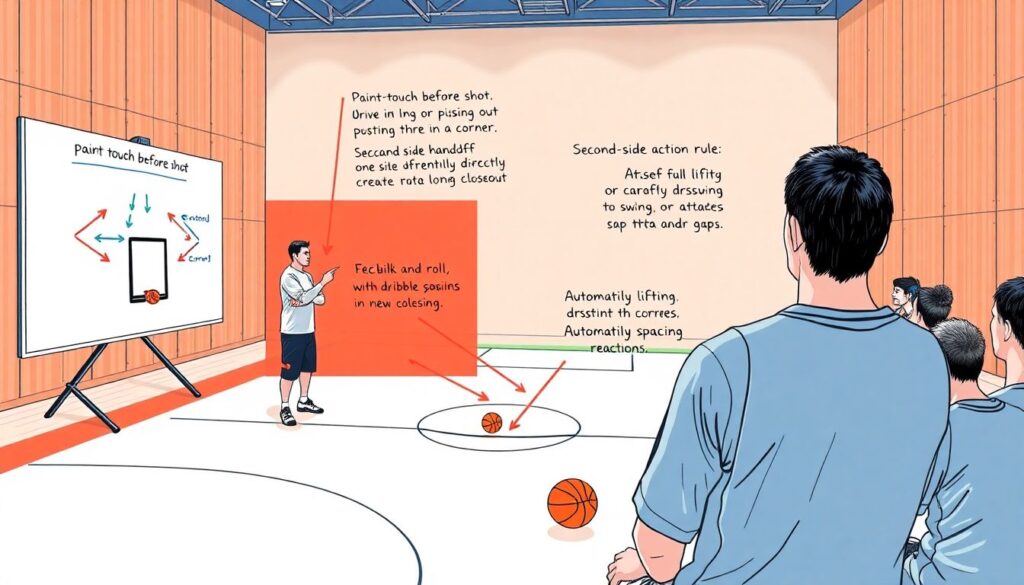
– Paint touch before shot: at least one drive or post touch before most threes, to collapse help and force longer closeouts.
– Second‑side action rule: initial pick‑and‑roll or handoff is rarely the final solution; ball must reverse or be swung to attack a new gap.
– Automatic spacing reactions: on middle drive, strong‑side 45 lifts, weak‑side corner drifts, big either short‑rolls to the nail or ducks in, depending on matchup.
– Role clarity: “glue guys” are drilled to screen, slip, and make 0.5‑second decisions; primary creators are given more freedom but still operate within spacing rules.
These are now baseline expectations, not cutting‑edge experiments, for top Turkish clubs and academies.
What’s next: AI, data and individualized tactics
Looking ahead from 2026, the next evolution will likely be less visible on the court but just as profound. Turkish clubs have already started to integrate more advanced analytics into tactical preparation: lineup optimization based on synergy data, possession‑level efficiency tracking for specific sets, and detailed defensive matchup profiles. Younger coaches are comfortable using software to simulate different coverages and their impact on rebound positioning or transition risk.
We’re also seeing early experiments with AI‑assisted scouting, where algorithms pre‑tag opponent sets, detect tendencies (e.g., which ATO is most likely after a sideline timeout with under 8 seconds left) and suggest counter‑measures. For a country that moved from nearly no structured tactics in street games to highly sophisticated EuroLeague systems in about 30 years, absorbing this data layer seems like a logical next step. The key challenge will be to use the numbers to sharpen, not to suffocate, that core Turkish identity: brave decisions, creative solutions and a constant willingness to attack.
Conclusion: evolution without losing the original language of the game
The tactical evolution of Turkish basketball from street courts to EuroLeague systems is not a story of replacing one culture with another. It’s closer to learning a new language while keeping your accent. The asphalt games taught instinct, resilience and improvisation; the arrival of great European coaches, the growth of professional structures, the spread of turkish basketball coaching clinics and the boom in tactical education — from euroleague basketball training camps turkey‑based to online courses on euroleague basketball tactics — supplied the grammar, vocabulary and structure.
The outcome in 2026 is a basketball culture that can talk tactics at EuroLeague level without sounding like it’s copying anyone else. Turkish teams now win games not only because they fight, but because they read, anticipate and adapt. The street is still there in the way players attack gaps and embrace pressure. The EuroLeague is there in how they space the floor, protect the paint and manipulate matchups. That blend — raw instinct plus refined system — is exactly what makes the Turkish game one of the most tactically intriguing laboratories in modern basketball.