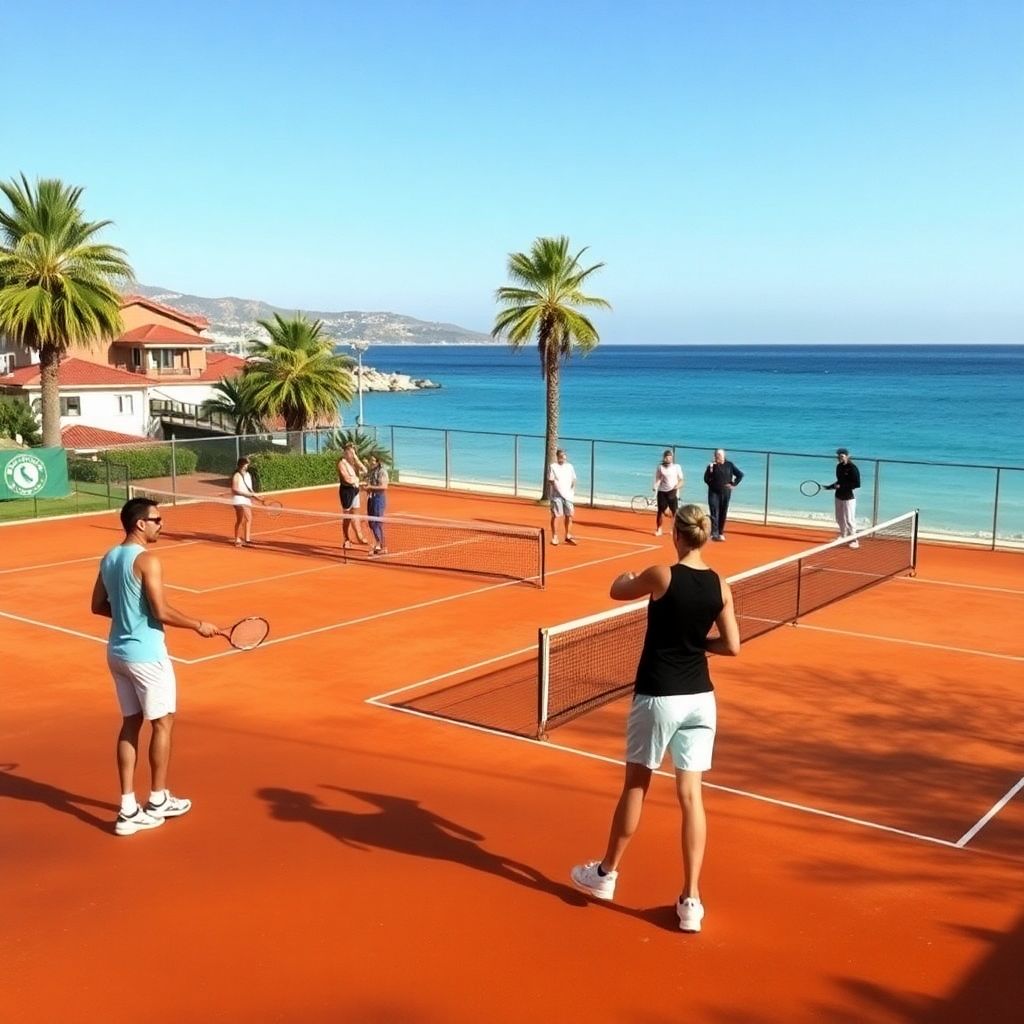
Tennis tourism in Turkey works best when you match your level and goals to the right coastal resort, academy, and season. Use Turkey for structured blocks of clay‑court training, easy flight access, and resort recovery, while avoiding peak heat and vague “all‑inclusive” offers that hide weak coaching or limited court time.
Core Advantages That Make Turkey a Tennis Training Hub
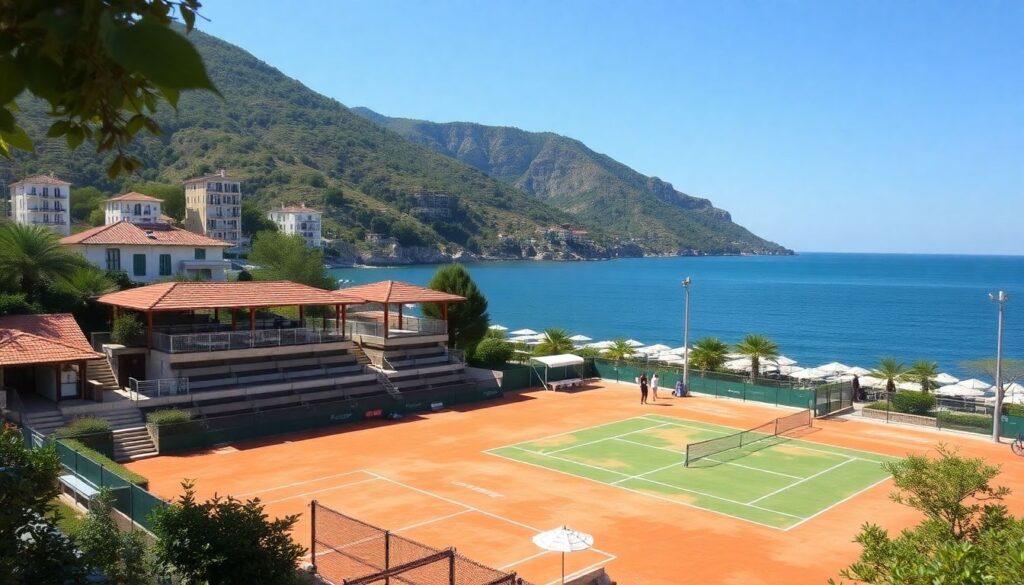
- Reliable mix of clay and hard courts in resort zones, suitable for both intensive pre-season blocks and lighter tennis holidays.
- Large choice of tennis camps in Turkey that combine coaching, accommodation, and food into one predictable package.
- Good flight links from Europe to Antalya and other coastal airports, keeping travel time short for one-week training windows.
- Resort infrastructure with gyms, spa, and pools, supporting recovery between high-load training sessions.
- Coaching options for juniors, competitive adults, and beginners, including every style of tennis academy Turkey for adults.
- Availability of luxury tennis resorts in Turkey for players who want five-star recovery after demanding on-court work.
Why Turkey Delivers World-Class Tennis Conditions
Turkey is attractive for tennis tourism because you can train on quality courts, almost year-round, in resort zones where everything is within walking distance: rooms, restaurant, gym, physio, and beach. This setup lets you focus on volume, quality, and recovery rather than daily logistics.
Turkey is a strong choice if you:
- Plan a pre-season block on clay or hard before tournaments or league play.
- Want tennis holidays Turkey all inclusive where court time and coaching are pre-booked and predictable.
- Travel as a team or family and need mixed programs for different levels and ages.
- Prefer a “train hard, rest hard” format with spa, sea, and activities after sessions.
It is usually not ideal if you:
- Cannot tolerate heat or sun exposure; midsummer mid-day sessions in the south can be punishing.
- Expect indoor courts on demand; most coastal centers focus on outdoor facilities.
- Want extreme altitude or very specific niche conditions that regional centers do not provide.
- Are recovering from serious injury and need daily one-on-one physio supervision that many holiday-oriented centers lack.
Top Training Destinations Along the Turkish Riviera
The Turkish Riviera (Antalya region plus neighboring coastal zones) concentrates the best tennis training camps in Antalya Turkey and nearby towns. When you choose a location, think in terms of access, on-site services, and how much “non-tennis” you want in walking distance.
Primary resort clusters to consider
- Antalya & Belek – Large resort strip with many tennis camps in Turkey bundled into golf and spa complexes; ideal for bigger groups.
- Kemer & Beldibi – Slightly more compact; mountains plus sea; good for players who like hiking and nature between sessions.
- Side & Manavgat – Mix of family resorts and sports hotels, useful if you combine junior camps with a family beach holiday.
- Alanya – More budget-friendly and lively; good for casual programs and lighter training volumes.
What you need in place before booking
For a smooth training trip, secure these elements early:
- Court access – Confirm number of guaranteed hours per day, surface type, and whether balls and floodlights are included.
- Coaching structure – Ask for sample weekly plan, coach-to-player ratio, and whether groups are split by level and age.
- Accommodation format – Decide between sports hotel, classic resort, or luxury tennis resorts in Turkey depending on budget and desired comfort.
- Food and hydration – Clarify meal times vs training times, drinking water availability on court, and options for special diets.
- Medical and recovery access – Check for on-site doctor or nurse, physio availability, spa, and ice or cold-water options for recovery.
- Transport – Arrange airport transfers, and if you plan to use external courts or tournaments, verify local transport options.
Choosing the Right Academy: Evaluation Criteria for Pros and Amateurs
Matching your profile to the right academy is the most important decision. The same center can be perfect for an ambitious junior but disappointing for an adult beginner seeking a light tennis vacation.
-
Define your training goal and playing level
Write down what you want from the camp: technique rebuild, match play, fitness block, or mixed holiday. Be honest about your level to avoid mismatched groups.
- Pros and high-level juniors: prioritize intensity, sparring partners, and performance testing.
- Recreational adults: prioritize clear coaching, fun drills, and free time.
-
Shortlist academies by player profile
Filter options by who they mainly serve: juniors, touring pros, club teams, or tennis academy Turkey for adults. Read how they describe their “typical guest.”
- If their photos and schedule show mostly kids, expect youth-focused planning.
- If they highlight corporate or club groups, social tennis may dominate.
-
Compare coaching quality and training structure
Request details on head coach experience, coaching language, and daily structure. Avoid vague descriptions like “intensive training” without specifics.
- Ask for the maximum group size on court.
- Check if private lessons can be added for technical focus.
-
Check facilities, surfaces, and backup options
Confirm number and type of courts, practice walls, ball machines, and hitting partners. Ask how they manage bad weather or overbooked time slots.
- Clay specialists should prioritize centers with multiple clay courts.
- If rain is likely in your season, ask about covered or indoor options nearby.
-
Analyse schedule and load: pros vs amateurs
Pros and serious competitors need higher volume and intensity; amateurs usually need more flexibility and rest. Compare sample day plans for each track.
- Pro track: more on-court hours, targeted fitness, video analysis, and structured match play.
- Amateur track: shorter focused sessions plus free slots for beach, sightseeing, or family time.
-
Review accommodation style and recovery options
Decide whether you want a calm sports hotel or a large resort environment. Recovery options (quiet rooms, spa, calm dining) matter as much as the courts.
- Intense blocks: quieter hotels with simple buffet and early nights are easier.
- Social trips: bigger resorts with nightlife and activities keep groups happy.
-
Clarify pricing, extras, and cancellation rules
Request a full written breakdown: accommodation, meals, court fees, coaching, balls, and any extras. Verify payment schedule and change or cancellation terms.
- Check whether airport transfer is included or charged separately.
- Confirm what happens if weather cancels sessions or if you get injured mid-week.
Fast-Track Academy Selection Checklist
- Write your main goal (e.g., “improve serve consistency” or “match-ready for league start”).
- Pick 3-5 academies that regularly host players at your level and age.
- Request a sample weekly schedule and total on-court hours from each.
- Compare price per hour of coached court time, not just package price.
- Choose the option with the best fit of schedule, coaching structure, and cancellation terms.
Example Weekly Training Schedule for an Intermediate Adult
This is a typical structure you can use as a reference when comparing offers:
- Monday-Friday
- 08:00-09:00 – Warm-up and footwork / mobility.
- 09:00-11:00 – On-court technical drills (serve, return, patterns).
- 11:00-16:00 – Lunch, beach, rest, light stretching.
- 16:00-18:00 – Situational games and match play.
- Evening – Recovery (spa or pool), short video review, planning next day.
- Saturday – Morning tournament or match ladder, afternoon free.
- Sunday – Arrival or departure, light hit or full rest.
Seasonal Planning: Optimal Months, Climate Effects and Camp Timing
Use a simple checklist to decide when and how long to train along the Turkish Riviera.
- Confirm average daytime temperatures and humidity for your chosen month and city.
- Check sunrise/sunset times to see if early or late sessions are realistic.
- Decide if you need cooler shoulder seasons (spring/autumn) for high-intensity blocks.
- Plan around your competition calendar: aim to finish camp 5-14 days before key events.
- Verify whether your target week conflicts with major holidays or local school breaks.
- Ensure your body is prepared: increase training volume 2-3 weeks before camp to avoid shock.
- Schedule at least one full rest day during a two-week block to reduce injury risk.
- Confirm academy policy on rescheduling sessions in case of rain or extreme heat.
- Align travel days with lighter training so you are not flying after an overload day.
- Review cancellation and rebooking options in case you need to shift dates for health reasons.
Logistics and Accommodation: Streamlining Travel, Courts and Recovery
Good logistics prevent wasted energy and lost court time. Use this list of common mistakes to avoid typical traps.
- Booking flights that arrive late at night and starting full training early the next morning.
- Assuming all-inclusive covers unlimited court time; often courts must be pre-booked separately.
- Not checking how far courts are from your room; long walks or shuttles before every session drain energy.
- Ignoring hydration planning; some resorts charge extra for bottled water on court, which adds cost and hassle.
- Skipping travel insurance that covers sports-related injuries and trip changes.
- Not confirming racket stringing availability and turnaround times at the resort or nearby.
- Underestimating noise level; choosing a party-focused hotel when you need sleep for morning training.
- Failing to arrange transfers for groups with lots of gear, leading to cramped or multiple taxis.
- Forgetting to check mobile coverage or Wi‑Fi quality if you must work or study between sessions.
- Bringing the wrong gear for climate (dark clothes, non-breathable fabrics, no hat), increasing heat stress.
Budgeting and Value: Cost Structures for Intensive and Casual Programs
Different formats offer different value depending on your priorities and budget. Consider these main options and when they make sense.
-
All-inclusive resort with tennis add-on
Best for mixed family or group trips where not everyone plays. You pay for food, drinks, and facilities plus a clear tennis package. Ideal if you want tennis holidays Turkey all inclusive but with predictable, scheduled court time.
-
Dedicated tennis academy package
Focused on performance, usually with set weeks for specific levels or age groups. This works well for competitive players, teams, or those wanting intensive tennis training camps in Antalya Turkey and nearby zones.
-
Luxury sports or spa resort with tennis focus
Suited to players who want premium recovery, quiet environment, and top-tier service. Luxury tennis resorts in Turkey can offer fewer distractions, higher comfort, and more flexible private coaching options, at a higher price point.
-
Custom build: hotel + external courts/coach
You book a hotel of your choice and pay separately for local courts and freelance coaches. This can lower costs for long stays or large groups but requires more planning and communication in advance.
Common Player Concerns Before Booking a Training Trip
How do I know if a camp is suitable for my current level?
Ask how they group players, what level their typical guests have, and whether they use short assessments on day one. If they cannot clearly explain group criteria, consider that a warning sign.
Is it safe to train in the summer heat on the Turkish Riviera?

It is safe if sessions are scheduled early morning and late afternoon, with strict hydration and sun protection. If a program insists on long midday sessions in high heat, look for alternative dates or centers.
Can I combine serious training with a family beach holiday?
Yes, especially in larger resorts where tennis programs run in the morning and late afternoon. Choose properties with kids’ clubs or separate activities so non-players have structured options while you are on court.
Do I need travel or sports insurance for a tennis camp?
Insurance is strongly recommended, covering medical care, sports-related injuries, and trip changes. Confirm in writing what your policy includes, especially for active sports like tennis.
What should I pack for a one-week tennis camp in Turkey?
Bring at least two rackets, enough strings, breathable clothing, a cap or visor, sunglasses, sunscreen, and a reusable water bottle. Add any personal tape, braces, or medications you use at home.
Will language be a problem during coaching sessions?
Many coaches in major resorts work in English and sometimes other European languages. Still, ask in advance which languages your assigned coaches speak to avoid miscommunication on court.
How far in advance should I book popular camp dates?
For school holidays and peak spring or autumn weeks, plan several months ahead, especially for larger groups. Off-peak dates are more flexible, but earlier booking still gives you better room and court options.