Turkiye vs Romania: Crescent Stars Chase an End to World Cup Exile in High-Stakes Playoff
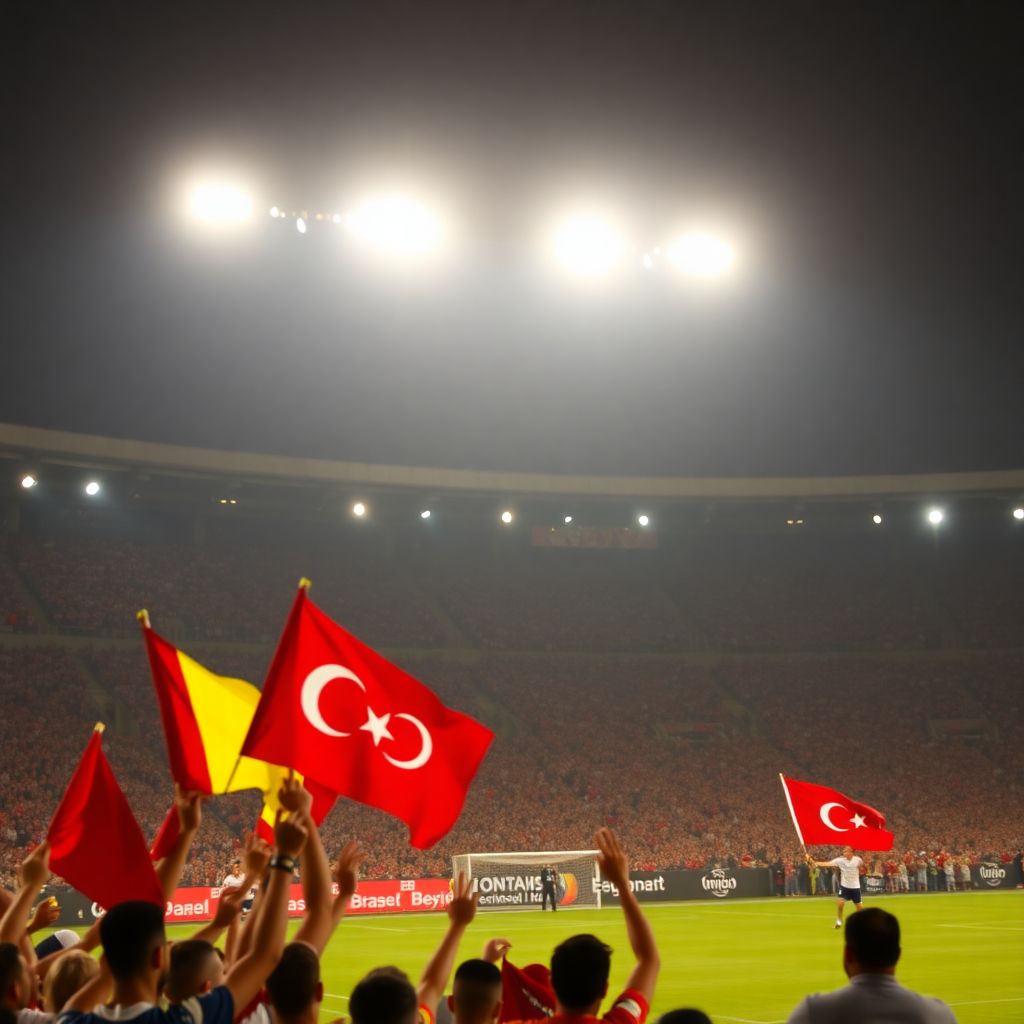
The floodlights in Beşiktaş will illuminate far more than a football match on Thursday night. When Turkiye and Romania walk out for their 2026 World Cup European playoff semi-final, it will feel like two footballing generations colliding – and two nations fighting to reclaim their place among the elite after decades of absence from the biggest stage.
For both sides, this is not just another knockout tie. It is a chance to erase years of underachievement, revive proud histories, and step out of the long shadow cast by the 2002 World Cup – a tournament that still defines both teams in very different ways.
The Long Shadow of 2002
The parallels between Turkiye and Romania are striking. Both nations once punched well above their weight on the global stage, and both have spent the past two decades wrestling with the weight of expectations set in that golden era.
Turkiye’s last World Cup appearance came in 2002, when they stunned the world by finishing third. That heroic run in Japan and South Korea was their first World Cup in 48 years – and also their last to date. Since then, every failed qualifying campaign has added another layer of frustration and pressure on subsequent generations.
Romania’s timeline is even more painful. Their last World Cup finals appearance was in 1998, when they were still living off the glow of the Gheorghe Hagi era. They technically reached the 2002 playoffs but failed to make it to the finals, and have not returned to the tournament since. For Romanian fans, the absence has stretched into a full-blown drought of nearly three decades.
This playoff, therefore, is a crossroads. The winner will move one step away from finally breaking that curse, with a final against either Slovakia or Kosovo awaiting next Tuesday.
Turkiye Enter with Momentum Under Montella
Under Vincenzo Montella, Turkiye have started to look like a side capable of matching the noise and passion that always surrounds them. The Italian coach has overseen a more structured, modern team without sacrificing the country’s traditional flair.
Turkiye finished second in Group E of World Cup qualifying, pushing European champions Spain all the way. They collected 13 points, more than any other runner-up across the qualification pools, highlighting both consistency and resilience. That return has raised expectations at home and placed them among the more formidable sides in the playoff field.
Yet the message inside the Turkish camp is clear: statistics will not matter if they fall at this hurdle. Being ranked 25th in the world gives them the status of favorites, but the pressure of playing in front of a demanding Istanbul crowd can be a double-edged sword. Montella’s biggest task may be psychological – ensuring his young, talented core plays with freedom rather than fear.
Romania Lean on Experience and Resilience
In the opposite dugout stands a man who knows Turkish football inside out: Mircea Lucescu. The veteran Romanian coach has a rich history in Turkiye, having coached both Galatasaray and Beşiktaş, and his familiarity with the atmosphere and culture could be a subtle advantage.
Lucescu’s mission is clear – lead Romania back to the World Cup after a 28-year absence. The national team was a regular at major tournaments in the 1990s, yet has stumbled every time qualification has been within reach. Playoff heartbreak in 2002 and 2014 remains fresh in the collective memory.
Romania did not impress across the entire qualifying campaign, finishing only third in Group H. However, they secured their playoff place through an unbeaten Nations League run, showing that when the stakes rise, they have the ability to grind out results. Currently ranked 49th by FIFA, they arrive in Istanbul as underdogs, but they are anything but naive.
Importantly, Romania carry a quiet confidence from recent results against possible final opponents. They have beaten Kosovo twice in recent months, which may not matter on paper in Istanbul, but adds another layer of belief that they can navigate knockout-style matches.
The Lucescu Factor: A Familiar Foe in Istanbul
The presence of Mircea Lucescu adds narrative tension. Turkish supporters know him well – some regard him with affection for his domestic successes, others remember his turbulent time in charge of Turkiye’s own national team.
That familiarity works both ways. Lucescu has deep knowledge of Turkish players, the intensity of the crowd, and the emotional swings that can affect the team. He understands how an early goal for or against Turkiye can completely change the dynamic inside the stadium. Structurally, Romania are likely to be compact, disciplined, and patient, seeking to frustrate their hosts and exploit any defensive lapses.
His tactical pragmatism contrasts with Montella’s more proactive, possession-based approach, setting up a genuine clash of footballing philosophies as well as generations.
Tactical Battlegrounds: Where the Match Could Be Won
Montella is widely expected to keep faith with Uğurcan Çakır in goal, despite the Trabzonspor keeper conceding 10 goals during qualification. Çakır brings shot-stopping ability and experience in high-pressure games, but his form will be closely scrutinized given the stakes.
In front of him, Turkiye are likely to line up with a back four of Zeki Çelik, Samet Akaydın, Merih Demiral, and Ferdi Kadıoğlu. Demiral’s aggression and aerial strength will be crucial against Romanian forwards, while Kadıoğlu’s ability to step into midfield and support attacks from left-back is a key part of Montella’s system.
The heartbeat of Turkiye’s midfield remains Hakan Çalhanoğlu. Operating in a deeper role, he will be responsible for dictating tempo, progressing the ball, and providing set-piece quality. Alongside him, Berkan Yüksek is expected to offer balance with his work rate and defensive coverage, freeing Hakan to orchestrate play.
Further up the pitch lies Turkiye’s creative spark. The young trio of Arda Güler, Kenan Yıldız, and Kerem Aktürkoğlu offers technical quality, unpredictability, and directness. Arda’s vision between the lines, Yıldız’s ability to drift inside and combine, and Aktürkoğlu’s pace and off-the-ball movement present a multifaceted threat that Romania will have to manage carefully.
Romania, for their part, will rely heavily on their own attacking talents. Ianis Hagi, Florin Tănase, and Dennis Man, who combined for six goals in qualifying, remain Lucescu’s prime weapons. Hagi provides creativity and set-piece danger, Tănase offers intelligence and late runs from midfield, while Man brings pace and a direct goal threat from wide positions.
One of the game’s most intriguing matchups will involve Nicușor Bancu. The experienced left-back is not just a defender; he is one of Romania’s main attacking outlets. His overlapping runs and deliveries from the flank could cause real problems for Turkiye, especially if they commit too many players forward. How Turkiye prevent overloads on their right side will be a crucial tactical question.
Projected Starting XIs
Turkiye
Çakır; Çelik, Akaydın, Demiral, Kadıoğlu; Çalhanoğlu, Yüksek; Aydın, Güler, Yıldız; Aktürkoğlu.
Romania
Radu; Rațiu, Burcă, Ghiță, Bancu; Tănase, Screciu, Dragomir; Man, Bîrligea, Hagi.
These lineups underline the contrast in styles. Turkiye lean on youthful attacking flair supported by an experienced midfield conductor, while Romania blend hard-working midfielders with a technically gifted attacking trio and an adventurous full-back.
Key Individual Duels
Several individual battles are likely to define the outcome:
– Hakan Çalhanoğlu vs Romanian Midfield Block: If Hakan finds time and space to dictate the game, Turkiye will be able to sustain pressure and generate chances. Romania will likely assign a midfielder to shadow him, force him into wider areas, and cut off passing lanes to Arda and Yıldız.
– Arda Güler vs Romanian Defensive Shape: Arda excels at exploiting half-spaces. If Romania sit too deep, his long-range shooting and combination play become dangerous. If they step out aggressively, he can slip passes in behind for Aktürkoğlu and Yıldız.
– Nicușor Bancu vs Zeki Çelik: Bancu’s forward surges will test Çelik’s defensive concentration. Should Çelik be pinned back, Turkiye may struggle to create width on the right, making their attacks more predictable.
– Merih Demiral vs Romanian Forwards: Demiral’s physicality suits a battle against central striker Bîrligea, but over-commitment in duels can leave gaps. Romania will look to draw him out of position and exploit space with diagonal runs from Man and Hagi.
Psychological Pressure and the Istanbul Factor
Playing in Istanbul is both a blessing and a burden for Turkiye. The atmosphere will be electric, with a crowd eager to push their team toward the World Cup after so many near-misses. Opponents often struggle with the noise and intimidation, but it can also weigh heavily on the home side if the game does not start well.
An early Romanian goal could dramatically shift the mood, increasing anxiety among players and supporters alike. Turkiye will need composure, especially in the first 20 minutes, to avoid being dragged into a frantic, emotionally driven contest. Keeping structure while feeding off the crowd’s energy will be vital.
Romania, on the other hand, have less to lose in terms of external expectations. That underdog status can be freeing. A disciplined, patient performance – slowing the tempo, breaking up rhythm, and capitalizing on moments in transition – fits exactly the kind of game plan Lucescu is known to favor in difficult environments.
What Each Team Must Do to Advance
For Turkiye, the route to success is relatively clear:
– Control possession and avoid cheap turnovers in midfield.
– Get Arda Güler and Kenan Yıldız on the ball between the lines as often as possible.
– Use Aktürkoğlu’s runs to stretch the Romanian back line and create space centrally.
– Maintain defensive discipline against counters, particularly on the flanks.
Romania’s path is more reactive but no less defined:
– Keep the defensive shape compact, especially centrally.
– Target Turkiye’s full-backs in transition, with Bancu and Man combining down the left.
– Use Hagi’s creativity on set pieces and in advanced pockets to create high-quality chances rather than many low-value shots.
– Disrupt Turkiye’s rhythm with intelligent pressing triggers and tactical fouls when necessary.
Looking Ahead: The Weight of the Final
Looming beyond this semi-final is a decisive playoff final against Slovakia or Kosovo. Both Turkiye and Romania know that even victory in Istanbul will only be a step toward the ultimate goal. However, whoever emerges from this tie will carry both momentum and emotional fuel into that showdown.
For Turkiye, qualifying for the World Cup would draw a direct line back to the legendary 2002 run and perhaps spark a new golden chapter. For Romania, it would symbolize the end of nearly three decades of waiting and restore a sense of belonging at football’s highest level.
Prediction and Outlook
On paper, Turkiye’s higher ranking, stronger qualifying campaign, home advantage, and exciting generation of attackers make them favorites. Their ceiling appears higher, especially if their young stars handle the pressure.
Yet Romania, with Lucescu’s know-how and a battle-tested core, are built to survive the kind of tense, narrow contest that knockouts often become. A single moment of brilliance – from Hagi, Man, or Tănase – could tilt the balance.
What seems certain is that this will be more than a tactical contest. It is a clash charged with history, emotion, and the shared ambition to escape a long World Cup exile. When the final whistle blows in Beşiktaş, one nation will be a step closer to redemption; the other will be left to wonder how much longer their wait must continue.