From Asphalt to Arenas: How Turkey Fell in Love with Basketball
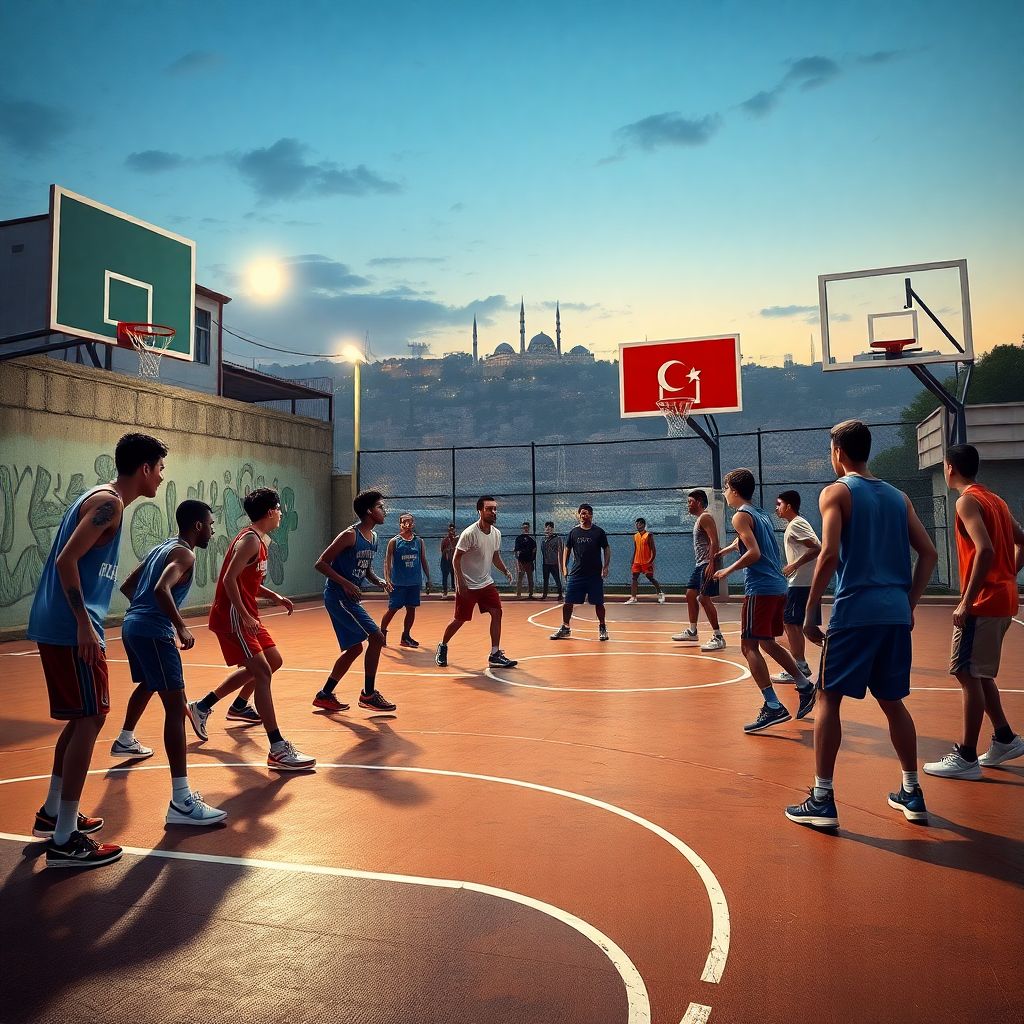
If you look at Turkish basketball in 2026, it feels ultra‑modern: packed arenas, LED scoreboards, influencers courtside. But the roots are still on those rough neighborhood courts where kids play until the lights go out. This evolution is basically a huge cultural upgrade: same passion, different infrastructure. To trace it, we have to connect three layers — street culture, club system, and the professional Basketball Super League — and see how they constantly trade talent, style and even slang between each other.
Key Terms: From “Streetball” to “Super League”
Before diving deeper, it helps to lock down a few terms. “Streetball” here means informal 3×3 or 5×5 games on outdoor courts, minimal refs, almost no structure, lots of improvisation. “Grassroots” covers youth programs, school leagues and basketball camps in Turkey that try to catch talent early and teach basics. The “Turkish Basketball Super League” (BSL) is the top men’s pro division, while the Turkish Women’s Super League mirrors it on the women’s side. “EuroLeague” is the pan‑European elite club competition where Turkish giants regularly chase titles.
Diagramming the Ecosystem
Think of modern Turkish basketball culture as a simple flow diagram rather than a messy web:
Diagram (text form):
STREET COURTS → local clubs → Super League → EuroLeague → National team
Each arrow means both talent and ideas move along it. A flashy crossover from a Kadıköy pickup game might show up later in a BSL highlight. Conversely, tactical trends from EuroLeague — like complex pick‑and‑roll spacing — slowly filter back to high schools and urban parks as young players copy what they binge‑watch online.
Street Courts: Turkey’s Open‑Air Basketball Labs
The pickup scene is still the R&D lab of Turkish basketball. Outdoor courts in Ankara, Izmir and the best basketball courts in Istanbul act like social hubs where styles are tested and adopted fast. “One‑on‑one” skill, tough finishes through contact and fearless shooting are rewarded instantly by peer respect, not by a coach’s clipboard. That pressure to impress your friends builds a mentality you can’t simulate in practice, and it quietly shapes the swagger we see later in professional guards and wings.
Quality of Courts: From Rusty Rims to Urban Design
One big shift over the last decade is court quality. Municipal projects and private sponsors have upgraded surfaces, lighting and even backboards. Where there used to be bent rims and faded lines, you now see full‑color paint, proper three‑point arcs and decent grip. This isn’t only cosmetic: better footing means more advanced footwork drills, sharper change of direction and cleaner jump shots. You can literally see street players running pro‑style actions, using makeshift screens and spacing like they’re in a structured set.
Grassroots and Camps: Systematizing the Talent Stream
As of the mid‑2020s, the pipeline from playground to pro is much less random. Clubs, federations and private academies understood that the energy from streetball needed structure, so they expanded scouting and scholarships. Modern basketball camps in Turkey don’t just run basic layup lines; they track wingspan, vertical jump, shooting percentages and load‑manage kids to avoid burnout. Data that used to exist only in NBA draft reports is now part of how Turkish teenagers are evaluated and developed.
Defining the Modern “Development Pathway”
When coaches say “development pathway,” they basically mean the sequence of competitive levels and skills a player passes through. In Turkey, a typical pathway might be: local school team → regional club academy → junior Super League → senior BSL roster. Diagram (text form):
AGE 8–12: fundamentals → AGE 13–16: physical base + tactics → AGE 17–20: pro habits + mental toughness.
Each stage has measurable goals: for instance, consistent shooting form, defensive footwork metrics or pick‑and‑roll decision‑making.
From Federation Reforms to Everyday Practice
Regulatory tweaks ― like stricter coaching licenses, youth minute‑requirements and better referee training ― sound bureaucratic, but they rewrite daily reality on court. A more qualified youth coach explains spacing not as vague “move more,” but as “maintain a 3–5 meter passing window around the ball.” That precision filters down to casual play, too: teenagers start organizing their pickup games with clearer roles, calling out “weak‑side corner” or “switch everything” like they’re already in a European pro system.
Super League Clubs: Cultural Brands, Not Just Teams

In 2026, BSL clubs operate as lifestyle brands. Fenerbahçe, Anadolu Efes, Galatasaray and others build identities that blend local pride, European ambition and strong visual aesthetics. When fans buy Fenerbahce basketball jerseys online, they’re not just supporting a roster; they’re signalling a whole urban tribe — colors, chants, social media memes and even preferred hangouts. This brand layer makes the jump from playground to pro feel less distant: kids see themselves as part of the same story, just at an earlier chapter.
EuroLeague Stage and Global Attention
Participation in EuroLeague has quietly reshaped expectations. Every sell‑out night pushes the standard higher: smarter scouting, better strength and conditioning, deeper analytics. The fact that people from abroad routinely search for Turkish Airlines EuroLeague tickets to watch Istanbul games means arenas have to deliver an “international‑grade” experience: reliable Wi‑Fi, advanced lighting, polished in‑game entertainment. That same professionalism nudges domestic culture; even smaller Super League clubs copy arena operations, media presence and fan‑engagement tactics.
Tactical Evolution: From Iso‑Heavy to Read‑And‑React
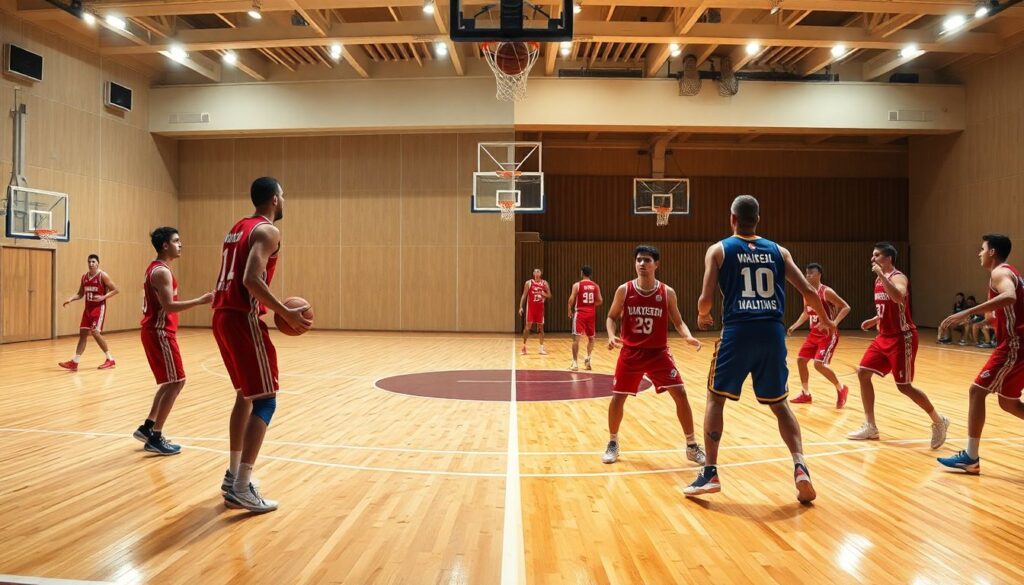
On‑court strategy has matured a lot. Earlier Turkish basketball was often described as emotional and iso‑heavy: give the ball to your best scorer and clear out. Modern BSL offenses lean into read‑and‑react principles. Definition: “read‑and‑react” means players don’t just execute pre‑set plays; they constantly interpret the defense and choose between options ― drive, kick, cut, flare ― in real time. This requires high “basketball IQ,” so youth programs drill decision‑making with small‑sided games rather than only running playbooks.
Comparing Turkey with Other Basketball Cultures
Compared with Spain, where many kids start in tightly controlled club systems, Turkey keeps a stronger street component: pickup games stay relevant longer into a player’s teens. Versus the United States, where high school and AAU dominate, Turkey’s school leagues are weaker but club academies and federation programs compensate. The result is a hybrid: US‑style creativity from the streets plus European tactical discipline from clubs. That mix is part of why scouts now see Turkey as a reliable exporter of versatile guards and skilled bigs.
Numbered Snapshot: What Defines the 2026 Era?
1. Urban pickup scenes still shape mentality and individual flair.
2. Clubs and federation programs provide data‑driven structure.
3. Super League and EuroLeague presence set elite performance standards.
4. Digital media connects all layers, from highlight clips to advanced stats.
5. Growing tourism adds international eyes, fueling investment and more polished basketball infrastructure across multiple Turkish cities and regions.
Tourism, Travel and Basketball Economy
Basketball has quietly become part of the country’s tourism offering. Fans from Europe and the Middle East now mix sightseeing with game nights, snapping up basketball tours and travel packages to Turkey that bundle Bosphorus cruises with derby tickets. Local businesses notice: hotels coordinate with arenas, and cafés near big halls adjust hours on game days. This inflow of visiting fans reinforces the idea that Turkish hoops aren’t just a domestic pastime; they’re a regional entertainment product with real economic weight.
Merch, Content and the Digital Fan
The modern Turkish fan often meets basketball on a phone screen first. Highlights, short‑form analysis and behind‑the‑scenes vlogs keep people hooked between games. E‑commerce fits right into that: after a big win, it’s just a couple of taps to buy Fenerbahce basketball jerseys online or grab limited‑edition drops from other clubs. This digital layer extends the culture outside the arena. Even people who never played beyond street courts can participate as content creators, meme‑makers or amateur analysts breaking down tactics.
Outdoor Courts as Tourist Spots
There’s a subtle trend of visitors seeking out iconic outdoor locations. Some of the best basketball courts in Istanbul double as scenic viewpoints, with the Bosphorus or historic districts in the background. Diagram (text form):
SCENERY + COURT QUALITY + LOCAL PLAYERS → “basketball landmark.”
These spots attract Instagram‑driven tourists and serious hoopers alike. Pickup games become mini cultural exchanges, where locals explain unwritten rules, foreign players bring different playing styles, and everyone leaves with highlight clips and new contacts.
Where Turkish Basketball Culture Might Go Next
The trajectory points toward even tighter integration between street, club and Super League levels. Expect more structured 3×3 projects on outdoor courts, tech‑assisted training apps used in neighborhoods, and stronger women’s programs feeding into the top league. The challenge is keeping the raw, occasionally chaotic energy of those first street games while embracing analytics, sports science and commercial growth. If Turkey balances those forces, its courts — from back‑alley asphalt to EuroLeague arenas — will stay culturally relevant, not just historically important.