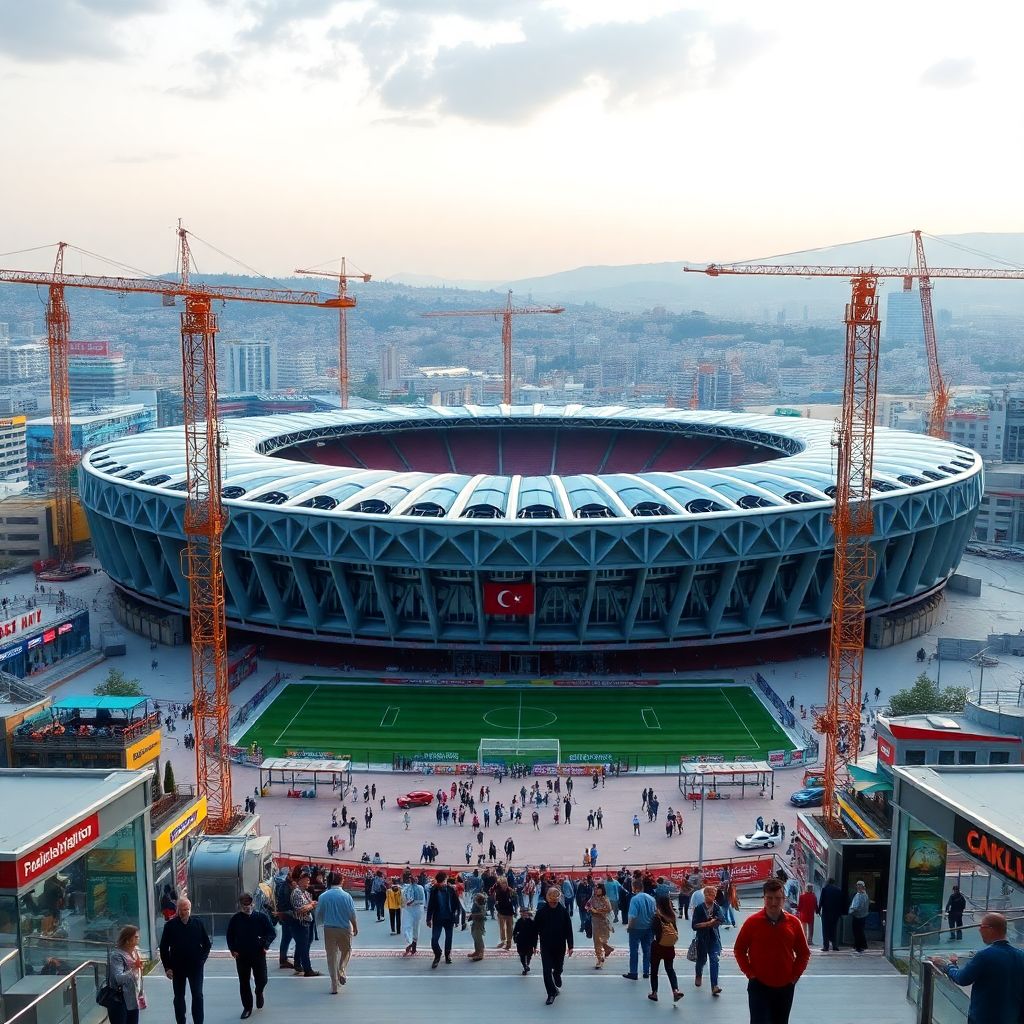
Major sports clubs in Turkey reshape local economies through jobs, matchday spending, construction, media income and tourism. If city leaders treat clubs as economic anchors rather than only sport brands, then they can steer stadium locations, public support and event strategies to boost employment, tax revenues and sustainable urban development in Turkish cities.
Executive summary of economic channels
- If you analyse the economic impact of football clubs in Turkey properly, then you see five main channels: labour market, local consumption, real estate, media-commercial income and tourism.
- If a city wants stable benefits, then it must separate short-term matchday booms from long-term structural gains such as skills and infrastructure.
- If municipalities plan stadiums and transport together, then they reduce congestion costs and amplify positive spillovers for nearby districts.
- If investors evaluate Turkish Super Lig club revenue and local economy analysis jointly, then they better price risks related to performance, regulation and fan sentiment.
- If policy-makers over-subsidise clubs without clear conditions, then public finance pressures grow and crowd out other urban priorities.
- If sports tourism in Turkish cities driven by major clubs is integrated with culture and gastronomy, then visitors stay longer and spend more locally.
| Economic channel | Main mechanisms | Typical beneficiaries | Key risks or limits |
|---|---|---|---|
| Employment & wages | Club staff, matchday jobs, service suppliers | Workers, local SMEs, tax authorities | Seasonality, dependence on sporting results |
| Local spending | Tickets, food & beverage, transport, retail | Bars, restaurants, shops, public transport | Leakages to online or non-local vendors |
| Real estate & urban renewal | Stadium location, area branding, new services | Landowners, developers, local residents | Speculation, displacement, underused assets |
| Media & sponsorship | Broadcast deals, partnerships, merchandising | Clubs, media firms, sponsors, logistics providers | Concentration, volatility, unequal distribution |
| Tourism & events | Match trips, derbies, European games, finals | Hotels, airlines, tour operators, local services | Overcrowding, seasonality, brand overreliance |
Direct employment, wages and labor market spillovers
Direct employment covers all jobs created by clubs and their immediate partners: players, coaches, medical staff, administrative roles, matchday security, stewards, catering, cleaning and transportation. In Turkish cities, major clubs act as stable large employers relative to many local businesses, especially in services and event management.
If you assess the economic impact of football clubs in Turkey from an employment angle, then you should count not only club payroll, but also outsourced and part-time positions tied to matches and training facilities. This includes suppliers such as catering companies, marketing agencies, ticketing platforms and data-analytics providers serving Turkish Super Lig teams.
Labour market spillovers arise when club activity improves skills, reputations and business capabilities in the city. If a club runs professional training for event management, security and hospitality, then staff can transfer those skills to hotels, festivals and conferences, widening the local talent pool.
If municipal authorities link club-led academies and education programmes with vocational schools and universities, then sports-related employment becomes a pipeline into broader sectors like physiotherapy, media production and tourism management, instead of remaining confined to the stadium.
Matchday spending, local retail and hospitality linkages
Matchday spending is the additional consumption in the city that occurs because fans attend games or watch them in social settings. For Turkish cities with popular clubs, this often concentrates around stadium districts and transport hubs, affecting restaurants, cafes, bars, street vendors and ride-hailing or taxi services.
- If clubs cluster pre- and post-match fan experiences near local businesses, then more of the ticket-driven income circulates through nearby retailers and food outlets instead of being captured only inside the stadium.
- If public transport is reliable and priced sensibly on matchdays, then fans are more likely to arrive early, stay longer and combine games with shopping or dining trips, boosting overall city turnover.
- If local authorities coordinate policing, traffic management and street cleanliness around fixtures, then the negative externalities (congestion, noise, litter) decrease, making mixed-use neighbourhoods near stadiums more attractive for investment.
- If klub shops, pop-up stands and licensed vendors are integrated into local streets rather than isolated in closed malls, then informal and small-scale entrepreneurs can also benefit from matchday flows.
- If Turkish Super Lig club revenue and local economy analysis treats matchday sales separately from broadcast income, then stakeholders see how vulnerable city businesses are to scheduling changes, empty-stadium sanctions or security issues.
- If ticketing policies include dynamic pricing and family sections, then they can spread attendance over different segments of the population and days, reducing extreme peaks that overstrain local infrastructure.
Stadium investment, urban regeneration and property effects
Stadiums are long-lived physical assets that can transform neighbourhoods. Their location, accessibility and surrounding land use shape how major sports clubs affect real estate prices in Turkish cities, either by uplifting underused zones or by driving speculative bubbles and displacement.
- If a new stadium is placed in a declining industrial area with planned transit connections, then it can anchor broader regeneration, attracting offices, retail and public spaces rather than just parking lots.
- If redevelopment includes mixed-income housing and community facilities, then existing residents share in the value uplift instead of being priced out by rising rents and commercial leases.
- If authorities require transparent cost-benefit studies before approving stadium subsidies or zoning changes, then political decisions about location and scale face stronger economic discipline.
- If clubs use multi-purpose designs that host concerts, conferences and community events, then the stadium generates more operating days, supporting nearby services beyond football seasons.
- If city planners actively monitor how major sports clubs affect real estate prices in Turkish cities over time, then they can adjust property taxation, rent controls or social housing plans to avoid extreme gentrification.
Media rights, sponsorship revenues and commercial ecosystems
Media and commercial income is the fastest-growing revenue stream for many big clubs. It includes domestic and international broadcasting, streaming platforms, shirt and stadium naming rights, sponsorship packages, merchandising and licensing. The way this income is spent or re-invested shapes linkages with local economies.
If Turkish Super Lig club revenue and local economy analysis shows that most funds go to player wages imported from abroad, then the local multiplier is weaker than when clubs invest in facilities, academies and local suppliers. Commercial strategies therefore matter for whether media money stays in the city or leaks out.
Advantages of media-driven growth
- If clubs secure long-term media deals, then their cashflow becomes more predictable, allowing investment in infrastructure and youth development with lower financial risk.
- If sponsorship portfolios include local and national brands, then marketing campaigns can promote both the club and the city, supporting regional products, airlines and tourism boards.
- If merchandising operations are based in the city with local logistics, then e-commerce growth creates warehouse, delivery and retail jobs rather than relying fully on external distributors.
- If content production (social media, documentaries, analysis shows) is developed with Turkish media houses and freelancers, then a creative ecosystem grows around the club brand.
Constraints and potential downsides
- If media rights contracts are centralised and unevenly distributed, then smaller clubs and their host cities may lag, deepening regional inequalities.
- If clubs over-leverage against expected TV income, then performance shocks or legal disputes can trigger financial crises that quickly hit local creditors and suppliers.
- If sponsorships come from a narrow cluster of sectors, then regulatory changes or sector-specific downturns create systemic vulnerabilities in club finances.
- If commercial decisions ignore fan trust and affordability, then reputational damage can reduce attendance, merchandise sales and ultimately economic impact in the city.
Tourism impact, city branding and international events
Sports-related tourism ranges from domestic away fans visiting for league games to foreign supporters travelling for derbies, European competitions and finals. Major club brands strongly influence sports tourism in Turkish cities driven by major clubs such as Istanbul’s giants and successful Anatolian teams.
- If city marketers assume football alone will fill hotels year-round, then they overestimate demand; match schedules, competition formats and team performance create strong volatility.
- If stakeholders believe every international event leaves a positive legacy, then they might ignore opportunity costs like diverted security resources or underused temporary infrastructure.
- If planners count local residents attending big games as tourists, then tourism impact is inflated; only non-resident spending should be classified as visitor expenditure.
- If clubs and municipalities neglect non-match experiences (museum tours, stadium visits, fan walks, cultural routes), then visitors shorten their stays and spend less per trip.
- If everyone expects mega-events to fix a weak city image, then they underinvest in basic services such as cleanliness, safety and multilingual signage that shape visitor satisfaction every day.
- If investment opportunities in Turkish football clubs and stadiums are promoted without clear connection to broader tourism development, then investors may face misaligned expectations about occupancy and returns.
Public finance: subsidies, taxation and long-term sustainability
Public authorities in Turkey influence club economics through land grants, stadium co-financing, tax policies, policing, transport services and marketing partnerships. The fiscal balance depends on how direct subsidies compare with tax revenues from wages, business profits, tourism and property.
If decision-makers apply a structured logic to support, then they can protect public budgets while still leveraging club power for urban development:
{
  if (project_is_stadium_or_training_complex) {
    check: who_pays_construction, who_pays_maintenance, who_owns_asset;
    if (public_share > threshold) {
      require: open_access_hours, community programmes, transparent reporting;
    }
  }
  if (club_requests_tax_relief) {
    compare: expected_jobs_and_taxes vs. revenue_loss;
  }
}
Mini-case illustration: if a municipality provides discounted land for a new stadium on the urban edge, then it should tie the deal to bus or metro extensions, mixed-use zoning and reporting of local supplier spending, so that benefits spread beyond the club’s balance sheet into the wider city economy.
Checklist for policy-makers and investors in Turkish cities
- If you are a municipal planner, then map all five channels (jobs, spending, real estate, media, tourism) before approving new stadiums or large subsidies.
- If you are an investor considering investment opportunities in Turkish football clubs and stadiums, then review club finances together with city transport, hotel capacity and regulatory stability.
- If you run a local business near a stadium, then align opening hours, pricing and promotions with match calendars and major international events.
- If you work in regional development, then integrate club strategies with broader plans for culture, education and technology, not as standalone projects.
- If you are a central government official, then require transparent Turkish Super Lig club revenue and local economy analysis before expanding nationwide support schemes.
Clarifying practical implications and typical doubts
Do major clubs always increase overall employment in their cities?
Not always. If clubs crowd out other entertainment or public projects, then some jobs may simply shift sectors. Net employment gains are more likely when clubs build local supply chains, invest in training and run multi-use venues that operate beyond matchdays.
Can new stadiums justify large public subsidies in Turkey?
Only if clear, measurable benefits outweigh long-term costs. If authorities require transparent projections, shared risks and community access conditions, then stadiums can support regeneration. Without such safeguards, taxpayers may bear high costs for limited local impact.
How should cities treat matchday-related congestion and policing costs?
If matchdays generate significant extra tax and tourism income, then some public spending is justified. However, if policing and infrastructure costs regularly exceed fiscal gains, then cities should renegotiate cost-sharing with clubs and adjust scheduling, transport and security plans.
Are broadcasting revenues good for local economies or mainly for players?
Both outcomes are possible. If clubs use media money mainly for imported talent, then leakages are high. If they channel a portion into academies, facilities, local suppliers and community programmes, then media rights become a strong engine for city development.
Does sports tourism help smaller Turkish cities or only big hubs like Istanbul?
Smaller cities can benefit through niche events, derbies and European qualifiers. If they combine club brands with local cultural and natural attractions, then they can attract multi-purpose trips rather than single-match visits, spreading income across sectors and seasons.
How can local businesses capture more value from major club activities?
If businesses coordinate offers around fixtures, maintain flexible staffing and partner on joint marketing with clubs and tourism boards, then they increase visibility and sales. Ignoring the match calendar or fan segments usually means leaving money on the table.
What indicators should policy-makers track to judge club-related economic impact?
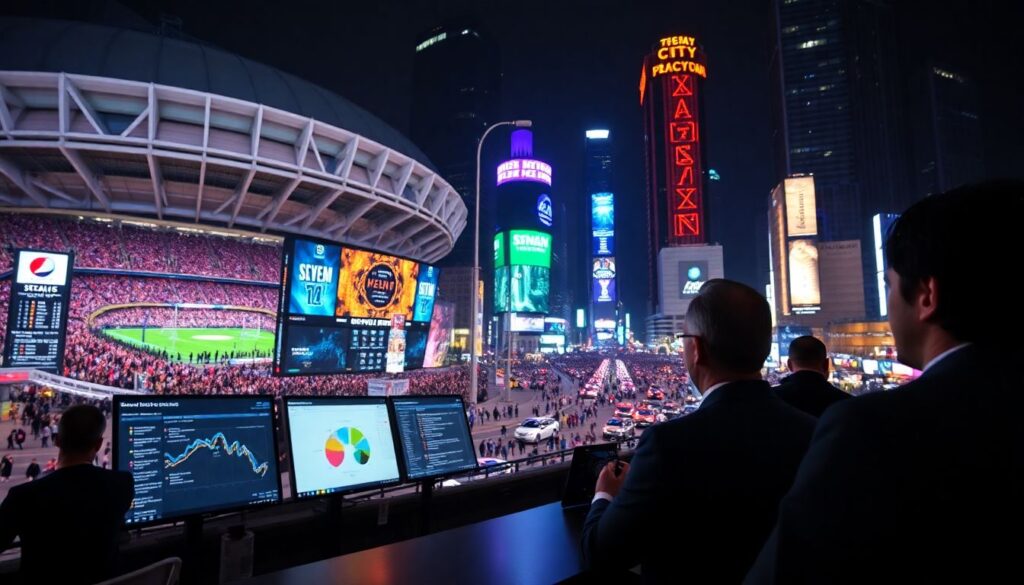
Key indicators include employment in sports and events, hotel occupancy on matchdays, local business turnover near stadiums, property values, tax receipts and public service costs. If these are monitored consistently, then decision-makers can adjust policies before problems escalate.