
For most Turkish athletes choosing between sports-specific fitness training plans, match the program to your sport’s demands, schedule, and budget. Strength and combat sports need higher protein and %1RM work, endurance needs weekly km and carbohydrate focus, team sports need repeat-sprint conditioning. Start with a simple elite athlete nutrition program, then individualize.
Snapshot: Cross-Sport Nutrition and Training Contrasts
- Power and strength athletes in Turkey benefit from higher protein, controlled weight fluctuations, and lower weekly cardio than runners, cyclists, or footballers.
- Endurance athletes organize food around training blocks and weekly km, while combat sports plan around fight weeks and weight-category deadlines.
- Team sports like soccer and basketball prioritize repeat-sprint conditioning, glycogen restoration, and recovery between dense match minutes.
- Weight-class athletes must balance safe cutting, rehydration, and performance, often needing a custom diet and workout plan for athletes.
- Budget-first strategies rely on simple Turkish staples, home-based training, and selective use of turkey professional sports nutritionist services.
Power & Strength Sports: Weightlifting and Wrestling Regimens
Use these criteria to decide which style of strength-focused regimen fits best for Turkish weightlifters and wrestlers.
- Primary performance goal: Decide if your main target is 1RM strength (snatch, clean & jerk, squat) or strength plus grip and isometric control for wrestling.
- Weekly competition and training schedule: Assess how many heavy days you can tolerate, and how often you travel for matches or tournaments.
- Current weight category and body composition: Note if you must move up, stay stable, or cut; this changes energy intake and hydration strategy.
- Access to equipment: Choose between full-gym barbell cycles or minimal-equipment programs with sandbags, resistance bands, and bodyweight.
- Recovery capacity: Track how you respond to 80-90% 1RM sessions, DOMS, and joint stress; older or injured athletes need longer deloads.
- Budget for food and supplements: Prefer whole-food protein (eggs, yogurt, legumes) if supplements are expensive; reserve premium powders for heavy cycles.
- Technical skill needs: Weightlifters often need more frequent, lower-volume technique sessions; wrestlers need more live drilling and grip work.
- Medical and injury history: History of shoulder, knee, or back issues should guide exercise selection and periodization intensity.
- Access to coaching: In-person clubs suit complex Olympic lifts, while online coaching for elite sports performance can supervise video feedback and progression remotely.
Endurance Disciplines: Running and Cycling Fueling Practices
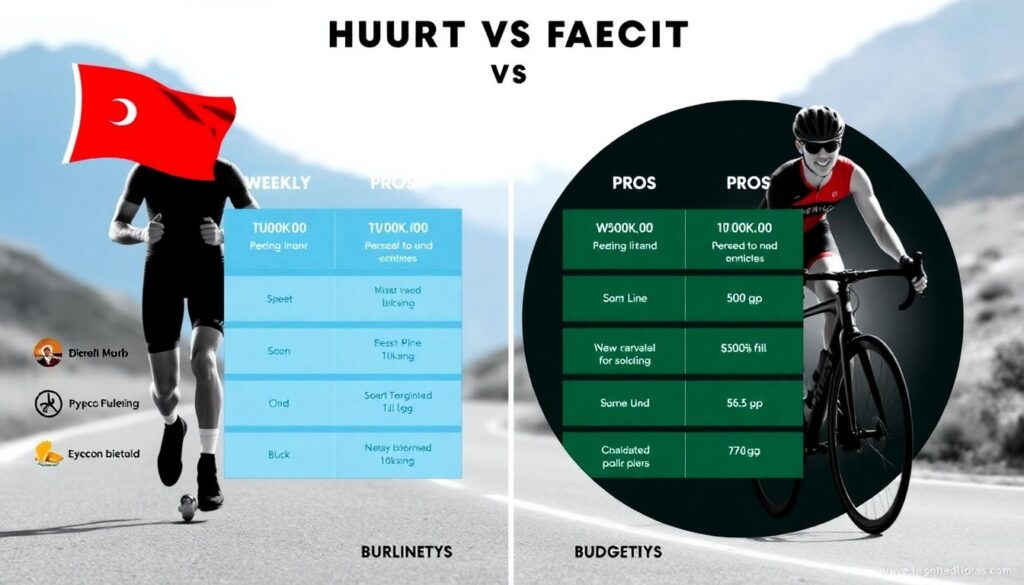
The table compares common fueling approaches Turkish runners and cyclists use. Choose the one that best matches your level, weekly km, and budget.
| Variant | Best for | Pros | Cons | When to choose |
|---|---|---|---|---|
| High-Carb Periodised Plan | Competitive runners and cyclists with high weekly km and intense intervals | Supports race-pace speed; easy to time carbs around key sessions; fits structured elite athlete nutrition program models. | Can be costlier if based on gels and imported products; weight gain risk off-season. | Pick for race build-up blocks, track season, and before important gran fondos or half-marathons. |
| Balanced Everyday Turkish Diet | Intermediate athletes combining training with full-time work or study | Uses affordable staples (rice, bulgur, beans, yogurt); easy to cook at home; stable energy across the day. | Less “sharp” carb loading; needs portion control to avoid overeating fats. | Choose for long base phases, general fitness, and when budget is limited. |
| Low-Carb with Targeted Carbs Around Sessions | Athletes needing light weight or improved metabolic flexibility | May help maintain lower body mass; encourages better fat utilization on easy rides and runs. | Risk of poor quality on intervals; harder to combine with frequent races; requires careful planning. | Use during early base, or when bodyweight is the priority and intensity is temporarily low. |
| Traditional Home-Style High-Fiber Plan | Runners and cyclists training mostly easy mileage | Very budget-friendly; relies on lentils, vegetables, olive oil; supports gut health and fullness. | Too much fiber near hard sessions can cause GI distress; may underfuel sprints. | Best for long off-season periods and athletes doing mainly Zone 2 endurance. |
| Convenience-Focused Travel Strategy | Athletes often racing away from home, using hotels or camps | Adapts to buffets and petrol-station options; simple rules rather than strict meal prep. | Food quality varies; can be more expensive; portion control is harder. | Use for race weeks, away matches, and camps where cooking isn’t possible. |
In practice, most sports-specific fitness training plans for endurance mix the balanced everyday Turkish diet with short phases of high-carb periodisation around key races.
Combat & Skill Sports: Recovery, Concussion Risk, and Nutrition
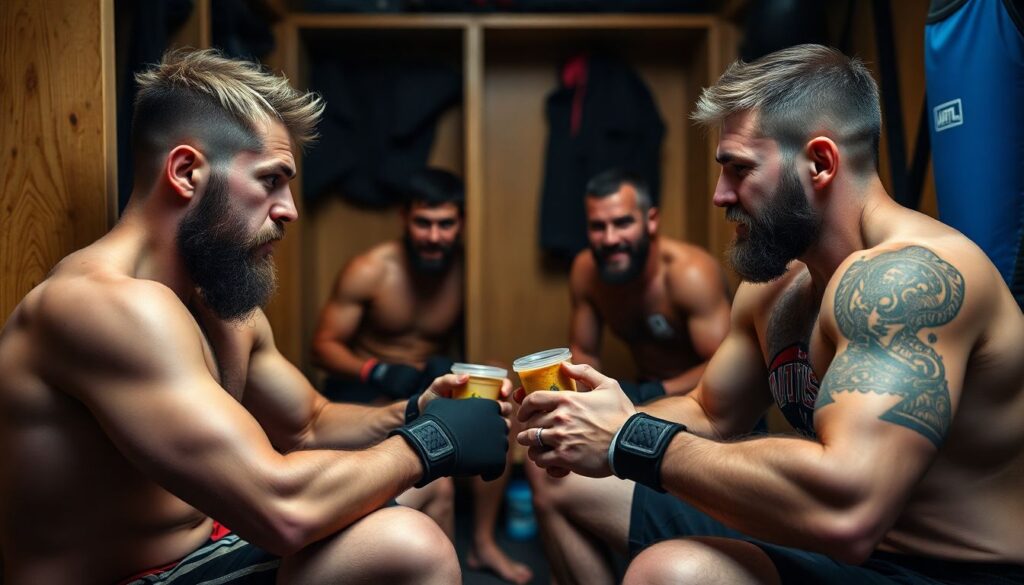
Use these scenario-based rules to choose recovery and nutrition strategies for boxing, taekwondo, kickboxing, and similar skill sports.
- If sparring volume is high but impact is moderate, then prioritize sleep and simple carbohydrate plus protein snacks (fruit and ayran, yogurt with honey) within an hour after training, keeping supplements minimal for budget control.
- If you had a suspected concussion, then stop contact immediately, seek medical evaluation, and shift your nutrition to omega-3-rich foods, colorful vegetables, and adequate protein while completely avoiding alcohol and very intense sessions.
- If you train in a budget gym with limited recovery tools, then invest first in consistent meals, hydration, and 7-9 hours of sleep; use low-cost recovery like light walks, stretching, and cold showers instead of premium devices.
- If you have access to premium facilities and turkey professional sports nutritionist services, then consider individualized bloodwork-based plans, supervised rehydration protocols, and detailed macro tracking for fight camps.
- If skill development is the main weakness, then reduce conditioning volume slightly and add more low-intensity technical rounds, fueling them with small carb feedings so focus and reaction speed stay high.
- If you are in dense competition season, then keep strength work at maintenance (low volume, 80-85% 1RM), and center nutrition on easy-to-digest carbs and fluids to turn around between bouts.
Team Sports Dynamics: Soccer and Basketball Conditioning Cycles
Apply this quick checklist to align conditioning and nutrition for football and basketball in Turkey.
- Define your role and match minutes: starter vs bench, position, and typical distance or sprints per game.
- Map the calendar: identify pre-season, in-season, and off-season; adjust volume and intensity rather than eating the same all year.
- Set weekly conditioning focus: early week for high-intensity repeat sprints, later week for tactical and lighter sessions.
- Align carbs to training load: more rice, bread, and fruit on heavy conditioning days; slightly less on recovery and tactical days.
- Plan simple pre-match meals: low-fiber carbs and lean protein 3-4 hours before kick-off or tip-off; avoid heavy sauces and fried foods.
- Standardize in-game fueling: water plus electrolytes for most; add sports drink for very hot conditions or extra-time games.
- Use off-season for body composition changes: small calorie surplus for lean mass, or mild deficit with extra cardio if weight needs to drop.
Weight-Category Management: Safe Cutting, Rehydration, and Performance
Avoid these common mistakes when choosing how to manage weight for wrestling, boxing, taekwondo, and similar sports.
- Dropping multiple weight classes quickly instead of selecting the most realistic division for your frame and age.
- Relying on last-minute sauna sessions and severe dehydration instead of progressive, supervised reductions.
- Skipping solid food entirely in the final days before weigh-in instead of planning smaller, lower-fiber, lower-salt meals.
- Ignoring rehydration timing: drinking too fast or too little between weigh-in and competition.
- Copying another athlete’s extreme methods instead of using a custom diet and workout plan for athletes based on your data.
- Overusing laxatives and diuretics, which can harm health and destroy performance.
- Neglecting strength maintenance and focusing only on the scale, leading to weaker performances at competition weight.
- Failing to coordinate with coaches and medical staff, including missing chances to use safe online coaching for elite sports performance for monitoring.
- Cutting weight in every minor event instead of targeting only key competitions where the weight-class advantage truly matters.
Budget-First Protocols: Low-Cost Meal Plans and Home-Based Training
For many Turkish athletes, the best option is a balanced everyday Turkish diet for base phases, combined with targeted high-carb days before key matches or races. Power and combat athletes benefit from simple high-protein meals, while endurance and team players gain most from structured, low-equipment intervals and clear, sport-specific fitness training plans.
Practical Questions Athletes and Coaches Ask
How can I start an elite athlete nutrition program on a low budget in Turkey?
Base meals on eggs, yogurt, cheese, legumes, rice, bulgur, seasonal vegetables, and sunflower or olive oil. Prioritize three structured meals, add one or two fruit and nuts snacks around training, and reserve supplements only for gaps you cannot cover with food.
When do I really need turkey professional sports nutritionist services?
Consult a specialist if you compete nationally, manage a weight category, have medical conditions, or your performance plateaus despite good training. A professional can audit your intake, blood values, and body composition, then refine macros and timing around your sport’s calendar.
What should a custom diet and workout plan for athletes always include?
It should list weekly training sessions, target intensity (such as %1RM or pace), meal timing relative to sessions, and preferred local foods. Include simple backup options for travel days and a clear plan for in-season vs off-season adjustments.
Are online coaching for elite sports performance programs effective?
They can work well if communication is consistent and data is shared: training logs, bodyweight, and match videos. Online guidance is especially useful when you lack local experts but need help with periodization, game demands, and practical meal choices.
How often should I change my sports-specific fitness training plans?
Keep a structure for several weeks to adapt, but adjust when the season phase changes or progress stalls. Minor tweaks every 4-6 weeks and bigger changes between off-season, pre-season, and peak competition phases work for most intermediate athletes.
Do all athletes need supplements to perform at a high level?
No. Focus first on total calories, sufficient protein, and carb timing. Many Turkish athletes perform well with food-only diets, adding just a few proven supplements like vitamin D or creatine when budget and individual needs justify it.