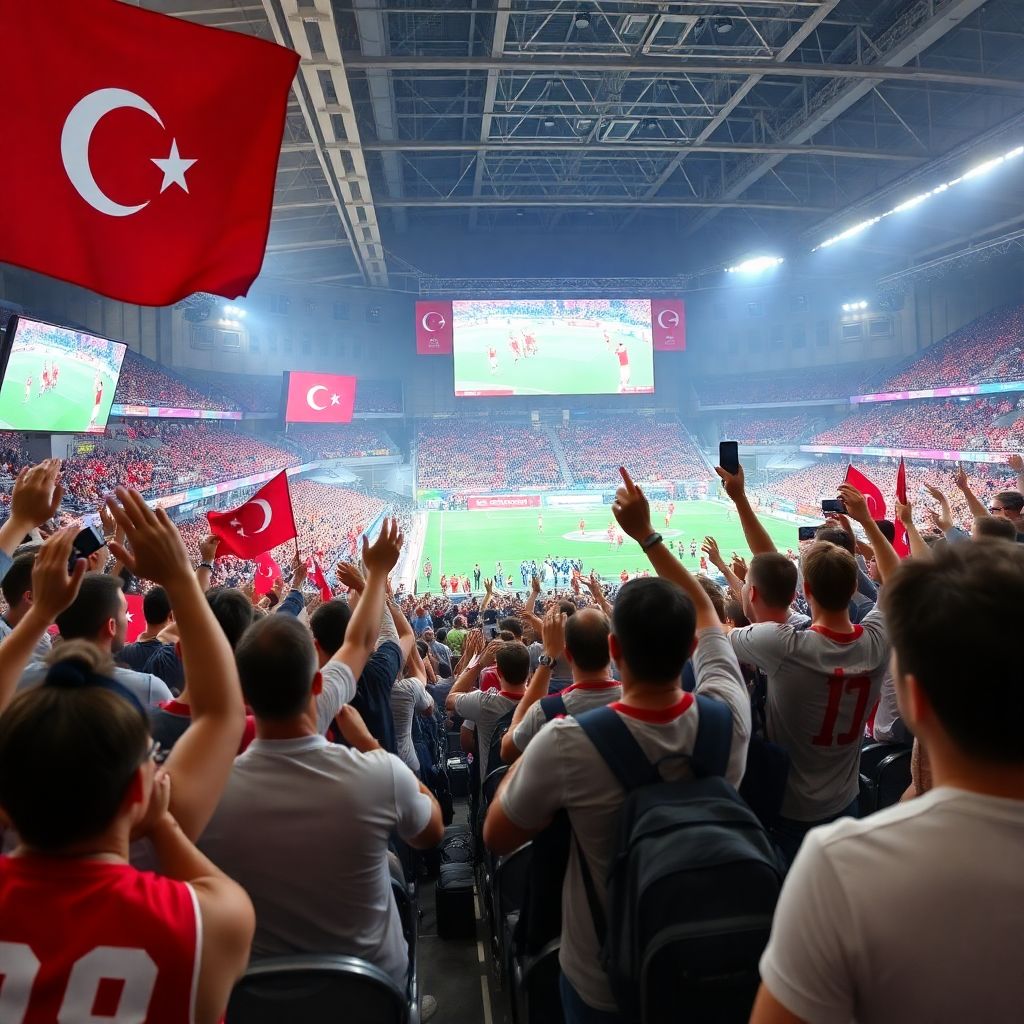
Global sporting events increase Turkey’s visitor numbers, extend tourism beyond the summer season, and strengthen the country’s international image when they are well planned, safe, and media‑ready. The impact is maximized by aligning event calendars with air capacity, offering integrated travel packages, managing security transparently, and using global broadcasts to promote Turkish destinations and long-term sports tourism.
Executive summary: Sporting events’ effects on Turkey’s tourism and reputation
- Major events shift arrivals from pure leisure to mixed “event + city break”, raising per‑visitor spending and length of stay when packages are designed well.
- Istanbul, Antalya, Ankara and coastal cities benefit differently; careful city selection avoids capacity overload and reputational risk.
- Event‑driven investments in stadiums, airports and urban transport can boost year‑round tourism if legacy use is planned from the start.
- Global TV coverage and social media sentiment around events strongly influence Turkey’s safety and quality perception for several years.
- Short‑term gains come from tickets, accommodation and Turkey sporting events travel deals; long‑term gains depend on repeat visitation and diversified sports products.
- Poor crowd management, political tensions or environmental issues quickly damage image and make future hosting bids harder.
- Destination managers should treat every large event as both a logistics project and a branding campaign with clear KPIs and risk controls.
Mechanisms: how major sporting events drive tourist flows to Turkey
Global sporting events affect tourism flows through a mix of schedule, accessibility, fan behavior and media exposure. In Turkey, football finals, basketball tournaments, marathons, triathlons, motorsport races and volleyball or wrestling championships all attract distinct visitor profiles and booking patterns.
Events work best for cities that already have:
- Good international air links (Istanbul, Antalya, Izmir, Ankara, Bodrum, Dalaman).
- Urban transport capable of handling match‑day peaks without paralyzing local life.
- A mix of hotels and short‑term rentals in different price segments.
- Existing tourism appeal (heritage, gastronomy, seaside, nightlife) to upsell beyond the stadium.
However, large events are not always appropriate. You should reconsider or scale down when:
- Security, political stability or diplomatic tensions could turn the event into a negative media story.
- Local infrastructure is already overstretched in peak summer (e.g., some coastal resorts in August).
- There is no realistic plan for post‑event use of new facilities.
- Resident opposition is strong and could create protests or service boycotts.
- Insurance, policing and crowd‑management costs outweigh projected tourism benefits.
For tourism boards and Turkey sports tourism agencies, the most effective mechanism is packaging: combining match tickets, flights, hotels and local experiences into clear sports tourism in Turkey packages that can be promoted in target markets well before the event.
Case studies: tournament hosting and visitor behavior in Turkish cities
When planning future events, analyze how different host cities in Turkey have historically shaped fan behavior, spending patterns and media narratives.
Istanbul: global club finals and urban discovery
Istanbul has hosted multiple UEFA club finals, EuroLeague Final Four tournaments and international athletics events. Visitor behavior typically includes:
- Short lead bookings focused on city‑center accommodation near nightlife and historic districts.
- High demand for airport transfers and late‑night public transport on match days.
- Strong social media output with skyline and Bosphorus imagery shaping Turkey’s visual brand.
Antalya and coastal regions: combining sport and resort stays
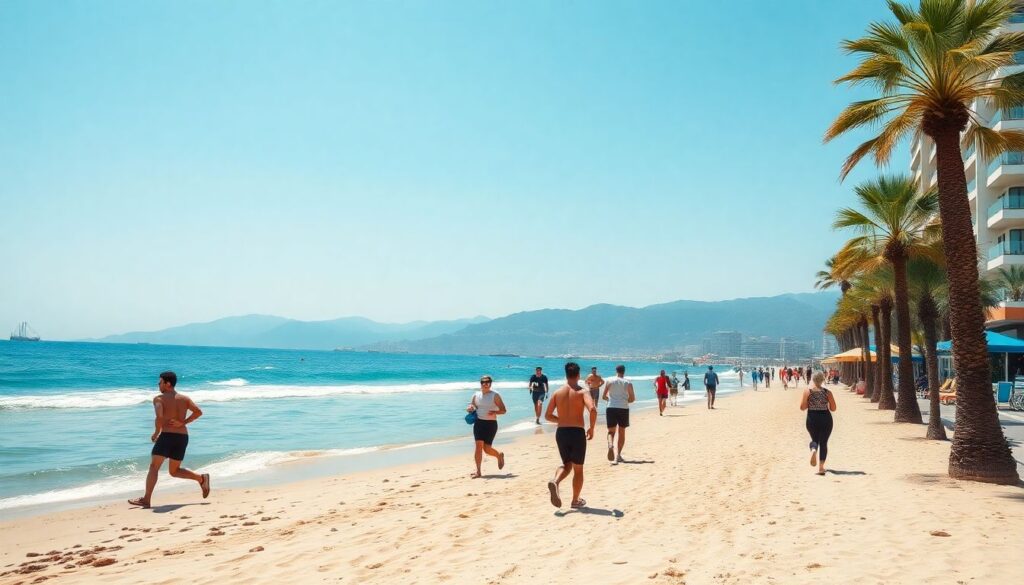
Antalya and nearby resorts benefit from events that extend the season, such as marathons, cycling tours, beach volleyball and football training camps.
- Fans and amateur athletes often add 2-4 leisure days around the event.
- Resorts can sell off‑peak Turkey sporting events travel deals with all‑inclusive options.
- Visitor flows spread more evenly across the region rather than concentrating in one stadium area.
Ankara, Konya and Anatolian cities: national image through domestic and regional events
Ankara, Konya and other Anatolian cities host football, wrestling, indoor athletics and regional events:
- They strengthen the perception of Turkey as a country with nationwide sports infrastructure, not just coastal resorts.
- They attract more regional visitors (from neighboring countries) and domestic tourists than long‑haul fans.
- They require targeted communication in local languages and region‑specific travel partnerships.
Motorsport and niche events: episodic but high‑visibility impact
Motorsport events near Istanbul, open‑water swimming in the Bosphorus and ultra‑marathons in Cappadocia attract smaller but highly engaged segments.
- Fans book Turkey sports event tour products that combine niche sports with cultural itineraries.
- Such events usually deliver strong media imagery and influencer content, amplifying Turkey’s “adventurous but accessible” brand.
Ticketing behavior and cross‑selling opportunities
For large football or basketball events, ticket buyers often delay accommodation booking until fixtures are known. Destination managers should:
- Coordinate with organizers on priority sales for bundled products that include Turkey international sports events 2024 tickets or similar future events.
- Offer early‑bird stadium tours, museum entries and local experiences within city passes.
- Use dynamic pricing rather than last‑minute discounting to protect revenue and brand positioning.
Infrastructure and capacity: investments, costs and post-event legacy
To turn a one‑off global event into sustained tourism benefit, treat infrastructure and operations as a multi‑year project, not just a match day challenge. The following step‑by‑step approach is designed for Turkish municipalities, tourism boards and venue operators.
-
Define strategic tourism objectives before bidding
Clarify why you want the event: off‑season demand, new source markets, city rebranding, or infrastructure acceleration. Write 3-5 measurable tourism objectives and align them with your city’s master plan.
- Example objectives: increase shoulder‑season arrivals, diversify beyond beach tourism, boost average stay in city‑break destinations.
- Ensure political and community support early to avoid later pushback.
-
Map current capacity and pressure points
Audit stadiums, arenas, training venues, airports, roads, public transport, hotels and emergency services capacity for realistic peak scenarios.
- Identify bottlenecks such as single access roads, limited metro coverage or hotel shortages in specific price ranges.
- Coordinate data collection with local police, transport authorities and hospitality associations.
-
Design infrastructure upgrades with legacy use in mind
Prioritize investments that serve residents and tourists long after the event, rather than prestige projects.
- Focus on airport efficiency, urban rail or tram links, pedestrianization and fan‑friendly public spaces.
- Plan multi‑purpose venues (concerts, conferences, domestic leagues) instead of single‑use stadiums.
- Integrate green building standards and energy‑efficient operations to reduce long‑term costs.
-
Align accommodation strategy with expected fan profiles
Determine how many visitors will likely use hotels, resorts, apartments or fan villages and at what price levels.
- Work with hotels and Turkey sports tourism agencies to pre‑contract blocks of rooms with clear release dates.
- Encourage differentiated offers: budget options for fan groups, premium packages for VIPs and corporate clients.
- Monitor short‑term rental markets to avoid extreme price spikes or local housing conflicts.
-
Integrate transport and crowd‑management plans
Develop detailed match‑day and training‑day movement plans that prioritize safety and resident comfort.
- Coordinate extended metro, tram and bus services aligned with kick‑off and closing ceremonies.
- Design pedestrian routes, dedicated shuttle lanes and clear wayfinding in multiple languages.
- Perform tabletop simulations and small test events to refine capacity estimates.
-
Build digital information and booking infrastructure
Create a multilingual official event and destination website (and app if justified) that centralizes verified information and safe booking pathways.
- Integrate maps, real‑time transport info, emergency contacts and links to licensed partners where visitors can book Turkey sports event tour packages.
- Enable push alerts for schedule changes, weather issues and security updates.
- Provide accessible formats and clear instructions for visitors with disabilities.
-
Prepare operations teams and service standards
Train front‑line staff in crowd communication, basic foreign‑language phrases, cultural sensitivity and emergency protocols.
- Include hotel staff, taxi and ride‑hailing drivers, security teams, stewards and volunteers.
- Standardize signage and customer‑service messaging across airport, stadium and city areas.
-
Plan post-event tourism activation
Before the event starts, design campaigns that will run immediately afterwards to convert first‑time fans into repeat visitors.
- Capture visitor data (with consent) for follow‑up offers, such as future sports tourism in Turkey packages or city‑break deals.
- Leverage user‑generated content to position your city as an ongoing sports and culture hub.
Быстрый режим: краткий алгоритм для инфраструктуры и наследия
- Сформулируйте 3-5 целей по туризму и согласуйте их с городским планом.
- Проведите быстрый аудит стадионов, транспорта, размещения и узких мест.
- Сделайте приоритетными апгрейды транспорта и многофункциональных площадок с учетом наследия.
- Законтрактуйте размещение и наладьте безопасные каналы онлайн‑бронирований.
- Запустите кампании по повторному привлечению гостей еще до окончания события.
Branding and media dynamics: international perception and narrative control
Media coverage around global sporting events can redefine how Turkey is perceived for years. Destination managers should treat branding as a managed process, not a by‑product.
Use the following checklist to verify that your media and brand strategy is robust:
- Dedicated media desk is set up with clear contacts, press kits, image and video libraries in several languages.
- Unified narrative is defined (e.g., “modern, safe, welcoming sports nation connecting continents”) and consistently used by spokespeople.
- Crisis‑communication plan exists for incidents such as crowd trouble, weather disruption, transport failures or political demonstrations.
- Social media monitoring tools track sentiment in key markets before, during and after events.
- Content partnerships are agreed with major broadcasters, influencers and travel media to highlight destinations beyond the venue.
- Visual branding in stadiums, fan zones and airports aligns with national tourism campaigns and is clearly visible in TV camera angles.
- Protocols are in place for quick multilingual responses to misinformation or outdated safety perceptions.
- Post‑event media analysis is carried out and summarized into actionable recommendations for future bids.
- Local businesses (hotels, restaurants, tour operators) are briefed on key messages and use them in their own marketing.
- Fan‑generated content (photos, videos, reviews) is curated and reused, with permission, in follow‑up campaigns.
Economic spillovers: measuring short-term revenue and long-term tourism growth
Without structured measurement, the real tourism impact of events in Turkey remains anecdotal. Common mistakes in assessing and managing economic spillovers include:
- Relying on inflated visitor forecasts provided during the bid phase instead of conservative, data‑driven scenarios.
- Counting all event visitors as incremental tourists, ignoring displacement of regular leisure travelers who avoid the city during the event.
- Focusing only on hotel occupancy and ignoring spending on food, transport, culture, shopping and excursions.
- Not separating domestic visitors from international ones, which obscures foreign‑exchange effects.
- Failing to measure shoulder‑season and off‑season impacts, where events may have the greatest marginal benefit.
- Ignoring the value of broadcast exposure and digital reach, or assigning unrealistic advertising‑equivalent values.
- Not tracking whether fans return within 1-3 years, even though repeat visits are a key argument for event hosting.
- Overlooking local business feedback, leading to skewed perceptions of winners and losers from events.
- Underestimating public costs (policing, infrastructure, maintenance) when presenting “net benefit” figures to stakeholders.
- Skipping independent evaluation, which reduces credibility of claims in future bidding processes.
Risk management and sustainability: safety, political context and environmental impact
In some cases, large global events may be too risky or resource‑intensive for a given time and place. There are several safer alternatives that still support tourism and image‑building.
Option 1: Regional or mid‑scale tournaments
Instead of a single mega‑event, host a series of regional championships or club‑level finals in football, basketball, volleyball or combat sports.
- Better fit for cities with limited capacity or ongoing construction.
- Lower security and infrastructure burden, with more flexibility to adjust schedules.
Option 2: Themed sports festivals and mass participation events
Develop city marathons, triathlons, cycling tours, open‑water swims or winter sports festivals that repeat annually.
- Gradual growth over time, allowing infrastructure and local skills to develop safely.
- Strong alignment with healthy lifestyle and sustainable travel narratives.
Option 3: Training camps and pre‑season tours
Promote Turkey as a base for football, basketball and athletics training camps, particularly in Antalya and other mild‑climate regions.
- Stable, predictable demand outside peak season with less crowd pressure.
- Opportunities for smaller communities to benefit from sports tourism without hosting massive events.
Option 4: Hybrid event models and digital amplification
Combine smaller on‑site crowds with enhanced digital engagement, behind‑the‑scenes content and virtual fan zones.
- Reduces safety and environmental pressure while maintaining global reach.
- Useful when health, political or environmental conditions make full‑scale events less advisable.
Practical questions for organizers and destination managers
How far in advance should Turkey plan for a major international sporting event?
Ideally, core planning starts several years in advance, especially for infrastructure and transport. For smaller events using existing venues, a shorter window is feasible, but tourism, security and branding plans still need at least 12-18 months of structured preparation.
Which Turkish cities are best positioned to benefit from global sporting events?
Istanbul, Antalya, Izmir and Ankara are generally best prepared due to airports, hotel stock and existing event experience. Secondary cities can also benefit if events match their capacity and there is clear coordination with regional tourism and transport authorities.
How can we protect residents from negative impacts like crowding and price spikes?
Use zoning, staggered fan activities, and clear transport plans to avoid paralyzing daily life. Implement guidelines against extreme price hikes, communicate early with residents about schedules, and provide dedicated channels to report issues during the event.
What role should private Turkey sports tourism agencies play?
They should design and sell integrated packages, manage group logistics and serve as quality filters for international partners. Public authorities provide rules, infrastructure and branding, while agencies commercialize offers and gather market feedback from fans and tour operators.
How do we choose which sports to prioritize for Turkey’s tourism strategy?
Match sports to city strengths: football and basketball for big arenas, marathons and cycling for scenic routes, water sports for coastal areas, and winter sports for mountain regions. Consider source markets, seasonality goals and TV visibility when deciding priorities.
Is it necessary to create special travel deals for every event?
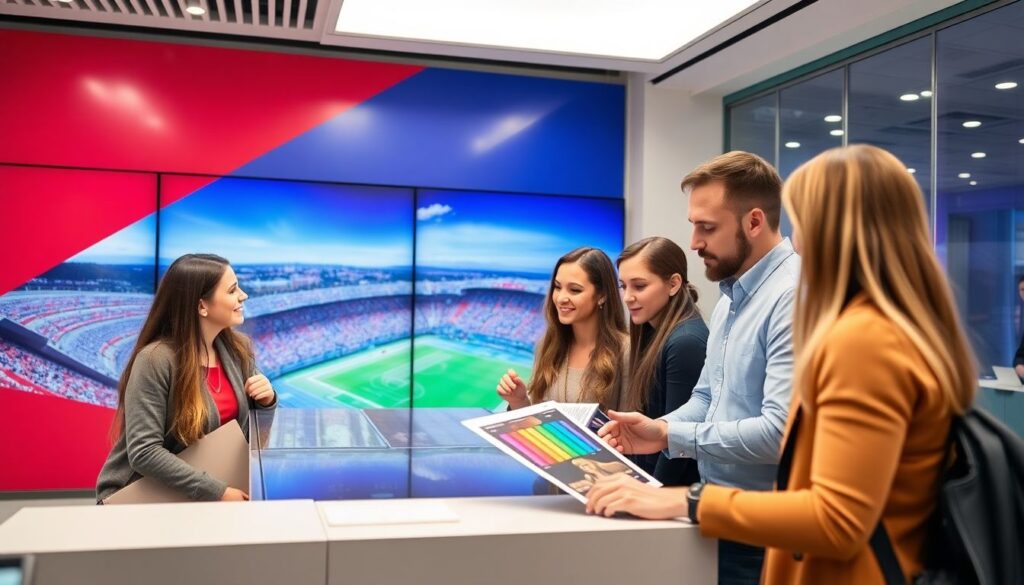
Not always, but clear, easy‑to‑understand offers help international fans and travel agents. For high‑profile events, branded packages and Turkey sporting events travel deals make it simpler to compare options and encourage longer stays beyond the competition days.
How can we measure whether an event improved Turkey’s international image?
Combine media analysis, social media sentiment tracking, visitor surveys and follow‑up booking data. Look at coverage tone, recurring narratives about safety and quality, and changes in interest for future events or general holidays in Turkey in key source markets.