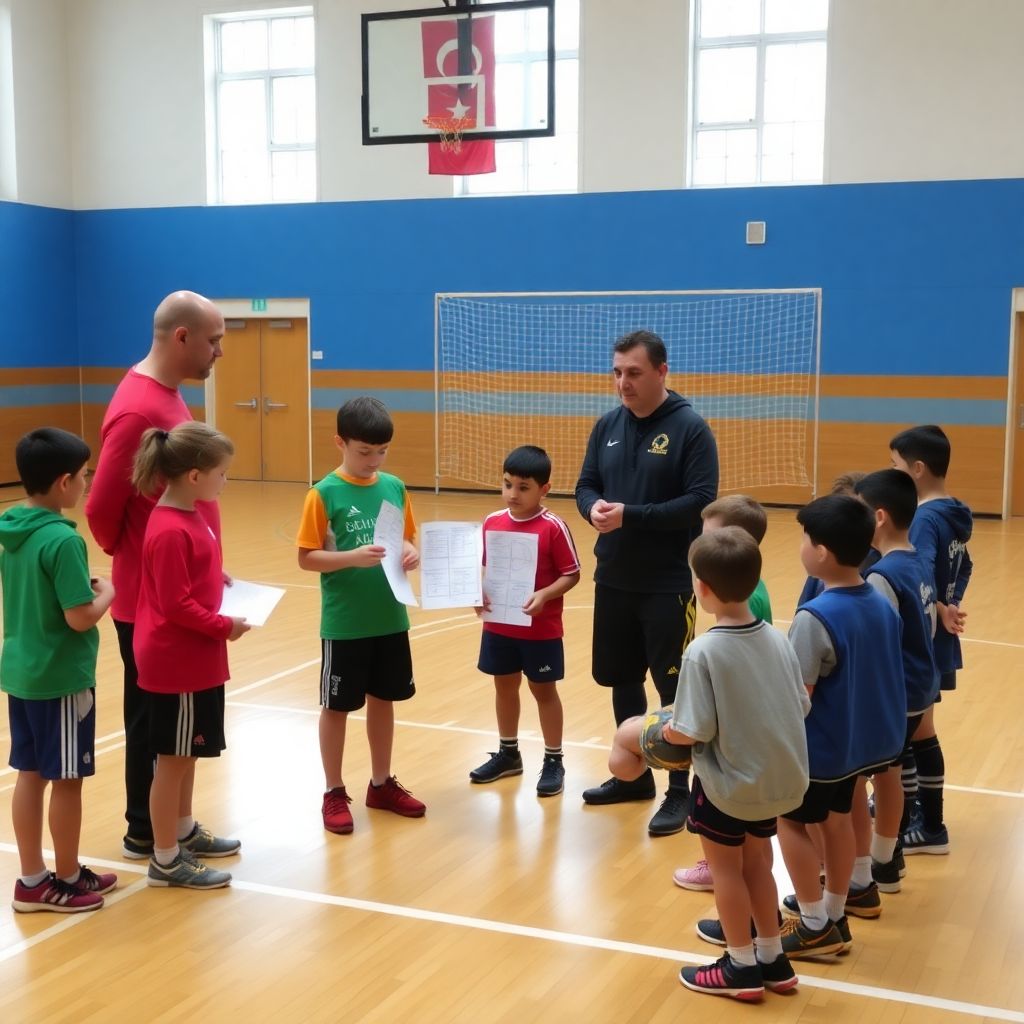
Grassroots sports in Turkey work best when schools, local clubs and talent pathways are clearly linked, with realistic expectations and basic safeguards. The most common mistakes are unplanned training, over‑competition, weak communication and ignoring inclusion. Clear roles, simple written processes and small monitoring steps prevent most of these issues early.
Core Insights on Grassroots Sports in Turkey
- School PE and extracurricular teams are the base layer; they must prioritise participation and basic literacy, not early selection.
- Local clubs and sports academies in Turkey for youth should complement, not compete with, school calendars and exams.
- Talent identification must be transparent, age‑appropriate and free of unrealistic promises to families.
- Coach education and volunteer management are as important as facilities or equipment investments.
- Quick, low‑cost safeguards (injury logs, attendance records, simple codes of conduct) avoid most long‑term problems.
State of School Sports: Policy, Curriculum and Participation
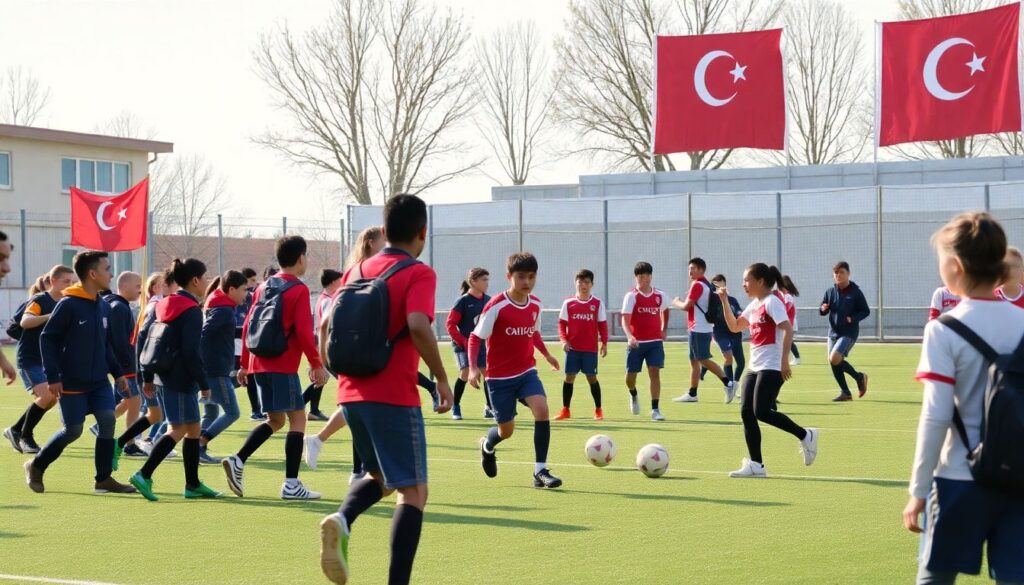
In Turkey, the backbone of grassroots sport is the PE curriculum and school competition system coordinated with municipal and federation events. School sports programs in Turkey for international students and local pupils share the same basic structure, but implementation quality varies strongly between regions and schools.
A frequent error is treating PE as a break, not a structured learning space. This leads to random drills, poor progression and early frustration, especially for less skilled students. Prevent it by planning simple, written unit plans by term, with 1-2 clear learning outcomes per age group.
Another mistake is overloading talented kids with overlapping competitions for school, club and district. This raises injury risk and burns out families. A basic coordination calendar between PE teachers and club coaches, updated each term, solves most clashes without complex software.
Many schools underuse low‑cost formats such as small‑sided games, festival days and mixed‑ability teams. Instead they focus on single knockout tournaments, which sideline weaker players. Establish a rule that every event must guarantee each child a minimum playing time and at least two fixtures.
- Write a one‑page yearly sports calendar visible to staff, students and parents.
- Set minimum participation rules (minutes per child, teams per grade) for all events.
- Hold a short coordination meeting each term with nearby clubs to align schedules.
Local Clubs Ecosystem: Organizational Models, Funding and Community Roles
Local clubs, associations and private centres form the second layer of grassroots sport. The best grassroots sports clubs in Turkey for kids usually follow a simple, transparent structure that parents understand: clear age groups, fixed training days, stated fees and visible links with regional federations.
Common mistakes appear when clubs grow quickly without basic governance. These errors are preventable with light but consistent admin routines.
- Unclear legal and organisational status. Some groups operate informally, mixing cash payments, ad‑hoc squads and no insurance. Resolve this by choosing a clear model (association, municipal club, private academy) and publishing a simple organisational chart.
- Overreliance on a single sponsor or parent. When one donor pays for everything, the club becomes fragile and conflicts of interest rise. Create at least three income streams: modest fees, small sponsorships and occasional municipal or federation grants.
- No written role descriptions. Volunteers and junior coaches improvise, leading to inconsistent training and discipline. Prepare one‑page role descriptions for head coach, team admin, treasurer and safeguarding contact.
- Ignoring community outreach. Clubs often recruit only from a narrow social circle. This limits talent pool and social impact. Use low‑cost outreach: posters in schools, open days, and trial weeks in cooperation with neighbourhood muhtarlık and NGOs.
- Weak link with schools. Some clubs compete with schools for players instead of cooperating. A simple memorandum of understanding on training loads, exams and transfers reduces friction.
- Choose and document a clear legal form and basic governance structure.
- Limit dependence on any single sponsor, parent or coach by diversifying support.
- Schedule at least two open community events per year for outreach and feedback.
Talent Identification Pathways: Scouting, Trials and Early Development
In Turkey, talent identification has multiple entry points: school tournaments, local leagues, youth sports training camps in Turkey, and private or federation‑run football talent scouting programs in Turkey. The risk is turning every activity into a trial, increasing pressure and reducing long‑term love for sport.
Scenario 1: School tournaments feeding local clubs. PE teachers recommend promising students to nearby clubs or sports academies in Turkey for youth. Mistake: only tall or early‑maturing kids are noticed. Fix: use simple observation forms that include game intelligence, attitude and coordination, not just size.
Scenario 2: Open club trials. Clubs run mass selection days with short drills. Common errors include overcrowded sessions, poor safety checks and unrealistic promises. Limit groups per field, pre‑register players, and always provide written feedback (accepted, waitlist, or not selected with specific reasons).
Scenario 3: Regional or national scouting events. These can be excellent exposure but often lack follow‑up. Families are left without clear next steps. Prevent this by defining, in advance, what happens after selection or non‑selection and sharing this process in writing during registration.
Scenario 4: Short residential camps. Many youth sports training camps in Turkey mix training with recreation. The main error is expecting major performance jumps in a few days. Position camps as education and experience, not as final trials, and debrief players and parents with a short written development plan.
- Define and communicate, in simple language, the full pathway from first trial to elite programs.
- Standardise basic selection criteria across teams and age groups.
- Record simple data from each event (attendance, decisions, notes) to avoid repeated ad‑hoc choices.
Coaching and Volunteer Networks: Education, Retention and Quality Control
Grassroots systems depend on large numbers of part‑time coaches and volunteers. Even in the best grassroots sports clubs in Turkey for kids, quality collapses if these people are unsupported. The fastest improvements often come from low‑cost learning and simple recognition, not only from hiring star coaches.
Mistakes fall into two groups: missed advantages and unmanaged limitations.
Strengths and benefits of structured networks
- Local continuity. Long‑serving volunteers carry club history and community trust; they can stabilise programs when professional staff change.
- Cost‑effective expansion. Trained parent‑helpers allow more groups and safer supervision without unsustainable payrolls.
- Embedded mentoring. Experienced grassroots coaches can guide younger staff through informal mentoring circles if time and space are organised.
Risks, constraints and how to reduce them
- Lack of formal education. Coaches may rely on outdated methods or unsafe drills. Fix: encourage affordable federation licences and short CPD sessions each term.
- High turnover and burnout. Volunteers quit when roles are vague or unappreciated. Provide clear tasks, small time commitments and visible recognition (certificates, online thank‑yous).
- Inconsistent behaviour standards. Without codes of conduct, boundaries with children and parents blur. Adopt standard policies from federations and display them in facilities and registration forms.
- Over‑centralisation. One head coach making all decisions reduces learning and resilience. Use basic peer review: occasional session observations and feedback among coaches.
- Ensure every coach has at least a basic, current qualification for their sport and age group.
- Write and share simple codes of conduct for coaches, players and parents.
- Organise one low‑cost training or sharing session for coaches and volunteers each term.
Facilities and Resources: Access, Maintenance and Strategic Investment
Facilities in Turkey range from school yards and municipal pitches to private academies. Many school sports programs in Turkey for international students face the same issue as local ones: impressive buildings but limited safe, regular access or poor maintenance routines that shorten facility life and increase injury risk.
Frequent mistakes and myths:
- Myth: “We need a brand‑new complex before starting.” In reality, most grassroots programs can start safely on simple, marked, well‑maintained spaces. Focus first on surface safety, basic lighting and accessible storage.
- Mistake: No shared booking system. Facilities stay empty at some hours and overloaded at others. A simple, shared weekly schedule posted online and on a noticeboard prevents conflicts.
- Mistake: Buying equipment without a plan. Balls, cones and bibs disappear fast when unlabeled and unmanaged. Introduce basic inventory lists, labeling and a sign‑out system handled by a team manager or senior student.
- Myth: “More matches, less training.” Overbooking competitions on artificial turf without adequate recovery leads to overuse injuries. Protect at least one weekly slot per team for low‑intensity technical work.
- Mistake: Ignoring inclusive access. Timetables that only suit elite teams or boys reduce participation. Reserve specific slots for beginners, girls and mixed‑ability groups.
- Audit all facilities twice a year with a short safety checklist and repair list.
- Publish a weekly facility schedule and stick to time slots to reduce conflict.
- Prioritise low‑cost safety and access improvements before big new construction projects.
Barriers and Opportunities: Socioeconomic, Gender and Regional Dynamics
Grassroots sport in Turkey reflects wider inequalities between urban and rural areas, coastal and eastern regions, and different income levels. Programs that copy models from big cities without adaptation often fail, even when run by well‑intentioned staff or prestigious organisations.
Mini‑case: A mid‑Anatolian town wants to create a football academy after seeing high‑profile football talent scouting programs in Turkey. They import an intensive weekly schedule and high fees from a major city model.
The result: many families cannot afford the program or travel at late hours; girls drop out first. Coaches complain about low attendance. Instead, the town could:
- Start with mixed‑gender, low‑cost community sessions after school hours.
- Offer partial fee reductions for low‑income families via municipal support.
- Cooperate with nearby schools to provide safe walking routes and shared equipment.
This adapted model respects local conditions and grows steadily. Once stable, the town can add links to regional clubs or youth sports training camps in Turkey without excluding large groups of children.
- Map which groups (girls, migrants, rural kids) are under‑represented in your teams.
- Adjust schedules, locations and costs based on actual family feedback.
- Pilot small, inclusive projects before scaling intensive or elite initiatives.
End‑of‑Article Self‑Check for Turkish Grassroots Programs
- Do your school and club calendars actively prevent overload and clashes for young athletes?
- Are selection and trial processes transparent, age‑appropriate and documented in simple language?
- Do all coaches and volunteers follow written conduct standards and receive regular support?
- Is facility use planned with safety, inclusion and basic maintenance in mind?
- Have you adapted your program design to local economic, cultural and gender realities?
Practical Queries from Coaches and Administrators
How can a small Anatolian school start a viable sports program with limited facilities?
Begin by mapping your existing spaces and time slots, then choose one or two sports that fit them best. Focus on multi‑skill PE lessons and simple after‑school clubs, and partner with a nearby club or municipality for additional competition opportunities.
What is a realistic way to connect school teams with local clubs without overloading players?
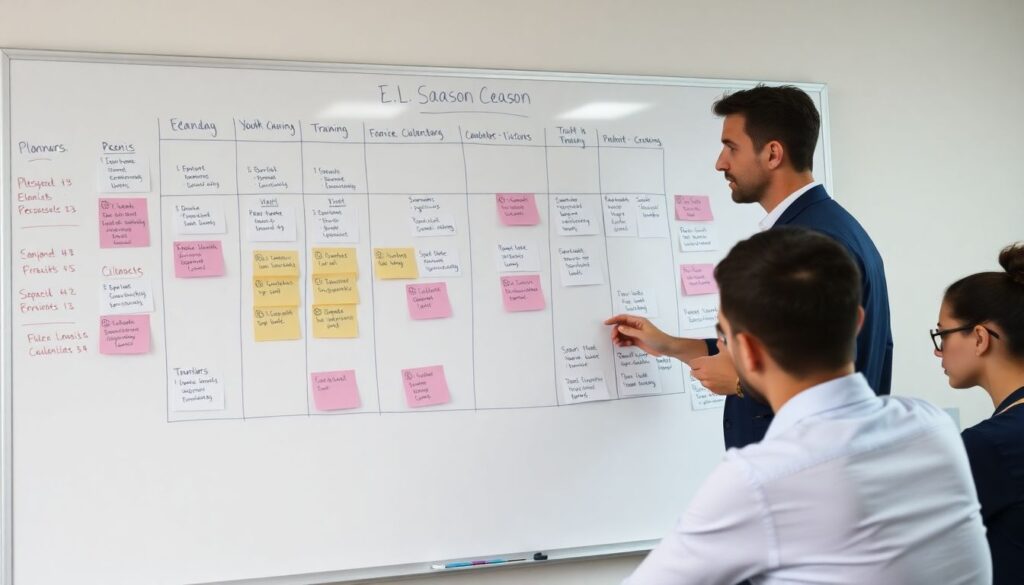
Agree on a shared calendar at the start of each term, define maximum weekly training and match loads by age, and exchange basic injury and attendance information. Prioritise school exams and essential club fixtures, avoiding duplicate competitions in the same week.
How should we communicate with parents about selection and non‑selection in youth teams?
Use clear, written criteria in advance and give brief, specific feedback after decisions. Offer alternative pathways, such as development squads or recreational groups, and avoid promising professional contracts or scholarships at early ages.
What low‑cost steps improve the quality of our grassroots coaches?
Encourage completion of basic national licences, organise short peer‑learning sessions where coaches observe each other, and share simple session templates. Recognise effort publicly so volunteers feel valued and stay longer.
How can international families integrate their children into local Turkish grassroots sports?
Direct them toward school sports programs in Turkey for international students and open municipal clubs that welcome mixed groups. Provide bilingual information where possible and assign a “buddy” player or parent to help with language and cultural adaptation.
When is it appropriate to send a talented child to a specialised sports academy?
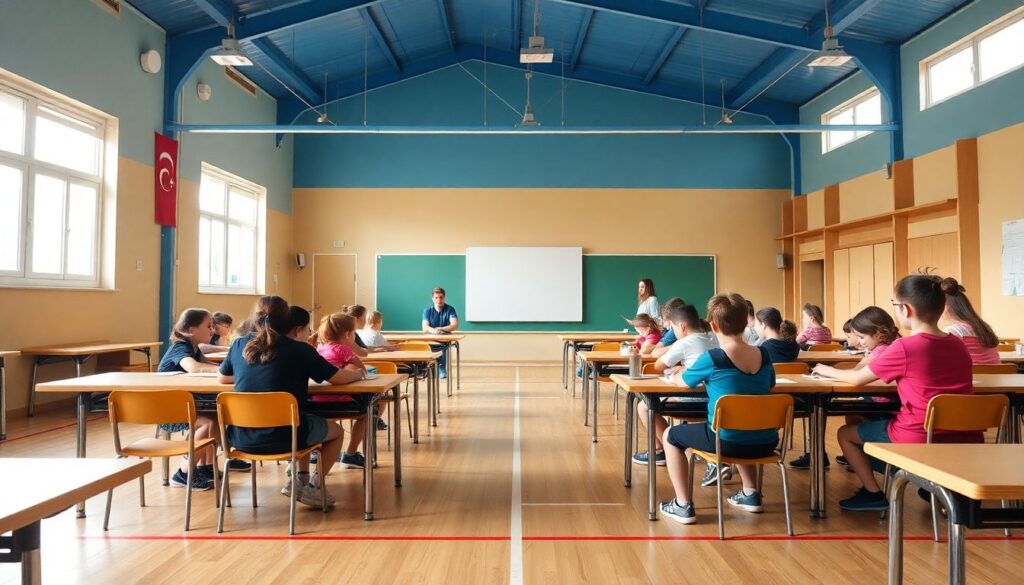
Only after confirming that the child enjoys the sport, balances schoolwork, and has access to safe transport and responsible adults. Check that sports academies in Turkey for youth emphasise education, health and long‑term development over short‑term results.
What indicators show that our grassroots program is becoming exclusionary?
Warning signs include declining female participation, only high‑income families staying, or early specialisation in a single sport without alternatives. Regularly review registration data and run short anonymous surveys with families and players.