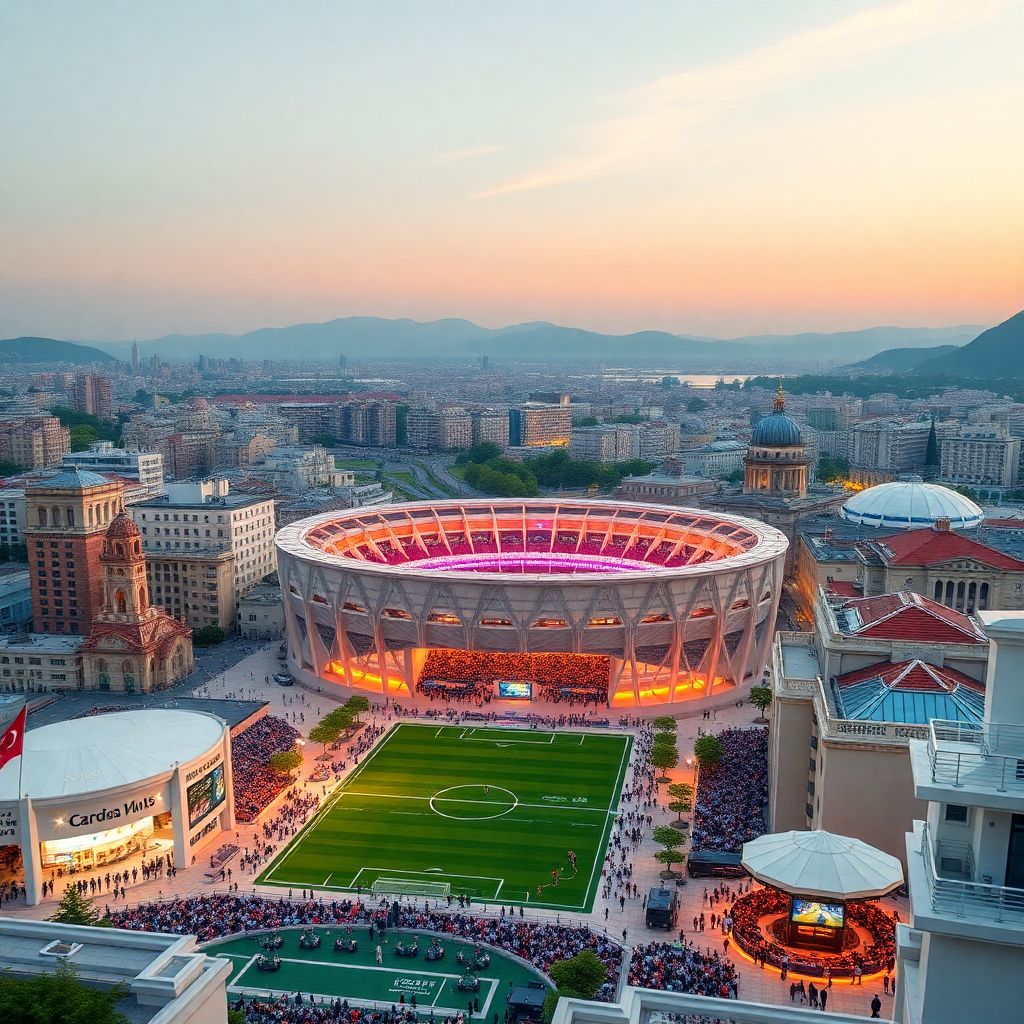
Hosting international sports events is reshaping Turkey’s global image from a security‑focused, politically tense country into a modern, hospitality‑driven sports hub. High‑profile tournaments, new stadiums, improved transport and Turkey sports tourism packages reframe the narrative: reliable organiser, attractive Mediterranean destination, and serious player in European and global sport.
Core implications for Turkey’s international image
- Signals organisational capacity and safety by delivering complex tournaments smoothly.
- Repositions Turkey as a European-Mediterranean sports hub rather than only a beach destination.
- Boosts tourism appeal through Istanbul sports event travel deals and themed itineraries.
- Creates positive media narratives that counterbalance political and security concerns.
- Strengthens soft power in regional diplomacy via shared fandom and sports exchanges.
- Turns football, basketball and athletics into entry doors for broader Turkey vacation packages for sports fans.
Legacy baseline: Turkey’s global reputation before major sports events
Before the recent boom in hosting, Turkey’s global reputation was mixed. International audiences often associated the country with beautiful coasts, rich history and dynamic cities, but also with political tensions and security incidents. In global surveys, Turkey tended to rank stronger on culture and tourism than on governance or safety perception.
In sports specifically, Turkey was seen more as a passionate fan market than as a trusted event organiser. Many foreign visitors knew Istanbul’s big football clubs and heated derbies, yet fewer could name major tournaments staged in the country. Travel was usually organised as classic sun‑and‑sea holidays, not as Turkey sports tourism packages built around fixtures.
This baseline matters because reputation functions like a filter. When a new event is announced, journalists, fans and investors interpret it through pre‑existing narratives. For Turkey, the challenge used to be: can a country perceived as volatile successfully host large crowds, VIP delegations and global media at scale?
Against that background, successfully delivered finals, championships and motorsport races start to operate as reputation “corrections”. They gradually shift mental images from risk to reliability, from peripheral to central, and from “emerging” to “established” sports nation.
- Clarify the starting image: tourism strengths vs. governance and safety concerns.
- Recognise that fans knew Turkish clubs but not Turkish‑hosted mega‑events.
- Use each event to visibly contradict old stereotypes of volatility or disorganisation.
Soft power in action: How hosting shapes diplomatic capital
Soft power grows when other countries want to cooperate because they admire your culture, values or performance. Hosting international sports events in Turkey 2024 and beyond is a practical soft‑power tool: it invites foreign publics to experience the country directly instead of only seeing it through distant news coverage.
- Shared emotional experiences: A packed football final in Istanbul, with rival European fans celebrating safely together, creates emotional memories linked to Turkey. Those positive memories later support tourism, business and even political dialogue.
- Diplomatic hospitality: High‑level guests, sports ministers and federation leaders experience Turkish protocol, logistics and security. Smooth treatment translates into trust when Turkey bids to host future tournaments or negotiates regional initiatives.
- Cultural showcasing: Ceremonies, fan zones and broadcasts showcase Turkish music, food and design. Instead of abstract cultural diplomacy, global audiences see concrete images of contemporary Turkish life.
- Bridge narrative: Events staged in Istanbul or Antalya reinforce the “bridge between continents” storyline, useful in both European and Middle Eastern diplomacy.
- People‑to‑people links: Fan exchanges, volunteer programmes and youth tournaments create micro‑networks that outlast any single match.
Over time, this soft‑power accumulation helps Turkey be perceived as a constructive, outward‑looking actor, not only through official statements but through lived sports experiences.
- Design ceremonies and fan zones to highlight contemporary Turkish culture, not clichés.
- Integrate foreign delegations into broader cultural and city programmes, not just stadium visits.
- Track follow‑up: new partnerships, repeat visits and positive diplomatic references after events.
Economic signaling: Investment, tourism and urban renewal narratives
Major sports events are also economic messages. New stadiums, upgraded airports and transport links show investors that Turkey can plan and deliver complex infrastructure. Each successful final or tournament becomes an implicit pitch: “we handle risk, crowds and deadlines under global scrutiny”.
In tourism, the impact is direct. When fans book tickets Turkey football matches as part of their holidays, they often extend stays to explore Istanbul, Cappadocia or the Aegean coast. Travel agencies respond with tailored Turkey vacation packages for sports fans, combining match days with cultural sightseeing, gastronomy tours and coastal relaxation.
Urban renewal around stadium districts and waterfronts adds another storyline. Revitalised neighbourhoods with better public transport, public spaces and hotels communicate a picture of modernisation. This, in turn, supports Istanbul sports event travel deals that package arenas with shopping, museums and nightlife.
For international business, the signal is about capacity and predictability. If Turkey can protect event timelines, manage international rights‑holders and coordinate multiple municipalities, it reassures investors considering logistics centres, tech hubs or convention venues.
- Link each event to broader city upgrades (transport, public spaces, digital services), not isolated stadiums.
- Cooperate with tour operators to create sports‑centred travel products aligned with event calendars.
- Communicate infrastructure successes clearly to both investors and visiting fans.
Global media dynamics: Framing, amplification and crisis management
Global media determine how hosting is perceived abroad. The same event can be framed as a “festival of football on the Bosphorus” or as “a risky choice in a politically tense region”. Turkey’s task is to influence this framing through proactive communication and professional media operations.
When international sports events in Turkey 2024 attract large broadcasters, social platforms and influencers, every camera angle becomes part of the national image. Beautiful skyline shots, efficient fan flows and compelling human stories amplify a positive narrative. Conversely, isolated incidents can be magnified if crisis communication is slow or inconsistent.
Strong media centres, multilingual press officers and prepared storylines about culture, history and modern life in Turkish cities make it more likely that coverage goes beyond scores and controversies. Fast, transparent response to any organisational hiccup signals maturity and reliability.
Positive media leverage points
- Pre‑event briefings that introduce Turkey’s cities, safety measures and transport plans.
- Curated story packages for broadcasters featuring local athletes, volunteers and fan culture.
- On‑site media tours to key landmarks and revitalised districts linked to events.
Media‑related constraints and risks
- Existing stereotypes can overshadow improvements unless evidence is clearly visible.
- Social media amplifies minor incidents into global narratives within minutes.
- Inconsistent messaging from different authorities creates confusion and doubt.
- Prepare unified media messaging and visual assets long before each event.
- Train spokespersons in fast, transparent crisis response for international audiences.
- Actively supply human‑interest stories that show everyday life, not only stadium shots.
Domestic-social interplay: National identity, inclusion and public opinion
Hosting is not only about external audiences. It reshapes how Turkish citizens view their own country. Successful events can strengthen pride and a shared national identity that crosses political lines. However, if costs feel high and benefits limited to elites, domestic backlash can undermine the global image gains.
Myths and mistakes often appear here:
- Myth: “Any mega‑event automatically unites the nation.” In reality, perceptions differ by region, income and club loyalty. Without inclusive fan zones and affordable tickets, many feel excluded from the celebration.
- Mistake: Ignoring local communities. Stadium construction and security perimeters can disrupt neighbourhoods. If residents do not see long‑term benefits, they may resist future bids and create negative media stories.
- Myth: “Tourist spending always trickles down.” Visitors who stay in isolated resorts or all‑inclusive packages may leave little income in local businesses.
- Mistake: Underestimating women and youth fans. Designing experiences mainly for male supporters wastes a chance to project a modern, inclusive Turkey.
- Myth: “Domestic criticism hurts image.” Constructive public debate, when managed transparently, can actually signal democratic maturity to foreign observers.
If hosting is experienced domestically as fair, accessible and beneficial, citizens become authentic ambassadors-sharing their stories, hosting guests and countering stereotypes in everyday conversations and online.
- Plan participation tools for residents: volunteers, cultural side‑events, community tickets.
- Monitor domestic media and social sentiment before, during and after events.
- Use feedback to adjust future events, showing that criticism leads to improvements.
Sustainability of image gains: Measuring credibility and long-term effects
Reputation changes slowly. One perfect final or race does not permanently transform Turkey’s image; it opens a window. To make gains stick, Turkey needs consistent performance across several cycles of bidding, hosting and follow‑up tourism and investment outcomes.
A simple way to think about this is as a short algorithm for checking results over time:
IF (post-event tourism + repeat visitors + new events awarded) show steady growth
AND (international media tone) improves or stays positive
AND (domestic support) remains stable or increases
THEN image gains are likely credible and sustainable.
ELSE adjust strategy and communication before next bid.
In practical terms, that means combining data from airlines, hotels and tour operators-especially on Istanbul sports event travel deals and thematic Turkey sports tourism packages-with qualitative indicators like fan surveys and journalist feedback. It also means tracking how often Turkey is shortlisted or chosen for new tournaments, and whether fans return even when no major event is on.
Without follow‑through, early successes fade and old stereotypes reappear. With deliberate measurement and adjustment, hosting becomes a long‑term brand‑building system rather than a series of one‑off shows.
- Define 3-5 measurable indicators (tourism, media tone, event awards, domestic support) before each event.
- Compare results across multiple years instead of declaring instant victory or failure.
- Use findings to refine infrastructure, fan experience and communication strategies.
Quick self-checklist for assessing Turkey’s image shift from hosting
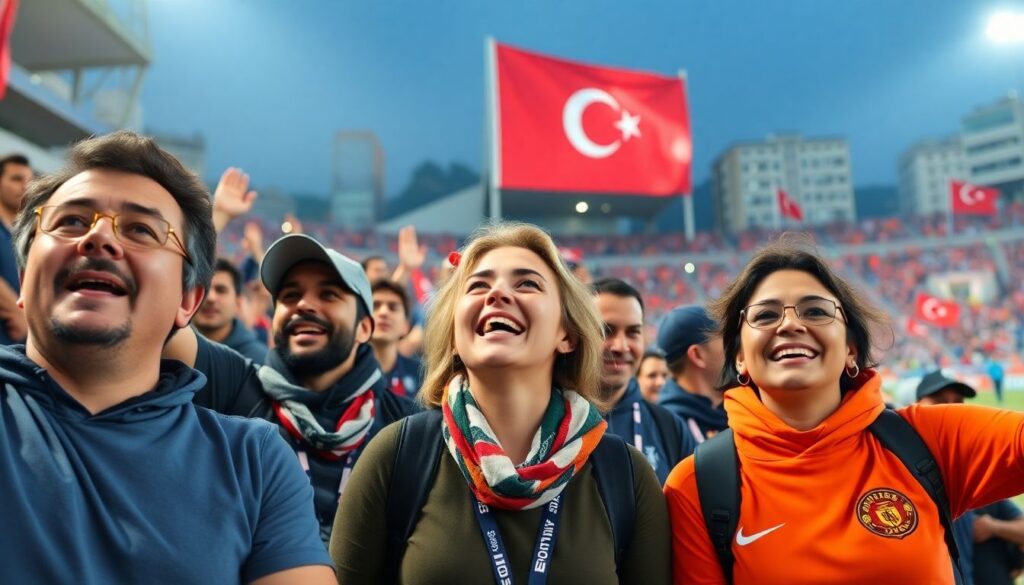
- Can you show concrete changes in how foreign media describe Turkey before and after key events?
- Are there growing numbers of fans who book tickets Turkey football matches as part of broader city trips?
- Do tour operators actively promote updated Turkey vacation packages for sports fans, not only beach holidays?
- Is domestic public opinion broadly supportive of new hosting bids, with visible local benefits?
- Have international federations increased trust, giving Turkey more or larger events over time?
Practical queries about perception shifts from hosting
How exactly do sports events change international perceptions of Turkey?
They provide fresh, emotionally charged experiences that overwrite older mental images. When visitors and viewers see safe stadiums, efficient transport and welcoming cities, they start associating Turkey with reliability and hospitality instead of only politics or security news.
Which types of events have the strongest impact on Turkey’s global image?
High‑visibility football finals, multi‑sport championships and motorsport races tend to have the widest reach because they attract global broadcasters. However, a series of medium‑sized tournaments can cumulatively matter as much as a single mega‑event if they are well organised and strategically communicated.
How can Turkey turn visiting fans into long-term tourists?
By offering clear pathways from match tickets to broader trips: bundled Istanbul sports event travel deals, city passes, cultural tours and digital guides. When fans find it easy to add two or three extra days beyond the game, they are more likely to return later with family or friends.
Do Turkey sports tourism packages really matter for national image?
Yes, because they translate abstract reputation into booked trips. Well‑designed packages show that the country understands fan needs, feels safe and is easy to navigate. Positive word‑of‑mouth from these visitors circulates online and in supporter communities abroad.
What should organisers prioritise to impress international media?
Flawless basics-access, security, communications-plus strong visuals and human stories. Dedicated media services, multilingual information and rapid, transparent responses to any issues help journalists frame Turkey as a competent and open host country.
How can authorities know if image gains are lasting or just temporary?
By tracking indicators over several years: repeat event awards, returning visitors, changes in media tone, and stable or rising domestic support for hosting. Consistent improvement suggests durable reputation change; sharp drops indicate that benefits were only short‑term.
Are there risks in focusing too much on mega-events?
Yes. Overspending, underused stadiums and local backlash can damage credibility. A balanced portfolio-combining flagship events with smaller, community‑rooted tournaments-reduces risk while still strengthening Turkey’s global image.