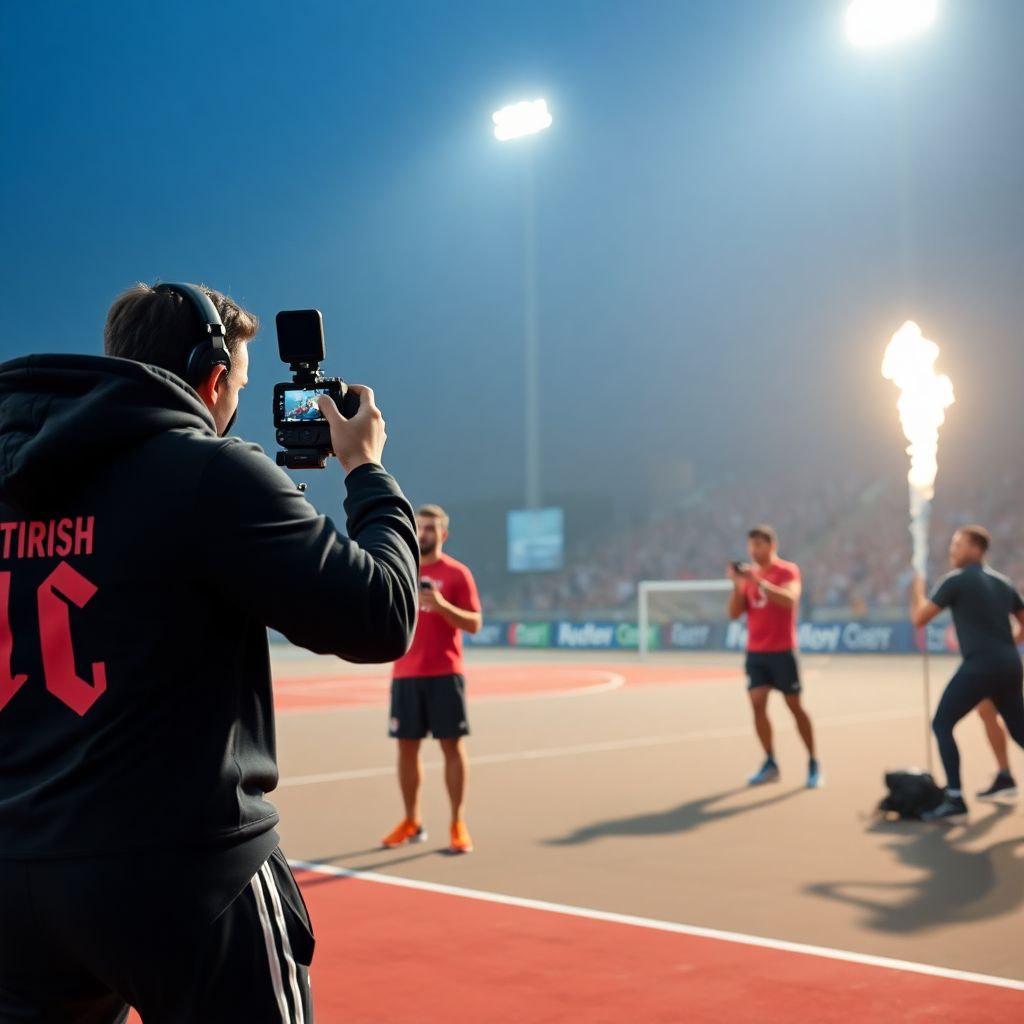
Social media is redefining fame for Turkish athletes by shifting attention from TV-driven visibility to always-on, data‑tracked influence across platforms. Not only superstar footballers but also wrestlers, volleyball players and niche talents can build careers via engagement, storytelling and direct fan relationships, especially on Instagram, TikTok, YouTube and emerging platforms.
How Social Platforms Reshape Athlete Visibility and Influence
- Fame is measured less by TV minutes and more by engagement, saves, shares and watch time across platforms.
- Even lower‑league players can gain national reach if their content format fits platform algorithms.
- Clubs, brands and federations evaluate Turkish athletes Instagram followers alongside on‑field performance.
- Athletes control their own narratives, bypassing traditional journalists and gatekeepers.
- Short‑form video on Instagram Reels and TikTok turns training clips into sponsorship assets.
- Social media marketing for Turkish sports stars now includes analytics, creator tools and cross‑platform planning.
New Metrics of Stardom: Engagement, Reach and Narrative Control
Traditionally, fame for Turkish athletes was defined by national TV exposure, newspaper coverage and national team selection. Today, stardom also depends on digital metrics: followers, engagement rate, completion rate on Reels, average watch time on TikTok and subscriber loyalty on YouTube and Twitch.
These metrics matter because they show not only how many people see an athlete, but how strongly they react. The best Turkish athletes on social media may have fewer followers than a mainstream star, but higher engagement and a more targeted, commercially valuable audience.
| Traditional indicator | Social media indicator | What it reveals for Turkish athletes |
|---|---|---|
| TV minutes per match | Average views per video | How often fans actively choose to watch them |
| Newspaper headlines | Shares, saves, reposts | Whether content is considered worth passing on |
| Stadium attendance | Engagement rate (likes + comments / followers) | Intensity of the relationship with the audience |
| National team caps | Cross‑platform influence (IG, TikTok, YouTube) | Ability to mobilise fans beyond any single event |
Narrative control is a further shift. Where once press officers and TV editors decided which story of a Turkish sprinter or wrestler reached the public, now athletes publish their own perspective in real time, correcting misinformation and framing their personality and values directly.
Practical recommendation: when evaluating fame, clubs, coaches and agents should build a dashboard that combines performance stats with digital KPIs such as engagement rate, content consistency (posts per week) and audience growth trend, instead of focusing on raw follower counts alone.
Cross-Discipline Branding: Translating Skill into Story Across Sports
Skill alone rarely travels across disciplines; story does. Cross‑discipline branding means turning a specific athletic talent into a broader personal brand that can be understood by fans who may never watch that sport live. The logic is similar whether you manage a Süper Lig midfielder or a traditional yağlı güreş wrestler.
- Identify the core narrative: For each athlete, define 1-3 repeatable themes: underdog journey, technique obsession, humour, education, or lifestyle. Example: a Turkish female volleyball player emphasises leadership and teamwork; a taekwondo athlete focuses on discipline and daily routines.
- Translate technical skill into visual hooks: Break complex moves into slow‑motion clips, "before-after" improvements, or simple tips. This is essential when planning how to promote Turkish athletes on Instagram and TikTok, where attention spans are short and visuals dominate.
- Local culture plus global language: Use Turkish voiceovers and captions but add English keywords and on‑screen text for international discovery. A traditional archery champion can mix Istanbul scenery with universal training principles to reach both local and global audiences.
- Platform‑specific content formats: Instagram Reels and TikTok for highlights and trends, YouTube for long‑form stories or match breakdowns, X for live commentary, and Twitch for real‑time training sessions or gaming streams.
- Consistent visual identity: Colours, fonts, intro sounds and logo placement should be unified so that fans recognise the athlete even without reading the name. This applies equally to team sports, individual Olympic events and niche Anatolian disciplines.
- Community‑driven content: Include fan reactions, duets, stitches and Q&A sessions. Turkish athletes Instagram followers often feel closer when their comments are read on video or when their challenges are turned into content.
- Align with long‑term career goals: Ensure the brand story fits realistic goals: transfer to a European club, Olympic qualification, or building a coaching academy in Turkey. Content should gently prepare the audience for these transitions.
Practical recommendation: write a one‑page "brand manual" per athlete that includes narrative themes, target audiences, core platforms, and banned topics, and share it with everyone producing content: club media staff, sports influencer agencies in Turkey and external videographers.
Monetisation Paths: Sponsorships, Merch and Direct Fan Support
Redefined fame becomes sustainable only when it connects to clear monetisation paths. For Turkish athletes across football, basketball, combat sports and niche disciplines, several standard scenarios repeat, each requiring different content and audience strategies.
- Classic sponsorships upgraded by data: Brands now ask for screenshots of insights: reach, demographics and top cities. A futsal player with moderate reach but highly concentrated Istanbul and Ankara audiences may be more valuable than a superstar with scattered followers.
- Affiliate and product collaborations: Athletes promote sportswear, nutrition products or training equipment in exchange for revenue share. Short explainer clips and honest reviews perform better than generic "ad" posts, especially when paired with training content.
- Merch and personal product lines: From signature hoodies and scarves to training e‑books and online programs, athletes can earn directly from their communities. This works well for fighters, fitness‑oriented athletes and retired stars who still have strong recognition.
- Direct fan support: Membership platforms, exclusive WhatsApp or Telegram communities and subscriber‑only Instagram stories allow fans to pay for closer access. This works best when the athlete already offers regular, high‑value free content.
- Event‑driven campaigns: Before big derbies, European matches or international tournaments, fame spikes; limited‑time collabs and merch drops can be scheduled for that window to maximise revenue and relevance.
- Post‑career monetisation: Retired athletes with strong online brands can transition into commentary, coaching platforms, or local academies promoted via their existing channels and sustained by their audience trust.
Practical recommendation: build a simple income portfolio map for each athlete (sponsors, products, direct support, media work) and align content output with the top two revenue drivers instead of chasing every possible opportunity.
Media Relations Reinvented: Athletes as Their Own PR Teams
When athletes manage their own platforms effectively, they function as independent media outlets. This transforms media relations: journalists follow the athlete's channels for quotes and story angles, while clubs and federations must coordinate official messaging with what key players post online.
Upsides of direct, athlete-led communication
- Speed: athletes can react to rumours, injuries or transfers within minutes, reducing speculation.
- Authenticity: fans often trust a personal Instagram Story more than a formal press release.
- Control: controversial moments (e.g. red cards, weigh‑in conflicts) can be reframed from the athlete's perspective.
- Diversity of voices: niche athletes, women and youth players get visibility that legacy media rarely offered.
- Content reuse: TV and online media embed social posts, amplifying reach with no extra effort.
Structural constraints and new vulnerabilities
- Professionalism gap: not every athlete has PR training, so emotional posts can escalate conflicts.
- Information overload: followers may ignore important news if every story is dramatic or promotional.
- Contractual limits: clubs, leagues and federations impose guidelines that can restrict free expression.
- Platform risk: changes in algorithms or account suspensions can instantly cut off communication.
- Blurred boundaries: family life, politics and brand deals can mix in ways that damage reputation.
Practical recommendation: design a basic "social media rulebook" for each squad, including escalation rules (who approves what), blackout periods (e.g. before matches) and mandatory steps after crises (joint statement, Q&A, silence window).
Risks and Ethics: Misinformation, Mental Health and Overexposure
Redefined fame brings new types of risk, especially for younger Turkish athletes navigating social pressure, criticism and commercial expectations. Many issues stem from myths about what "online success" requires and from ignoring boundaries between public persona and private life.
- Myth: more posting always equals more fame. In reality, low‑quality or inconsistent content can damage credibility. A lean, well‑planned schedule beats random daily posts, particularly during tight competition calendars.
- Myth: controversy is the fastest growth hack. Short‑term spikes from arguments, trolling or political hot takes often scare away long‑term sponsors and national‑team selectors who prioritise stability and professionalism.
- Error: ignoring mental health signals. Athletes who constantly read comments or search their names after matches are more exposed to anxiety. Setting time limits and delegating moderation can be a performance‑protecting measure.
- Error: unverified medical or training claims. Posting extreme diet tips or risky training "hacks" without expert support can harm young followers and expose both athlete and club to legal and ethical issues.
- Error: mixing personal conflicts with public content. Turning private disagreements with teammates, coaches or family into public material tends to damage trust inside squads and with fans.
- Myth: agencies solve everything. Sports influencer agencies in Turkey can professionalise deals and content, but athletes and clubs remain responsible for values, tone and final approval.
Practical recommendation: create a short "red line" list with topics never to be posted without legal or medical consultation (health claims, betting, transfer details, minors) and review it with every new season or contract.
Measuring Impact: Career Trajectories, Contracts and Performance Links
To understand how social media is redefining fame, stakeholders in Turkey need a simple, repeatable way to verify whether online growth is translating into real‑world benefits such as better contracts, more stable sponsorships and improved performance conditions.
Here is a compact, practice‑oriented algorithm you can apply every quarter to any athlete, from youth prospects to established stars:
- Collect inputs (past 3-6 months):
- On‑field metrics: minutes played, ranking, medals, key stats by role.
- Digital metrics: follower growth, average engagement rate, content output per week.
- Business metrics: number and size of deals, renewals, new inquiries, merch revenue.
- Normalise and compare:
- Group athletes by role and level (e.g. Süper Lig starters, second‑division prospects, Olympic‑track individuals).
- Within each group, rank both performance and digital metrics to detect outliers.
- Check alignment conditions:
- If performance ↑ and digital ↓: adjust content quality/consistency; fame is underutilised.
- If performance ↓ and digital ↑: protect mental health and avoid over‑commercialising during slumps.
- If both ↑: prioritise premium sponsorships and long‑term partnerships.
- Decide concrete actions for the next 90 days:
- Content experiments (new formats or posting times) with clear KPIs.
- Contract strategies: renegotiation, new categories of sponsors, or shifting focus to academies/coaching.
- Support measures: media training, comment moderation help, or time‑off rules.
- Re‑evaluate and document learnings:
- Log what actually changed: did any contract improve, did visibility lead to selection or invitations.
- Update the athlete's one‑page brand manual and share the results with all stakeholders.
Practical recommendation: treat each social platform as a "training ground" with its own KPIs, run small experiments, and review them with the same discipline you apply to physical or tactical reports.
Operational Questions Coaches, Agents and Federations Commonly Face
How much should we care about follower counts when evaluating a player?
Follower counts are only a starting point. Focus on engagement rate, audience demographics and how consistently the athlete posts. A player with fewer but highly engaged followers in strategic cities can be more valuable than a bigger but passive audience.
Who should manage social media: athlete, club or external agency?
Ideally, strategy is agreed jointly; daily execution can be by the athlete plus a small support team. Clubs and agencies should provide guidelines, crisis support and analytics, while the athlete keeps final control over tone and personal topics.
How do we integrate social media goals into performance planning?
Set "light" content goals around training and match schedules, not on top of them. For example, one behind‑the‑scenes post per training day and one reflective post after matches, leaving rest days free for recovery.
What is a realistic posting frequency for elite Turkish athletes in season?
Most can sustain 3-5 quality posts per week plus lighter daily stories, depending on support staff. The key is predictable rhythm and clear content pillars, not hitting a specific number at any cost.
How do we protect young athletes from online abuse and pressure?
Set clear rules: no reading comments on match days, delegate moderation to staff or family, and use filters for key negative words. Provide media and mental‑health education alongside tactical and physical training.
When should we involve sports influencer agencies in Turkey?
Agencies are useful once an athlete has a stable content rhythm and growing audience but limited time to handle brands. Bring them in to negotiate deals, structure campaigns and provide analytics, while keeping strategic oversight in‑house.
Can strong social media presence hurt a player's relationship with teammates or coaches?
It can if content feels ego‑driven or breaks locker‑room privacy. Align expectations early, agree on off‑limits areas (tactics, internal conflicts) and encourage shared content that highlights team culture.