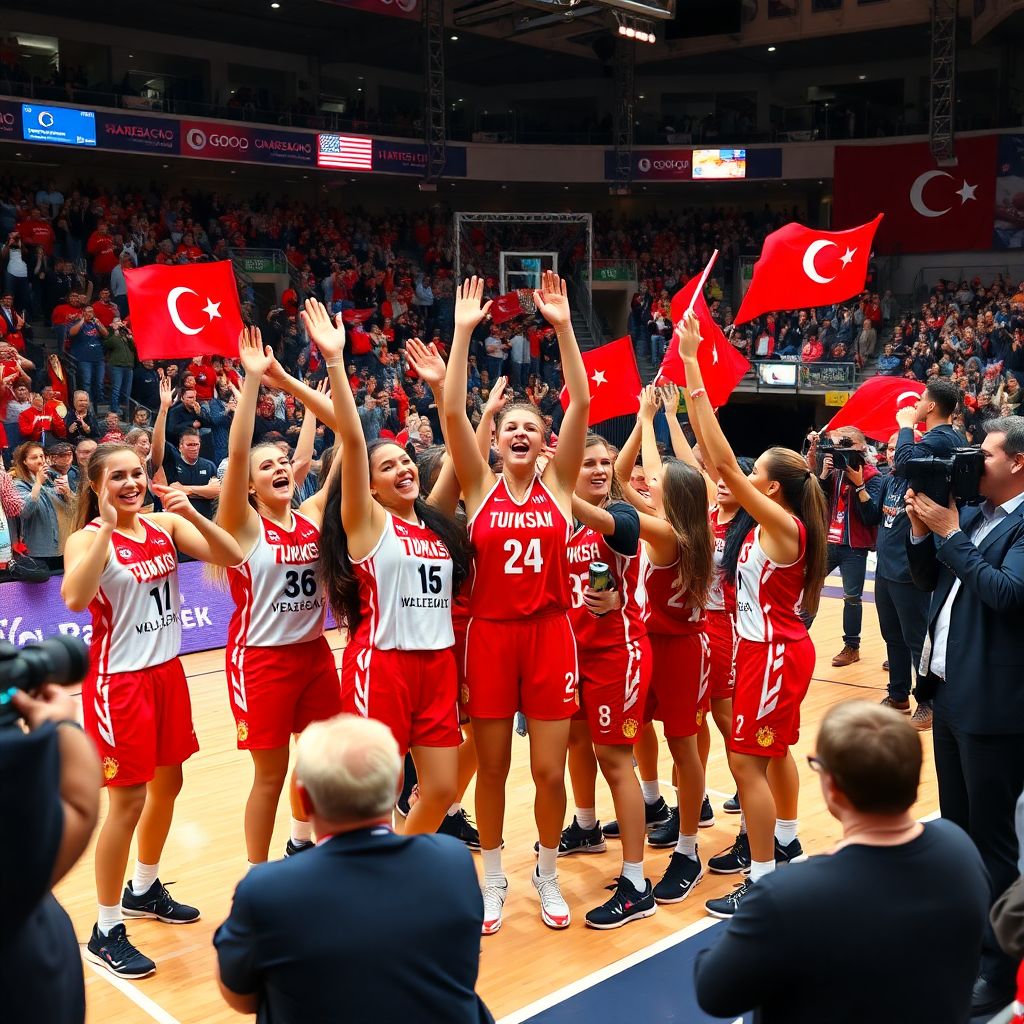
Turkish women’s basketball became a continental powerhouse through long-term club investment, stable domestic leagues, modern coaching, and smart recruitment rather than overnight success. A dense calendar, elite youth development, and exposure to European cups created a pipeline of prepared players. Fans, media, and sponsors then reinforced this performance-driven ecosystem.
Executive snapshot: defining Turkey’s continental basketball strength
- Success is built on multi-decade club commitment, not one golden generation or a single star player.
- A strong domestic league, regular European participation, and a broad player base sustain competitiveness.
- Professional coaching, analytics, and scouting modernised playing style and talent identification.
- Clubs balanced local development with targeted foreign signings instead of relying only on imports.
- Federation policies, arena infrastructure, and media coverage increased visibility and fan interest.
- Today, Turkish clubs regularly rank among the best Turkish women’s basketball teams in Europe.
Historical turning points that transformed Turkish women’s basketball
At first glance, it can look as if Turkish women’s basketball suddenly exploded into relevance thanks to foreign stars and a few big-club projects. In reality, the rise is a layered story of gradual professionalisation, smarter organisation, and consistent exposure to continental competition.
A key turning point came when major multi-sport clubs began treating women’s teams as strategic assets rather than side projects. This meant better budgets, professional staff, and structured training environments. Once women’s teams were integrated into the same performance culture as men’s basketball and football, standards rose quickly.
Another shift was the stabilisation of the top league format and calendar. Regular competition, predictable schedules, and clear promotion-relegation pathways allowed clubs to plan multi-year projects instead of surviving season by season. That stability attracted better local athletes and made it easier to bring in international talent.
Actionable insight: when studying or copying this model, focus less on isolated “big signings” and more on institutional decisions that make women’s basketball central to a club’s long-term strategy.
Debunking myths about rapid success and external advantages
- Myth: It was all about money from football. While football-backed budgets helped, they only worked because clubs built structures around that funding: youth teams, specialised coaches, and medical support. Pure spending without structure rarely creates sustainable success.
- Myth: Foreign stars carried Turkish teams. Imports raised the ceiling, but the floor improved because domestic players trained with them daily. Practice intensity, role clarity, and exposure to higher standards pushed local athletes forward.
- Myth: The league is strong only at the top. Depth improved as mid-table clubs invested in academies and better coaching. Competitive parity in the middle of the table hardened players for European pressure games.
- Myth: Fans follow only men’s basketball. Strong marketing, social media, and accessible arenas gradually built a distinct audience. For example, making turkish womens basketball league tickets easy to buy online helped attract families and younger fans.
- Myth: Success is not replicable elsewhere. The core elements-stable league structure, club commitment, and coaching development-are fully transferable. Exact budgets or demographics are less important than the consistency of these decisions over time.
- Myth: Media interest is a natural by-product. In practice, federations and clubs pushed local broadcasters and digital platforms to cover games and highlight players, especially through turkish womens basketball live streaming packages and social content.
Actionable insight: when analysing Turkish women’s basketball, filter out “money and imports” explanations and look instead for repeatable organisational habits your context can copy.
Domestic foundations: leagues, youth academies and financing models
The domestic league is the central engine of Turkey’s rise. A defined hierarchy of divisions, regular promotion and relegation, and clear roster rules encourage clubs to invest both in winning now and in developing local players for the future.
Youth academies tied to professional clubs turned this structure into a talent machine. Girls can progress from local schools to club academies, then to reserve teams, and finally to senior squads-all within the same organisational culture. This continuity reduces dropout rates and accelerates learning.
Financing is a mix of club budgets, sponsorships, and game-day income. Even modest gains from merchandise, such as turkish womens basketball jerseys for sale in club stores and online, help justify further investment. Media rights and federation support add another layer of sustainability.
For fans and practitioners, practical applications are clear: follow the league calendar, attend games live where possible, and track club structures rather than only national team results to understand where the real developmental work happens.
Tactical and technical evolution: coaching, scouting and player pathways
On the court, Turkish women’s basketball modernised through deliberate coaching upgrades. Clubs recruited experienced coaches, invested in continuous education, and adopted video analysis and scouting tools common in elite men’s basketball. This translated into more complex defensive schemes, better spacing, and diversified offensive roles for bigs and guards.
At the same time, player pathways became more intentional. Instead of throwing young players into random minutes, clubs created step-by-step roles: starring in youth leagues, then contributing in specific senior roles, then taking on leadership. International experience came through European club competitions rather than only short national-team windows.
Actionable insight: if you work in a club or academy, model these pathways-define clear role progression and support it with video feedback, individual skill plans, and targeted game exposure.
- Advantages of this evolution
- Players adapt quickly to different European playing styles.
- Coaches can game-plan more precisely against continental opponents.
- Scouting departments identify role fits instead of just raw talent.
- Youth players see a visible, realistic route into professional minutes.
- Limitations and ongoing challenges
- Not all lower-budget clubs can afford full-time analytics or specialist staff.
- Scheduling pressures can limit individual skill work during congested periods.
- Balancing minutes between imports and local prospects remains a constant tension.
- Alignment between national-team philosophy and club styles is not always perfect.
Actionable insight: focus resources on one or two high-impact areas-such as basic video breakdown or improved scouting reports-rather than trying to copy every innovation at once.
Institutional drivers: clubs, federation policy and international recruitment
Institutional choices set the framework within which clubs and players operate. The national federation shaped competition formats, foreign-player quotas, and youth requirements, all of which nudged clubs toward long-term thinking over short-term results.
International recruitment was another decisive factor. Instead of signing only high-usage scorers, leading clubs targeted complementary profiles: defensive anchors, playmaking guards, stretch bigs. This made teams more versatile and helped local players develop in clearly defined roles alongside experienced pros.
Federation and club cooperation also influenced information flows. For example, structured handling of turkish womens basketball transfer news-through official announcements, digital platforms, and regulated windows-brought transparency and credibility, which in turn attracted agents and players who valued stability.
Actionable insight: if you manage or advise a club, align your recruitment, youth policies, and communication with federation guidelines; treating policies as a strategic tool, not a constraint, leads to more coherent long-term planning.
Measuring impact: performance metrics, medals and club competition dominance
The practical proof of Turkey’s continental status appears in club and national-team results: regular deep runs in European competitions, a high number of Turkish players on top-level rosters, and increasing respect from opponents and agents when negotiating contracts.
For a simple way to track this impact season by season, focus on three metrics: how many Turkish clubs reach late stages of European tournaments, how many homegrown players log significant minutes in those games, and how consistently the national team competes with established powers.
Mini-case: imagine a mid-table Turkish club that modernises its scouting, improves coaching education, and leverages turkish womens basketball live streaming to showcase players. Within a few seasons, it starts exporting a couple of players to stronger European leagues, while attracting better imports. This feedback loop-development, exposure, opportunity-captures how Turkey moved from regional relevance to continental powerhouse.
Actionable insight: create your own simple scorecard using these metrics and review it yearly to separate narrative from actual performance trends.
Practical clarifications and common uncertainties
How can a fan in Turkey follow top women’s games during the season?
Combine attending local league games with using turkish womens basketball live streaming services from broadcasters and club channels. Check federation and club websites for weekly schedules and links, and follow official social media for last-minute updates.
What is the best entry point for someone new to Turkish women’s basketball?
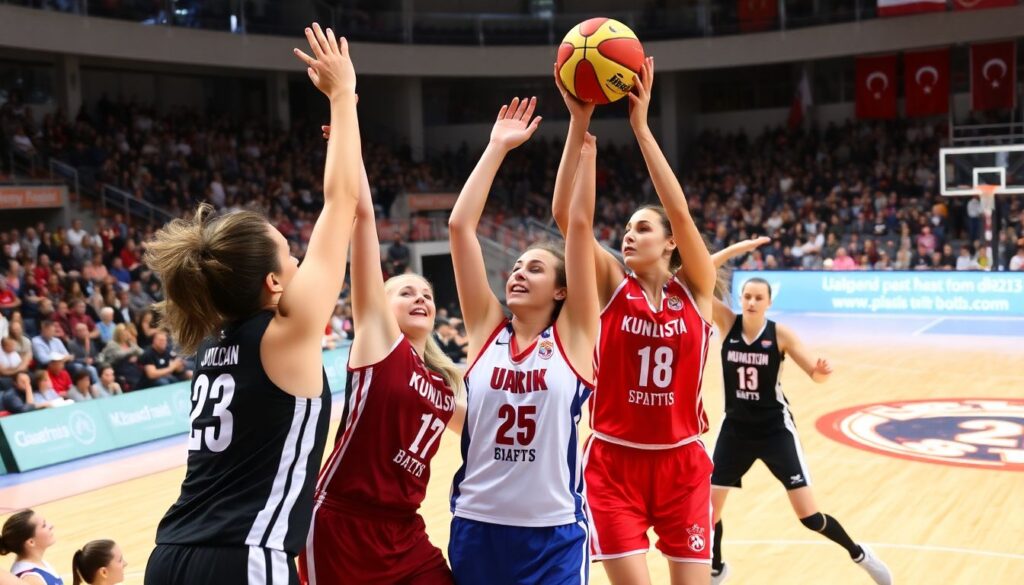
Start with the top league and European games featuring Turkish clubs, especially matchups involving the best Turkish women’s basketball teams in Europe. Watching a few high-intensity games quickly reveals the playing style, key stars, and main rivalries.
Where can I buy tickets for domestic league games?
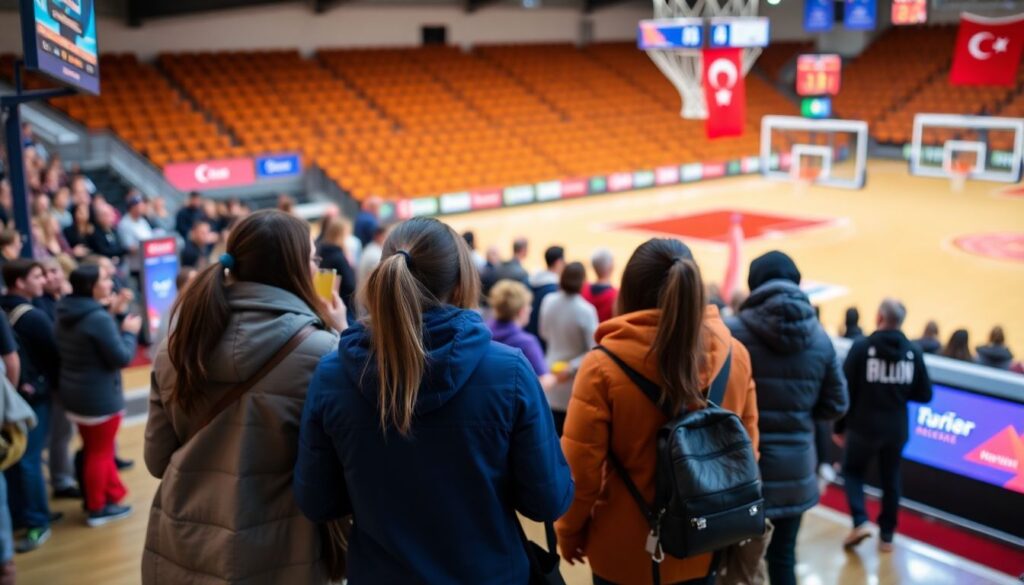
Most clubs offer online sales for turkish womens basketball league tickets through their official websites or authorised ticket platforms. You can also usually purchase at arena ticket booths on game day, but high-profile games may sell out early.
How do clubs in Turkey typically announce roster changes?
Clubs and the federation release official statements and coordinate turkish womens basketball transfer news through websites and social media. Reliable updates usually come first from club channels rather than rumours, so prioritise those sources.
Is merchandise for women’s teams easy to find?
Availability has improved as interest grew. Many big clubs now stock turkish womens basketball jerseys for sale in physical fan shops and online stores, often alongside men’s team merchandise. Limited-edition items may appear around European campaigns.
Do I need deep tactical knowledge to enjoy Turkish women’s basketball?
No, basic understanding of basketball rules is enough to enjoy games. Over time, you will naturally notice tactical details like spacing, pick-and-roll variations, and defensive schemes by watching consistent league and European play.
How does following the women’s league help coaches and players in Turkey?

It provides a live “curriculum” of modern tactics, physical standards, and role definitions at an elite level. Coaches and players can adapt training plans, skill priorities, and game models based on what succeeds in the domestic league and Europe.