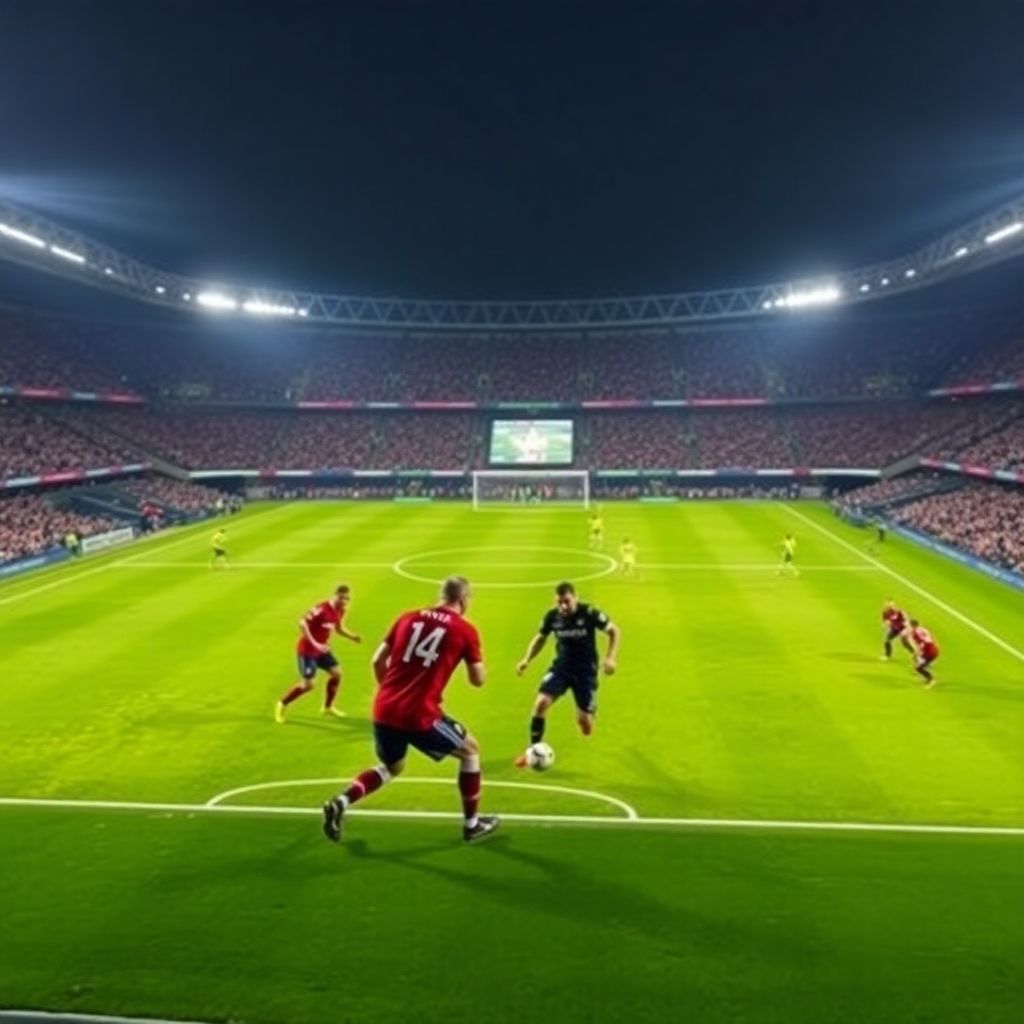
The modern Turkish Süper Lig is defined by aggressive pressing, structured build-up from the back, wide overloads, and smart set-pieces, all shaped by a strong youth pipeline. Understanding these tactical trends lets you watch matches, choose turkish super lig tickets or super lig live streaming options, and even analyze betting odds with far more clarity.
Tactical Synopsis: Defining Features of the Modern Süper Lig
- High-intensity pressing alternates between gegenpressing after loss and controlled mid-blocks.
- Goalkeepers are fully integrated into build-up, often acting as spare centre-backs.
- Wide play mixes classic wingers, inverted full-backs and rotation-based overloads.
- Defensive transitions rely on compact central zones and clear counter-press triggers.
- Set-piece routines use analytics-inspired screens, decoys and hybrid zonal-man systems.
- Club academies influence tactical identity through the profiles of homegrown players.
- These patterns shape how you watch, scout, bet on Turkish Super Lig matches and discuss them.
Pressing Models: From Gegenpress to Mid-Block Adaptations
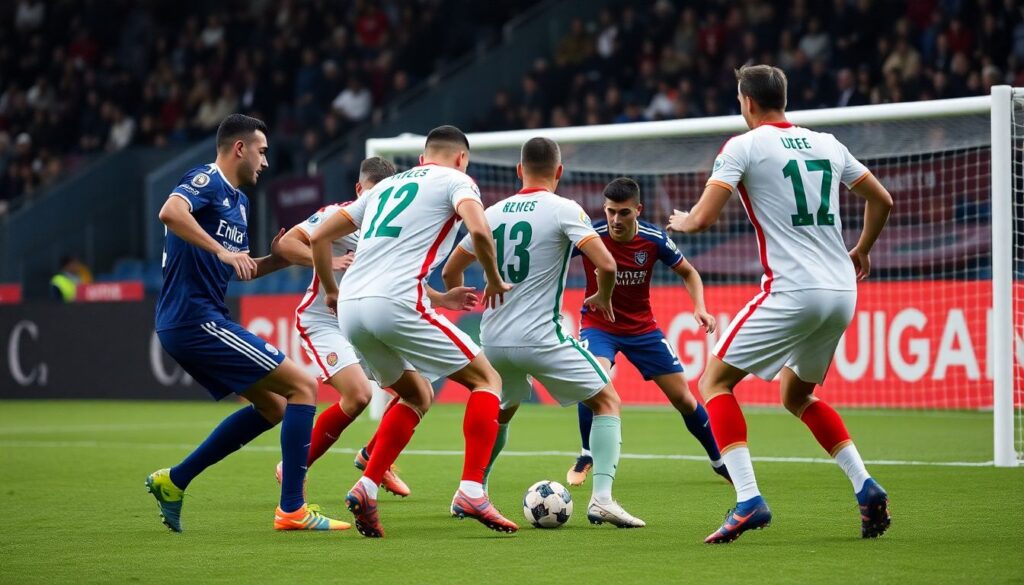
Pressing in the Süper Lig has shifted from pure chaos to structured aggression. Coaches still value energy and emotion, but now they connect it to clear pressing cues: when the ball goes to a specific full-back, when a pass is played backwards, or when the goalkeeper receives under pressure.
Gegenpressing (immediate pressure after losing the ball) is used as an attacking tool. Instead of dropping back, many teams surround the loss zone with three or four players, forcing turnovers in dangerous areas. This is visible especially in big derbies, where the home side often pushes the tempo in the opening phases.
However, maintaining full-throttle pressing for the whole match is unrealistic. That is why mid-block pressing has become common. Teams sit slightly deeper, with the first line around the middle third, waiting for sideways passes or poor first touches to spring coordinated jumps. This keeps lines compact and protects a defence that may not be elite in open space.
When you buy turkish super lig tickets and watch from the stands, you can clearly see these waves of pressure: a five-minute gegenpressing storm, followed by a calmer period in a mid-block, especially after an early lead.
Practical checklist:
- Identify which players lead the first pressing wave and their pressing cues.
- Notice when the team switches from high press to a more conservative mid-block.
- Track how pressing intensity changes after goals, substitutions or fatigue.
Build-Up Play: Goalkeeper Roles and Short-Passing Structures
Build-up in today’s Süper Lig relies heavily on goalkeepers comfortable with their feet. Instead of kicking long by default, many sides create a back three using the keeper and two centre-backs, then use short passes to draw the press and open space behind.
- Goalkeeper as extra defender: The keeper steps just outside the box, forming triangles with centre-backs and the nearest pivot. This gives a numerical advantage against the opponent’s first pressing line.
- Full-backs’ height and positioning: Full-backs often start high and wide to stretch the opposition. Sometimes one full-back inverts into midfield to create a box shape (two pivots plus the inverted full-back and a number ten).
- Double pivot vs single pivot: Against aggressive presses, coaches like to drop a second midfielder next to the main pivot. This stabilises circulation and allows the team to play through rather than over the press.
- Third-man combinations: A common pattern is centre-back to pivot, pivot to a dropping forward, who plays wide to a free full-back or winger. That third player is usually the one receiving with time.
- Risk management: Teams vary their risk. In tense away games, you may see more direct balls to a target forward after short baiting passes, especially if the pitch is poor or the press is well-organised.
Watching via super lig live streaming, you can pause goal kicks to map the build-up shape on your screen and understand how the coach wants to progress.
Practical checklist:
- Sketch the team’s default build-up shape (back three, box midfield, etc.).
- Check if the goalkeeper is trusted as a passer or used mainly for long balls.
- Observe how the team adapts its build-up under strong pressing pressure.
Wide Play Evolution: Overloads, Inverted Full-Backs and Winger Roles
Wide play in the Süper Lig blends traditional wing attacks with more modern central overloads. Classic touchline wingers still exist, but many coaches now ask one full-back to move inside, freeing the winger to attack the half-space between centre-back and full-back.
One key scenario is the 3v2 wide overload. A winger, full-back, and nearby midfielder combine against the opponent’s full-back and winger. By rotating positions-full-back inside, winger wide, midfielder overlapping-the attacking side can disorganise man-oriented defences and find cut-back opportunities.
Another scenario appears when chasing a goal late in a match: both full-backs go high, crosses come from both sides, and the box is flooded with attackers. This is where turkish super lig team jerseys buy culture meets tactics: iconic wide players shape club identity by repeatedly delivering from the flanks in decisive moments.
Against deep blocks, wide players often come inside to overload the central lane, while the full-back holds width. This makes it harder for opponents to stay compact centrally without opening switching lanes to the opposite wing.
Practical checklist:
- Note which side (left or right) the team prefers for wide overloads and combinations.
- Watch if full-backs invert into midfield or hug the touchline throughout the game.
- Track how wide roles change when the team is leading versus when it is chasing a goal.
Defensive Transitions: Compactness, Line Management and Counter-Press Triggers
Defensive transitions are a critical stress point in Turkey, where many games swing quickly after turnovers. When possession is lost, teams face a choice: counter-press immediately or retreat into compact lines. The best sides combine both, depending on where and how the ball is lost.
Compactness means keeping the distance between defence and midfield short, and closing the central lanes first. Coaches teach forwards to delay counter-attacks by forcing play wide while recovering runners sprint back centrally. Line management is about when to drop and when to hold: an experienced centre-back may command the line to stand on a transition if pressure on the ball is strong.
Counter-press triggers include a bad first touch by the opponent, a backwards pass, or a receiver facing his own goal. In those moments, several players jump at once, trying to win the ball before the rival can play into open space. This pattern is visible even if you only follow games to bet on Turkish Super Lig matches, as sudden regains often lead directly to chances.
Advantages of well-managed defensive transitions
- Reduce the number and quality of opposition counter-attacks.
- Generate immediate scoring chances from high recoveries.
- Build psychological dominance by suffocating the opponent after they win the ball.
Limitations and risks to monitor
- High counter-pressing can leave large gaps if the first wave is bypassed.
- Fatigue late in matches often leads to slower recovery runs and bigger spaces.
- Over-aggressive line management can expose slow centre-backs to runs in behind.
Practical checklist:
- Watch the team’s first three seconds after losing the ball to spot counter-press patterns.
- Estimate the distance between defence and midfield lines during transitions.
- Check if the team adjusts its transition strategy after taking the lead.
Set-Piece Innovation: Analytics, Routines and Zonal-Man Hybrid Systems
Set-pieces in the Süper Lig are no longer just hopeful crosses. Many clubs design specific routines for corners and free-kicks, often mixing zonal and man-marking in defence and using clever blocks and screens in attack. Still, several myths and recurring mistakes remain.
- Myth: “More players in the box means better attacking corners.” In reality, crowding the area without clear runs and timings only makes it easier for defenders to clear. Structured movements with 3-4 targeted runners are usually more effective.
- Mistake: Marking the best header with the smallest defender. Hybrid systems require intelligent matchups. Assigning a weak aerial player to the opponent’s main threat undermines the whole structure, no matter how good the zonal line looks on paper.
- Myth: Short corners are automatically “too fancy”. In fact, short corners can drag markers out and create better crossing angles. The key is rehearsal and knowing when the opponent defends too narrowly to prevent the short option.
- Mistake: Static walls and no rebound control on defensive free-kicks. Many goals come from second balls after the initial clearance. Teams that ignore the edge of the box or leave the far side empty invite trouble.
- Myth: Only big, physical teams can dominate set-pieces. Timing, screens, and deceptive starting positions can let technically strong but smaller sides create high-quality chances.
When enjoying matches through super lig hospitality packages, set-pieces are a great live-detail to focus on: you can see coach instructions, rehearsed movements, and which players coordinate the routines.
Practical checklist:
- Identify the main aerial targets and how they are freed by blocks or decoy runs.
- Observe whether the team mixes short and direct deliveries depending on the opponent.
- Check who organises the set-piece units and how quickly they reset after each attempt.
Youth Pipeline Impact: Homegrown Profiles Driving Strategic Choices
Academies in Turkey are shaping how first teams play. When a club consistently produces dynamic wingers, coaches naturally lean towards wide, transition-heavy football. If another club develops technically secure pivots, it is more likely to adopt patient build-up and central overloads.
Imagine a club in Anatolia that brings through several quick, direct forwards over a few years. The head coach may switch from a possession-oriented 4-3-3 to a more vertical 4-2-3-1, asking academy wingers to attack space behind the defence immediately after regains. This tactical identity becomes part of the club’s brand and influences recruitment as much as coaching appointments.
For supporters, this youth-driven identity is visible whether they are in the stadium or following via super lig live streaming from abroad. You see similar patterns from season to season, even as star players are sold and replaced, because the academy continues producing the same type of talent.
Practical checklist:
- Study which positions your club most often promotes from its academy.
- Link those profiles to recurring tactical patterns (wide transitions, build-up focus, etc.).
- Track how new coaches adapt their schemes to fit the homegrown strengths.
Self-Review Checklist for Understanding Süper Lig Tactical Trends
- Can you describe how a specific Süper Lig team presses and when it drops into a mid-block?
- Do you recognise the team’s build-up shape and the goalkeeper’s role with the ball?
- Are you able to explain the main wide overload pattern your team uses?
- Can you spot at least one rehearsed set-piece routine in a full match?
- Do you know which academy profiles are shaping your club’s playing style?
Concise Clarifications on Tactics, Terms and Implementation
How can a casual fan start noticing pressing patterns in the Süper Lig?
Focus on what happens right after a team loses the ball. If several players sprint toward the ball carrier, it is counter-pressing; if they drop to form two tight lines, it is a mid-block. Rewatch highlights and pause just after turnovers to train your eye.
Why do some Süper Lig teams insist on short build-up even when under pressure?
They believe that drawing the press in creates space behind the first line. If the players are well-coordinated, one or two precise passes can bypass multiple opponents and launch dangerous attacks. The risk is higher, but so is the reward in terms of controlled entries.
What should I watch on the wings if I am new to tactical analysis?
Look at the relationship between full-back and winger on each side. If one goes inside and the other stays wide, note which player receives between the lines and which one provides width. Track how this changes when the team is winning or losing.
How do defensive transitions connect to counter-attacking goals?
Well-organised defensive transitions either win the ball back quickly or force the opponent into poor passes. When the regain happens in a favourable zone, the team can attack immediately against a disorganised defence, which is why many transition recoveries end in fast counter-attacks.
Are set-pieces really planned, or do players improvise on the spot?
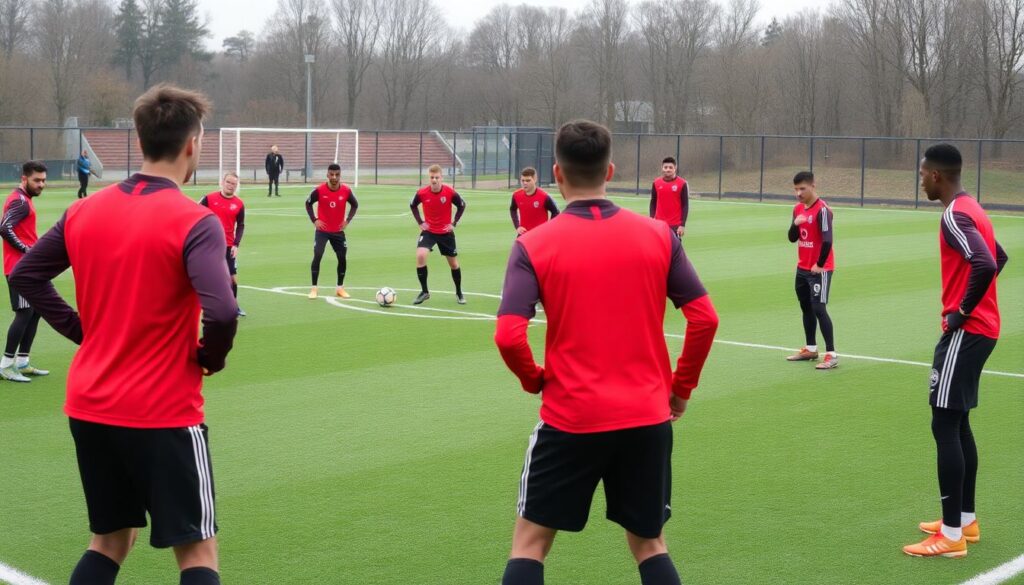
At professional level, set-pieces are heavily planned and trained. Players may adjust details based on the opponent’s marking, but basic zones, runs, and blocking patterns are agreed beforehand. Consistent repetition in training makes timing and coordination look natural during matches.
How does the youth pipeline practically influence a first-team coach’s choices?
If the academy supplies many players of one profile-such as creative number tens-the first-team coach is more likely to use systems that include that role. This reduces transfer costs, keeps a consistent style, and creates clearer development pathways for young players.
Can understanding tactics improve my matchday experience in Turkey?
Yes. Whether you choose turkish super lig tickets in a tactical stand, use super lig live streaming at home, or enjoy premium super lig hospitality packages, knowing basic tactical ideas helps you anticipate patterns, read coaching decisions, and discuss games with more precision.