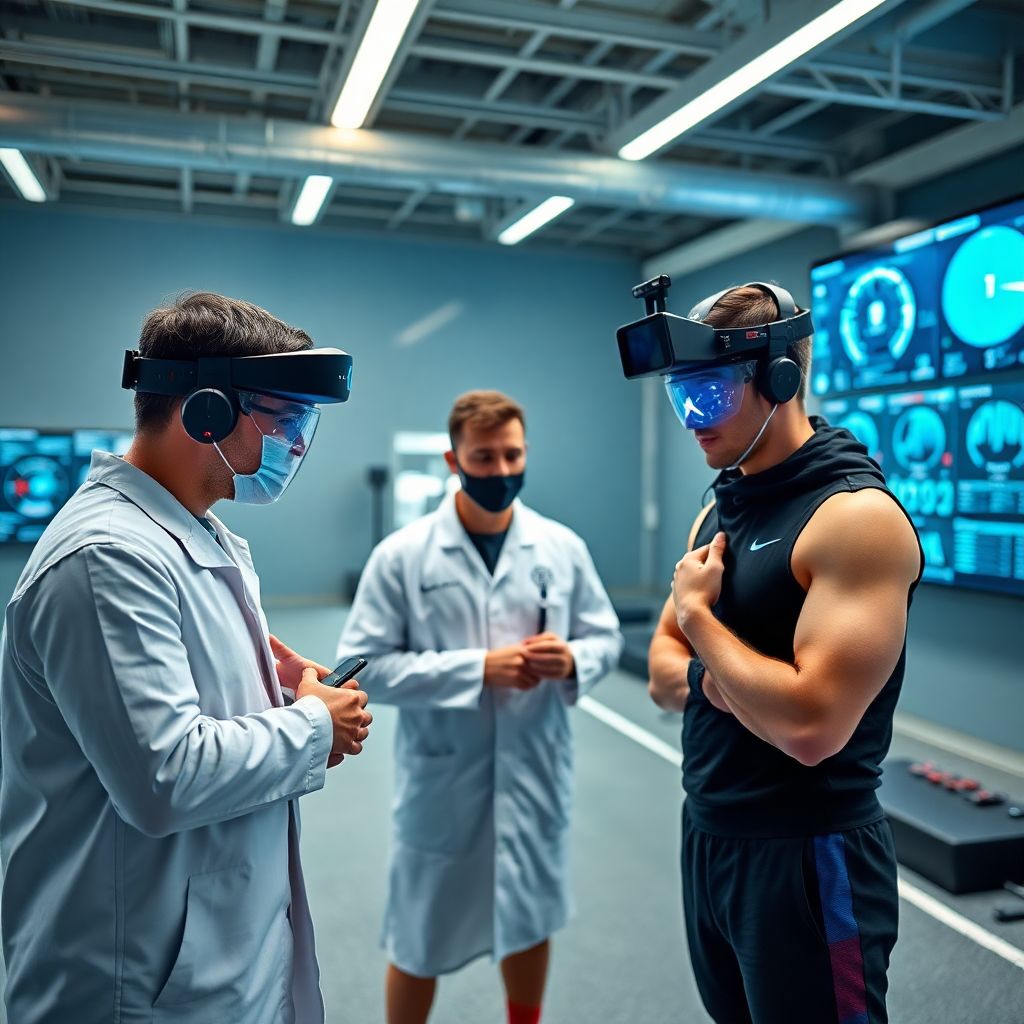
Sports science in Turkey is transforming athletic training by replacing intuition-only coaching with evidence-based planning, technology-supported monitoring, and multidisciplinary support. From youth academies to elite clubs, Turkish practitioners increasingly use physiology, biomechanics, data analysis, nutrition, and recovery strategies to personalize training, reduce injury risk, and systematically improve performance throughout a season.
Evidence snapshot for practitioners
- Sports science is not only for elite European clubs; Turkish amateur and regional teams can apply simplified versions of the same principles.
- Main gains come from better planning and monitoring load, not from expensive gadgets alone.
- Basic field tests plus simple GPS or session-RPE already enable practical weekly decisions.
- Collaboration between coaches, sports physiotherapy and rehabilitation clinics, and nutrition experts is now a competitive advantage.
- Local expertise is growing fast through sports science degree programs in Turkey and applied research in clubs.
- Scaling to grassroots requires clear, low-tech routines coaches can run consistently.
Myths slowing adoption of sports science in Turkey
In the Turkish context, sports science is best understood as a structured way to plan, monitor, and adjust training using biology, physics, and data. It does not replace the coach; it gives the coach clearer signals about when to push, when to hold, and why an athlete is improving or stagnating.
Several myths still slow adoption. The first myth: “Sports science is only for big-budget clubs abroad.” In reality, simple monitoring tools, basic testing, and collaboration with nearby sports physiotherapy and rehabilitation clinics in Turkey are usually enough to see meaningful improvements in performance and injury resilience.
Second myth: “It is all about buying technology.” Wearables, GPS, and apps help, but they are useless without a basic plan: what to measure, how often, and how to change training based on those numbers. A coach with a notebook and clear criteria can often outperform a coach with expensive devices but no framework.
Third myth: “Theory from universities does not work in Turkish leagues.” Many coaches underestimate how closely practical guidelines from sports science degree programs in Turkey already match the realities of congested match schedules, travel, and climate. The key is to translate concepts into simple weekly routines that fit your level, not to copy foreign super-clubs.
Current research trends shaping Turkish training methods
Recent directions in Turkish and international sports science research are increasingly reflected in club practices and in the curricula of the best sports science universities in Turkey. Several trends are especially relevant for coaches and practitioners.
- Load management and congestion: Focus on how many high-intensity efforts players accumulate per week, how that interacts with match congestion, and which simple metrics (e.g., session-RPE, high-speed running distance) give actionable early-warning signs of overload.
- Individual profiling: Emphasis on testing players’ speed, power, endurance, and asymmetries, then tailoring drills. Example: adjusting sprint volumes based on repeated-sprint test results rather than giving every player the same sprint program.
- Small-sided game design: Research on how pitch size, number of players, and rules change physical and tactical demands. Turkish coaches increasingly design games to target specific qualities (e.g., high-speed running vs. accelerations) instead of random “mini matches.”
- Return-to-play decision making: Structured progression from injury to full training, often coordinated with sports physiotherapy and rehabilitation clinics in Turkey, using objective criteria (strength ratios, hop tests, pain scales) instead of calendar-based decisions.
- Youth development and maturation: Adjusting training for early- and late-maturing players in academies, with more focus on movement competency and long-term robustness, not only short-term match results.
- Women’s sport-specific demands: Recognizing different injury patterns, hormonal cycles, and competition structures in women’s leagues, and adapting conditioning, scheduling, and monitoring accordingly.
How physiology and biomechanics are changing preparation
Physiology and biomechanics translate into daily training decisions that Turkish coaches can use immediately. Below are typical scenarios that show how this knowledge reshapes preparation without needing a research lab.
Scenario 1: In-season conditioning without excess fatigue. Using basic physiology, a second-division football coach identifies that players lack repeat sprint ability late in matches. Instead of generic “extra running,” the staff adds two short high-intensity interval blocks per week, monitored by perceived effort, carefully placed 72 and 48 hours before matchday to avoid heavy leg fatigue.
Scenario 2: Biomechanics in sprint technique. A track coach notices one sprinter overstrides and brakes heavily with each step. By filming from the side and doing simple angle analysis with a smartphone, the coach adjusts posture and step frequency. This low-cost biomechanical intervention improves efficiency more than adding extra volume.
Scenario 3: Change of direction and ACL risk. In a women’s basketball team, the strength coach screens basic jump-landing mechanics. Players with knee valgus receive targeted strength work (glutes, hamstrings) and technique drills. Collaboration with a nearby clinic ensures high-risk athletes also receive professional input before preseason.
Scenario 4: Energy systems for combat sports. In a wrestling club, understanding specific work-to-rest ratios of matches helps design interval circuits that mimic competition demands. Instead of random “hard rounds,” the coach uses periods that match typical Turkish competition patterns, followed by specific recovery intervals to target aerobic and anaerobic systems precisely.
Technology adoption: wearables, GPS, and monitoring systems
Technology can greatly support Turkish practitioners when adopted with clear purpose. The goal is to collect just enough data to guide decisions, not to drown staff in dashboards. Below are practical benefits and realistic constraints that clubs at different levels should consider.
Practical benefits for different environments
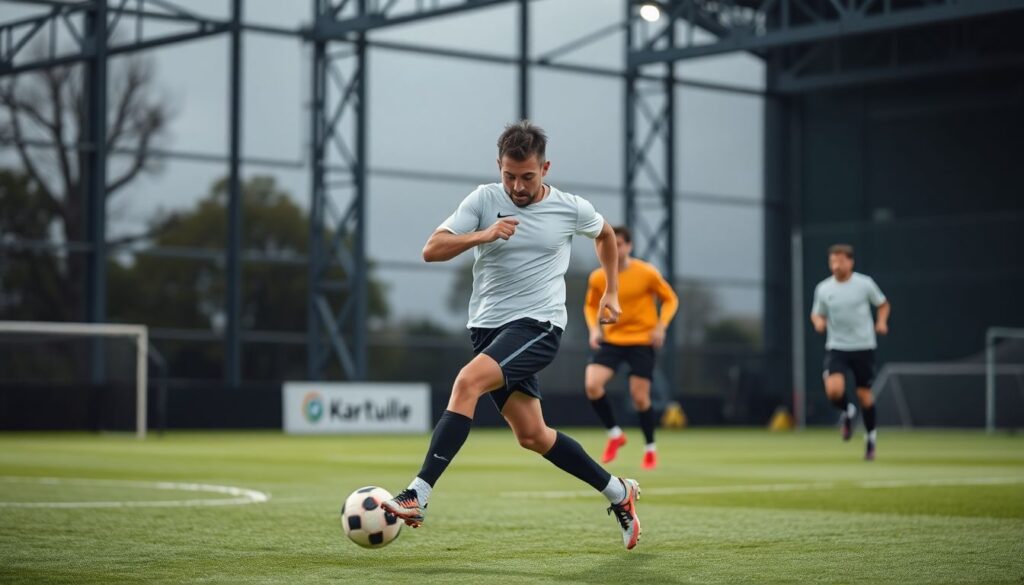
- Quantifying running and sprint loads: GPS or local tracking shows high-speed distance, accelerations, and total volume, helping staff adjust training in congested fixture periods.
- Daily wellness monitoring: Short subjective questionnaires (sleep quality, muscle soreness, mood) give early signals of fatigue when combined with performance data.
- Simple heart rate monitoring: Entry-level systems help assess aerobic session intensity and verify whether recovery runs are really easy and interval sessions are hard enough.
- Use case – regional team: A third-league club uses one shared GPS unit on different players across several sessions to at least get reference values for match demands, then sets target volumes for training based on those values.
- Use case – performance center: Athlete performance training centers in Turkey often combine force platforms, timing gates, and GPS to create individualized speed and power programs that clubs alone could not design.
Common limitations and practical workarounds
- Budget constraints: Many Turkish teams cannot afford full systems. Workaround: use low-cost GPS, smartphone timing, and consistent manual recording of volumes and intensities.
- Staff capacity: Devices are often bought without someone responsible for data analysis. Workaround: limit metrics to a small “core set” linked to clear decisions (e.g., if high-speed distance this week > reference, reduce sprinting next week).
- Player compliance: Athletes may resist wearing devices or filling wellness forms. Workaround: explain benefits in simple language and share basic feedback with players so they see personal gains.
- Data without action: Collecting metrics that never influence training wastes time. Workaround: for every metric, define “If X happens, we do Y” before starting the season.
Integrating nutrition, recovery and load management in clubs
Nutrition and recovery are where many Turkish teams still lose easy performance gains. Several persistent mistakes and myths reduce the impact of good training, even when strength and conditioning programs are well designed.
- Myth: “Healthy eating is enough for athletes.” General healthy eating is not the same as sports nutrition. Athletes often underfuel around matches and heavy sessions. Partnering with sports nutritionist services for athletes in Turkey helps structure pre-match meals, in-game fueling, and post-match recovery for domestic tastes and schedules.
- Myth: “More training always beats more recovery.” Adding extra sessions when performance drops is common, but fatigue-related underperformance often needs better sleep, hydration, and load adjustments. Simple rules about evening screen time, caffeine, and post-match routines can be as impactful as another gym session.
- Error: Ignoring individual digestive tolerance. Copying foreign meal plans without considering local foods and players’ digestion leads to stomach issues on matchday. Coaches should co-design menus with players and nutritionists using familiar Turkish foods that meet carbohydrate and protein needs.
- Error: Inconsistent hydration habits. Many teams emphasize hydration only in hot summer camps. Year-round routines (before, during, after training) are needed, supported by education about color of urine and simple individualized fluid plans.
- Myth: “Only star players need personalized recovery.” Reserve and youth players often have demanding schedules (matches plus school or work). Consistent, basic recovery habits for the entire squad prevent burnout and support development of future first-team athletes.
Scaling sports science from elite teams to grassroots
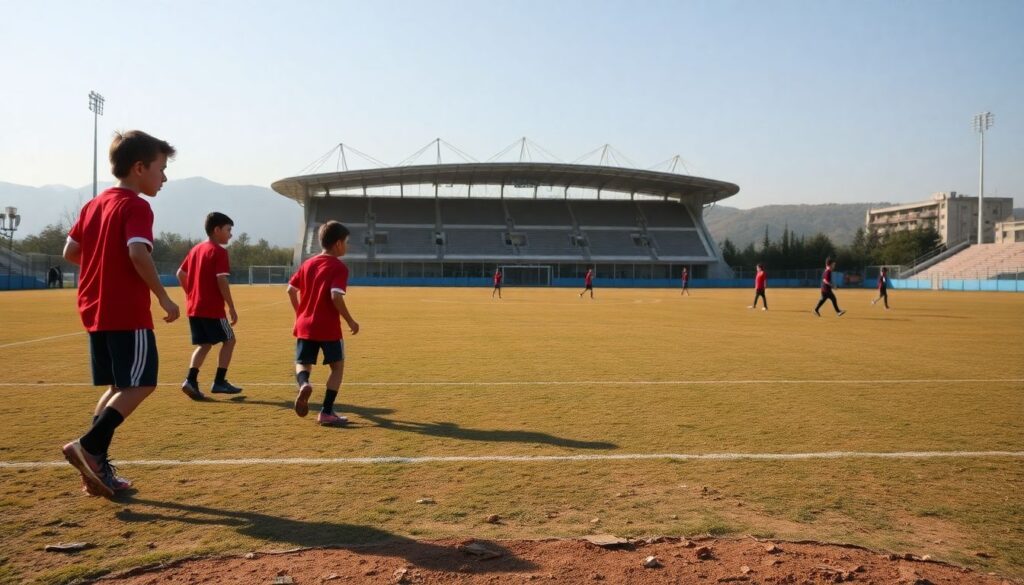
Elite Turkish clubs often have full-time sports scientists, access to sports physiotherapy and rehabilitation clinics in Turkey, and regular cooperation with the best sports science universities in Turkey. Grassroots teams and schools rarely have such resources, but they can still apply the same principles in a simplified way.
Mini-scenario: From elite standard to youth academy routine. Imagine an elite club’s weekly structure includes GPS-based load tracking, individualized gym work, and daily wellness surveys. A small academy in Anatolia cannot copy this fully, but it can implement a “paper version” of the same logic:
- Define simple weekly goals: One hard, one moderate, and one light football session, plus one strength or movement session.
- Use basic monitoring: After each session, players rate how hard it felt (1-10). The coach writes the average on a board and keeps a simple notebook.
- Adjust based on patterns: If three sessions in a row are rated very hard, reduce volume in the next one and add more technical, low-fatigue drills.
- Borrow expertise smartly: Once per month, the academy invites a local graduate from sports science degree programs in Turkey to run testing or education workshops, or collaborates remotely with staff of athlete performance training centers in Turkey for program design.
- Review every month: The coach and players review injury patterns, match performance, and school-life balance, then tweak the plan, building a simple, sustainable sports science culture.
Practitioners’ quick clarifications
Do I need advanced technology to apply sports science in my Turkish club?
No. Start with clear weekly planning, simple field tests, and basic tracking of training load and wellness. Add technology only when you have staff capacity and clear questions that data can answer.
How can small clubs access expert support without full-time staff?
Partner with local universities, independent sports scientists, or athlete performance training centers in Turkey. Periodic testing days, remote consultations, and workshops already provide valuable guidance at low cost.
Are sports science concepts from abroad directly applicable to Turkish leagues?
Most principles are universal, but you must adapt them to local match schedules, travel demands, climate, and player lifestyle. Use research as a framework, then adjust volumes and logistics to your reality.
What is the first monitoring habit I should introduce?
Implement a simple session-RPE system: after each training or match, athletes rate perceived effort from 1 to 10. Multiply by session duration to estimate load, and use it to balance hard and easy days.
How do I involve medical and physiotherapy services effectively?
Establish clear communication between coaches and staff at sports physiotherapy and rehabilitation clinics in Turkey. Share training plans, return-to-play criteria, and timelines so everyone works toward the same performance and health goals.
When should I bring in a sports nutritionist for my team?
Involve sports nutritionist services for athletes in Turkey as early as possible, especially before long tournaments, pre-season, or when players show repeated fatigue or body composition issues. Even a few structured sessions can improve routines significantly.