
Why Turkish tennis pros matter more than ever
When people talk about rising nations in tennis, Turkey rarely tops the list, yet the best Turkish tennis players on tour quietly dismantle that stereotype week after week. Their stories are less оverhyped, more about persistence: grinding through ITF events, long travel, modest budgets, and still sneaking into bigger draws. From an analytical point of view, this makes Turkey a fascinating “case lab” for how players from non‑traditional tennis countries break through. If you’re a junior or coach, watching these careers closely is like getting a free masterclass in turning structural disadvantages into competitive edges.
Context and rankings: reading between the lines
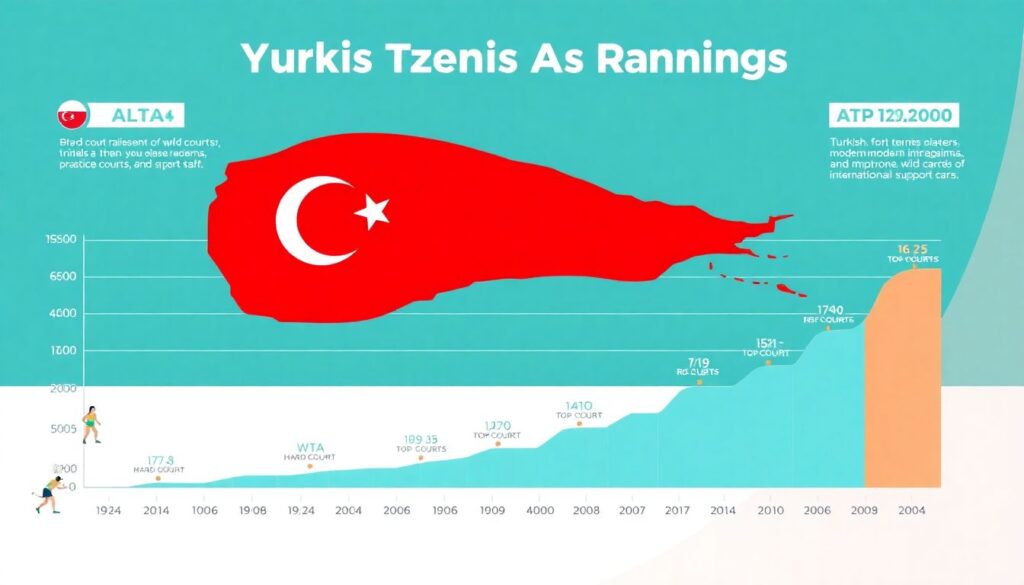
Look at Turkish tennis players WTA ATP rankings over the last decade, and you’ll see a pattern: not a flood of top‑50 names, but a steady trickle into top‑100 and top‑200, especially on hard courts and clay. Experts note that this progression mirrors improvements in domestic infrastructure, wild cards in Istanbul events, and smarter scheduling. Instead of chasing glamour tournaments, Turkish pros often pick circuits where surfaces, travel, and entry lists maximize points. For ambitious players, the lesson is clear: rankings are not just about talent; they’re an optimization problem in calendar design, surface choice, and physical peaking.
Cagla Buyukakcay: pioneer under pressure
Any serious analysis of modern Turkish women’s tennis starts with Cagla Buyukakcay profile and playing style. She isn’t the heaviest hitter on tour, but she built her career on smart shot selection, early ball timing, and relentless court coverage. Her historic WTA title in Istanbul wasn’t a fairy tale; it was the logical outcome of years of playing home events, understanding local conditions, and managing pressure as a national trailblazer. Sports psychologists in Turkey often cite her mental routine—short, repeatable breathing patterns between points and clear tactical mini‑goals—as a template for young players learning to compete with a target on their back.
What we can learn from Cagla’s game
Coaches who studied her matches talk about a “resourceful baseline model”: moderate aggression, protected backhand, and frequent use of angles to drag opponents off the court. She turns defense into offense not by miracle shots, but by consistently neutralizing pace and waiting for predictable patterns to attack. Expert recommendation: juniors from smaller federations should copy this principle, not her exact technique. Build a game that multiplies your existing strengths and solves your most common problems, instead of chasing a generic “modern power tennis” ideal. In practice, that means tracking match data, spotting recurring losing patterns, then designing drills that directly disrupt those patterns.
Ipek Oz: the numbers behind the rise

If Cagla is the pioneer, Ipek Oz symbolizes the data‑driven next wave. Look at Ipek Oz Turkish WTA player stats and a few things jump out: solid first‑serve percentage, improving return games on slower courts, and better tiebreak records season by season. Analysts inside the Turkish federation highlight one key factor: she and her team embraced video tagging early, coding patterns like return depth, rally length, and serve locations. That’s not common in mid‑ranking WTA circles. For young players, the message is simple: you can’t fix what you don’t measure. Even basic spreadsheets of errors, serve directions, and score contexts can upgrade your training focus dramatically.
Expert advice for developing Turkish-style resilience
Sports scientists working with these athletes repeat the same core advice: build resilience like a skill, not a personality trait. One national‑team coach recommends a “stress ladder” in training—start with easy drills, then add layers of pressure: scoreboard simulations, fitness penalties for missed targets, and noisy environments. Turkish pros often grow up competing in windy outdoor conditions and busy clubs, which indirectly trains adaptability. Replicating that, wherever you live, is free. Intentionally vary courts, balls, and schedules; simulate travel fatigue with back‑to‑back practice matches. Over time, this variability becomes a competitive weapon, especially in qualifying draws where conditions are rarely perfect.
ATP trailblazers: carving space in a crowded field
On the men’s side, Turkish ATP tennis players career highlights might seem modest compared with giants from Spain or the US, but the trajectory is instructive. Names like Marsel Ilhan, Cem Ilkel, and Altug Celikbilek have all nudged into the top 200, picking off wins against higher‑ranked opponents by exploiting specific strengths—flat groundstrokes on fast courts, aggressive returns indoors, or heavy topspin on clay. Analysts point out that their schedules tend to target geographic clusters of tournaments to reduce travel fatigue and maintain form. For developing pros, that’s a crucial strategic takeaway: protecting physical and mental energy is as important as “playing bigger” events.
Case studies: small projects with big impact
Behind these careers stand under‑the‑radar projects that changed the local ecosystem. One Istanbul academy built a simple internal “pro circuit”: weekly money tournaments with match analytics, open to juniors and futures‑level pros. Over time, this micro‑tour sharpened competitive instincts far better than isolated lessons. Another initiative paired young coaches with traveling pros, so tactical insights from the tour flowed straight back into junior training plans. Experts say these bottom‑up systems matter more than one flashy national center. If you’re in a developing tennis country, copying these models—local prize money events, data‑sharing circles, shared travel logistics—can accelerate progress without massive budgets.
Training recommendations: from theory to daily habits
Looking at the best Turkish tennis players on tour, one recurrent theme is smart, constraint‑based practice. Fitness coaches advise structuring drills around specific match scenarios: defending wide, then immediately transitioning forward, or serving under fatigue after long rallies. Instead of endless cross‑court hitting, they prescribe targeted, time‑limited “pressure blocks” that mimic tour rhythm. Another recommendation: invest more in serve plus first shot patterns, because indoors and at altitude, those two strokes decide most points. For players without access to top facilities, focus on quality over luxury—clear session goals, honest video review, and a small circle of training partners who push you tactically, not just physically.
Resources and next steps for ambitious players
If you’re inspired by these stories, start by building your own knowledge stack. Use WTA and ATP match archives to study Turkish tennis players WTA ATP rankings over time, pausing to watch key matches from Istanbul and challenger events where they scored breakthroughs. Combine that with online resources: ITF coaching courses, sports science podcasts, and simple tracking apps for sleep, soreness, and workload. Several Turkish coaches share match‑play breakdowns on social platforms—study how they talk about patterns, not just technique. Ultimately, the path those pros walked is replicable: clear game identity, data‑driven practice, gritty scheduling choices, and an obsession with learning from every single match.