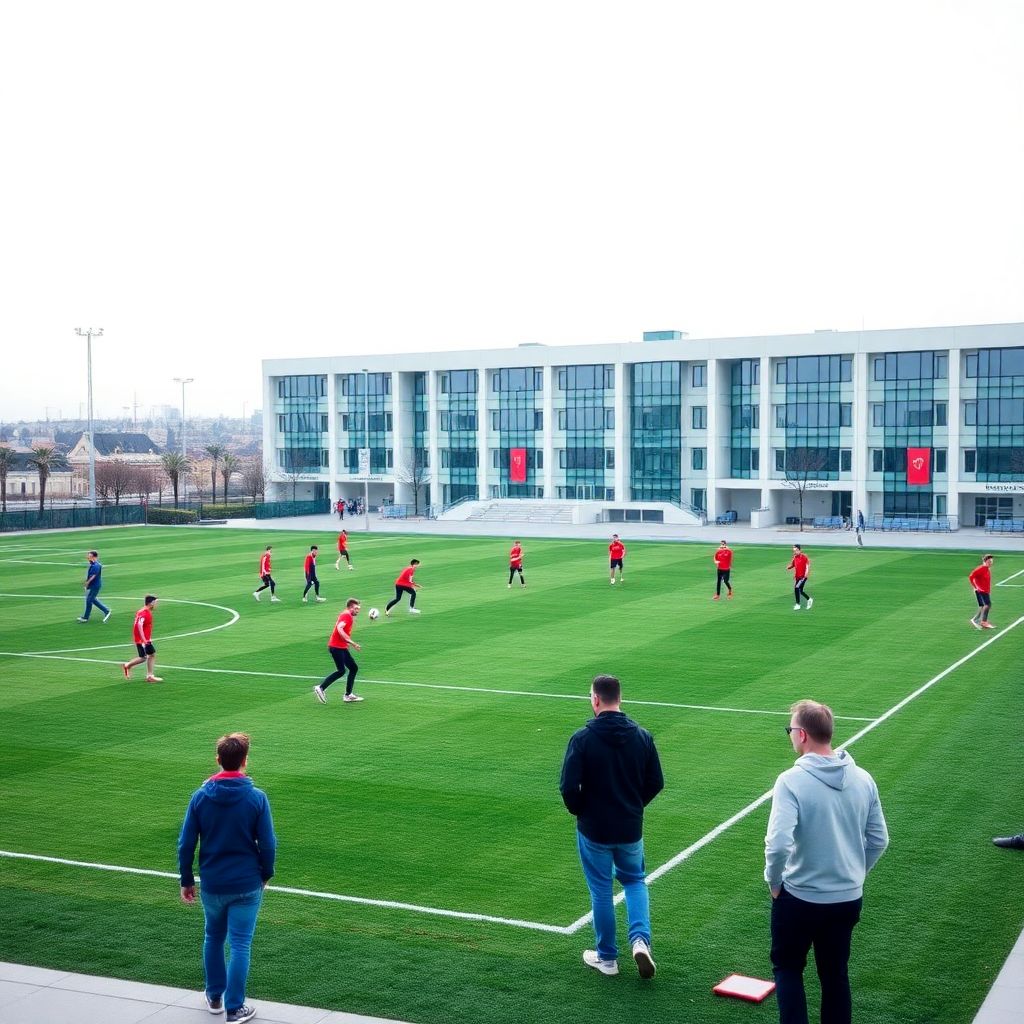
University sports in Turkey act as a bridge between youth systems and professional clubs by offering structured training, education and competition on the same campus. When universities coordinate scouting, academic support and sports science, they can reliably supply the next generation of athletes for clubs and national teams while reducing burnout and dropout.
Core roles of university sports in shaping Turkey’s athletic pipeline
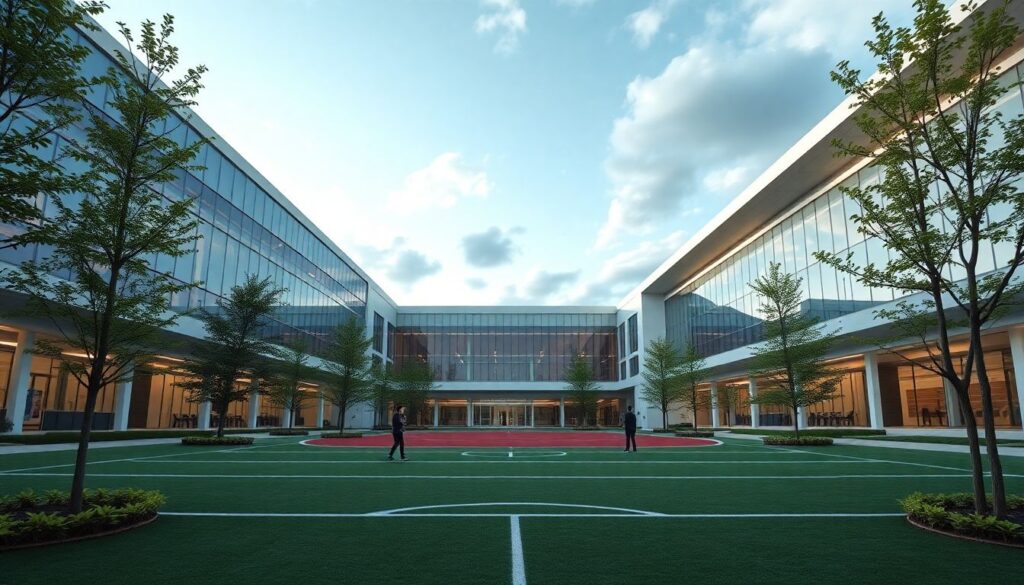
- Provide a second talent filter after high school and club academies, catching late-developing athletes.
- Offer dual-career pathways so athletes combine degrees with high-performance sport.
- Create stable training and competition environments with medical and sports science support.
- Act as regional hubs that link local clubs, federations and national teams.
- Attract foreign talent through sports scholarships in Turkey for international students, raising competition level.
- Serve as testing grounds for new coaching methods and technologies before they move to pro clubs.
Evolution of university sports in Turkey and its impact on national talent pools
In Turkey, university sports moved from a purely recreational activity to a strategic tool for talent development. Today, many campuses host performance-oriented programs that mirror professional club structures, especially in football, basketball, volleyball, athletics, combat sports and swimming.
This shift changed how national talent pools are formed. Instead of relying only on club academies and municipal sports schools, federations and scouts now see universities as a second chance for athletes who mature later, change positions, or recover from early injuries. The Turkey university sports programs for professional athlete development that are best integrated with local clubs and federations already function as semi-professional environments.
The best universities in Turkey for student athletes typically offer three interconnected pillars: competitive leagues and tournaments, professional coaching with clear periodisation, and access to facilities, sports medicine and academic flexibility. When one of these pillars is weak, talented students either underperform or abandon high-level sport, which directly shrinks the pool of candidates for professional contracts and national team selection.
For international recruitment, sports scholarships in Turkey for international students add diversity and tactical variety to university teams. Foreign athletes raise training intensity and often bring different school systems of play, which helps Turkish athletes adapt faster to international standards and styles.
Systems for scouting and recruiting student-athletes within Turkish campuses
Effective scouting and recruiting in Turkish universities follows a deliberate, repeatable process rather than informal, coach-only decisions. A simple, practical framework might include the following elements.
- Structured cooperation with clubs and high schools. Universities sign cooperation protocols with local clubs and sports high schools, receive regular player lists, and attend youth competitions with clear evaluation criteria instead of relying only on word-of-mouth recommendations.
- Transparent scholarship pathways. Clear information on how to apply for athletic scholarship Turkey university programs, including performance criteria, academic thresholds and deadlines, reduces missed opportunities and builds trust among families and coaches.
- Objective testing during entrance periods. In addition to video analysis and coach reports, standardized fitness tests and position-specific skill tests during entrance exams provide comparable data for decisions and help justify offers to athletes and parents.
- On-campus talent identification. Many athletes arrive as ordinary students. Regular intramural tournaments, open trials and fitness screenings help coaching staff discover hidden talent already on campus, especially in less popular sports.
- Data sharing across departments. Sports directors, academic advisors and health services share basic performance and injury data so recruitment decisions consider both athletic potential and long-term study success, reducing dropout risk.
- International outreach. To complement local scouting, top Turkish universities with elite sports facilities promote their teams and scholarships through international tournaments, digital campaigns and partnerships with foreign high schools.
- Annual review of recruitment outcomes. Each season, staff analyse which recruits met expectations, which did not, and why, then adjust criteria, target regions and communication strategies accordingly.
Balancing academic obligations with elite training: policies and best practices
Balancing studies and high-level sport is where many Turkish university programs fail, even at some of the best universities in Turkey for student athletes. Without clear rules and systems, athletes face constant conflicts between exams, travel, training camps and recovery.
Typical application scenarios and policies that work in Turkey include:
- Flexible exam and attendance policies for national-level athletes. Athletes representing the university, federation or national team get the right to sit make-up exams after tournaments, have online alternatives for some coursework, and access academic mentoring to close gaps quickly.
- Blocked training windows in the timetable. Study programs for sports scholarship holders are designed so that core training times remain free. For example, heavy practical labs are not scheduled in the morning after evening matches.
- Individual study plans for peak competition seasons. Before peak competition periods, academic advisors and coaches adjust course loads, postpone non-essential electives and create custom study schedules aligned with training cycles.
- Prioritisation rules when conflicts happen. Written rules specify when sport takes priority and when academics must come first. This prevents last-minute negotiations and reduces stress for both faculty and athletes.
- Monitoring of early warning signs. Universities track missed classes, falling grades, frequent injuries and sleep problems as signals that the dual-career balance is breaking. Intervention might include time-management coaching or a temporary reduction in training volume.
- Exit and re-entry options. For athletes who sign professional contracts mid-degree, clear procedures allow them to pause studies and return later without losing credits, encouraging them to complete their education.
Concrete mini-scenarios from Turkish university practice
Scenario 1: A women’s basketball player at a major Istanbul university must choose between a national league away game and a midterm. Clear dual-career rules allow her to play the game, then sit a scheduled make-up exam within a week, reducing stress and protecting both her GPA and team role.
Scenario 2: A long-distance runner in Ankara prepares for a major international university championship. The department temporarily reduces his course load, shifts heavy lab work to the next semester and assigns a study mentor. His performance improves, and he avoids the common mistake of sacrificing sleep to maintain a full academic schedule during peak competition.
Scenario 3: A foreign swimmer recruited through sports scholarships in Turkey for international students arrives with limited Turkish language skills. The university provides language support, schedules classes with more English-taught content and coordinates training hours with the language centre, preventing burnout and early dropout.
Integrating coaching expertise, sports science and medical support at universities
When Turkey university sports programs for professional athlete development integrate coaching, sports science and medical care, they can offer a service level close to pro clubs. However, this integration is complex, and common mistakes include fragmented communication, unclear leadership and underuse of available data.
Advantages of integrated performance and medical support
- Coaches, physiotherapists and strength specialists build unified training plans, reducing contradictory advice and overload.
- Injury prevention strategies (screening, warm-up protocols, load monitoring) are applied consistently across teams.
- Return-to-play decisions after injuries use objective criteria and shared documentation, decreasing reinjury risk.
- Sports science staff can test and evaluate athletes regularly, helping identify both high performers and those at risk of overtraining.
- Medical, academic and psychological services coordinate to support athletes after major injuries or selection setbacks.
- Universities can present a professional environment to recruits, strengthening their position against pro clubs when negotiating with top prospects.
Limitations, gaps and frequent implementation errors
- Title without real power for performance director. Universities may appoint a performance director but not give decision-making power or a budget, so integration remains symbolic.
- Over-reliance on one star coach. Programs centred on a single famous coach often ignore medical and scientific input, causing preventable injuries and plateaued performance.
- Isolated departments and poor data sharing. Sports medicine, physiotherapy, psychology and strength & conditioning sometimes operate with separate files and systems, so no one sees the full picture of an athlete’s load and health.
- Insufficient education for athletes. Staff may design excellent programs, but athletes are not taught why changes are made, leading to poor adherence, hidden extra training and nutrition shortcuts.
- Under-resourcing of non-glamour sports. Flagship sports receive full support, while endurance, combat or Paralympic sports receive minimal access to sports science and medical services, wasting potential medal opportunities.
- Lack of simple, shared performance indicators. Without 3-5 shared metrics per sport (e.g., availability, training load, speed tests), discussions remain subjective and political.
Competitive frameworks: university leagues, national championships and international exposure
Competition structures in Turkey strongly influence how well university sports support the national athletic pipeline. University leagues, federation-organised national championships and international university events together create a ladder from campus to elite sport, but several myths and errors limit their effectiveness.
- Myth: More matches automatically mean better development. Overcrowded calendars with frequent low-quality games increase fatigue and injury risk. Carefully designed seasons with enough training and recovery often develop athletes faster than playing every possible tournament.
- Error: Using university leagues as a replacement for pro-level competition. Even the strongest university competitions rarely match top-tier professional intensity. For the most talented athletes, dual registration with clubs or loans to professional teams may be necessary to reach their ceiling.
- Myth: Only flagship sports need international exposure. Sending just football or basketball teams abroad ignores growth potential in athletics, swimming, wrestling or taekwondo, where international experience can accelerate technical and tactical learning at low cost.
- Error: No strategic planning around national championships. Some programs treat national university championships as one-off events rather than key points within a season plan, leading to poor peaking and injuries from late, rushed preparation.
- Myth: International students block local athlete opportunities. In reality, top Turkish universities with elite sports facilities that mix Turkish and foreign athletes usually raise overall standards. The real risk is poor integration, not the presence of international teammates.
- Error: Neglecting media and visibility. Under-promoted competitions fail to attract sponsors, alumni support and new recruits. Simple improvements in streaming, match reports and social media can transform the perceived status of university leagues.
Post-graduation pathways: professional contracts, national team selection and lifelong engagement
University sports must not end when the diploma is issued. The real measure of success is how many graduates either enter professional pathways, contribute to national teams or stay connected to sport as coaches, officials, investors and informed fans.
Common mistakes include treating career planning as the athlete’s private problem, failing to track alumni and not building formal bridges to clubs and federations. Quick prevention steps are low-cost and highly effective: structured mentoring, transparent showcases and systematic alumni networking.
Mini-case: A dual-career pathway from campus to professional league
Imagine a volleyball player at one of the best universities in Turkey for student athletes, with strong ties to a top national club:
- Years 1-2: Foundation. She joins the university team after open trials, benefits from integrated medical and sports science support, and receives a partial scholarship. Coaches regularly share data with a partner club.
- Year 3: Exposure and decision point. After a strong season in national university championships, the partner club invites her to train with the senior team twice a week. Academic advisors help lighten her course load and design a three-year graduation plan instead of two.
- Year 4: Transition to professional contract. She signs a professional contract while still enrolled. The university formalises her status as a part-time student, negotiates training and exam schedules, and uses her case to refine policies for future dual-career athletes.
- Post-graduation: Lifelong engagement. After retiring from professional play, she returns as a part-time coach, contributes to talent ID events and supports new students preparing to apply for athletic scholarship Turkey university programs.
This simple pathway shows how Turkey university sports programs for professional athlete development can create repeatable models, not one-time success stories, when coaching, administration and academic leadership work together.
Practical questions and targeted solutions for program designers and athletes
How can a Turkish university quickly reduce athlete burnout during exam periods?

Introduce fixed exam-protection weeks in the training calendar, reduce high-intensity sessions before major exams and coordinate mandatory study halls for scholarship athletes. Communicate this plan to all coaches and academic departments at the start of each semester to avoid last-minute conflicts.
What is the fastest way to professionalise an existing recreational university team?
First, secure consistent training slots in suitable facilities and appoint a head coach with clear authority. Next, implement basic performance routines: warm-up protocols, simple fitness testing, video review once a week and regular medical screening. Only then invest in extra competitions or international travel.
How should athletes choose between two admission offers from Turkish universities?
Instead of looking only at scholarship size, compare daily training structure, coaching quality, medical support, academic flexibility and real examples of graduates who turned professional. Programs at top Turkish universities with elite sports facilities may be more valuable than slightly larger financial offers elsewhere.
What quick safeguards prevent abuse of sports scholarships in Turkey for international students?
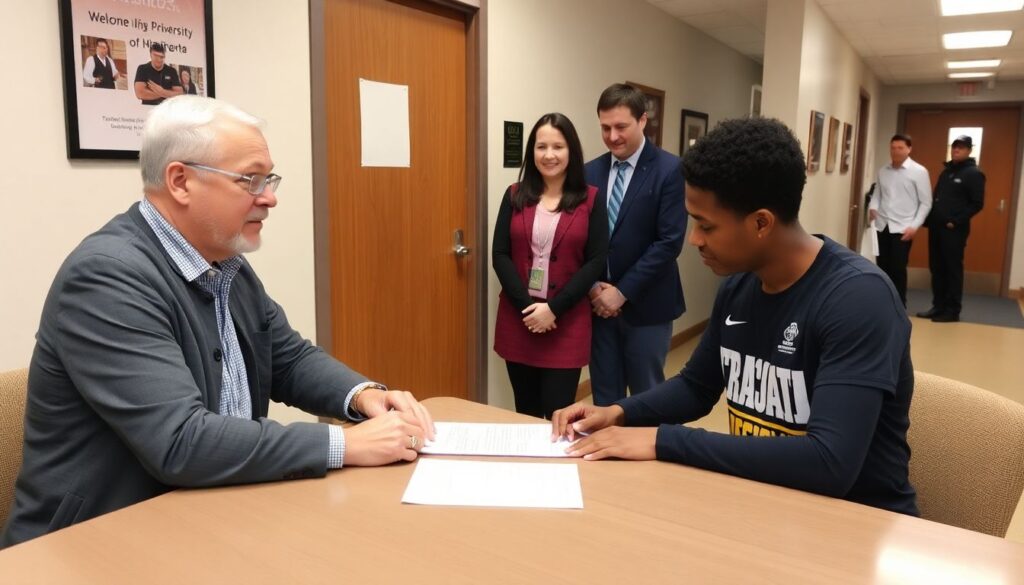
Use written scholarship contracts that specify both performance and academic expectations, provide at least one neutral contact outside the coaching staff for complaints, and schedule regular check-ins with international office staff to detect problems early.
How can a small regional university in Turkey still support professional athlete development?
Focus on one or two sports with local strength, build formal partnerships with nearby clubs and federations, and create simple dual-career policies. Even without large budgets, disciplined planning and smart cooperation can turn a regional campus into a respected development hub.
Which mistakes most often block national team selection for university athletes?
Typical blockers are poor communication with federations, lack of video and data for selectors, and inconsistent performance in key competitions. Assigning a staff member to manage federation relations and athlete profiles can dramatically improve visibility and selection chances.
How can program designers measure if their university truly feeds the national talent pipeline?
Track clear indicators: number of athletes in professional teams, national team call-ups, medals in national university championships, academic graduation rates of scholarship athletes and the percentage of alumni staying in sport-related roles. Review these annually and adjust strategy accordingly.