From Streets to Stadiums: Why Turkish Cities Shape the Way Football Is Played and Lived
Urban life as the “12th man” in Turkish football
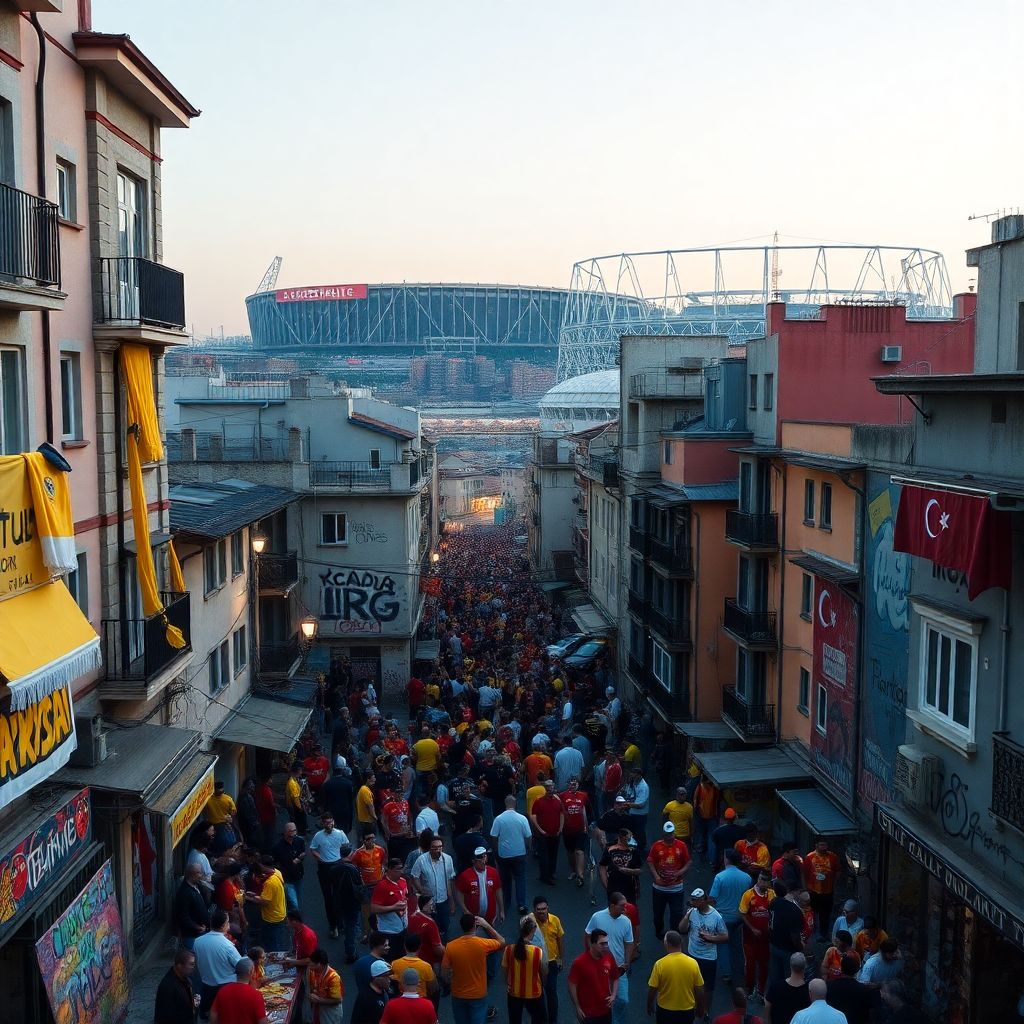
Walk through Istanbul on a matchday and you understand Turkish football before you ever see a ball kicked. Shop shutters are painted in club colors, street vendors sell knock‑off scarves next to fresh simit, and taxi drivers break down last night’s offside decisions like professional pundits.
In Turkey, football is not just a sport layered on top of city life; it grows out of the streets themselves. Urban culture – traffic, architecture, informal economies, even graffiti – directly shapes how fans support clubs, how clubs make money, and how the whole ecosystem evolves.
—
From neighborhood pitches to mega‑derbies
How districts create club identities
Historically, Istanbul’s big three – Galatasaray, Fenerbahçe, Beşiktaş – are basically different “urban personalities” turned into football clubs:
– Galatasaray: rooted in an elite school tradition in the historic core, mixing old‑money prestige with hyper‑emotional ultras.
– Fenerbahçe: the Asian side mindset – proud, sometimes oppositional, bonded by the sea crossing to Kadıköy.
– Beşiktaş: the inner-city, bohemian, politically outspoken vibe, deeply tied to the Beşiktaş district’s cafes, bars and waterfront.
These aren’t marketing myths. They come from concrete urban realities: where people lived, which tram they took to work, which neighborhood cafés showed games. Over decades, fan identities hardened around these daily patterns.
A simple example: until very recently, many Fenerbahçe fans from the city’s Asian side would refuse to cross to the European side on matchdays unless it was for an away derby. “Why would I go there if my life is here?” That’s not just stubbornness; that’s an urban geography shaping football behavior.
Case study: Çarşı – when a supporters’ group becomes a city brand
The Beşiktaş ultras group Çarşı started as a loose collective around the Beşiktaş marketplace in the 1980s. Their slogans and humor came straight from the local street culture: sharp, sarcastic, anti‑authoritarian.
Over time, Çarşı grew into something bigger than a fan group. You now see their logo on walls, bars, and independent clothing brands all over Istanbul. Tourists on a football culture tour Istanbul street art and stadiums route will almost certainly be shown Çarşı murals as part of “authentic Istanbul.”
Here, urban culture didn’t just influence football – football fed back into the city’s visual language and small business scene.
—
Numbers behind the passion: stats that show the city effect
Attendance, density and the “big city bias”
Turkey’s three largest metropolitan areas – Istanbul, Ankara and Izmir – host the biggest clusters of professional clubs and dominate Turkish Super Lig revenues.
Key patterns (rounded, using recent pre‑ and post‑COVID seasons as references):
1. Attendance concentration
– Roughly 45–55% of total Turkish Super Lig match attendance in a given year tends to be in Istanbul stadiums.
– Istanbul’s big clubs can push 40,000–50,000 fans on top fixtures, while many provincial teams struggle to reach 10,000, despite loyal local fanbases.
2. Population vs. participation
– Istanbul’s metro population (~16 million) means even a small percentage of active match‑going fans dominates national figures.
– Ankara and Izmir show a similar, smaller‑scale effect: their clubs may not always be title contenders, but their crowds and TV viewership punch above their sporting weight.
3. TV ratings and urban hours
– Prime‑time matches scheduled around Istanbul’s working hours and traffic patterns drive up national TV ratings; late Sunday and Monday fixtures are tailored to big‑city lifestyles.
The “big city bias” is visible in data: more people, more money, more media. But it’s rooted in how urban residents organize their days – commuting, working late, socializing – and how leagues respond.
—
Street economies around stadiums
On matchday, the area around a stadium in Istanbul, Ankara or Izmir becomes a temporary micro‑economy:
– Informal parking businesses occupy side streets.
– Food carts and tea sellers multiply.
– Street vendors selling scarves, flags and knock‑off kits turn a few crucial hours into a significant part of their monthly income.
In some Istanbul districts, local municipalities have quietly acknowledged that matchdays are essential for neighborhood economies: small eateries report 30–60% revenue jumps on major fixtures, especially during an Istanbul derby.
When demand for football tickets Istanbul derby Galatasaray Fenerbahce peaks, it’s not only the clubs or official ticketing platforms that benefit; side businesses, from printers making banners to minibus drivers shuttling fans, feel it too.
—
Urban culture and the digital layer of fandom
From backstreets to online marketplaces
The old ritual was clear: buy your scarf from a street stall, your ticket from the stadium booth, and your kebab from the corner shop. Today, the same urban fan might be sitting in a café in Kadıköy or Karaköy, scrolling on their phone to buy Turkish football jerseys Galatasaray Fenerbahce Besiktas online while debating line‑ups with friends.
Two things are happening at once:
1. The street culture isn’t disappearing – you still see kids playing in alleys in club shirts.
2. The *transaction* part of fandom is moving to digital spaces, especially in big cities with better connectivity and e‑commerce infrastructure.
Urban digital behavior – heavy smartphone use, aggressive adoption of apps, instant messaging – has turned football into a 24/7 conversation. Club news, transfer rumors and fan chants circulate through the same Telegram and WhatsApp groups where people talk rent prices and public transport.
Case study: Kadıköy cafés as “second stadiums”
On days when Fenerbahçe plays away, many fans don’t go to big sports bars; they choose small local cafés in Kadıköy. These places stream the game on modest TVs, but the atmosphere often mirrors the stadium: synchronized reactions, shouted tactical advice, even improvised chants.
Café owners report that a good away win can double their takings for the night. They tailor menus around matchdays, stock extra beer and tea, sometimes even rearrange tables to maximize view lines. Here, urban hospitality spaces morph into micro‑stadiums, expanding the geographical footprint of the match without increasing official attendance.
—
Ticketing, mobility and the geography of access
How city infrastructure shapes who gets to go
Availability of Turkish Super Lig tickets Istanbul Ankara Izmir is not just about price and demand. It’s also about how people move. In Istanbul, high‑capacity metro lines and bus routes directly affect which fans can realistically attend midweek games.
Consider:
1. Travel time
A fan living in a peripheral district may need 90 minutes each way to reach a stadium. For late kick‑offs, this can mean getting home after midnight, with limited public transport.
2. Electronic ticketing (Passolig)
The shift to digital tickets and ID‑linked systems favored urban, digitally literate fans with bank accounts and smartphones. This unintentionally filtered match‑going crowds towards more connected and often slightly wealthier segments of city populations.
3. Security zones
Urban policing strategies – closed streets, barricades, away‑fan routes – alter how entire neighborhoods function on matchdays. For residents and businesses, a home game can be both a blessing (more customers) and a curse (congestion, noise).
In Ankara, where stadiums are typically easier to reach by car and traffic intensity is lower than in Istanbul, family attendance is statistically more common for certain fixtures. Izmir, with its coastal boulevards and walkable districts, sees a more “casual” matchday crowd that blends fans and tourists.
—
Economic dimensions: football as an urban industry
Direct revenue in cities
In Turkey’s major cities, football is a fully‑fledged industry:
– Matchday revenue: tickets, VIP hospitality, parking.
– Non‑matchday revenue: stadium tours, museum tickets, corporate events.
– Merchandise: from official club shops to small, semi‑legal vendors.
Big clubs in Istanbul derive a substantial portion of revenue from urban markets – corporate sponsors, high‑income fans, and tourism. Some industry estimates suggest that for top clubs, over 60% of commercial revenue is directly tied to metropolitan consumers and companies.
Indirect and spillover effects
Urban football doesn’t stop at club accounts:
– Hotels and Airbnbs fill up around high‑profile games, especially when international visitors arrive.
– Urban transport providers, from metro systems to ride‑hailing apps, see measurable spikes in usage during match windows.
– Local government uses stadiums and club icons in city branding campaigns, indirectly monetizing football’s emotional pull.
An Istanbul city planner once summarized it bluntly in a workshop: “When 50,000 people move in one direction at the same time, you either plan for it or you get chaos.” That planning – roads, security, communication – costs money, but also keeps the football economy viable.
—
Tourism: football as a gateway to Turkish cities
From away fans to football tourists
Visitors who come specifically to see football are a growing segment in Istanbul, and to a lesser extent Ankara and Izmir.
Tour agencies now sell football fan experience packages in Turkish cities that combine:
1. Match tickets (or at least sports‑bar viewings if big games are sold out).
2. Guided walks through historic football neighborhoods and fan districts.
3. Street food stops, focused on what locals actually eat on matchday.
4. A stop at a club store or trusted retailer to reduce the risk of buying fakes.
For international visitors trying to navigate football tickets Istanbul derby Galatasaray Fenerbahce matches, the complexity – high demand, language barriers, ID rules – often pushes them towards bundled services rather than DIY solutions. That creates a secondary market of intermediaries and experience designers, rooted in urban know‑how.
Case study: football + street art in Istanbul
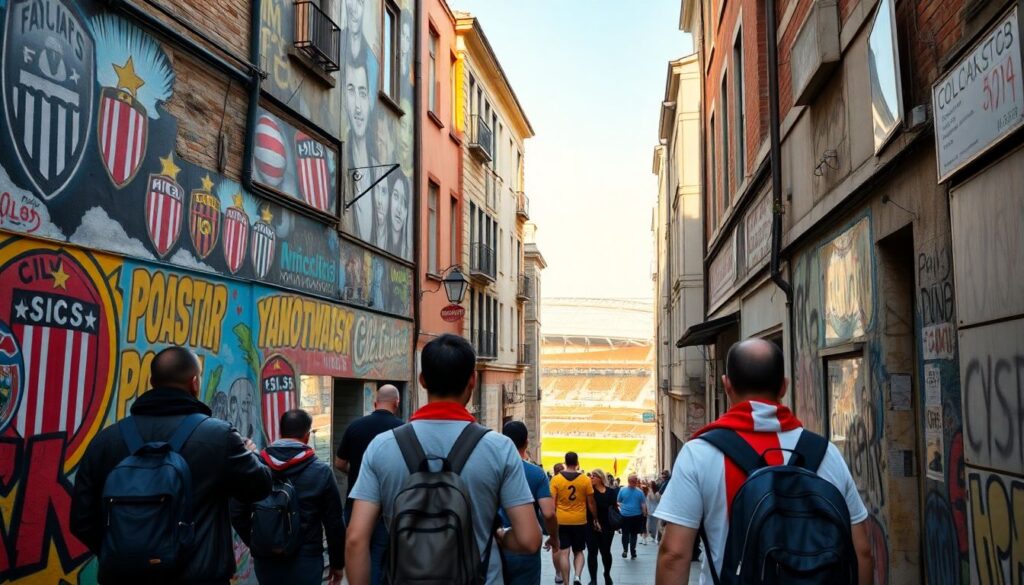
Some specialized operators now offer combined “football & street art” walks. They’ll take tourists through Karaköy, Beşiktaş, or Kadıköy, highlighting murals, graffiti with club symbols, and politically charged fan art, then end the day with a stadium tour or a lower‑profile live match.
In practice, a football culture tour Istanbul street art and stadiums can generate spending across very different urban sectors: cafés, independent galleries, unofficial guides, and finally club museums. It’s a textbook example of how cultural tourism layers onto existing city infrastructure.
—
Forecasts: where is this urban–football ecosystem heading?
Five key trends to watch
1. Smarter stadium districts
New or renovated stadiums in Istanbul and Ankara are increasingly embedded in mixed‑use projects: shopping areas, offices, and residential complexes. Expect matchday patterns – traffic, small business revenue, policing – to become more *predictable* and more heavily commercialized.
2. Data‑driven scheduling and pricing
Clubs and the league are already tracking mobility, weather, and historical attendance to adjust kick‑off times and dynamic ticket pricing. As data quality improves, we’ll likely see more micro‑targeted offers to fill seats on less attractive fixtures.
3. Rising role of women and youth in urban fandom
With better public transport and safer stadium experiences, more women and younger fans are attending matches in Istanbul and Izmir. Their consumption patterns – social media use, merchandise preferences, tolerance for late games – will nudge club strategies.
4. Digital fan zones and hybrid experiences
Expect more “official” fan zones in city squares and malls, with licensed food and merchandise, augmented reality experiences, and live screenings. For some fans, this will partly replace stadium attendance; for others, it’s a stepping stone to becoming season ticket holders.
5. Urban rivalries beyond the Big Three
As cities like Gaziantep, Konya, and Trabzon grow and modernize, local clubs are building stronger brands that compete, at least regionally, with Istanbul giants. The same urbanization dynamics playing out in Istanbul will slowly reshape football culture in these cities too.
—
How industry players are adapting
Clubs, leagues and brands recalibrating to the city
For clubs and sponsors, ignoring urban realities is no longer an option. They’re responding in several ways:
1. Location‑based marketing
Ads change by district: a banner in a conservative outer suburb will not look like one in a hip central neighborhood. Clubs tailor messages to match local street culture.
2. Localized merchandise and pop‑ups
Short‑term pop‑up stores in malls and high‑footfall pedestrian areas of Istanbul, Ankara and Izmir capture impulse buyers who may never visit the main club shop or stadium.
3. Partnerships with local businesses
Cafés, barbershops, and mini‑markets are used as informal distribution or promo points for small merchandise, flyers, or QR codes linking to digital campaigns.
Urban life is effectively a marketing channel – but one that you can’t fully control, only influence.
—
Real‑world clashes and synergies: three quick vignettes
1. Gentrification vs. grassroots fandom in Beşiktaş
As parts of Beşiktaş gentrified, old fan bars gave way to upscale venues. Some long‑time supporters complained that matchday atmosphere weakened and prices shot up. In response, a few newer bars began to consciously brand themselves as “Çarşı‑friendly,” using old photos, cheaper drink options, and matchday discounts to reconnect with the original crowd. Urban change pushed fandom out – then market pressure partially brought it back.
2. New stadium, new habits in Ankara
When a major Ankara club moved from an older city‑center stadium to a new, more modern but less central ground, early attendance dropped. Fans used to walking or taking a short bus ride now had to plan car trips or longer public transport rides. Only after bus lines were adjusted, shuttle services were launched, and surrounding amenities improved did numbers recover. The key lesson: infrastructure must adapt to fans, not the other way around.
3. Izmir’s casual fan turning into a committed supporter
In Izmir, where the lifestyle is more relaxed and football historically had multiple local clubs sharing attention, one club partnered with seaside cafés to screen games with club branding, giveaways, and occasional player meet‑and‑greets. The result: tourists and casual locals started recognizing players and songs. Over a couple of seasons, club membership numbers and youth academy sign‑ups from nearby districts rose. A soft, lifestyle‑driven integration with city culture created new, long‑term fans.
—
Conclusion: Turkish cities don’t just host football – they co‑author it
Strip Turkish football of its streets, and you lose most of what makes it distinctive. The chants come from local slang, the tifos from neighborhood artists, the rivalries from ferry routes and district borders, the revenue from the daily flows of people through metro stations and marketplaces.
As urbanization deepens and digital culture spreads, the relationship will become more complex – more commercial, more data‑driven, but still rooted in the reality of everyday city life. Whether you’re trying to sell Turkish Super Lig tickets Istanbul Ankara Izmir, design better safety policies, or just understand why a derby can bring a whole metropolis to a halt, the rule is the same: start with the city, then work your way to the stadium.