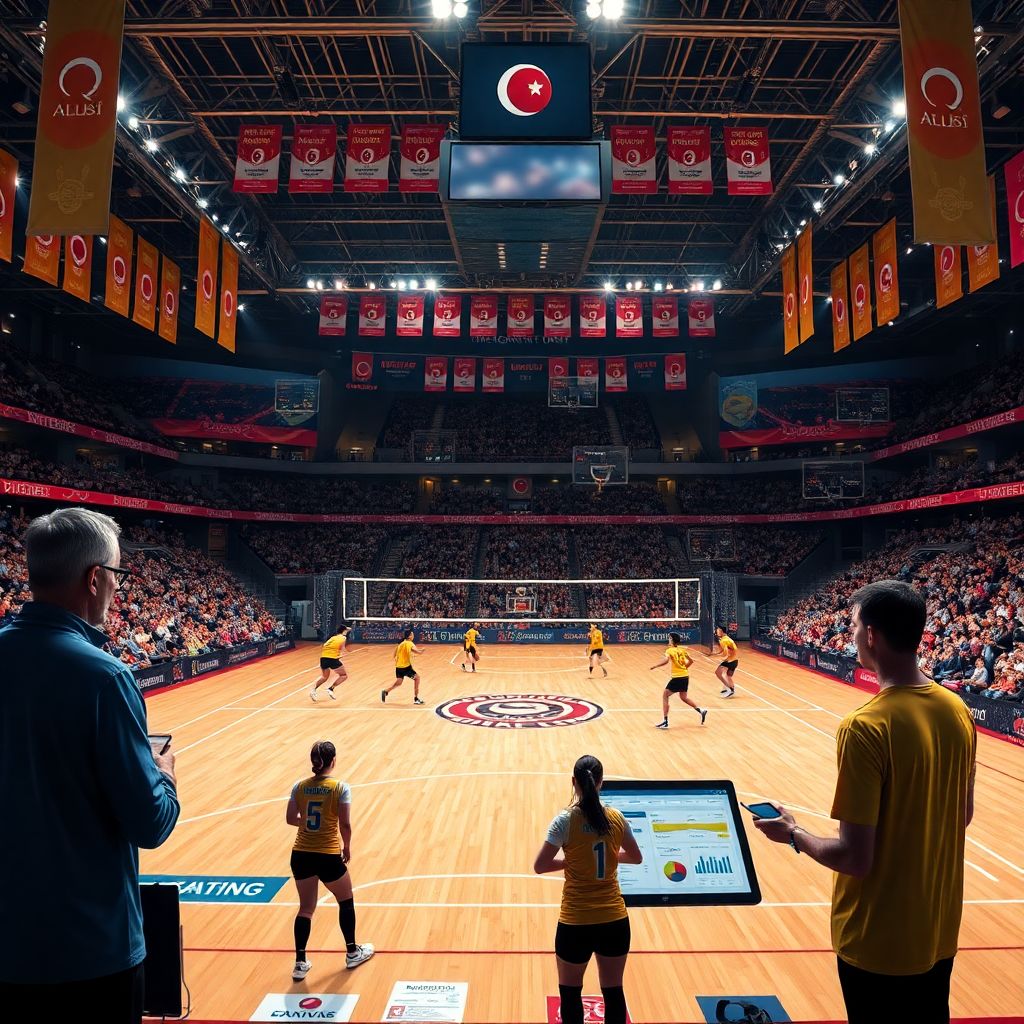
Тalking about Turkish volleyball dominance in Europe isn’t just about trophies; it’s about how deliberately these clubs build and run their systems. They combine aggressive tactics, data‑driven decision‑making and ruthless depth management in a way that a lot of European teams are only starting to copy. If you’re a coach, player or fan trying to decode why they keep winning Champions League medals, you need to look beyond “they have money” and dig into how they train, rotate, scout and even how they use the crowd as a tactical weapon.
—
Why Turkish clubs dictate the tactical meta in Europe
Turkish teams play a very structured, system‑first game. Side‑out efficiency is treated almost like a KPI from finance: every rotation has a pre‑planned primary option, a bailout option and a “panic pattern” for out‑of‑system balls. Instead of relying only on a superstar opposite, they design patterns where pipe attacks, quicks and high balls to the pins are all live options. That balance forces European blockers to guess instead of read, which is exactly what high‑level offense wants to achieve under pressure.
Another big piece is serve and block strategy. Turkish staffs classify opponents’ passers by zones, seams and toss habits, then build serving maps for each rotation. Jump floaters target seams to break tempo, while jump servers hit deep six to push the setter off the net. On the block side, they love commit and read‑block hybrids: against dominant middles they’ll show a commit, but the middle blocker is trained with very specific footwork cues to release wide if the set is off the net. This blend of pre‑planned schemes and real‑time reading makes side‑out for their rivals a constant uphill battle.
—
Inspiring examples from Istanbul powerhouses
Look at the best Turkish women’s volleyball teams in Europe like VakifBank, Eczacıbaşı, Fenerbahçe and Türk Hava Yolları. They’ve built cultures where tactical discipline is non‑negotiable. Take VakifBank: their transition offense is almost a clinic. After block defense, the libero is trained not just to dig, but to dig to specific zones that maximize the chance of a first‑tempo or pipe. That’s why their counter‑attacks look so smooth while other teams are still scrambling just to send the ball over.
Fans feel and amplify this structure. When you buy Turkish volleyball clubs tickets Champions League nights in Istanbul, you’re not just watching stars; you’re watching a rehearsed tactical show performed under insane noise levels. Clubs actually practice with artificial crowd sound and pressure drills, so by the time they play a European semi‑final, the athletes’ decision‑making tree under stress is already automated. That’s a massive competitive edge compared to teams that only “turn it on” for big games without having stress‑tested their systems.
—
Different tactical approaches: Turkish vs the rest of Europe
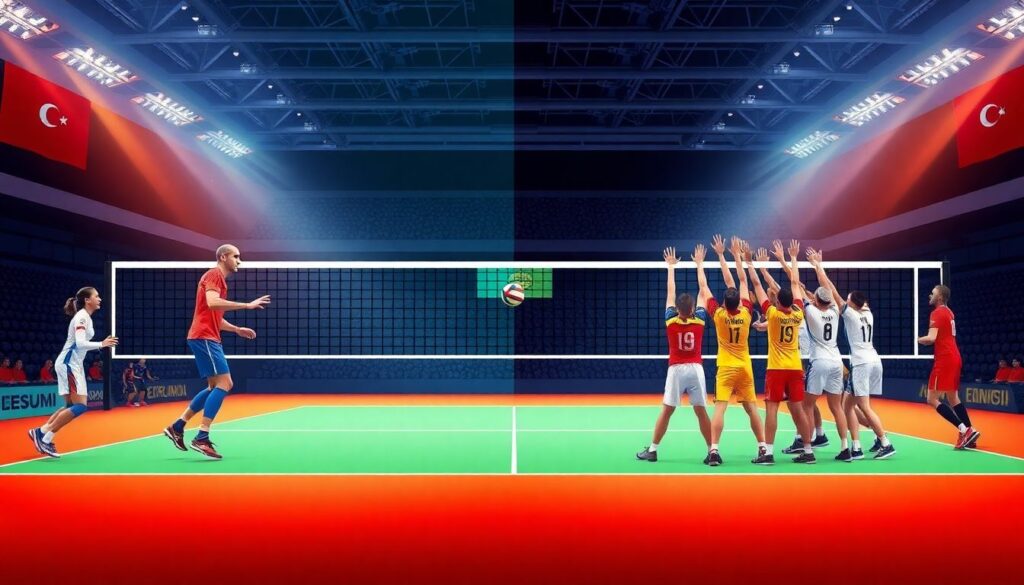
A lot of European clubs still follow a star‑centric model: sign one huge opposite or outside, then funnel 45–50% of balls there in high sets. It works domestically but collapses when facing Turkish blocks that can triple on that one attacker and still recycle balls in coverage. Turkish clubs flipped the model: they invest in multi‑threat line‑ups and train setters to constantly manipulate the block with tempo, angle and mismatch creation, even when the pass is less than ideal.
Another contrast is how they use analytics. Some European teams rely mainly on intuitive coaching: video review, gut feel, a few stats. Turkish powerhouses push further into data. They track micro‑stats like individual hitter efficiency by rotation, seam‑specific passing, and block touch rates. From that, they build game plans: for example, serving short to kill a middle’s approach, or isolating a weaker blocking outside by forcing them into 1‑on‑1s. It’s not that other clubs don’t analyze; it’s that Turkish staffs have turned analytics into a systematic feedback loop between training, selection and match tactics.
—
Recommendations: how other clubs can close the gap
If you want to catch up, copying transfers isn’t enough; you need to copy processes. Turkish clubs design their microcycle around tactical objectives. One practice might focus entirely on first‑ball side‑out under tough serving, another on transition after soft blocks. Instead of generic drills, they run scenario‑based repetitions that mirror Champions League pressure. Smaller European teams can adopt the same approach with youth squads, even without big budgets, by planning sessions around rotations, not just “skills.”
Here’s a compact roadmap that blends their methods into something actionable:
1. Define a clear offensive identity (fast tempo, balanced, or high‑ball) and recruit to it instead of chasing random big names.
2. Install rotation‑specific playbooks so every player knows primary and secondary options in each serve‑receive pattern.
3. Integrate video and stats weekly: review errors not just by player, but by rotation and situation (side‑out, transition, free ball).
4. Simulate crowd and scoreboard pressure in training with punishment/reward systems tied to side‑out and break‑point runs.
5. Exchange knowledge by visiting volleyball training camps in Turkey for foreigners, observing how elite staffs structure drills and feedback.
—
Successful case studies of tactical upgrades

Consider mid‑tier Turkish clubs that rose fast in Europe. Many didn’t outspend Italian or Polish giants; they out‑organized them. They focused on defense‑to‑transition as a “money phase”. Liberos and defensive specialists were recruited for reading skills and floor speed, not just reception. Coaches drilled “dig to kill,” meaning every defensive action had a target to enable first‑tempo or pipe. Within two or three seasons, these teams became nightmare opponents because rallies against them never felt “over” after the first attack.
On the men’s side, clubs like Halkbank and Ziraat Bankkart used smart roster construction plus system play to punch above their weight. Instead of stacking only one superstar, they layered depth: two competent opposites, middles with fast lateral movement, and setters comfortable running spread offenses. That allowed them to maintain high tactical quality even when rotating or dealing with injuries. Other European programs can replicate this by prioritizing redundancy in key roles rather than concentrating all resources in one or two headline names.
—
Resources and ways to study Turkish tactical culture

To really understand these tactical nuances, you need consistent exposure. Many international fans now watch Turkish volleyball league live stream broadcasts not just for entertainment, but as a learning tool. Pause, rewind, and chart rotations: who gets the ball in tough side‑out situations, how the setter responds to a broken play, what serving zones they hammer late in sets. Treat matches like interactive textbooks rather than just a show.
If you’re planning to see things up close, there are volleyball tours Istanbul match tickets and hotels packages that bundle arena access with city stays. Use those trips as informal scouting missions: sit behind the benches, observe time‑out talks, watch warm‑up routines and between‑set adjustments. Combine that with online clinics, coaching certifications and long‑term match analysis, and you start importing the Turkish way of thinking about the game—systemic, detailed, and relentlessly prepared—into your own environment, whether you’re running a junior program or aiming for European cups.