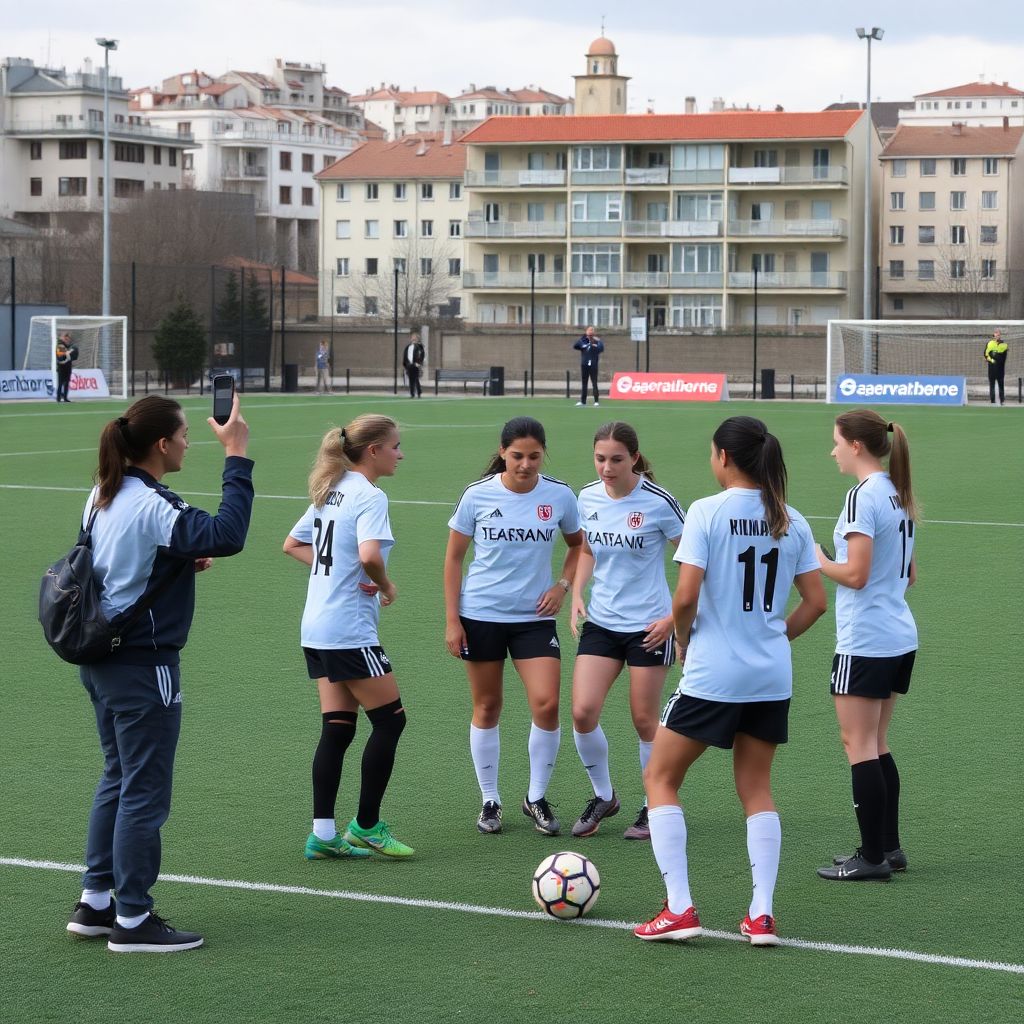
Women’s football in Turkey is a fast-evolving ecosystem where professionalisation, media attention and national-team success grow alongside structural gaps in funding, governance and grassroots. If you work in clubs, schools or media, your impact increases when you design policies and programmes that directly tackle facilities, coaching, visibility and local community engagement.
Snapshot: current status and key trends in Turkish women’s football
- If you look at history, then you see cycles of enthusiasm and interruption, with the last decade bringing more stable leagues and federation support.
- If you focus on the women's football turkey league structure, then you notice better branding but still fragile club finances and short-term planning.
- If you analyse participation, then grassroots and school-level interest grow faster than the capacity of coaches and facilities to host girls.
- If you track media and attendance, then visibility improves around big derbies and the national team, while regular league games stay under-promoted.
- If you identify role models, then national stars and players at big clubs become powerful ambassadors for girls considering football as a real pathway.
- If you follow policy and advocacy, then pressure for equal conditions, safer environments and better governance is slowly reshaping federation and club agendas.
Historical evolution and pivotal milestones since the 1990s
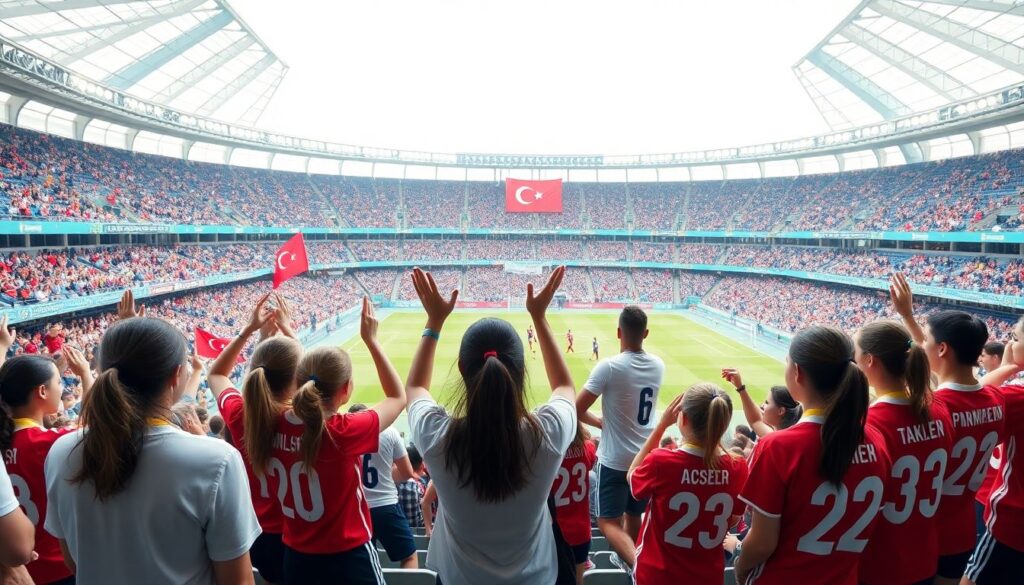
Women’s football in Turkey describes the organised ecosystem of female players, clubs, leagues, national teams, academies, and support services operating under the Turkish Football Federation and local actors. It includes professional and semi-professional competitions, school and university football, and informal community initiatives that feed talent into higher levels.
If you need a clear boundary, then treat women’s football as all structured activity where girls and women train, compete and develop in football with some form of rules, coaching and competition calendar. Unstructured street or park games matter culturally but only influence this ecosystem once they connect to clubs, schools or academies.
Since the 1990s, the picture has shifted from sporadic local teams and short-lived leagues toward a more consolidated national structure. Periods of interruption and relaunch have created a fragile institutional memory, so current stakeholders must consciously document best practices, stabilise competitions and protect players’ rights to avoid repeating past cycles of boom and pause.
Recent decades have also brought a stronger Turkey women's national football team jersey identity, with the national side acting as a key symbol for young girls. When fans buy and wear the jersey, they signal both support and demand for better investment, turning symbolic visibility into economic and political pressure.
League ecosystem, governance structures and regulatory gaps
- If you map the pyramid, then start with the top national women’s league, lower divisions, university competitions and regional amateur leagues, and check how promotion, relegation and licensing rules actually work in practice.
- If you examine federation governance, then study how the Turkish Football Federation sets competition formats, club entry criteria, player registration rules, and whether women’s football has a dedicated committee with real decision power.
- If you analyse club ownership, then separate big multi-sport clubs, independent women’s clubs and municipality-backed teams, because each governance model has different risks of political shifts, funding cuts and leadership turnover.
- If you compare regulations, then look at gaps in minimum wage standards, medical support, maternity and parental policies, and match-day safety protocols for women players and fans.
- If you evaluate disciplinary structures, then check how cases of harassment, discrimination or non-payment of salaries are reported, investigated and sanctioned, and whether players trust the system enough to use it.
- If you benchmark with men’s football, then review what parts of men’s league regulations can be copied and where women’s football needs tailored rules, for example on youth quotas, dual-career support or travel safety.
Infrastructure, financing models and club sustainability
If you want to understand where the ecosystem actually operates, then start from the basic environments: training pitches, stadiums, gyms, medical rooms, and transport arrangements that women’s teams use every week. These physical conditions reveal the real priority level of women’s football within multi-sport clubs and municipalities.
If you run a club, then your sustainability usually depends on a mix of parent-club subsidies, local municipality support, small sponsorships, limited ticketing and sometimes player fees. Each piece reacts differently to political changes, economic downturns and performance, so you need a clear plan for how to survive bad seasons.
Typical application scenarios for infrastructure and finance decisions
- If your women’s team shares poor-quality training pitches with several men’s teams, then negotiate fixed women-only training windows and invest first in lighting and safety upgrades rather than cosmetic branding.
- If your budget relies heavily on one political or corporate patron, then diversify early by building modest but consistent income from community events, local sponsors and simple match-day experiences.
- If you play at big stadiums with small crowds, then consider moving selected matches to smaller, more central venues where you can sell turkey women's super league tickets more effectively and create a fuller, safer atmosphere.
- If your club shop sells only men’s products, then push to include at least one women’s jersey line and scarves, tracking how the turkey women's national football team jersey inspires demand for club-level women’s merchandise.
- If your staff time is limited, then prioritise one or two match days per season as "visibility games" with schools, local NGOs and media invited, rather than trying to over-programme every fixture.
Grassroots programmes, youth talent pathways and coaching supply
If you want long-term success, then you must connect grassroots programmes, women's football academies in turkey, schools, and senior clubs into one coherent pathway. Without this, talented girls bounce between environments, lose motivation or drop out when they face logistical or cultural barriers around puberty and adolescence.
If you design pathways, then ensure that girls can move from school football to club environments smoothly, with clear information for parents about training load, costs, transport and safety. Coaching quality becomes the critical factor: a committed, educated coach can hold a whole community programme together despite limited facilities.
Upsides of strong grassroots and pathways
- If you invest early in mixed-gender and girls-only teams, then you normalise girls playing football in local communities and reduce future resistance from families and schools.
- If you build formal links between schools, academies and clubs, then players can progress without constantly changing environments, which reduces dropout rates and emotional stress.
- If you support coaches with continuous education on both tactics and safeguarding, then you build safer, more professional environments that reassure parents and sponsors.
- If you involve local female role models in sessions and workshops, then young players see concrete life paths in football beyond just being a star striker.
Constraints and structural weaknesses to address
- If you rely only on volunteer coaches, then programme quality and stability will fluctuate with people’s personal schedules, risking burnout and sudden closure of teams.
- If your training slots are late at night or in unsafe areas, then many families will quietly prevent girls from attending, no matter how motivated the players are.
- If your academy selection is too early and rigid, then late-developing or multi-sport girls may be excluded before they show their full potential.
- If you ignore coach diversity and have almost no women in coaching roles, then some parents and girls may not feel comfortable or represented in football spaces.
Sociocultural barriers, media framing and audience development
If you work in Turkish women’s football, then you constantly navigate a mix of gender stereotypes, conservative expectations and modern aspirations. Media framing can either reinforce outdated ideas or challenge them with stories of competence, strategy and leadership that treat women’s football as serious sport, not a novelty.
Misconceptions and recurring strategic mistakes
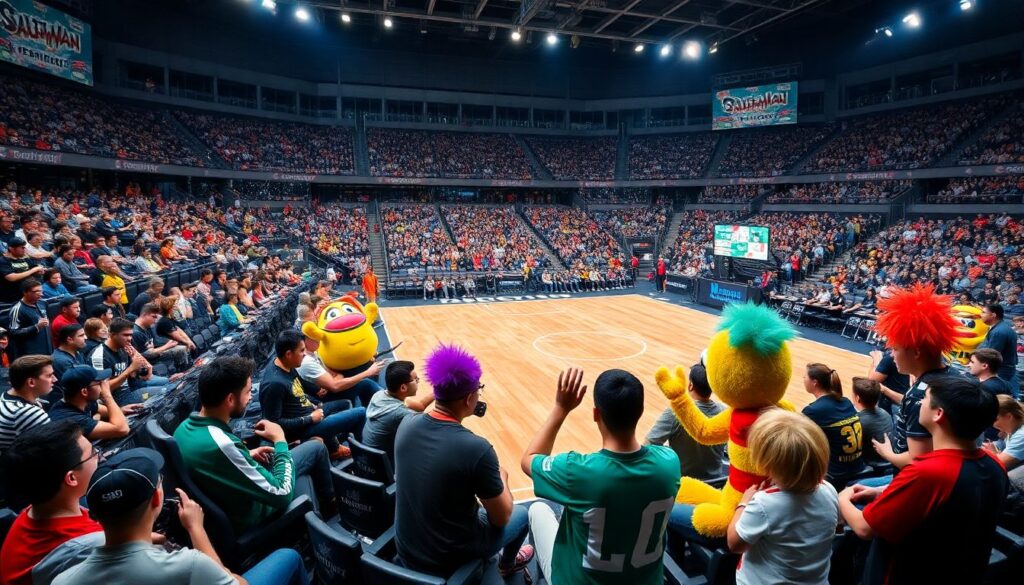
- If you market games mainly as "family-friendly" or "cute" events, then you risk trivialising players’ professionalism and pushing away fans who want high-quality competition and tactical intensity.
- If you assume that only friends and relatives will attend, then you will underinvest in promotion and never discover the broader audience that could watch women's football live in turkey regularly.
- If you copy men’s football chants, visuals and sometimes aggressive fan culture without adaptation, then you may discourage families, girls and new fans who are looking for a safer, more inclusive stadium experience.
- If you speak about women’s football only in comparison to the men’s game, then you implicitly present it as secondary instead of highlighting its own narratives, rivalries and tactical styles.
- If your media coverage focuses mainly on emotions and personal lives, then you undercut the technical and tactical respect players need to be seen as serious athletes.
- If club officials talk about women’s teams mainly as "social responsibility projects", then sponsors and fans may not treat the competition as worth long-term investment.
Breakthroughs, inspiring role models and scalable visibility strategies
If you look for breakthroughs, then you find them in players who became key figures in the national team, in big Istanbul clubs launching women’s sides, and in regional teams that rise despite small budgets. These stories become practical tools when you analyse how they were built and which actions others can copy.
If you design visibility strategies, then combine national stars, local heroes and everyday participants. Role models include national-team captains, pioneering coaches, referees and administrators who show that women can lead at all levels. Each breakthrough can become a blueprint when translated into "if…, then…" patterns for clubs and communities.
Mini-case: turning a local player into a regional role model
If a young striker from a smaller Anatolian town joins a top club and performs well, then:
- If her hometown club documents her early years with photos, short interviews and coach memories, then they can build an authentic story that local media will gladly cover.
- If local schools invite her back during national-team breaks, then she can speak directly to girls and parents, reducing resistance to football as a serious pursuit.
- If the club coordinates with municipal authorities, then they can name a local girls’ tournament after her and use it to advocate better pitches and safer facilities.
- If sponsors link small scholarships or equipment grants to this story, then the role model effect translates into concrete opportunities for the next generation.
Practical questions practitioners ask and concise responses
How can a small club join the women's football turkey league structure without overextending?
Start at the lowest sustainable competition level and build your budget around guaranteed income, not optimistic sponsorships. If travel costs are high, then cluster friendlies and mini-tournaments nearby first and only move up a level when you can protect player welfare and basic infrastructure.
What is the smartest way to promote matches and sell turkey women's super league tickets?
Focus on simple, repeatable routines: consistent social media posts, clear kick-off information and one or two themed match days per season. If resources are limited, then partner with schools and universities for group visits instead of spending on broad, unfocused advertising.
How can we leverage the turkey women's national football team jersey to grow our club brand?
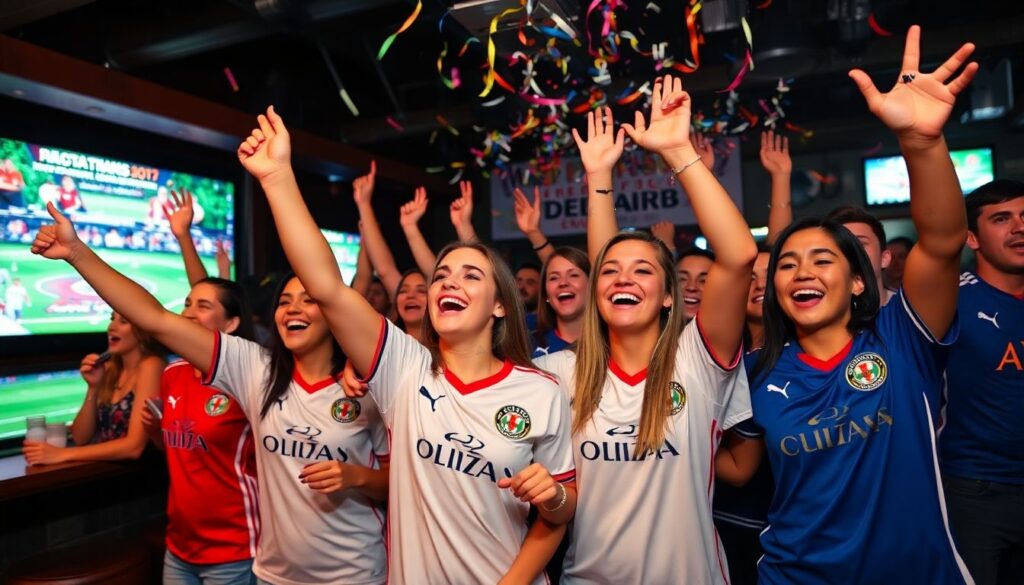
Align your visual identity and storytelling with national-team moments such as qualifiers or tournaments. If national-team games create buzz, then run viewing events, social media campaigns and small discounts on your women’s club jerseys to convert general excitement into local loyalty.
What first steps should municipalities take to support women's football academies in turkey?
Start with safe, well-lit pitch access and transport solutions for girls, then add coach education and small equipment grants. If your budget is tight, then prioritise shared-use community hubs instead of building new facilities that are hard to maintain.
How do we convince families that it is safe to watch women's football live in turkey with children?
Offer clear security information, visible stewarding, family sections and early kick-off times. If you communicate specific measures instead of vague statements, then parents will trust the environment more and are likelier to attend with their children.
What should a school do first if it wants to create a girls’ team connected to a local club?
Identify a reliable coach and a friendly local club contact, then start with a small training group before entering formal competitions. If early sessions focus on fun, safety and clear communication with parents, then support will grow naturally.
How can media outlets cover women’s football seriously with limited staff?
Choose a manageable focus: one league, one club or one region, and provide consistent tactical and analytical coverage instead of occasional human-interest pieces. If you treat women’s matches with the same technical depth as men’s, then credibility and audience will gradually expand.