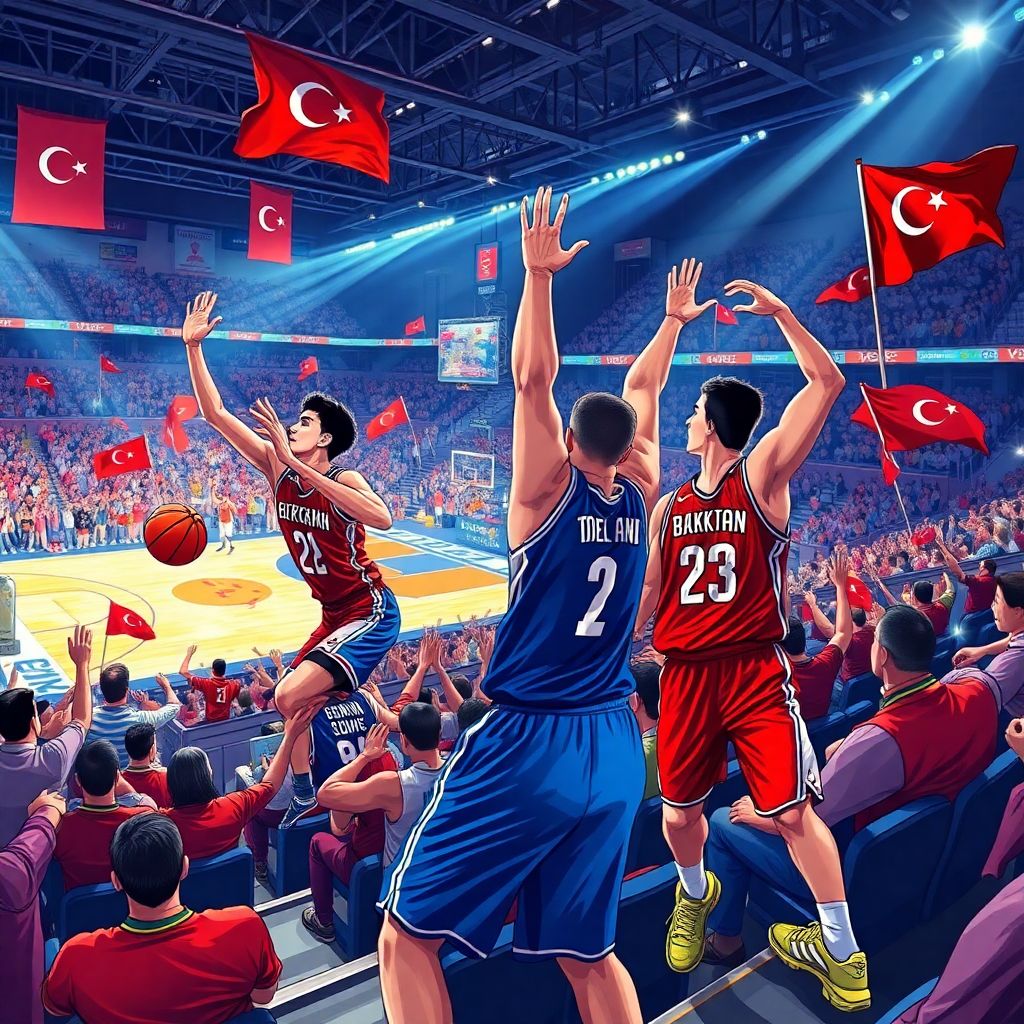
New wave of Turkish talent: from academy gyms to EuroLeague lights
If you’ve been following Turkish hoops even casually, you’ve probably noticed how many under‑23 faces are suddenly getting real EuroLeague minutes, not just garbage‑time cameos. Fenerbahçe’s Tarık Biberović is a prime example: a Bosnian‑Turkish wing who spent years shuttling between the senior roster and the G‑League‑style development setup, then exploded with a double‑digit scoring stretch once he finally got consistent rotation minutes. Another case is Şehmus Hazer, a classic high‑energy combo guard whose defensive pressure completely changes Fenerbahçe’s second unit. Coaches used to stash prospects in domestic league games; now they’re trusting them in playoff‑level EuroLeague possessions, which signals a structural shift in how Turkish clubs think about development versus veteran reliance.
Numbers behind the hype: efficiency, roles and usage trends
Beneath the highlight reels, the statistical layer really explains why scouts tag these guys as some of the best young Turkish basketball players in Europe. Over the last three EuroLeague seasons, Turkish under‑24 guards and wings have posted a steady uptick in usage rate while keeping true‑shooting around or just below the league average, which is impressive for players still adapting to elite physicality and complex sets. Biberović, for instance, moved from spot‑up specialist to secondary creator, nudging his assist rate upward without a spike in turnovers per 100 possessions. Hazer’s on‑off data consistently shows defensive rating drops of several points when he’s on the floor, driven by ball‑pressure, deflections and early‑clock transition pushes. The sample size is still modest, but the trajectory points toward sustainable rotation‑level impact, not just hype cycles.
Development pipelines and realistic projections for the next five years
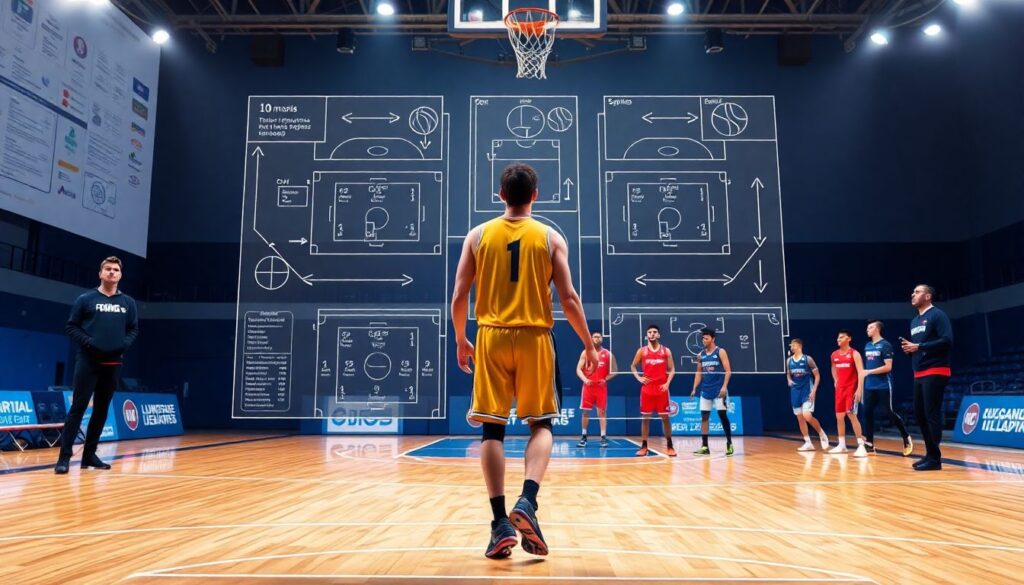
Looking forward, the big story is how Turkish clubs are integrating youth development pipelines with EuroLeague‑level game models. Fenerbahçe and Anadolu Efes both retooled their academies to mirror pro playbooks, so a 19‑year‑old wing already knows the same spacing rules, defensive coverages and terminology he’ll see when he’s thrown into a EuroLeague switch‑heavy lineup. That cuts the adaptation curve from years to months. Realistically, we can expect a larger cluster of rotation‑ready players aged 20–22, rather than one breakout star every few seasons. The projection isn’t that every kid becomes an NBA‑caliber name; it’s that Turkish benches will be deeper, cheaper and more athletic, enabling coaches to extend pressure, run more five‑out offense and survive injuries without panic signings. That cumulative depth can quietly shift the competitive balance within the league.
Economic ripple effects: tickets, jerseys and digital reach
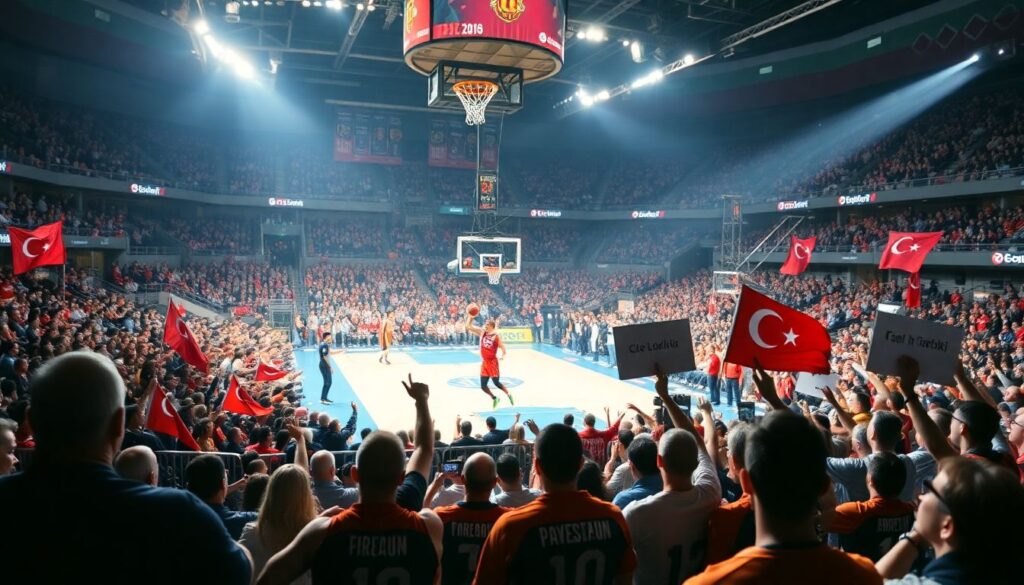
The youth boom isn’t just about box scores; it’s changing the economics around the clubs. When a homegrown player breaks through, you instantly feel it in demand for EuroLeague tickets Turkey wide, especially in markets outside Istanbul where fans travel in just to see “one of their own” on the biggest stage. Families and youth teams are more willing to pay EuroLeague prices when they can point at the court and say, “He came from our system.” The same logic drives merchandising: Turkish basketball jerseys EuroLeague fans actually buy tend to feature local rising stars as soon as they’ve had a couple of signature games, and that feeds directly into licensing and royalty revenues. As long as clubs keep a pipeline of relatable, Turkish‑speaking talent on the roster, they’re effectively locking in a younger, more engaged consumer base rather than relying solely on imported veterans to sell the product.
From broadcast to e‑commerce: how young stars reshape the wider industry
Industry‑wise, the new generation is a gift for content and digital monetization. Young players live on social media, so behind‑the‑scenes clips, vlog‑style travel diaries and mic’d‑up practice segments make it far more compelling to watch EuroLeague live online, especially for under‑25 viewers who rarely tune in to traditional TV. Every breakout performance can be instantly clipped into short‑form content, driving traffic not only to club channels but also to the official EuroLeague merchandise store, where fans jump from a highlight to buying a jersey or hoodie in a couple of taps. Add in dynamic pricing models for streaming and in‑arena experiences, and you get a feedback loop where each new Turkish prospect doesn’t just strengthen a rotation; he becomes a micro‑brand. That brand pulls eyeballs, sponsorships and grassroots interest back into the system, ensuring the rise of young Turkish basketball talent isn’t a one‑off trend but an evolving business driver for the entire European basketball ecosystem.