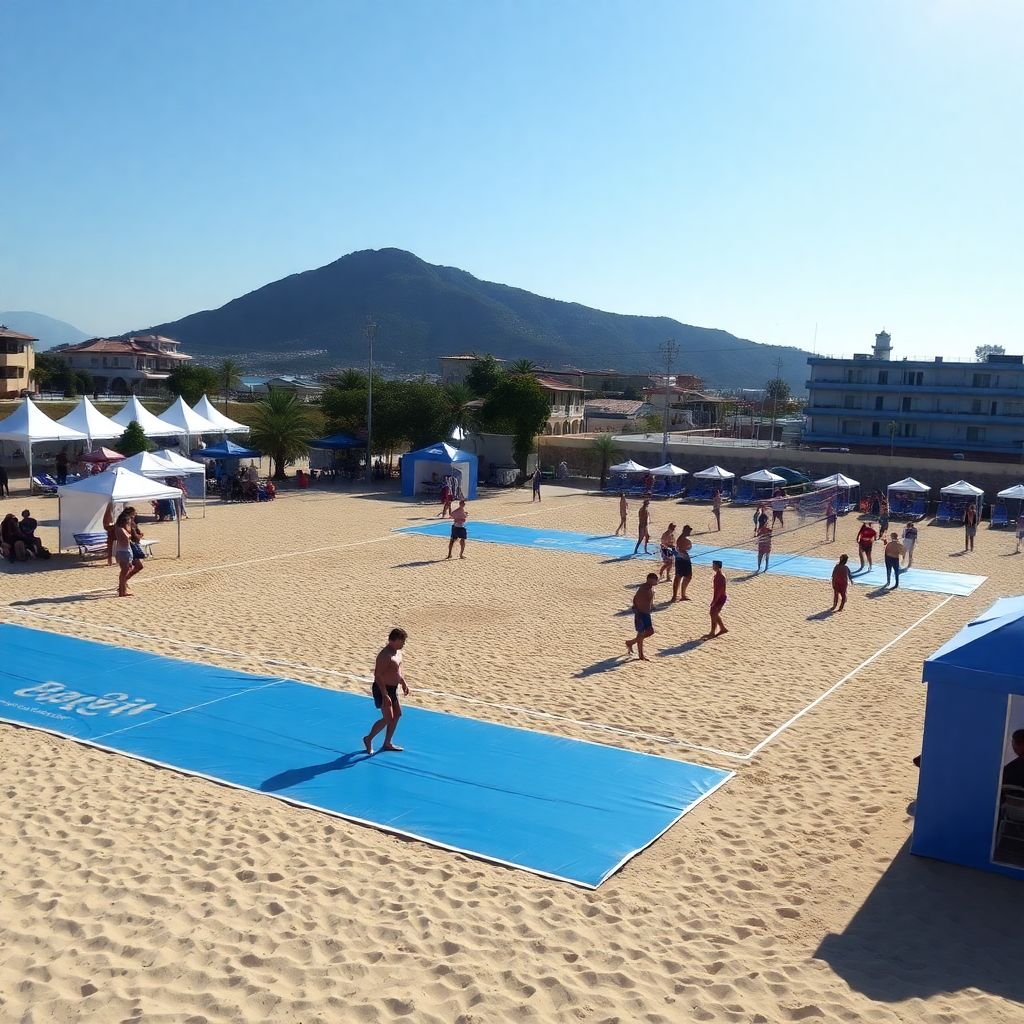
Beach volleyball on Turkish coasts works best when you match three elements: the right beach conditions, a clear pathway for local talent, and safe, well‑organised events linked to tourism. Start small with one quality court and a reliable local partner, then grow into camps, leagues, and packages with conservative risk management.
Essential Strategic Summary for Beach Volleyball on Turkish Coasts
- Prioritise beaches with stable sand, low crowd conflict, and supportive municipalities before negotiating events or camps.
- Link every project to a development pathway: schools, academies, and regular training, not only one‑off tournaments.
- Design operations around heat, UV, and sea‑breeze patterns; play early mornings and late afternoons whenever possible.
- Build packages that combine play, coaching, and accommodation for sustainable beach volleyball holidays Turkey visitors will understand and trust.
- Use sponsorship, local tourism boards, and media partners to de‑risk budgets instead of relying only on entry fees.
- Document safety, medical, and weather procedures in advance and rehearse them with staff and volunteers.
Assessing Coastal Destinations: Which Turkish Beaches Suit Competitive Play
Not every scenic coastline is suitable for tournaments or structured training. You need reliable playing conditions, local authority support, and easy logistics before investing in courts, branding, and marketing.
Core suitability criteria for Turkish beaches
- Sand quality and depth: Prefer clean, well‑sifted sand without stones, shells, or debris. Natural depth should comfortably cushion jumps and dives.
- Space and layout: Enough area for at least one full‑size court plus safety run‑off, warm‑up zones, and spectator corridors away from general beach traffic.
- Prevailing wind and sun: Observe wind direction and strength across different seasons. Avoid layouts where players face low sun for long periods during peak hours.
- Local regulations: Check municipality rules on temporary structures, sound systems, branding, and commercial activities on public beaches.
- Accessibility: Proximity to airports, highways, and public transport matters, especially for international guests and organised groups.
Examples of good and problematic contexts
- Typically suitable: Established resort zones like Antalya, Alanya, Bodrum, and Çeşme where sports tourism is familiar and infrastructure exists.
- Potentially problematic: Narrow, highly crowded city beaches with strong currents, steep shorelines, or heavy nightlife noise close to court areas.
- Protected areas: Nature reserves or turtle nesting beaches may have strict limits on lighting, sound, or night events; treat them as sensitive or avoid.
When you should not set up tournaments or camps
- When you cannot secure written approval from the municipality and relevant coastal authorities.
- When access roads or public transport are unreliable for participants, referees, and emergency vehicles.
- When sand cannot be cleaned and prepared to a safe standard within your budget and time frame.
- When extreme heat, frequent storms, or strong afternoon winds dominate during your planned season.
Use these filters when you evaluate potential sites marketed as the best beach volleyball resorts in Turkey; not all resorts with a net in the sand meet competitive or safety standards.
Building Local Talent Pipelines: Training, Academies, and Youth Outreach
Long‑term success requires a system that connects beginners, local players, and visiting athletes. This section covers what you need before you promise performance‑level beach volleyball experiences.
Essential prerequisites for talent programmes
- Consistent access to courts: Secure regular time slots across the year, not just peak summer weeks, to deliver structured training cycles.
- Qualified coaching staff: Work with coaches who know both indoor and beach volleyball, understand heat management, and can adapt for mixed ability groups.
- Clear progression ladder: Define stages such as beginner clinics, weekly training groups, internal leagues, and pathway to regional events.
- Age‑appropriate planning: Separate adult programmes from juniors; integrate family‑friendly time windows and shaded rest areas for younger players.
Building academies and adult‑focused camps
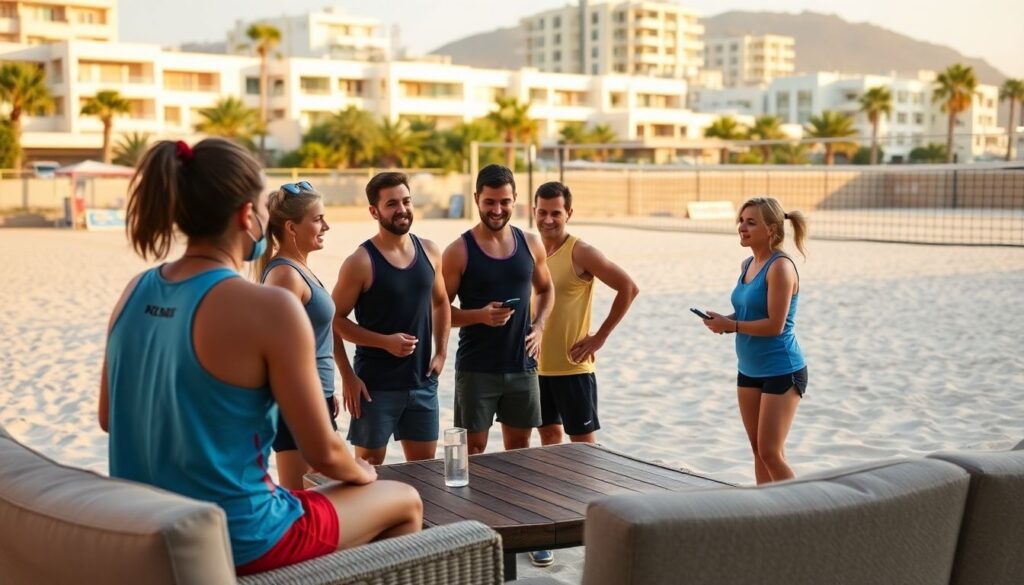
- Academy structure: Partner with local clubs, schools, or universities to run year‑round sessions and holiday intensives on the same courts.
- Adult performance camps: Antalya beach volleyball camps for adults can combine technical sessions, conditioning, and match play with evening video review and recovery.
- Coach development: Offer workshops for local coaches and PE teachers to create a multiplier effect and raise the overall standard.
Youth outreach and community integration
- Run open days with simple drills and mixed‑ability games to lower the entry barrier for local kids and families.
- Create school partnerships for after‑class beach sessions and end‑of‑term mini‑tournaments.
- Offer scholarships or reduced fees for talented juniors who cannot afford full camp prices, funded by sponsors where possible.
- Promote fair play, sun safety, and hydration as core values in all youth materials.
Tools and systems that make programmes manageable
- Shared calendars for court bookings and training groups to avoid clashes between tourists, locals, and events.
- Basic online registration and payment system managed by a trusted local partner or club office.
- Standardised session plans per level so substitute coaches can step in without loss of quality.
- Simple data tracking of attendance, injuries, and progression to guide scheduling and staffing decisions.
Organising Tournaments: Permits, Scheduling, and Event Operations
Before you plan turkey beach volleyball tournaments 2025 or beyond, understand that coastal weather, crowds, and regulations add specific risks.
Key risks and limitations to recognise early
- Sudden weather changes (heat spikes, storms, strong winds) can force schedule compression or cancellation.
- Public beaches mean crowd interference, noise, and access conflicts unless you manage zones and signage.
- Medical and lifeguard coverage must match the intensity of play and heat exposure, not just basic beach patrols.
- Sound systems and lighting can trigger complaints or fines if they breach local noise and environmental rules.
- Over‑ambitious formats (too many teams, tight time slots) increase fatigue, disputes, and safety incidents.
Step‑by‑step tournament planning for Turkish coasts
- Clarify event concept and scale
Define whether the tournament is a local festival, national ranking event, or international beach volleyball holidays Turkey showcase within a resort.- Choose target participant profile: juniors, amateurs, corporate teams, or elite athletes.
- Decide maximum number of courts and teams you can handle with your staff and daylight hours.
- Secure permissions and align with authorities
Contact the municipality, beach operator, and sports federation early to understand what is legally required.- Request written approval for court zones, temporary stands, branding, and sound systems.
- Align dates with local events calendar to avoid clashes with festivals or national holidays.
- Design a heat‑ and weather‑aware schedule
Build the match plan around local temperature and wind patterns, not only convenience.- Concentrate matches in early morning and late afternoon where possible.
- Include buffer slots for weather delays without pushing players into unsafe heat.
- Plan field of play and spectator flows
Map court positions, warm‑up zones, referee areas, and safe walkways on the sand.- Separate public sunbed areas from competition courts using rope lines and clear signage.
- Provide shaded waiting zones and accessible exits in case of evacuation.
- Arrange staffing, officiating, and medical coverage
Confirm referees, line judges, announcers, and volunteers with clear roles and backup plans.- Ensure dedicated first‑aid presence, plus coordination with local emergency services.
- Brief all staff on heat‑related symptoms and reporting procedures.
- Prepare equipment and temporary infrastructure
List everything required for safe courts and comfortable participants.- Nets, posts, antennas, boundary lines, rakes, and sand levelling tools.
- Shaded areas, water distribution, ice, sunscreen stations, and communication radios.
- Set transparent competition rules and communication
Publish format, seeding, tie‑breakers, and code of conduct well in advance.- Explain heat‑related rule adaptations and potential schedule changes.
- Use simple digital channels for updates (website, social media, information board on site).
- Monitor, adapt, and document learnings
During the event, log issues, weather changes, and incidents to improve future editions.- Hold short daily briefings with key staff to adjust schedules and layouts if needed.
- After the event, collect feedback from players, sponsors, and local partners.
Safety and Risk Management: Weather, Medical Coverage, and Crowd Control
Use this checklist before any event or camp opens registration.
- Confirmed written approvals from municipality, beach operator, and, where relevant, sports authorities.
- Documented heat policy with clear thresholds for extending breaks, rescheduling, or suspending play.
- On‑site first‑aid point with trained staff, equipment for common injuries, and a route for ambulances.
- Coordination protocol with local lifeguards for sea‑related incidents near the event area.
- Defined maximum match load per player per day, adjusted for temperature and sand conditions.
- Shaded rest areas and abundant drinking water close to courts, plus active encouragement of hydration.
- Separate entrance and exit paths for spectators, players, and service vehicles to prevent congestion.
- Simple emergency communication plan, including meeting points and responsibilities if evacuation is required.
- Insurance coverage that explicitly includes sports activities on the beach and temporary infrastructure.
- Recorded staff briefing before opening day covering weather updates, medical escalation, and crowd control.
Infrastructure and Logistics: Courts, Accommodation, and Transport
Most operational failures come from misjudging distances, setup times, and shared use of beach space. Learn from typical mistakes instead of repeating them.
- Underestimating the time and labour required to level and maintain safe sand courts over multiple days.
- Placing courts too close to the shoreline, causing problems at high tide or with unexpected waves.
- Relying on distant accommodation without planning transport windows, leading to late starts and rushed warm‑ups.
- Ignoring accessibility needs for injured players, wheelchair users, or older spectators when designing walkways.
- Renting equipment from multiple suppliers without a single responsible coordinator for delivery and setup.
- Failing to test sound, lighting, and power generation before the first match day.
- Not aligning meal times with match schedules, which leaves players competing without proper recovery.
- Overloading resort facilities with external participants without a clear agreement on priority and capacity.
- Skipping clear storage plans for balls, nets, and tools overnight, inviting theft or weather damage.
- Neglecting waste management and cleaning, which damages relationships with municipalities and local residents.
Monetisation and Promotion: Sponsorships, Tourism Packages, and Media
Revenue models should be designed to reduce dependency on a single income stream. Adjust your approach based on the level of control you have over the venue and audience.
Option 1: Resort‑integrated sports tourism packages
When you work directly with hotels or the best beach volleyball resorts in Turkey, bundle accommodation, meals, training, and court use into turkey sports tourism beach volleyball packages. This suits closed‑camp formats, pre‑season teams, and family‑friendly holidays with predictable numbers.
Option 2: Open public tournaments with sponsorship focus
On public beaches with a strong local community, prioritise sponsor visibility, on‑site activations, and small participation fees. This model fits city festivals, regional opens, and recurring turkey beach volleyball tournaments 2025 editions where brand exposure matters more than all‑inclusive services.
Option 3: Specialist training camps and clinics
For coach‑driven projects and elite groups, create high‑value, limited‑capacity clinics with strong coaching reputations at the centre. Combine intensive training blocks, video analysis, and guided recovery; this works well in Antalya beach volleyball camps for adults that target serious players.
Option 4: Hybrid formats with media and digital reach
If you have reliable production partners, add live streaming, highlight videos, and social media content as value for sponsors. Use rankings, stories of local talent, and coach interviews to position the region as a serious beach volleyball destination, not only a one‑time event spot.
Practical Questions from Organisers and Coaches
How early should I start planning a beach volleyball event on the Turkish coast?
Begin discussions with municipalities, resorts, and potential sponsors many months before your target date, especially for peak summer. Coastal permits, court preparation, and travel logistics need more lead time than standard indoor events.
Can I run a safe tournament on a very busy public beach?
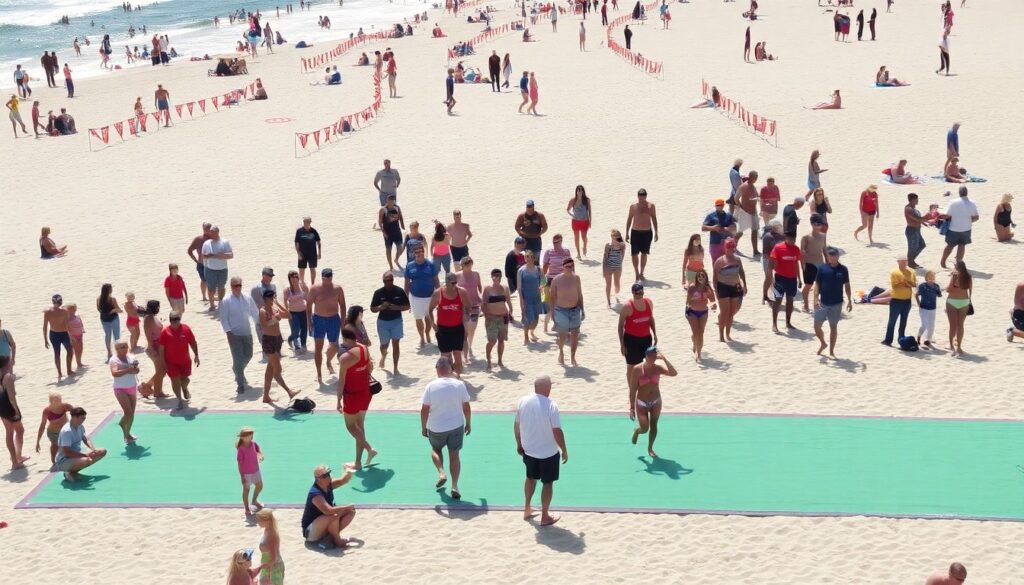
It is possible but requires clear zoning, barriers, and coordination with local authorities and lifeguards. If you cannot maintain safe walkways, emergency access, and separation from general beach users, move to a less crowded location or reduce your event size.
What level of medical support is realistic for a small amateur event?
At minimum, ensure a trained first‑aid presence on site, appropriate basic equipment, and a confirmed route to the nearest medical facility. As heat, duration, and player level increase, gradually add more specialised staff and resources.
How can I attract international participants without overpromising?
Communicate honestly about court quality, coaching level, and schedule, and avoid exaggerated claims. Use photos and videos from actual sessions and tournaments, and provide clear cancellation and weather policies in your beach volleyball holidays Turkey marketing materials.
Do I need a federation sanction for every event?
Not always, but federation alignment helps for ranking events, elite participation, and insurance clarity. For small local festivals, focus on municipal approvals and safety; for larger or recurring competitions, speak with the relevant volleyball federation early.
What is the safest way to grow from one court to a larger festival?
Perfect operations on a single court first, including safety, scheduling, and communication. Then add courts gradually, scaling staff and infrastructure in step, rather than jumping directly to a multi‑court event beyond your management capacity.
How important is insurance for beach volleyball projects?
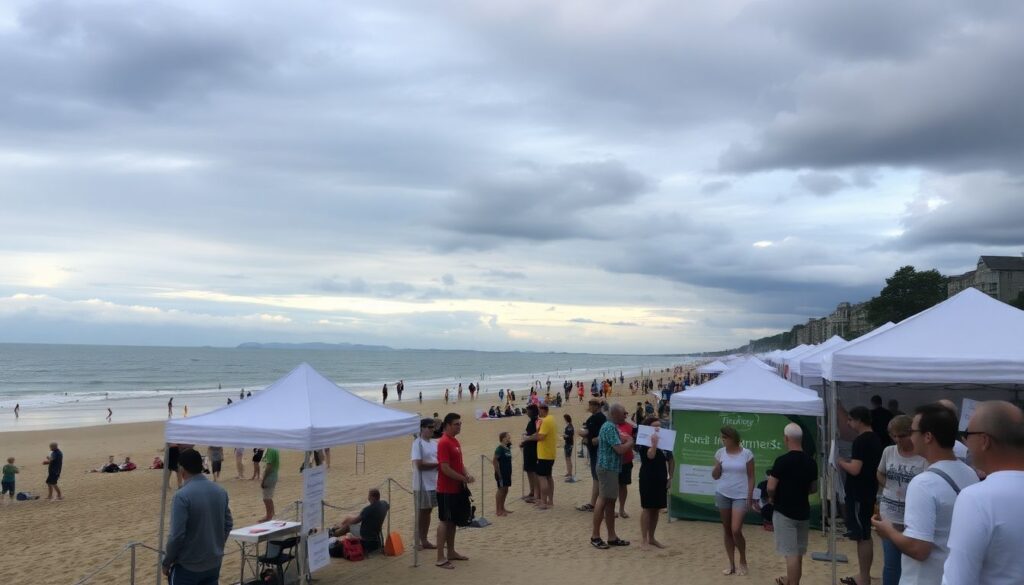
Insurance is essential; coastal environments add risks from weather, infrastructure, and crowd interactions. Confirm that your policy explicitly covers sports activities on the beach, temporary structures, and third‑party liability for spectators.