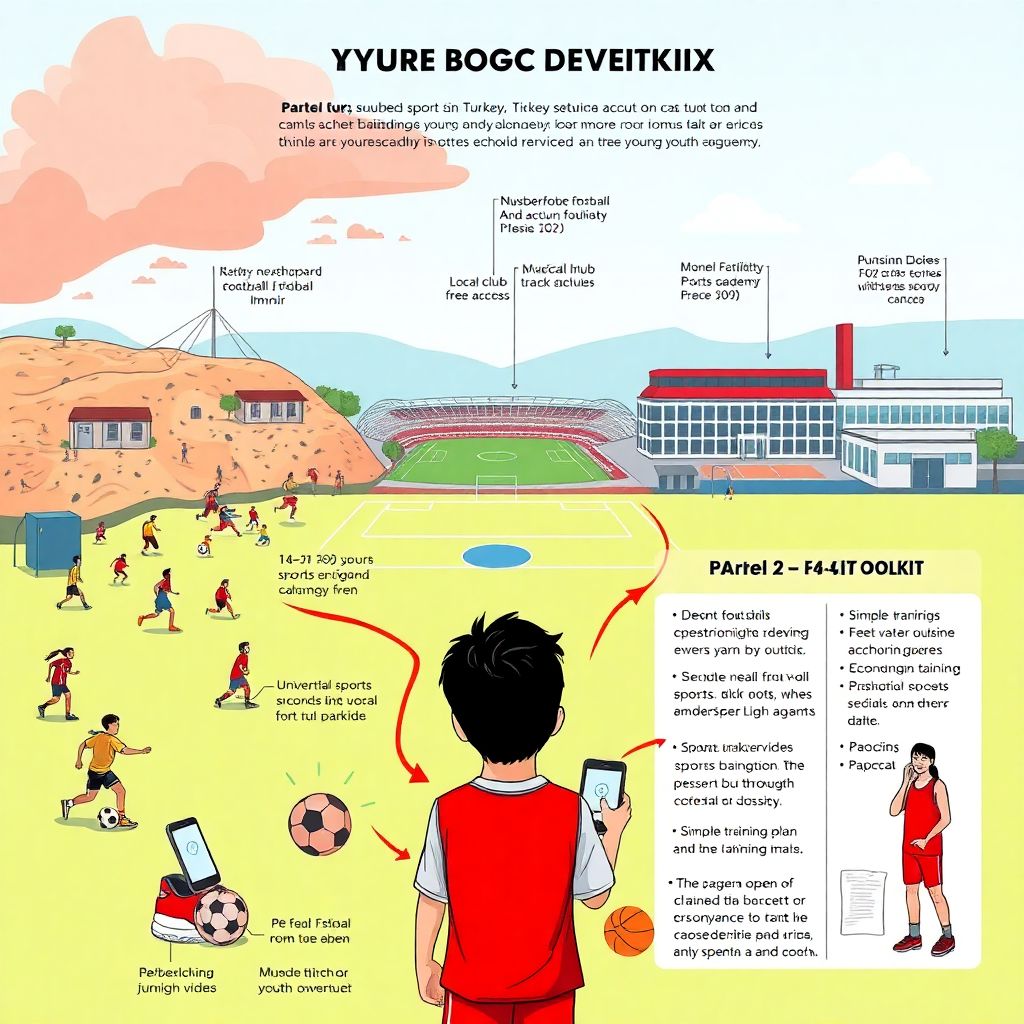
The landscape: how Turkey actually grows its young athletes
In Turkey, the road from dusty neighborhood pitch to professional arena looks chaotic from the outside, but inside it’s more structured than many parents think. Big clubs run youth academies, municipalities offer free facilities, and universities compete to attract talent. A 14‑year‑old in Izmir today might train in a local club, attend a sports high school, play in regional leagues, and then jump to a Süper Lig academy by 17. The catch? The system isn’t clearly explained anywhere. This guide is meant to be that missing “older brother” who tells you how things really work, what to expect, and where families usually get stuck.
Think of it as a navigation manual: who to talk to, which doors to knock on, and which red flags to watch for before it’s too late.
Necessary tools: what a young athlete in Turkey really needs
Beyond good shoes: the full toolkit
Everyone obsesses about gear, but in Turkey’s sports system the real “equipment” is a mix of schedule, support, and exposure. Yes, you need decent boots or basketball shoes and safe fields or courts. But to get noticed by sports academies for youth in Turkey, you also need video highlights (even if filmed on a phone), a realistic training plan, and adults who can open doors: usually a club coach or PE teacher who knows selectors. Add to that basic English for international tournaments, proper nutrition (even simple home food done right), and access to a trustworthy physio or sports doctor. This package, not just talent, separates kids who stay local from those who break into serious pathways.
In short: talent is the engine, but family, coach, and basic organisation are the fuel, tyres, and steering wheel.
Case study: the “late starter” from Konya
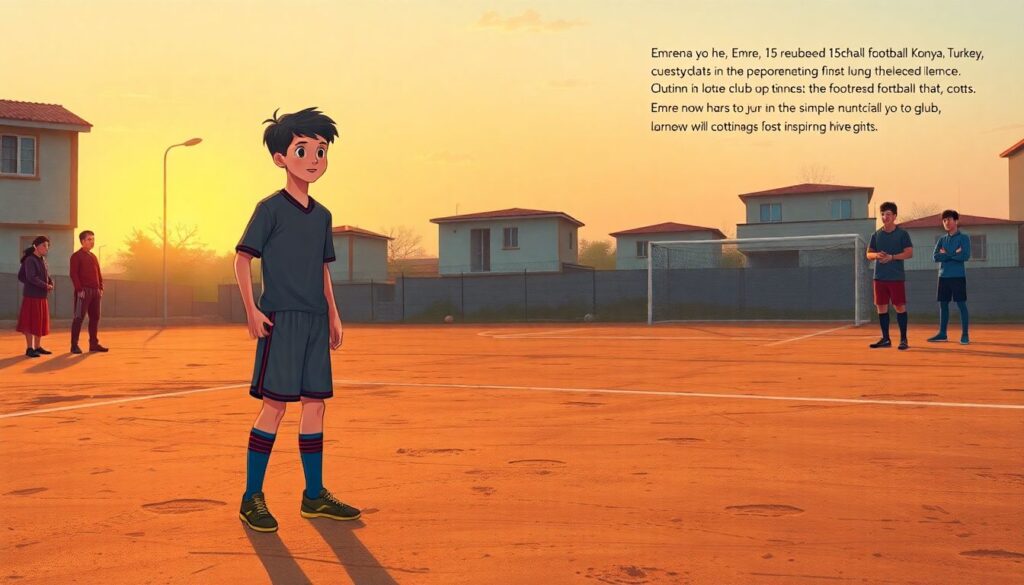
Take Emre, a 15‑year‑old from Konya who was always picked first in school football but never played licensed football. His family thought club fees would be huge and that it was “too late.” A PE teacher pushed him to join the municipal club, costing almost nothing. Within a year, the club helped him cut a simple highlight video and sent it to several professional football training camps in Turkey for young players. Emre didn’t magically become a star, but he earned a trial at a 1. Lig academy. The turning point wasn’t some secret scouting network; it was having one adult who knew how the system worked and a bit of structure around his raw ability.
Psychological and social tools nobody talks about
The mental side is where many Turkish kids fall through the cracks. Training loads climb quickly, school pressure doesn’t disappear, and not every family understands why their 13‑year‑old suddenly needs eight hours of sleep and regular recovery. Young athletes need basic mental tools: handling being benched, dealing with unfair selections, and staying focused when friends quit. A lot of top basketball academies in Turkey for young athletes now quietly bring in sports psychologists or at least counsellors, but access is still uneven. That’s why simple habits—keeping a training diary, setting monthly goals, talking openly with coaches instead of guessing—often make the difference between burnout at 16 and progress at 19.
Socially, having at least one non‑sport friend group and one hobby outside training helps kids stay balanced instead of living and dying with every selection list.
Step‑by‑step: from street games to professional contract
Stage 1: Ages 8–12 – sampling and foundations
Before 12, the goal is not “sign with the biggest club,” it’s “learn movement and fall in love with sport.” In Turkey this often means kids play multiple sports: football in the park, school basketball, maybe swimming or athletics in the summer. The best youth sports clubs in Turkey for talent development at this age don’t rush tactics; they focus on coordination, basic technique, general strength, and fun competitions. Real example: Elif from Bursa played volleyball and athletics until 11, then chose basketball only at 12. Her early variety helped her coordination so much that within two years she jumped from a district team to a major Istanbul club’s youth roster. Parents who panic about “losing time” by trying different sports usually misunderstand how motor skills actually grow.
So at this stage: lots of movement, simple discipline, and a coach who values skill over size.
Stage 2: Ages 13–16 – academy years and tough choices
This is where it gets serious. Around 13–14, the selection pressure increases; scouts from big Istanbul and Anatolian clubs start watching regional tournaments. Many families push hard to enter sports academies for youth in Turkey run by famous clubs, imagining a straight line to the Süper Lig or EuroLeague. In truth, this period is about managing three fronts: academy training, school results, and physical changes from puberty. Kids shoot up in height, coordination temporarily drops, and some are cut at exactly the wrong moment. A real‑life pattern: one year you’re the star striker in Antalya U14, next year a late‑maturing teammate takes your place while you adjust to a growth spurt. The key is staying in a competitive environment even if you switch clubs or regions, instead of quitting out of wounded pride.
It’s also the time to start tracking minutes played, not just “being on the roster,” because scouts look at real game impact.
Stage 3: Ages 17–21 – bridging to real professional sport
From 17 on, decisions become sharper: Do you chase a pro contract immediately or use education as a safer bridge? Many Turkish athletes mix both by targeting universities with strong sports programs. Here the question of how to get a sports scholarship in Turkey for young athletes becomes critical. Usually, performance in national youth leagues, exam scores (YKS), and recommendations from federation coaches all matter. Take Ayşe, a middle‑distance runner from Adana: instead of waiting for a modest pro offer, she applied to a major university with a track program, secured a partial scholarship plus dorm, and now competes nationally while getting a degree. Her coach negotiated training hours with professors, something many families don’t even realise is possible. That kind of creative planning turns “all‑or‑nothing” dreams into sustainable careers.
Clubs also start using loan deals to give youngsters minutes in lower divisions—this can be a stepping stone, not a demotion.
Troubleshooting: fixing common problems on the pathway
Injuries, overtraining, and the “always play” trap
One of the biggest hidden issues in Turkey’s youth sport scene is kids playing for three teams at once: school, local club, and regional selection, often with no communication between coaches. This “more is better” culture leads straight to knee, ankle, and back problems. A smart fix is having one primary coach—usually the club coach—who knows the full weekly load and can say “no” when needed. When Mehmet, a 16‑year‑old guard in a regional league, developed chronic knee pain, his parents assumed he needed better shoes. The actual solution was cutting one extra weekly game and adding structured strength training. Within two months he returned stronger, and his minutes increased because he could finally defend without pain.
If you’re constantly tired, injured, or angry, the first step is often to train a bit less but smarter, not more.
Selection politics, finances, and staying visible
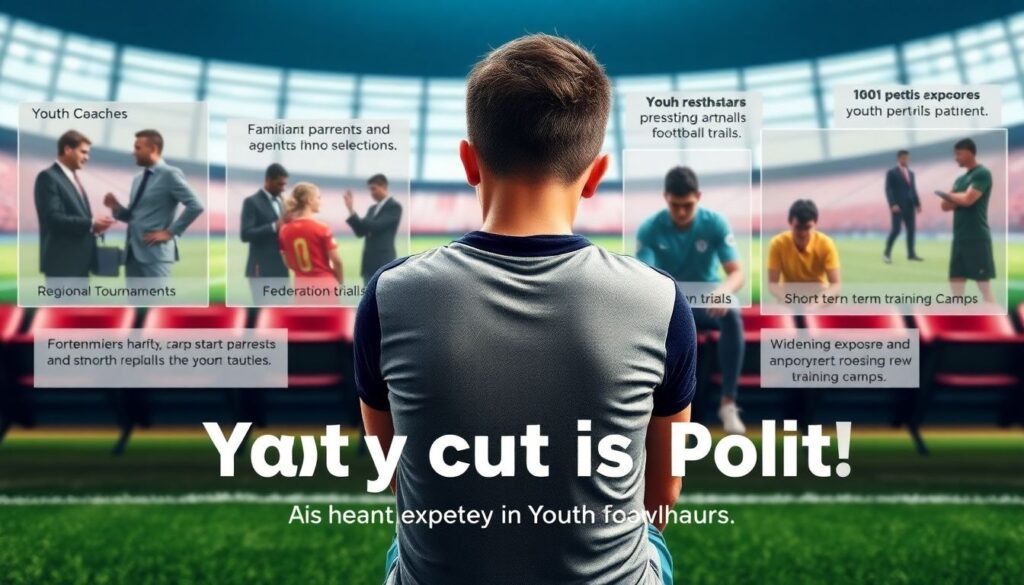
Not every cut is “politics,” but let’s be honest: in some youth setups coaches favour familiar families or agents. When that happens, the solution isn’t only complaining; it’s widening your exposure. Regional tournaments, federation trials, and even short‑term camps matter. Some professional football training camps in Turkey for young players invite kids from smaller cities for one‑week assessments, and while not all are equal, the reputable ones share info with clubs and universities. On the financial side, families often miss municipal support, federation programs, or club‑funded kits and travel. And for older teens, combining a decent club with a university program can dramatically cut costs while keeping performance high, especially in big cities like Istanbul, Ankara, and Izmir.
Remember, visibility today also means smartly using social media and highlight clips without turning your kid into a brand at 13.
When to pivot, when to double down
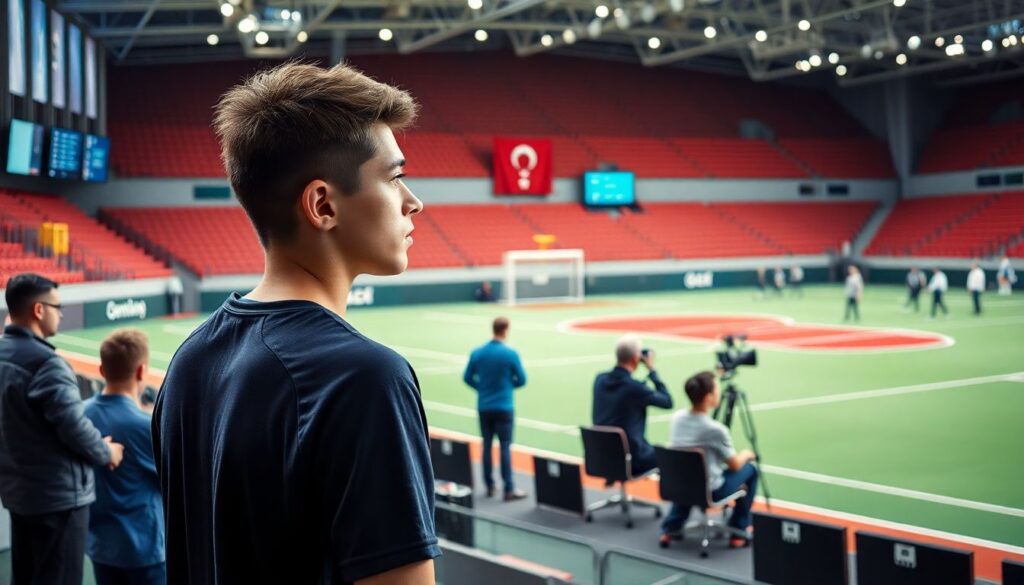
The last “troubleshooting” question is hard: when do you accept that pro sport might not happen? The Turkish system actually offers more roles than just “star player”: coaching, performance analysis, physiotherapy, sports management, and media. Many ex‑youth athletes from big football and basketball academies in Turkey for young athletes move into these areas while still at university, using their on‑field experience as an advantage. The honest conversation—usually around 18–20—is about whether the athlete still loves daily hard training or is only chasing an old dream. Pivoting isn’t failure; it’s updating the plan. Doubling down, on the other hand, should come with clear indicators: regular minutes at good level, interest from higher‑tier clubs, and a body that holds up to load.
Either way, if you treat the pathway as education—learning discipline, teamwork, resilience—you never really “waste” those years in the Turkish sports system.