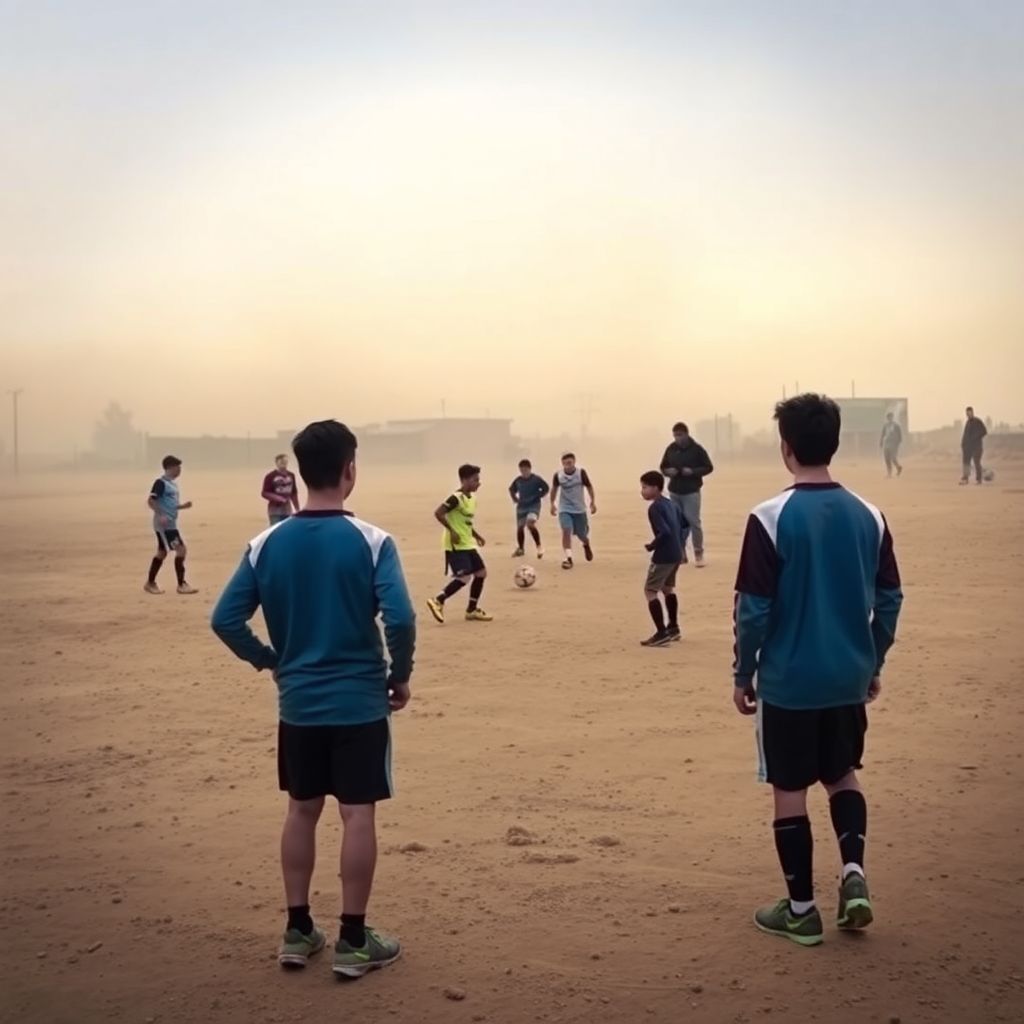
Grassroots football in Anatolia turns local passion into national-level talent by building stable community clubs, structured Turkish youth football development programs, and clear pathways into professional systems. With basic infrastructure, educated coaches, safe scouting, and partnerships with football academies in Turkey, village and city clubs can systematically guide motivated players towards professional trials and national teams.
How grassroots clubs convert local participation into national-level talent
- Organise consistent, age-based training instead of occasional matches.
- Invest in coach education so every session follows a clear curriculum.
- Create visible pathways into football academies in Turkey and pro clubs.
- Use transparent, documented scouting criteria in both rural and urban areas.
- Protect finances with simple, conservative budgeting and diverse income sources.
- Give players competitive exposure through leagues, cups, and selected best soccer training camps in Turkey.
Community infrastructure and creating sustainable talent pipelines
Grassroots structures make most sense when your town already has children playing informally but lacks organised pathways. They are ideal for municipalities, school networks, and local associations that can guarantee pitch access and basic equipment for several years, not just one season.
You should not rush into a formal pathway if:
- Your pitch access is uncertain (shared fields without written agreements, frequent cancellations).
- You depend on a single volunteer coach with no replacement or assistant.
- Funding comes from one unstable donor with no backup plan.
- There is no nearby link to existing football academies in Turkey or regional clubs.
Before building a “pipeline”, confirm three foundations:
- At least one safe training pitch with predictable weekly slots.
- A minimum two-year commitment from a small core of coaches and organisers.
- Agreements with schools and local authorities about player safety and facility use.
Once this base is in place, you can design a simple pathway for youth football clubs in Anatolia:
- Entry level: mixed-fun sessions for ages 6-10, focusing on enjoyment and basic movement.
- Development level: structured training for ages 11-14 with regular local competition.
- Performance level: 15-18 squads linked to regional leagues, scouts, and Turkish youth football development programs.
Coaching frameworks: training curricula, progression milestones, and mentor networks
To run a serious pathway, you need more than passionate volunteers. You need a simple but consistent coaching framework that any new coach can adopt without guessing.
Core requirements for your framework:
- Age-specific curricula
- Written session plans for each age group (e.g., 8-10, 11-13, 14-16, 17-19).
- Clear technical focus areas: ball mastery, 1v1, passing, finishing, basic tactical concepts.
- Built-in safety and warm-up routines for injury prevention.
- Progression milestones
- Simple, observable criteria for promoting players (e.g., can press and recover, can play under pressure).
- Regular review moments (every 3-6 months) documented in short notes.
- Separate “late developer” track to avoid cutting slower-maturing players too early.
- Coach education and tools
- Access to national federation courses where possible, plus online materials.
- Shared digital folder with session plans, video examples, and injury guidelines.
- Basic equipment: cones, bibs, balls, mini-goals, first-aid kit, and simple GPS or stopwatch tools if budget allows.
- Mentor networks
- Pair less-experienced coaches with a mentor from a nearby academy or veteran local coach.
- Quarterly internal workshops to review what works and what fails in training.
- Occasional joint sessions with staff from football academies in Turkey to align standards.
- Player well-being and retention
- Rules limiting overtraining and double-sessions for children.
- Guidelines for balancing school, family, and football commitments.
- Clear processes for handling burnout, loss of motivation, or conflict with parents.
Scouting and talent identification in rural and urban Anatolian settings
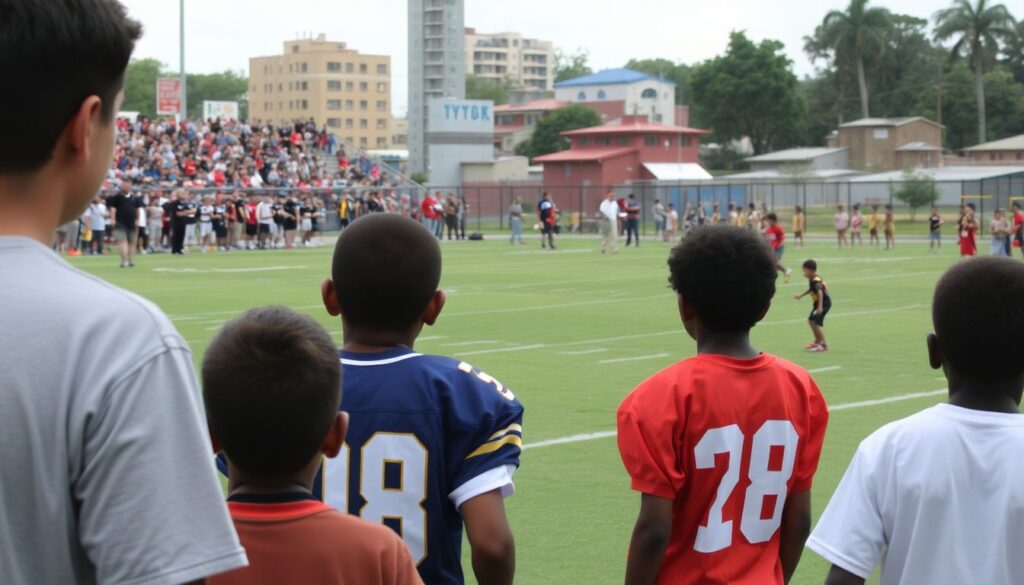
Before defining steps, consider these key risks and limitations:
- Over-selecting early-maturing players while missing late developers.
- Unfair advantage for urban children with more access to facilities and transport.
- Conflicts of interest when scouts are paid per player rather than for long-term outcomes.
- Safety concerns when travelling with minors to trials or best soccer training camps in Turkey.
- Limited data; your decisions will rely more on observation than statistics.
Use this safe, step-by-step scouting process both in villages and cities.
- Define your profile and age bands
Decide what type of player you are looking for at each age, and write it down.- For ages 10-12: coordination, basic technique, enthusiasm, ability to learn.
- For ages 13-15: game understanding, decision-making, work rate, resilience.
- For ages 16-18: position-specific skills, tactical discipline, mental stability.
- Map rural and urban talent sources
Create a simple list of where players actually play.- Village pitches, school fields, futsal courts, and informal street games.
- Existing youth football clubs in Anatolia, school teams, and community tournaments.
- Seasonal events such as local cups and regional festivals.
- Observe in real game situations
Prioritise watching competitive matches over isolated trials.- Rotate scouts between rural and urban areas on a fixed schedule.
- Use simple observation sheets (printed or digital) with 5-7 key criteria.
- Note behaviour off the ball, interaction with teammates, and reaction to setbacks.
- Run low-pressure, local assessment days
Instead of high-stress “one-shot” trials, organise local assessment sessions.- Keep numbers small so each player gets enough playing time.
- Mix technical drills (1v1, passing combinations) with small-sided games.
- Ensure safe transport, parental consent, and emergency contacts for minors.
- Document decisions and communicate clearly
After each scouting activity, record who you selected and why.- Write brief, factual notes: strengths, weaknesses, recommended next step.
- Share honest feedback with families, even when a player is not selected.
- Avoid promising contracts or trials beyond your actual authority.
- Create bridges into development centers
Link promising players to Turkish youth football development programs and academies.- Coordinate group trial days with partner clubs to reduce travel cost and risk.
- Track how many players actually progress and adjust your criteria accordingly.
- Protect player rights with basic agreements when moving them to other clubs.
Financial models, sponsorships, and risk-managed budgeting for small clubs
Use this checklist to see if your finances support long-term talent development.
- You have a written annual budget with conservative income estimates and all fixed costs listed.
- Income sources are diversified (membership fees, small sponsors, municipality support, events), not dependent on one donor.
- You keep simple, transparent records of every payment and expense, visible to at least two people.
- You maintain an emergency reserve for at least a few months of pitch rental and essential equipment.
- Sponsorship deals are written, with clear duration, obligations, and no control over selection decisions.
- Player-related fees are communicated clearly, with support options for low-income families.
- No part of the budget assumes transfer fees from young players as guaranteed income.
- Travel to tournaments or best soccer training camps in Turkey is fully costed in advance, without hidden charges.
- There is a plan for replacing lost funding (e.g., sponsor leaving) without shutting down age groups mid-season.
- At least one person checks for legal and tax obligations relevant to club revenues in your region.
Competitive pathways: tournaments, partnerships with academies, and exposure strategies
Expansion into more competitive environments often fails because of repeated, avoidable mistakes.
- Entering too many competitions at once, overloading players and staff while increasing injury risk.
- Chasing prestige tournaments without checking level, logistics, or value for player development.
- Forming informal partnerships with football academies in Turkey without written expectations or child protection standards.
- Sending players to trials with no preparation, support, or clarity on what scouts want to see.
- Focusing only on results and trophies, leading to overplaying early-maturing players and ignoring long-term growth.
- Overexposing young players on social media without parental consent or privacy considerations.
- Accepting invitations to “elite camps” that are effectively paid showcases with little developmental value.
- Neglecting local and regional leagues that provide stable, repeatable competition in favour of rare big events.
- Building partnerships around individuals (a single coach or director) rather than between institutions.
- Ignoring academic obligations when scheduling travel, causing tension with schools and families.
Lessons from Anatolian clubs that consistently feed professional teams
When copying models from successful youth football clubs in Anatolia, consider safer, lower-cost alternatives that may suit your context better.
- School-club partnerships instead of private academies
If you cannot run a full-time academy, build tight cooperation with local schools.- Shared facilities, timetable alignment, and support with homework or tutoring.
- Joint monitoring of player behaviour and academic performance.
- Regional training hubs instead of full residential programs
For areas without resources to house players, create weekly or monthly regional hubs.- Clubs send their best players to centralised, high-quality sessions.
- Reduces cost and risk compared to boarding, while still raising standards.
- Short, targeted camps instead of permanent camps
Rather than maintaining expensive facilities, collaborate on periodic camps.- Partner clubs organise 3-5 day events modelled on the best soccer training camps in Turkey.
- Focus each camp on specific themes: defending, finishing, or positional play.
- Clear guidance on how to join a football academy in Turkey
Instead of promising direct entry, educate families and players.- Explain typical age ranges, selection windows, and performance expectations.
- Provide contact points and safe, supervised trial opportunities via partner clubs.
Practical questions club leaders ask when scaling local programs
How many age groups should a new grassroots club start with?

Start with as few age groups as you can serve reliably, usually two or three broad bands. It is safer to deliver high-quality training for fewer teams than to overstretch coaches and fields across many age levels.
How can a rural club get noticed by professional academies?
Build a record of consistent coaching, organise video footage of matches, and attend regional tournaments. Then establish relationships with specific football academies in Turkey, inviting their staff to visit your events instead of sending players individually without support.
What is the safest way to collect membership fees from families?
Use transparent, documented methods such as bank transfers or receipts for cash, with at least two people overseeing accounts. Communicate fees and what they cover in writing, and provide reduced or waived fees for families that cannot afford full payment.
How often should we review our scouting and selection decisions?
Plan reviews at least twice per season, checking who was selected, who improved, and who was missed. Adjust criteria to avoid favouring only early-maturing players and document any major changes to keep the process fair.
How do we protect young players when travelling for tournaments or camps?
Always obtain written parental consent, use trusted transport providers, and ensure appropriate adult-to-player supervision ratios. Keep emergency contacts, medical information, and clear behaviour rules for staff and players during trips.
What if a sponsor wants influence over player selection or coach appointments?
Decline such conditions, even if the funding seems attractive. Sponsor involvement should be limited to branding and community activities; sporting decisions must remain with qualified staff to avoid conflicts of interest and protect player welfare.
When is it the right time to form formal partnerships with academies?
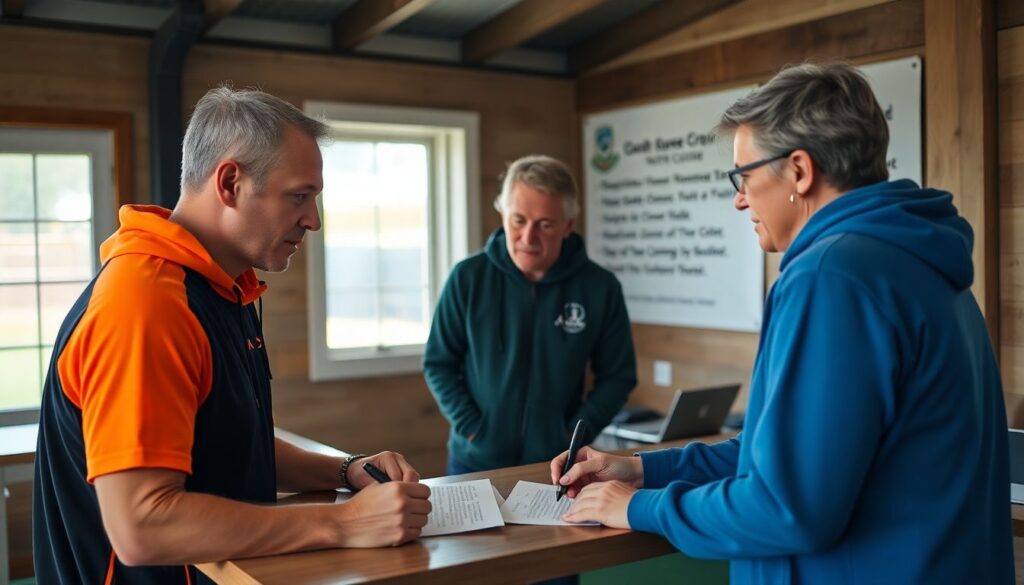
Wait until your club can offer stable training, basic documentation, and a history of responsible player management. Then discuss written agreements that define roles, child protection expectations, and realistic pathways for your best players.