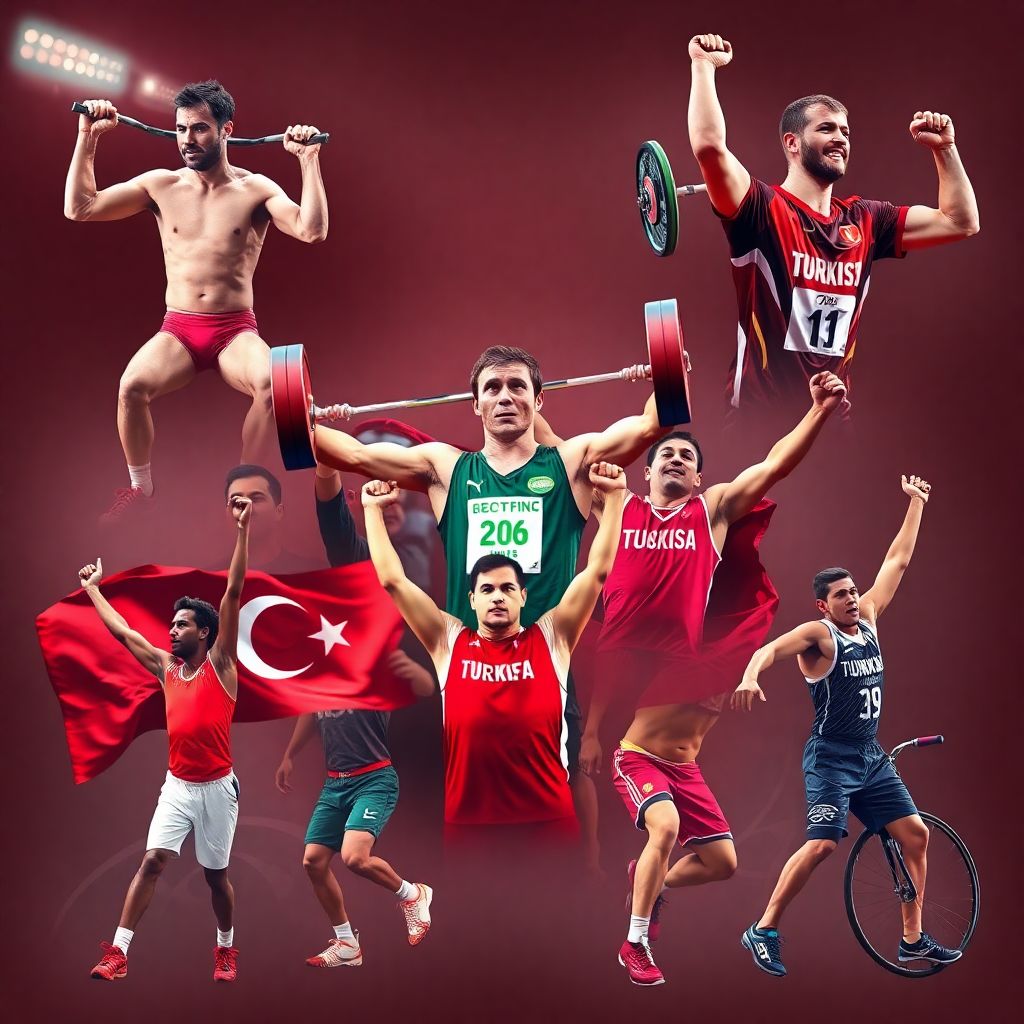
Historic moments in Turkish sports are defined by matches, medals, and records that changed how the country sees itself in the international arena, from early Olympic success and wrestling dominance to Naim Süleymanoğlu’s weightlifting feats, the 2002 World Cup run, basketball breakthroughs, and modern Paralympic achievements that reshaped expectations for athletes with disabilities.
Pivotal Highlights: Turkish Sporting Moments to Remember
- Early Olympic medals established Turkey as a serious competitor, especially in wrestling.
- Wrestling champions like Yaşar Doğu and İsmail Oğan turned the sport into a national symbol.
- Naim Süleymanoğlu’s records redefined what Turkish athletes could achieve in global strength sports.
- The 2002 FIFA World Cup campaign placed Turkish football among the world’s elite.
- Basketball successes in Europe proved that Turkish clubs and the national team could shape continental competitions.
- Paralympic and para-sport medals broadened the image of Turkish sporting excellence beyond traditional disciplines.
| Date / Period | Athlete / Team | Event | Result | Lasting Significance |
|---|---|---|---|---|
| 1936-1956 | Turkish Olympic wrestlers | Summer Olympics | Multiple gold and other medals | Built Turkey’s global image as a wrestling powerhouse. |
| 1940s-1950s | Yaşar Doğu | European, World, and Olympic wrestling events | Series of top finishes | Turned freestyle wrestling into a national pride symbol. |
| 1960s | İsmail Oğan | Olympic and world-level tournaments | Olympic gold among other medals | Extended the golden decades of Turkish wrestling. |
| Late 1980s-1990s | Naim Süleymanoğlu | Olympic and world weightlifting | Multiple golds and world records | Revolutionised the image of Turkish strength sports. |
| 2002 | Turkey national football team | FIFA World Cup | Third place | Greatest global football achievement in Turkish history. |
| 2001-2017 | Turkey men’s basketball & EuroLeague clubs | EuroBasket, World Cup, EuroLeague | Medals and club titles | Established Turkey as a top European basketball nation. |
| 2010s-2020s | Turkish Paralympians | Paralympic Games and world championships | Growing medal totals | Expanded definitions of success and inclusion in Turkish sport. |
First Olympic Medals and Their National Impact (1924-1960)
This period covers Turkey’s early Olympic participation, the first medals, and the formation of a national sporting identity. From initial appearances in 1924 to the consolidation of success by 1960, the country moved from outsider to contender in several disciplines, especially wrestling and weightlifting.
The first Olympic medals, particularly in wrestling during the 1930s and 1940s, showed that Turkish athletes could compete with historically dominant nations. These victories were not just sporting wins; they became part of school narratives, media stories, and the background of every serious Turkish sports history book that examines national identity.
As medals accumulated, the state started to invest more systematically in training centres, coaches, and youth development schemes. The Olympics became the main stage where the Republic could present itself as modern and capable. The athletes’ success helped connect local sports clubs with international federations and encouraged fans to follow global events much more closely.
By the end of the 1950s, Olympic achievements in wrestling and emerging success in other sports shaped how Turkish fans judged domestic competitions, such as famous football derbies. When people later looked for memorabilia of Turkish Olympic medalists for sale, they were often interested in this formative era, when the country’s international reputation was first established.
Wrestling Dominance: Yaşar Doğu, İsmail Oğan and the Golden Decades
Wrestling dominance in Turkey during the mid‑twentieth century can be understood as a system, not just a set of individual stars. Yaşar Doğu and İsmail Oğan symbolize an entire ecosystem built around disciplined training, technical innovation, and strong community support.
- Structured training camps: Centralised national camps brought the best wrestlers together, allowing coaches to standardise techniques and build intense internal competition. This structure produced champions like Yaşar Doğu.
- Technical focus on freestyle wrestling: Turkish wrestlers refined specific takedowns, counters, and ground techniques suited to international freestyle rules, translating traditional oil-wrestling instincts into Olympic success.
- Mentorship chains: Veteran champions mentored younger athletes; Doğu’s influence on the generation that included İsmail Oğan is a classic example of knowledge being passed informally yet effectively.
- National pride as motivation: Representing the flag in Olympic and world competitions carried strong emotional weight, creating extra motivation during difficult training and tight matches.
- Media storytelling: Newspapers and radio framed these wrestlers as heroes, ensuring that each gold medal reached villages and cities alike, building a sustained culture that still draws fans to best tours of historic sports venues in Turkey where early champions trained.
- Feedback from competition results: Coaches analysed international tournaments, adjusted tactics, and used results as clear indicators of whether training changes were working, creating a simple but effective improvement loop.
Naim Süleymanoğlu and the Revolution in Weightlifting Records
Naim Süleymanoğlu’s era illustrates how one athlete can redefine what is considered possible in a sport and how those achievements are applied in different contexts. His world records and Olympic golds became reference points for training, media, and fan culture across Turkey.
- Benchmark for youth training programs: Coaches still use his lifts as target numbers when explaining progression to young athletes, turning his performances into a practical guide for long‑term development.
- Model for sports science in Turkey: Sports institutes refer to his training cycles, recovery methods, and competition planning as examples when designing programs across various strength sports, not only weightlifting.
- Media and documentary storytelling: Fans who want to buy documentaries about Turkish football legends often discover that many collections now also include films about Naim, using his story to broaden the idea of who a national sporting icon can be.
- Branding and sponsorship templates: His international reputation showed companies how Turkish athletes could become global ambassadors, shaping later sponsorship deals in football, basketball, and combat sports.
- Educational material and museum exhibits: Sports museums, halls of fame, and exhibitions use his records and equipment to teach the history of Olympic weightlifting, often beside sections dedicated to wrestling and football milestones.
- Psychological model of resilience: Sports psychologists cite his comebacks from setbacks and pressure‑filled attempts as material when helping modern athletes prepare for high‑stakes competitions.
2002 FIFA World Cup: Turkey’s Breakthrough on Football’s Biggest Stage
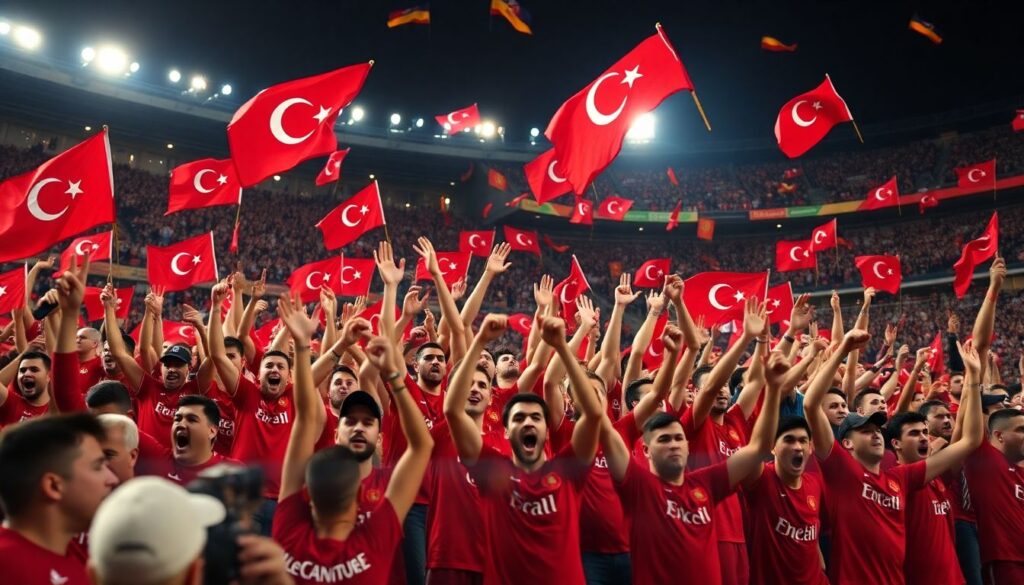
The 2002 FIFA World Cup was the defining global moment for Turkish football. The national team reached the semi‑finals and finished third, defeating several strong opponents and impressing neutral fans with tactical discipline and emotional resilience.
For many supporters, this tournament became the emotional reference point for judging later national team performances. It also influenced how people experience club football, from buying tickets for famous Turkish derby matches to following local players’ careers abroad.
Positive effects on Turkish football culture
- Raised expectations for the national team, proving that Turkey could compete seriously with traditional football powers.
- Inspired a new generation of players who grew up seeing semi‑final football as an achievable target rather than a fantasy.
- Increased international respect for Turkish clubs, helping them attract better foreign players and arrange stronger pre‑season friendlies.
- Strengthened fan culture, boosting demand for a detailed Turkish sports history book that gives proper space to the 2002 campaign.
- Improved television deals and sponsorship interest, which later supported club investments in stadiums and youth academies.
Limitations and challenges after 2002

- The success created high expectations that were difficult to match in later tournaments, causing frustration when qualification campaigns failed.
- Some clubs spent beyond sustainable levels, assuming that international visibility would automatically cover financial risks.
- Focus on short‑term results sometimes slowed deeper reforms in youth development and coaching education.
- Narratives centred heavily on one golden generation, which occasionally overshadowed other important eras and athletes.
- The memory of 2002 can make it tempting to romanticise the past instead of systematically analysing what exactly worked.
Basketball’s Rise: From EuroBasket Bronze to EuroLeague Influence
Turkish basketball climbed from regional relevance to European influence over several decades. National team medals and the success of clubs in EuroLeague and other continental competitions show how basketball developed from a secondary sport into a major pillar of Turkish sporting identity.
- Myth: Success came suddenly. Reality: The rise was gradual, built on youth investments in the 1980s and 1990s, then confirmed by later EuroBasket and World Cup performances.
- Myth: Only imported stars mattered. Reality: Foreign players helped, but Turkish guards and big men formed the core of many deep EuroLeague runs.
- Myth: Domestic league quality is low. Reality: The top Turkish clubs have regularly beaten leading Spanish, Russian, and Greek teams in knockout stages.
- Mistake: Ignoring women’s basketball. Overlooking women’s club and national team achievements misses an important part of the story and understates overall depth.
- Mistake: Treating basketball as separate from football culture. In practice, fans often support both, and big basketball matches now attract visitors using the best tours of historic sports venues in Turkey that include multi‑sport arenas.
- Mistake: Forgetting grassroots impact. Focusing only on EuroLeague trophies hides the expansion of school and community basketball courts that sustain long‑term success.
Paralympic and Para-sport Milestones: Recent Medal Runs and Records
Recent decades have seen significant progress in Turkish Paralympic and para‑sport performance. Athletes have earned medals in sports such as athletics, powerlifting, goalball, and table tennis, helping to reshape public perception of disability and capability.
These achievements matter because they broaden the definition of national success. They also influence how memorabilia of Turkish Olympic medalists for sale is curated, with increasing attention paid to Paralympic items, jerseys, and equipment that previously received less visibility in shops and auctions.
Many fans who travel on best tours of historic sports venues in Turkey now expect guides to include stories of Paralympic teams and accessible training centres alongside football and basketball arenas. This signals a shift from seeing para‑sport as separate to recognising it as integral to the national sporting narrative.
A simple algorithm that historians and fans can use to check the accuracy of any claimed Turkish sporting result works as follows:
- Identify the event: competition name, year, and location.
- Identify the athlete or team: full name and discipline.
- Cross‑check at least two independent databases or federation records.
- Compare medal, position, or score data; if they match, treat as reliable.
- If data conflict, prioritise official federation and IOC/IPC records over secondary sources.
Quick Self-Check: Core Facts You Should Remember
- Can you explain how early Olympic medals helped shape Turkey’s international sporting identity?
- Do you remember why wrestlers like Yaşar Doğu and İsmail Oğan symbolise a golden era?
- Can you summarise Naim Süleymanoğlu’s main contributions to weightlifting and Turkish sport?
- Are you able to describe why the 2002 World Cup run still defines expectations for Turkish football?
- Can you list at least one basketball and one Paralympic milestone that changed public perception in Turkey?
Practical Clarifications on These Historic Sporting Events
What counts as a truly historic moment in Turkish sports?
A historic moment is one that significantly changes perception, results, or structures in Turkish sport. It usually involves a major international medal, record, or tournament run that continues to influence fans, media, and athletes long after the event finishes.
How can I study these moments in more depth?
The most efficient path is to combine a well‑researched Turkish sports history book with official federation archives and video footage. This mix gives you context, verified data, and emotional understanding through live images of the events.
Where can I find material about legendary football players and matches?
Many streaming platforms and specialist retailers allow you to buy documentaries about Turkish football legends. Focus on collections that cover both club derbies and national team tournaments, so you see how domestic rivalries connect with international breakthroughs like the 2002 World Cup.
How do iconic derbies relate to national team success?
High‑intensity club rivalries sharpen players for international competitions. When you buy tickets for famous Turkish derby matches, you are watching many of the same players whose chemistry and experience later influence national team performances at European Championships and World Cups.
Is it possible to collect items from these historic events?
Yes, specialist shops and auction platforms often list memorabilia of Turkish Olympic medalists for sale, along with signed jerseys, tickets, and programs from famous matches. Always verify authenticity through certificates and, when possible, cross‑check with event organisers or clubs.
Can I visit venues where these historic moments took place?
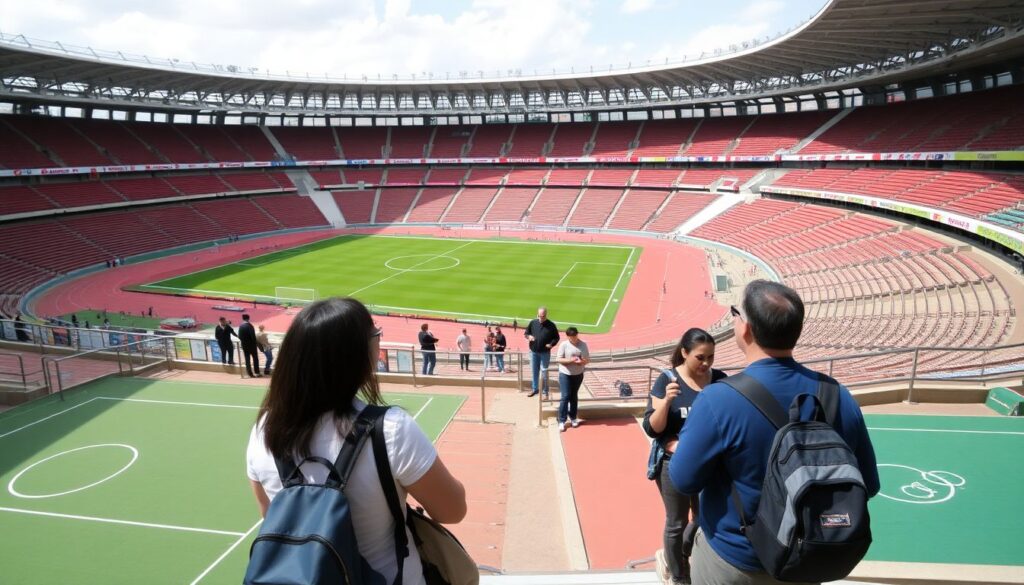
Travel agencies and local guides now organise some of the best tours of historic sports venues in Turkey, including stadiums, arenas, and training centres. These tours often combine football, basketball, wrestling, and Olympic sites to give a full picture of national sporting history.
How should I verify statistics I see online about these events?
Use the simple five‑step check: identify event and year, identify athlete or team, consult at least two official or semi‑official databases, compare results, and give priority to federation and Olympic or Paralympic records when sources disagree.