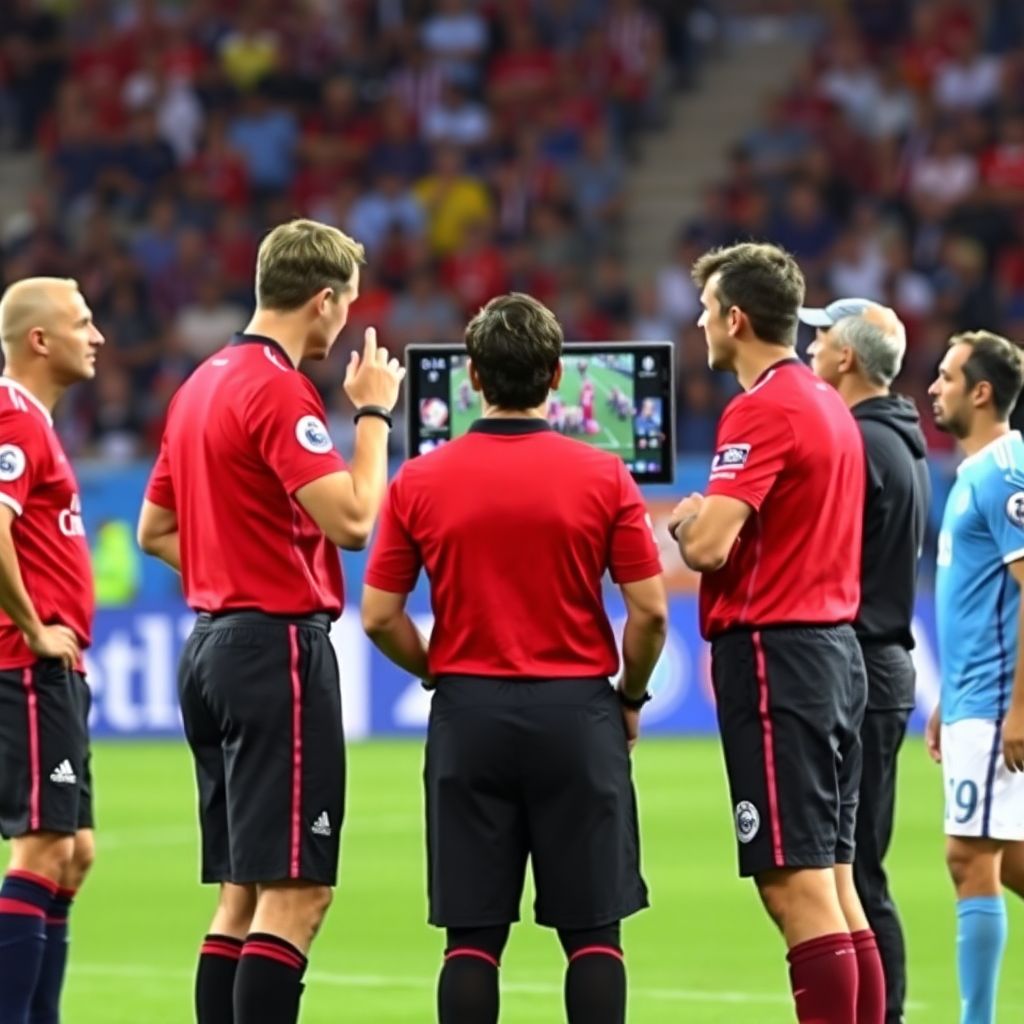
Video Assistant Referee (VAR) and related technologies in the Turkish Super League improve decision accuracy, player safety and tactical analysis, but they do not remove human error or controversy. Their safe use depends on clear protocols, referee training, transparent communication and strict limits on when replays, tracking data and analytics can influence on‑field decisions.
Snapshot: VAR and Tech Effects on the Süper Lig
- VAR in the Turkish Super League is limited to clear and obvious errors in goals, penalties, red cards and mistaken identity, not every foul.
- Technology supports referees; it does not replace their authority or eliminate subjective judgments.
- Football analytics technology in Turkish Super League clubs reshapes scouting, load management and in‑game tactics, but depends on data literacy and privacy safeguards.
- Communication protocols and replay angles are as important as the hardware; poor procedures can turn helpful tech into fresh controversy.
- Fans can safely engage via how to watch Turkish Super League live streaming, turkish super league tickets online purchase and regulated betting only when they respect legal platforms and responsible‑gambling rules.
- Governance, audits and public explanations are necessary to protect trust in VAR and prevent conspiracy narratives about bias or match‑fixing.
Common Misconceptions about VAR in the Süper Lig
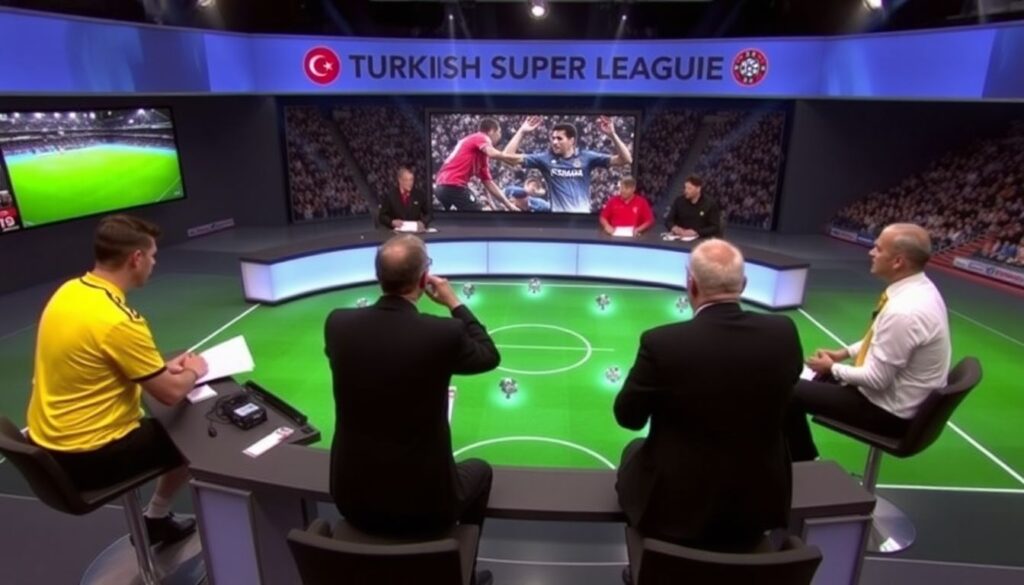
Many debates about the turkish super league var technology impact start from myths rather than how the system is actually defined in the Laws of the Game and TFF regulations. Clarifying what VAR is allowed to do, and what stays fully under the referee’s control, is the safest first step.
The first misconception is that VAR checks “everything”. In reality, VAR may intervene only in four match‑changing situations: goals, penalty incidents, direct red cards and cases of mistaken identity. Fouls in midfield, yellow cards, or minor off‑the‑ball pushes usually remain outside VAR’s scope unless they connect directly to one of these four categories.
A second myth is that slow‑motion always reveals the “truth”. Replays can exaggerate contact and make normal football collisions look malicious. This is why protocols require officials to compare real‑speed and slow‑motion footage and to keep the original on‑field assessment in mind, instead of re‑refereeing the entire phase.
A third misunderstanding is that technology removes all bias or pressure. VAR operators are still human, often former or current referees, and work in a domestic football culture with its own rivalries. The system reduces gross mistakes but cannot guarantee that every 50‑50 handball or offside interpretation will feel fair to both sets of supporters.
Finally, some fans imagine VAR as a central “command center” controlling the match. In fact, the referee on the pitch has the final decision. VAR can recommend an on‑field review, show replays and suggest an overturn, but the referee can confirm or change the call after personally watching the incident.
Operational Mechanics: How VAR Is Deployed in Turkish Matches
- Incident identification: The VAR team continuously watches multiple camera feeds. When they detect a potential clear and obvious error in the four eligible categories, they immediately communicate with the referee via headset.
- Silent check first: Before interrupting the game, the VAR runs a “silent check” using different angles and speeds. If they confirm the on‑field decision is clearly correct, play continues and the referee may never even stop the match.
- Recommendation phase: If the VAR team spots a probable clear and obvious error, they say so in concise, neutral language, describing what the replays show without pressuring the referee to change the decision automatically.
- On‑field review (OFR): For subjective decisions (penalties, red cards, some handballs), the referee goes to the pitch‑side monitor. Turkish protocols encourage a quick walk, limited number of replays, and both normal speed and slow‑motion views to avoid over‑analysis.
- Final decision and signal: The referee either confirms or changes the original call, then makes the rectangular “TV signal” to show VAR involvement. Stadium screens and broadcasts typically replay the key angle to help fans understand what was seen.
- Match‑control safeguards: To protect rhythm and fairness, the referee may delay restarts (for example, before kick‑off after a goal) while a silent check is running. However, once the game clearly restarts after a neutral phase, old incidents cannot be re‑opened endlessly.
- Post‑match review: After matches, clips from contentious VAR decisions are used in referee seminars and internal reviews, strengthening consistency across different match officials and stadiums.
Beyond VAR: Goal‑Line Tech, Wearables and Club Data Systems
VAR is only one part of a broader ecosystem of football analytics technology in Turkish Super League clubs. Several layers of tools now influence how teams train, select line‑ups and manage player health, even though not all of them are visible to fans inside the stadium.
Typical scenarios in which technology goes beyond pure refereeing include:
- Goal‑line confirmation: When available, goal‑line technology instantly tells the referee if the whole ball crossed the line. This removes guesswork in crowded penalty areas and protects both attackers and defenders from unjust decisions in critical scoring situations.
- Wearable tracking in training: GPS vests and heart‑rate monitors help fitness coaches balance workload, especially during congested Süper Lig and cup schedules. Clubs can reduce overtraining risks and better plan rotation, which indirectly improves the quality and intensity of league matches.
- In‑match optical tracking: Camera‑based tracking systems record player position, sprint distance and pressing intensity. Analysts tag clips in real time so coaches can adjust pressing triggers, defensive lines and set‑piece routines during half‑time talks.
- Video and data integration platforms: Clubs combine match footage, event data and medical records in centralized dashboards. This supports long‑term planning: identifying transfer targets, planning contract renewals and monitoring the effect of new tactical ideas over months rather than single games.
- Fan‑facing platforms: Safe, licensed streaming and ticket platforms, plus regulated partners such as the best turkish super league betting sites, use technology to deliver statistics, live odds and secure payments. The healthy use of these services depends on legal compliance and strong consumer protection, not only on technical sophistication.
- Broadcast enhancements: Broadcasters highlight VAR angles, offside lines and expected‑goals data. This shapes public understanding of decisions and, when explained clearly, can calm emotions by showing that marginal calls are genuinely complex, not fixed.
Referee Development: Training, Communication and Replay Protocols
To gain the benefits of technology without losing control of the game, Turkish referees follow structured training and tightly written replay protocols. These define safe steps, such as standard phrases in the headset, and clear limits, such as when VAR is forbidden to intervene.
Structured advantages of tech‑assisted refereeing
- Reduced number of obvious, high‑impact mistakes in goals and penalties, especially when the first viewing angle was blocked or the incident was off the ball.
- Ongoing education through post‑match VAR clip reviews, which expose referees to many rare situations and promote consistent interpretations across the league.
- Better protection for player safety, as serious fouls missed in real time can still be punished by red cards after replay, discouraging reckless challenges.
- Improved teamwork between referee, assistants and VAR officials, with pre‑match briefings about tendencies of specific teams and players, such as frequent quick restarts or set‑piece patterns.
- Clearer communication with clubs and media, because decisions can be explained using concrete video evidence instead of only verbal descriptions.
Inherent limitations and operational risks
- Replay obsession can delay restarts and break match rhythm, frustrating players and fans if checks are not fast and purposeful.
- Over‑reliance on VAR may make some referees less decisive on marginal incidents, hoping that any error will be fixed from the booth.
- Camera coverage is never perfect; hidden shirt pulls or angles blocked by players might still escape every available view, keeping some controversies unsolved.
- Mic communication quality varies by stadium and weather; technical glitches can force referees to manage the match temporarily without VAR support.
- Public confusion arises when stadiums lack big‑screen explanations, leaving fans unclear about what was checked and why a decision changed.
Governance and Accountability: Regulations, Appeals and Public Trust
Because VAR and data systems shape results and finances, the Turkish Football Federation must combine clear rules with visible oversight. Governance choices strongly influence whether technology is seen as neutral support or as a hidden instrument for favoured clubs.
- Opaque selection of VAR officials: When assignments and de‑selections are not explained, fans quickly suspect bias. Publishing basic criteria for appointments and performance review is a safe step toward credibility.
- Misunderstanding appeals limits: Clubs often believe that any controversial VAR decision can be overturned later. In practice, only specific disciplinary outcomes are appealable; the referee’s final result usually stands, even if debate continues.
- Conspiracy narratives about technology providers: Some supporters claim that camera operators or software vendors can manipulate images or offside lines. Independent audits and transparent contracts are essential to counter these myths.
- Unclear data ownership and privacy: Wearables and tracking systems generate sensitive performance and health data. Without strong policy, players may fear misuse in contract talks or transfers, reducing buy‑in to analytics programs.
- Unregulated fan engagement tools: From unofficial streams to illegal gambling, unsafe channels exploit the appetite created by technology. Directing fans toward legal, secure services, including official how to watch turkish super league live streaming guides and club ticket portals, protects both finances and integrity.
- Over‑promising certainty: When officials or broadcasters describe VAR as error‑free, every remaining mistake feels like proof of corruption. Honest messaging that “VAR reduces, but does not remove, errors” fits reality and supports long‑term trust.
Tactical and Performance Consequences for Teams and Players
Technology changes behaviour on the pitch and in the meeting room. Coaches and players slowly adapt their tactics to a world where every contact, offside line and sprint pattern can be dissected frame by frame, including in post‑match media debates and internal club reviews.
Consider a typical Süper Lig scenario. A pressing‑oriented team uses tracking data to study how often their high line is caught by through balls punished by VAR‑confirmed penalties or red cards. Analysts discover that most danger comes in the final 15 minutes, when centre‑backs are tired and step late into traps.
In response, the staff defines concrete, safe adjustments:
- Lower the defensive line by a few metres after a certain sprint threshold is reached by key defenders, measured via wearables in real time.
- Use substitutes earlier for full‑backs, whose recovery runs are crucial if the offside line is broken and an attacker goes through on goal.
- Train defenders to avoid “soft” shirt pulls in the box, knowing that slow‑motion VAR replays will often upgrade minor holding into penalty decisions.
- Plan video sessions where players watch their own incidents along with referee explanations, aligning team discipline with how VAR interprets physical duels.
At the same time, clubs educate supporters about safe fan engagement: using club apps for turkish super league tickets online purchase instead of unverified resellers, choosing licensed platforms rather than offshore sites advertised as the best turkish super league betting sites, and relying on official streaming partners. In this environment, the turkish super league var technology impact is not only better refereeing, but also a more data‑literate, safety‑aware football culture linking stadiums, living rooms and digital services.
Concise Practical Answers for Fans, Clubs and Match Officials
Which situations can VAR actually change in a Turkish Super League match?
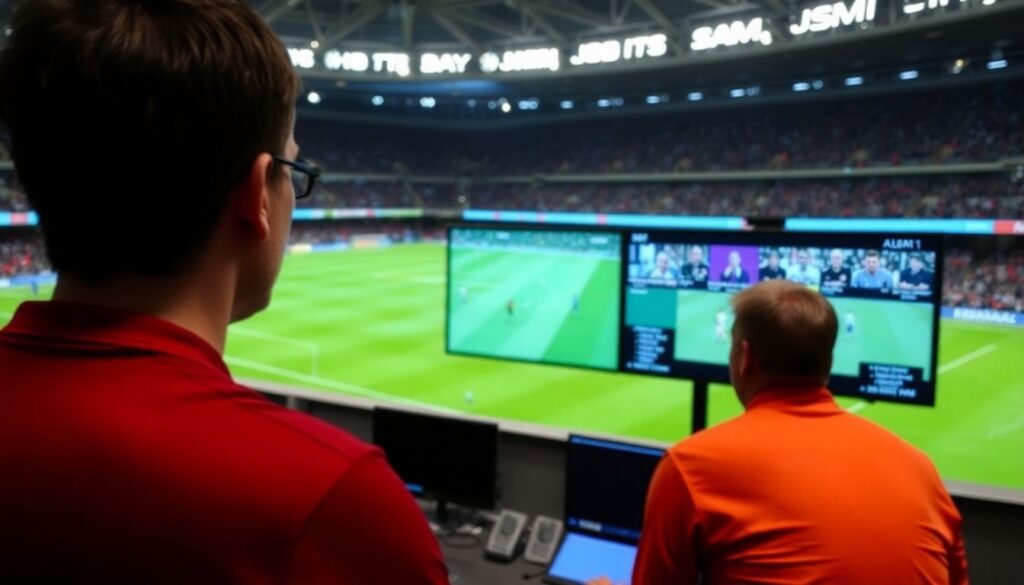
VAR can intervene only in four areas: goals, penalty incidents, direct red cards and mistaken identity. Even then, the referee makes the final decision after seeing replays; VAR is not allowed to re‑referee routine fouls or every contact in the box.
How can fans follow VAR decisions more safely and calmly during games?
Focus on the referee’s TV signal, then look for replays and graphics from the official broadcaster instead of social media clips. Remember that the protocol demands a clear and obvious error; close, subjective calls will not always be overturned in your team’s favour.
What should clubs in Türkiye do to use analytics technology responsibly?
Clubs should define who owns player data, limit access to trained staff, and store information securely. They also need to explain to players how tracking is used for performance and injury prevention, not for unfair contract pressure, to build trust in analytics projects.
Does technology make betting on the Turkish Super League safer or more dangerous?
Technology makes odds and live data more accurate, but it can also intensify impulsive betting. Safety depends on using only licensed, regulated operators, setting strict personal limits and treating wagering as entertainment, not as a source of income or football expertise.
Is it still worth going to the stadium when live streaming and replays are so advanced?
Yes. Official how to watch Turkish Super League live streaming guides help fans who cannot travel, but in‑stadium experience, atmosphere and immediate emotional connection remain unique. The safest approach is combining both: attend some matches live and use legal streams for the rest.
How should referees adjust their style now that VAR is in place?
Referees should stay decisive on the pitch, treating VAR as a safety net, not a crutch. Clear body language, quick whistle decisions and concise headset communication help keep control, while post‑match VAR reviews become a key part of ongoing self‑evaluation and learning.
What is a realistic expectation for fans regarding VAR accuracy?
Expect fewer obvious, game‑changing mistakes, not perfection. Camera angles, human interpretation and complex handball or offside rules mean that some decisions will always stay controversial, even after replay. Viewing VAR as a tool that reduces, but cannot remove, error is the healthiest mindset.