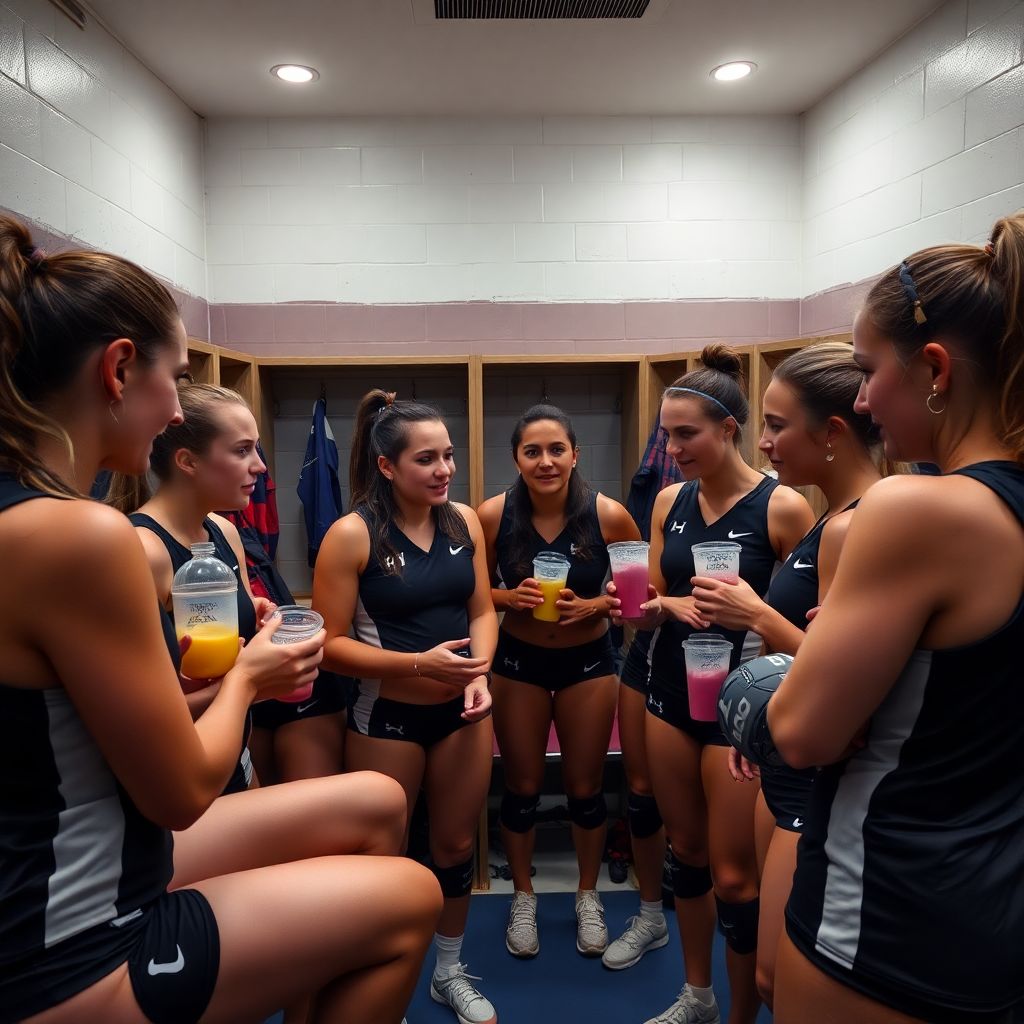
Nutrition and recovery in elite volleyball mean: if you want repeat high‑speed jumps, sprints and focus across long tournaments, then you must periodize carbs, protein, fluids, sleep and recovery tools with the same precision as tactics and strength work. If you ignore them, performance, resilience and career length all drop.
Core insights on nutrition and recovery for elite volleyball
- If training volume or match load goes up, then energy availability and carbohydrate intake must go up in parallel.
- If you sweat heavily or play in hot Turkish halls, then proactive hydration and electrolytes become performance‑critical.
- If you want stable power across multi‑match days, then fuel before, during and immediately after each match.
- If soreness and fatigue stay high for several days, then sleep, protein distribution and recovery methods need upgrading.
- If you add supplements, then they should be evidence‑based, individualized and secondary to food, not replacements.
- If you want sustainable progress, then monitoring simple metrics and adjusting the volleyball nutrition program for elite athletes is non‑negotiable.
Nutrition fundamentals: macronutrients, timing and energy availability
If you train and compete daily at elite level, then total energy intake must at least match (and often slightly exceed) your output, or your body will down‑regulate power, speed and immunity. This balance is called energy availability and it is the foundation of any volleyball nutrition program for elite athletes.
If you need explosive jumps and repeated rallies, then carbohydrates are your main fuel: more on heavy training and match days, less on rest days. If you want to repair muscle and support adaptation, then spread protein evenly over the day, instead of one huge evening portion. Fats should mainly come from quality sources and support hormones and brain function, not be your primary fuel for high‑intensity play.
If sessions are long or multiple per day, then nutrient timing matters: eat a carb‑focused meal 2-4 hours before, a small top‑up snack 30-60 minutes before, and start recovery within 1 hour after. Evidence level: strong for overall energy and carbs; strong for protein distribution; moderate for exact timing windows.
If-then checklist: core fueling decisions
- If body mass, mood or performance are dropping over several weeks, then increase daily energy intake and track for 10-14 days.
- If a session lasts longer than 90 minutes, then plan both a pre‑session carb meal and an intra‑session carb source.
- If you go more than 4-5 hours without protein, then insert a snack (yoghurt, milk, eggs, meat, legumes or protein drink).
Hydration and electrolyte management for practice and matches
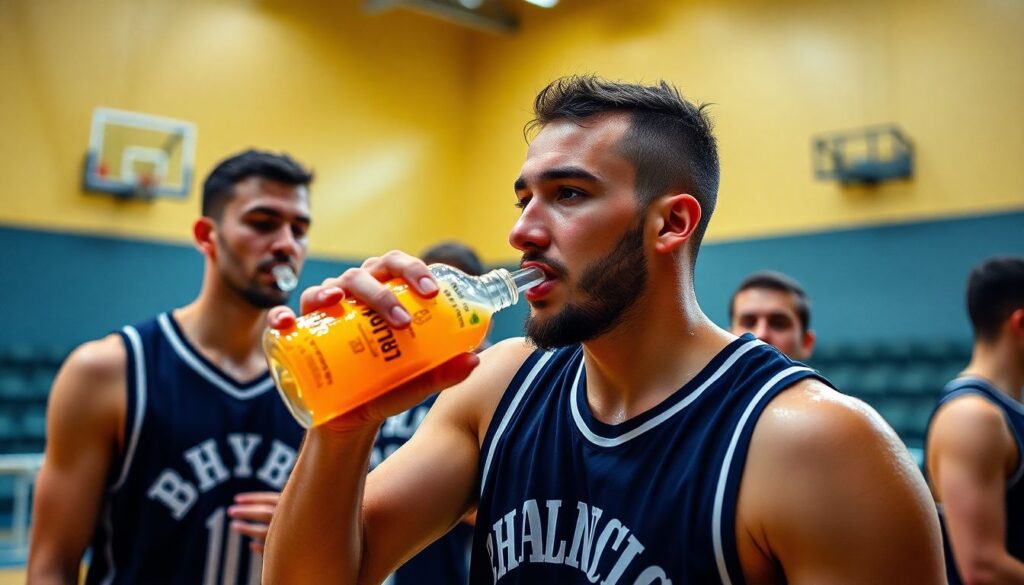
If you lose more than a small percentage of body mass through sweat, then jump height, decision‑making and reaction speed can decline. Hydration and electrolytes therefore must be planned, not left to thirst, especially in hot gyms and during long tournaments across Turkey.
- If training is under 60 minutes at low-moderate intensity, then water according to thirst is usually enough; evidence: strong.
- If training or matches exceed 60-90 minutes, then use a carb‑electrolyte drink to supply both fluid and sodium; evidence: strong.
- If you see salt marks on clothing or have muscle cramping, then prioritize sodium (electrolyte tablets, sports drink or salty foods) rather than only increasing plain water; evidence: moderate.
- If you have two matches in a day, then start hydrating in the morning, not just during warm‑up, aiming for pale yellow urine pre‑match.
- If you frequently fly to away games, then reduce caffeine and alcohol on travel days and sip fluids regularly to offset dry cabin air.
- If you use volleyball recovery tools and equipment like compression gear or boots, then support them with adequate hydration so circulation aids can work effectively.
If-then checklist: fluids and electrolytes
- If body mass after training is more than about 1-2% lower than before, then drink extra fluids with sodium over the next 2-4 hours.
- If you train in very hot or humid indoor halls, then schedule planned drink breaks rather than waiting for strong thirst.
- If you often wake up with a dry mouth or headache, then increase evening and early‑morning hydration before hard sessions.
Periodized fueling: training, travel and competition day plans
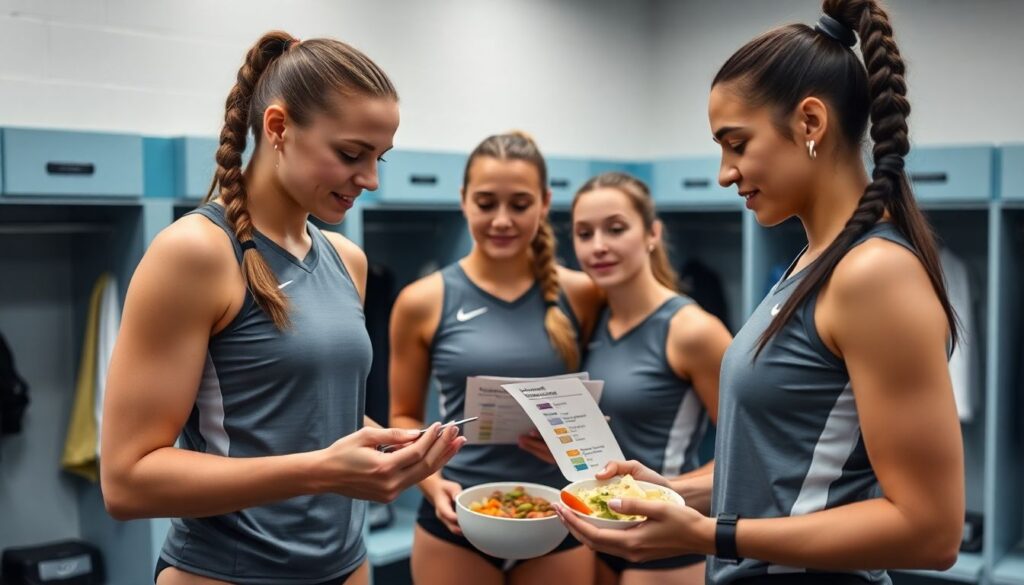
If training load changes across the week, then nutrition should also change: this is periodized fueling. Custom meal plans for professional volleyball players reflect heavy, moderate and light days, as well as travel and competition schedules, rather than repeating the same intake every day.
- If it is a heavy training day, then increase carbohydrates (rice, pasta, bread, fruit, potatoes) at breakfast, lunch and pre‑training meals, and keep protein steady across 3-5 feedings.
- If it is a tactical/light day, then keep protein similar but reduce carb portions slightly, especially at evening meals, to avoid unnecessary weight gain while still covering recovery.
- If it is a double‑session day, then schedule a carb‑rich meal 3-4 hours before the first session, an aggressive recovery snack immediately after, and another carb‑protein meal between sessions.
- If it is a travel day, then plan portable, familiar foods (sandwiches, rice dishes, nuts, yoghurt) to avoid long gaps and to minimize GI distress from unfamiliar airport or roadside foods.
- If it is match day with one match, then eat a larger carb‑focused meal 3-4 hours before, a light top‑up (banana, small sandwich, sports drink) 30-90 minutes before, and a carb‑protein recovery meal within 1 hour after.
- If it is tournament day with multiple matches, then think in cycles: refuel, rehydrate and recover between matches with easy‑to‑digest carbs, some protein and electrolytes, repeating after each match.
If the team works with a sports dietitian for elite volleyball teams, then these patterns are adapted to each player’s position, metabolism and GI tolerance, building a practical framework rather than rigid meal plans.
If-then checklist: applying periodized fueling
- If tomorrow’s load is much higher than today’s, then increase carb portions at dinner and breakfast and prepare snacks in advance.
- If you have less than 2 hours between matches or sessions, then favor liquids and easily digestible carbs instead of heavy solid meals.
- If travel disrupts your usual routine, then pre‑pack at least two balanced snacks and one simple main meal equivalent.
Recovery strategies: sleep, active recovery and soft-tissue methods
If training quality or match performance is stagnating despite good plans, then recovery is usually the limiting factor. Sleep is the highest‑impact recovery tool: if athletes routinely get less sleep than their individual need, then no amount of massage, ice baths or advanced volleyball recovery tools and equipment can fully compensate.
If muscles are stiff and joints feel overloaded, then active recovery (light cycling, mobility, pool sessions) and soft‑tissue methods (self‑myofascial release, massage) can reduce perceived soreness and maintain range of motion. Evidence for sleep is strong; for specific soft‑tissue and passive modalities it is moderate to limited but often useful when combined with sound training and nutrition.
Advantages of structured recovery
- If you prioritize consistent sleep and simple active recovery, then mood, reaction time and technical precision tend to improve.
- If you coordinate recovery days with coaching staff, then cumulative fatigue across the season is easier to control.
- If you standardize some soft‑tissue work after high‑load days, then athletes often report less lingering tightness and better readiness.
Constraints and typical limits
- If you rely only on passive tools (boots, cold tubs, gadgets) without good sleep and nutrition, then results will be modest.
- If recovery work becomes so long that it cuts into sleep or increases stress, then even helpful methods can backfire.
- If budget or travel limits access to therapists, then self‑care routines and simple tools (rollers, balls, bands) must be emphasized.
If-then checklist: building a recovery routine
- If you wake unrefreshed more than a few days per week, then extend time in bed and improve pre‑sleep routines before adding new gadgets.
- If soreness lasts longer than 48-72 hours after normal training, then check load, nutrition and hydration before chasing new modalities.
- If matches finish late at night, then use calming routines (light snack, low screens, breathing) to protect sleep onset.
Ergogenic aids and supplements with evidence for volleyball
If food, sleep and training are already well organized, then certain supplements can provide small but meaningful gains. The best sports supplements for volleyball players are those with strong evidence, clear dosing, and safety profiles, such as creatine, caffeine and well‑designed carb‑electrolyte products, applied individually.
If you search online without guidance, then marketing myths and overpromises are common. Evidence quality for most products is limited or context‑specific, so supplements should be considered finishing touches, not the base of a performance plan.
Common if-then errors and myths
- If you think a supplement can fix poor sleep, low energy intake or inconsistent training, then expectations are unrealistic; basic habits must come first.
- If a product claims rapid muscle gain or fat loss with minimal effort, then evidence is usually weak or absent.
- If one teammate benefits from a supplement, then it does not automatically mean you will respond the same way; individual testing is essential.
- If you buy cheap, unverified brands, then the risk of contamination and doping violations increases significantly.
- If you ignore timing and context (for example, caffeine too late at night), then even effective supplements can harm sleep and recovery.
If-then checklist: using ergogenic aids wisely
- If you are considering new supplements, then consult a qualified professional or sports dietitian for elite volleyball teams before starting.
- If a supplement is not supported by independent evidence or clear dosing guidelines, then avoid using the team as a test lab.
- If you decide to trial a product, then test it in training first, not for the first time in a decisive match.
Monitoring, individualization and integrating sport science data
If every player on an elite team eats the same amounts, at the same times, and follows the same recovery routine, then some will be under‑recovered and others over‑fed. Monitoring and individualization turn general principles into targeted strategies that fit positions, roles and personal responses.
If you collect simple data such as body mass trends, wellness scores, sleep duration and training load, then you can connect drops in jump height or speed with specific recovery or nutrition issues. This is where sport science supports practice, guiding adjustments in the volleyball nutrition program for elite athletes.
Mini example: integrating data into decisions
If a middle blocker shows a repeated drop in morning wellness scores, small but consistent body mass loss, and lower jump‑test outputs over two weeks, then the staff can:
- Increase evening and post‑training carbohydrate and protein portions.
- Shift one weekly high‑load session to moderate load to allow recovery.
- Set a minimum sleep window and track adherence for 1-2 weeks.
If metrics and performance improve, then these changes become part of that player’s individual plan; if not, then further investigation (medical, psychological, scheduling) is needed.
If-then checklist: practical monitoring
- If you cannot realistically track many variables, then start with just training load, sleep duration and a brief daily wellness score.
- If a change in data persists for more than a week, then adjust nutrition or recovery, not only training content.
- If players feel overwhelmed by data, then simplify reports to one or two clear actions per week.
Self-audit checklist for coaches and players
- If weekly training and match loads are mapped, then nutrition and recovery plans should be clearly adjusted to heavy, moderate and light days.
- If players cannot explain their pre‑match and post‑match routines, then education and simple written plans are needed.
- If at least one structured review of nutrition and recovery is not happening each month, then opportunities for performance gains are being missed.
- If budget allows, then integrating custom meal plans for professional volleyball players with monitoring and feedback will give better long‑term results than one‑off talks.
- If new volleyball recovery tools and equipment are purchased, then staff should define exactly when and how they are used, and what outcomes will be tracked.
Practical clarifications and common implementation issues
How many meals per day are ideal for elite volleyball players?
If your total intake and timing around training are on point, then 3 main meals plus 1-3 snacks usually work well. The key is spreading protein and carbohydrates to support both sessions and recovery, not forcing a specific number of meals.
What if a player has early morning training and cannot eat a full breakfast?
If a big breakfast is not tolerated, then use a small, easily digestible snack plus fluids before training, and a larger carb‑protein meal immediately after. Over time, you can gradually increase pre‑session intake as the gut adapts.
How should caffeine be used on late‑evening match days?
If the match is late and sleep is a concern, then use lower caffeine doses earlier (warm‑up or first set) and avoid top‑ups in the final phase of the match. Protecting sleep will help more than an extra short‑term boost.
Do all players need the same hydration strategy?
If sweat rates and salt losses differ, then hydration plans must be individualized. Some need more electrolytes, others more total volume, so testing body mass change and observing symptoms is essential.
How often should the nutrition program be adjusted during the season?
If training load, role or body composition goals change, then nutrition should be revisited. In practice, reviewing the volleyball nutrition program for elite athletes every 4-8 weeks, or at each major phase change, is usually effective.
Are supplements necessary for young elite prospects?
If basic food habits, sleep and training quality are still inconsistent, then supplements are rarely a priority. Focus first on building strong routines; only later add carefully selected, evidence‑based products if there is a clear need.
Who should coordinate nutrition and recovery in a professional team?
If resources allow, then a sports dietitian for elite volleyball teams should lead nutrition, in close cooperation with strength coaches, medical staff and the head coach. Clear roles prevent mixed messages and ensure consistency.