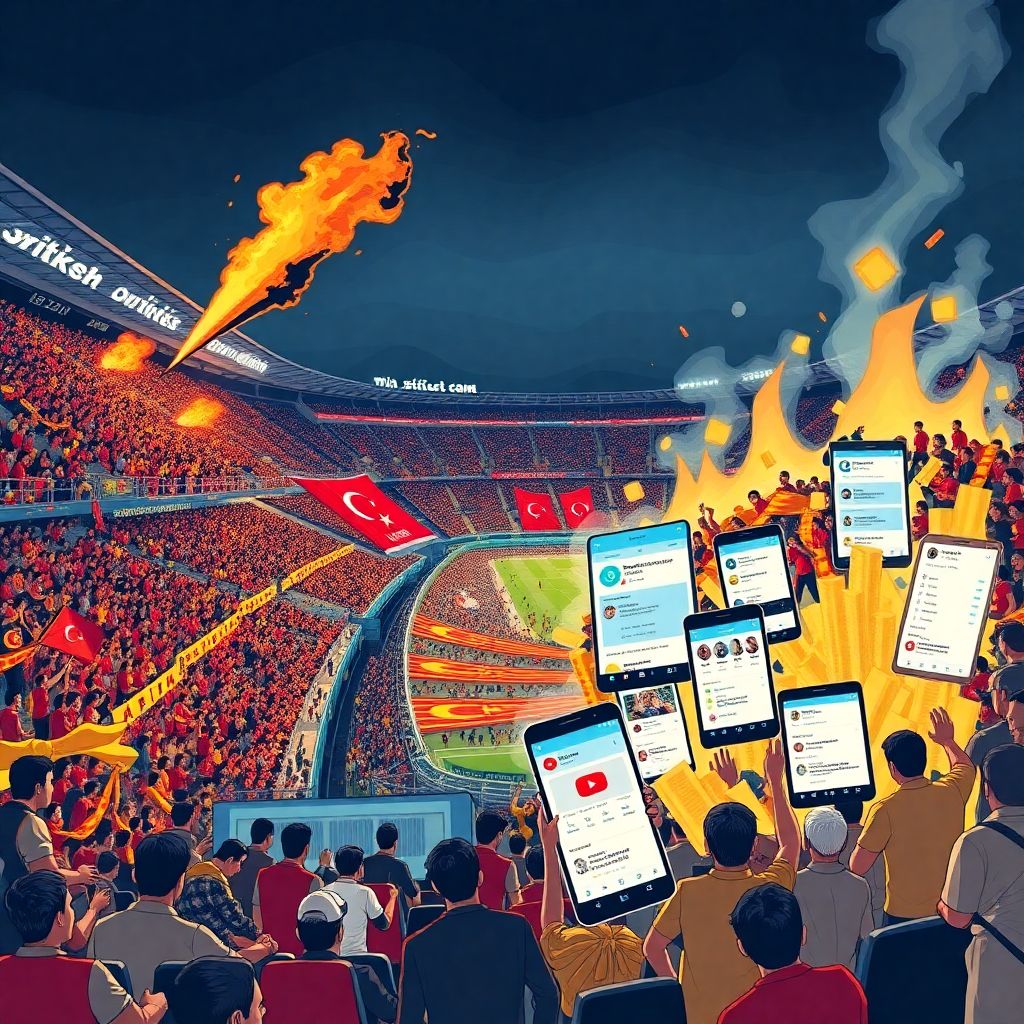
From terraces to timelines: why Turkish fan culture had to evolve
Turkish football fan culture didn’t “naturally” modernise; it was forced to. Rising ticket prices, tighter policing, and the 2014 Passolig system pushed many hardcore supporters away from stadiums and into digital spaces. Between the 2019–20 and 2022–23 Süper Lig seasons, official TFF data shows average attendances bouncing from roughly 8–9k (pandemic distortion) up to 16–18k, yet ultra groups report that their core numbers in active singing sections are proportionally smaller. The passion is the same, but it’s relocated: WhatsApp, Telegram, Twitter/X and YouTube now function like virtual curva ends, where chants are tested, tifos are crowdfunded, and even transfers are pressured into existence. Understanding this shift is crucial if you want to work with fans today instead of constantly fighting them.
The core problem: the more authorities try to “sanitize” the matchday, the more creativity leaks online—where it’s harder to negotiate with anyone.
Stats behind the noise: how loud are Turkish fans really?
If you want to manage or leverage fan culture, track numbers, not myths.
Between 2021–22 and 2023–24, Galatasaray’s average home attendance climbed from around 27k to over 40k according to club and TFF reports, with season-ticket waiting lists reappearing. Fenerbahçe, after a relatively flat decade, passed the 35k mark in 2023–24, while Beşiktaş hovered around 25–28k despite inconsistent results. Social media grew even faster: from 2021 to late 2024, Galatasaray and Fenerbahçe both added roughly 4–5 million combined followers across Instagram and Twitter/X, and Beşiktaş around 1.5–2 million. Full 2025 data isn’t yet consolidated, but mid‑2025 platform stats indicate at least a further 10–15% growth year‑on‑year. The key problem: most clubs still treat these millions as an audience to broadcast at, rather than as co‑producers of culture, content and even stadium atmosphere.
Chants as strategy, not background noise
Most clubs still behave as if chants are a random by‑product of passion. They’re not; they’re programmable assets if you respect their grassroots origins. A real case: during the 2022–23 title race, Galatasaray groups tested new songs on YouTube and TikTok weeks before key fixtures. One chorus, originally a low‑fi phone recording, passed 1 million views before ever being sung in a full stadium. By the time it hit the terraces, half the crowd already knew the lyrics. The problem is executives noticed this only after the fact and then tried to “own” it via corporate-style lyric videos, which killed authenticity. A non‑obvious fix is to quietly support the studio work: fund better recording, ensure copyright protection, but let ultras retain narrative control. Treat chants like open‑source software: you maintain the infrastructure, they drive the code.
Tifo wars and the logistics nobody wants to talk about
Most tifos look spontaneous; almost none are.
Post‑pandemic, mega‑choreos in Istanbul became logistically harder: stricter safety checks, costs of materials up by 30–40% since 2021, and more detailed approval procedures. Yet between 2022 and 2024, the number of large‑scale tifos in big derbies actually increased, especially in the Galatasaray–Fenerbahçe rivalry. One workaround has been micro‑segmenting choreography: instead of a single gigantic banner requiring full‑stadium coordination, groups prepare dozens of modular pieces that can be rearranged, reused, or quickly cancelled if authorities block part of the design. Think of it as “Lego tifo”. Another not‑so‑obvious method is using online polls to pre‑test visuals weeks in advance without showing the full composition; fans vote on fragments, not realising they’re approving parts of a bigger puzzle. That reduces last‑minute redesigns and wasted money.
Derbies, tickets, and the new black market
The Galatasaray–Fenerbahçe rivalry remains the pressure cooker of Turkish football, but the battlefield has changed. Instead of fights at turnstiles, the modern war is over access algorithms. Since Passolig, traditional touting moved to digital: Telegram groups, Twitter/X DMs, and grey‑market resellers dominate the hunt for galatasaray fenerbahce derby tickets. Even when clubs push turkish football tickets online through official channels, high‑demand matches can sell out in minutes, with data suggesting 15–20% of seats being rapidly flipped at inflated prices. Here’s the twist: some fan groups now run their own internal lotteries and solidarity schemes, allocating tickets based on away‑days attended, not money. For professionals, the lifehack is counterintuitive—don’t fight these internal systems; integrate them. Offer dedicated “group allocations” and link them to transparent attendance metrics, cutting oxygen to resellers while rewarding genuine loyalty.
Digital tribes and the new hierarchy of influence
If you still picture a “typical” Turkish fan as a guy in the stands with a flare, you’re missing half the ecosystem. Since 2021, fan‑run YouTube channels and Twitter/X accounts have become kingmakers. Some club‑specific influencers match mid‑table European clubs in average live‑stream audiences on big matchdays. A Fenerbahçe YouTube channel pulling 80–100k concurrent viewers before derbies is now normal, not exceptional. These digital tribes don’t just react; they organise: choreo fundraising is done via live‑streams, travel logistics via Telegram, and even coach‑out campaigns can be orchestrated in days. An alternative method to the old “invite a few capo leaders to the boardroom” is to form rotating digital councils: quarterly Zoom or in‑person sessions with different fan‑media reps, each bringing hard data (view counts, poll results) on what supporters actually want. You’re not guessing sentiment; you’re reading it.
Merch, style, and the quiet power shift from clubs to scenes
The last three years saw merchandise turn from souvenir to identity passport. Official club shops improved, but parallel micro‑brands exploded around stadiums and online. Fans don’t just buy colours; they buy affiliation to a sub‑tribe. While the turkey football fan merchandise shop model used to revolve around generic shirts and mugs, now limited‑run designs linked to specific chants or historic away trips sell out faster than standard stock. Ultras style football scarves and jerseys are designed by the groups themselves, not by club marketing teams, which means symbolism is sharper and more political. For professionals, one non‑obvious solution is licensing in reverse: instead of shutting down fan designers, co‑sign their drops and give them a revenue cut. That converts a piracy headache into an innovation lab and surfaces real‑time data on what aesthetics actually move your crowd.
Case study: Beşiktaş and the art of turning pain into product
Beşiktaş supporters offer a stark example of emotional capital in action. After sporting and financial turbulence between 2021 and 2024, attendance wobbled but emotional intensity didn’t. Chants referencing economic hardship and political frustration went viral beyond football, with one 2023‑era song widely remixed on TikTok and even used in unrelated protests. Around the same time, independent sellers of black‑and‑white streetwear reported significant sales spikes on matchdays, and search interest in besiktas fan gear buy online rose accordingly. The club’s initial instinct was to clamp down on unofficial sellers, but the smarter move has been selective collaboration: integrating some designs into official drops, while tolerating a grey zone for smaller creators. The lifehack for insiders is simple: monitor what prints appear in the curva six months before adding similar vibes to your official catalogue; the stands are your free R&D department.
Buying access, not just souvenirs: tickets, bundles, and hidden value
For the average supporter, the transaction is no longer “ticket for 90 minutes of football”. It’s “access to a tribe for a specific ritual”. That’s why selling turkish football tickets online purely as seat numbers misses the point. Progressive clubs now test bundles: ticket + early‑access chant booklet, or ticket + digital code unlocking behind‑the‑scenes tifo prep videos. Combined with a well‑curated turkey football fan merchandise shop—ideally featuring capsules co‑created with ultras—you convert a one‑off purchase into a multi‑touchpoint experience. One alternative approach that works in Istanbul is “ritual passes”: packages that include certain away games, choreo contributions, and priority for derby days. It’s less about hospitality, more about belonging. Get that right, and your resale problem shrinks because real fans have fewer reasons to trade their place in the ritual for short‑term profit.
Pro lifehacks: how to work with Turkish fan culture instead of against it
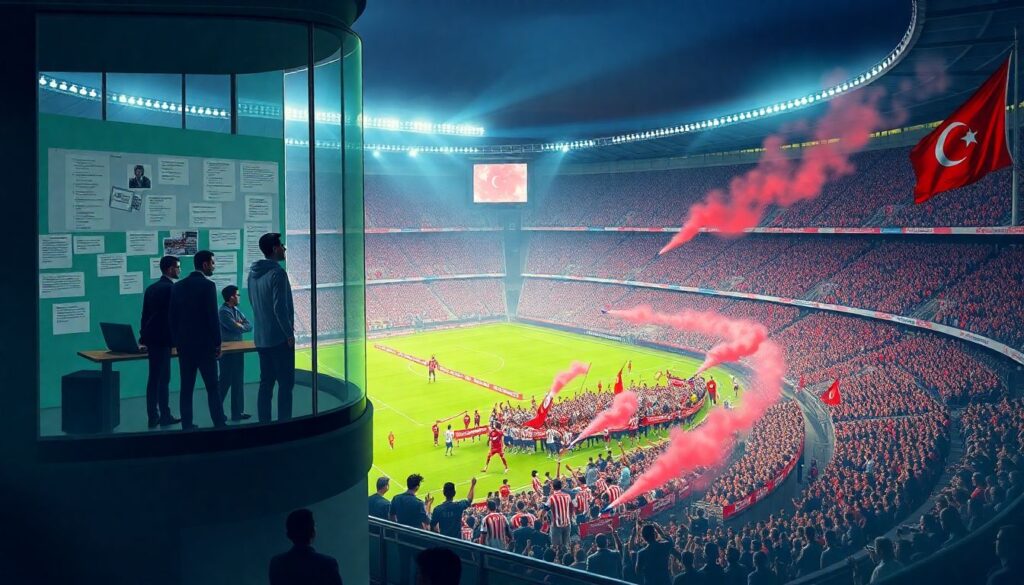
If you’re a club official, marketer, or even an external brand, treat Turkish fan culture as a partner with veto power, not as noise to be managed. First, create a small “curva office” inside the club that deals only with atmosphere: chants, tifos, travel, and digital tribes. Staff it with people who actually go to away games. Second, stop guessing demand; scrape and analyse fan‑media content weekly—what songs are trending, which designs sell out, which influencers shift opinion—and adjust everything from pricing to kick‑off events accordingly. Third, respect friction: when fans resist a campaign, don’t gaslight them; open the brief and rebuild it together. Finally, remember that ultras style football scarves and jerseys, chanting traditions, and online micro‑communities are not decorations; they’re your competitive edge in a globalised entertainment market that otherwise makes every club look the same.