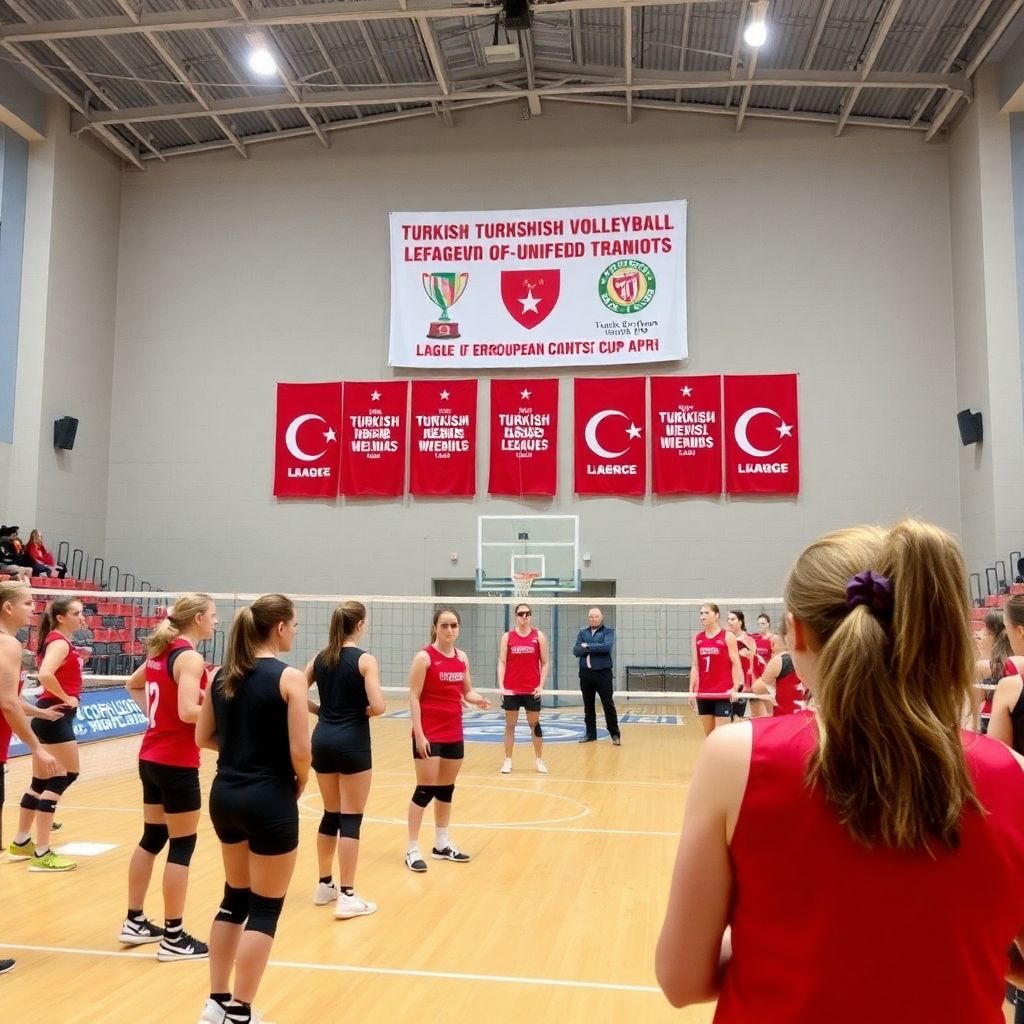
Turkey’s volleyball powerhouses succeed because clubs run deep academy systems, align coaching with the national team, and give players intense competition in Vodafone Sultanlar Ligi and European cups. To copy this model, build clear pathways from grassroots to elite, share methodology with the federation, and protect players’ health and workloads.
Core mechanisms linking club ecosystems to national team performance
- Structured youth academies that feed senior squads and national youth teams.
- Systematic scouting, scholarships and clear transition windows between age levels.
- Shared coaching language, game models and data between clubs and federation.
- High-intensity domestic leagues and cups plus regular international club exposure.
- Integrated sports science, medical and workload monitoring structures.
- Stable governance, long-term funding and strategic partnerships across stakeholders.
- Fan engagement and media visibility that sustain demand for elite development.
Youth academies and grassroots pipelines: how clubs cultivate elite talent
For Turkey’s national squads, the real production line starts long before professional contracts. Youth academies and grassroots structures are the main place where technique, game intelligence and habits are formed. This is where local schools, regional clubs and the federation must coordinate rather than compete.
This approach is ideal if you are:
- A professional or semi-professional club aiming to supply players to the national team.
- A regional association trying to professionalise your youth structure around turkish volleyball academy programs.
- A school or university looking to integrate into the club pathway instead of working in isolation.
It is not the first step you should take if:
- You lack safe facilities (ceiling height, flooring, lighting) or qualified coaches with basic federation licenses.
- Your budget cannot cover minimal medical checks, insurance and transport for youth competitions.
- There is no local league structure to give your players regular matches.
Once these minimums are in place, build a pyramid:
- Mini-volleyball and school festivals to recruit large numbers and make the game fun.
- Club youth teams in multiple age brackets (U12, U14, U16, U18) with clear training standards.
- Formal cooperation with the best turkish volleyball clubs for talent exchange and coach education.
Implementation steps:
- Map all schools and community courts in your area and sign simple cooperation agreements.
- Standardise weekly training volumes per age (sessions, duration) to avoid burnout.
- Use small-sided formats and mixed-gender groups in early ages to maximise ball contacts.
Talent identification and progression: scouting, scholarships, and transition windows
Even in a strong system like Turkey, many potential internationals are lost because progression from local star to national player is unclear. You need transparent criteria for selection, objective testing, and defined windows when players can move between levels without bureaucratic chaos.
Core requirements and tools:
- Scouting network
- Assign regional scouts to school tournaments, local leagues and turkey volleyball training camps.
- Use simple, shared evaluation forms (height, reach, speed, coordination, game sense).
- Encourage coaches to submit video clips from phones with clear angles and short duration.
- Data and tracking infrastructure
- Maintain a secure database of prospects with age, club, position, and contact details.
- Record basic testing (jump, sprint, agility) annually to track development, not to label kids.
- Share non-sensitive data with the federation to align youth national team call-ups.
- Scholarship and support mechanisms
- Travel and accommodation support for talented players from outside major cities.
- Education partnerships with schools and universities to protect academic progress.
- Clear, written scholarship rules to avoid misunderstandings with families.
- Transition windows and rules
- Fixed periods when players can move between academy, reserve and first teams.
- Special fast-track rules for national team prospects to train up with seniors while still playing youth leagues.
- Agreements between clubs and federation clarifying release rules for national youth events.
To make this safe and sustainable:
- Never push early specialisation before basic motor skills and enjoyment are secured.
- Communicate transparently with parents about expectations and realistic career paths.
- Protect schooling by aligning training hours with academic schedules.
Coaching continuity: aligning club and national training methodologies
Turkey’s rise in volleyball is strongly linked to shared coaching concepts between leading clubs and national teams. When players move from club to national camp, the language, drills and expectations should feel familiar, not like a different sport.
- Audit current practice and terminology
Gather plans from club and national coaches. Identify overlaps and contradictions in technical language, defensive systems and physical work.- List common drills and note where variations confuse players.
- Agree on a base naming system for rotations, serve zones and blocking schemes.
- Define a shared game model
With representatives from the federation and best turkish volleyball clubs, outline core principles for attack, serve pressure, side-out and transition defence.- Keep it principle-based, not a rigid playbook.
- Specify which principles must be common and where clubs can innovate.
- Standardise fundamental technical teaching
Align how you teach passing platform, arm swing, blocking footwork and setting technique across age groups.- Create short video libraries accessible to all licensed coaches.
- Use the same cues in national team and academy sessions.
- Integrate physical preparation and load guidelines
Develop shared frameworks on strength, conditioning and recovery so players are not overloaded when joining national camps.- Agree on maximum weekly jump counts per age bracket.
- Exchange wellness and training data before and after national call-ups.
- Run joint education and review cycles
Host annual seminars and online clinics where club and national coaches present case studies, including matches from Vodafone Sultanlar Ligi and European competitions.- Use vodafone sultanlar ligi live streaming game clips to discuss decisions with a shared vocabulary.
- Capture learnings after each international season and feed them back into club curricula.
Fast-track alignment mode
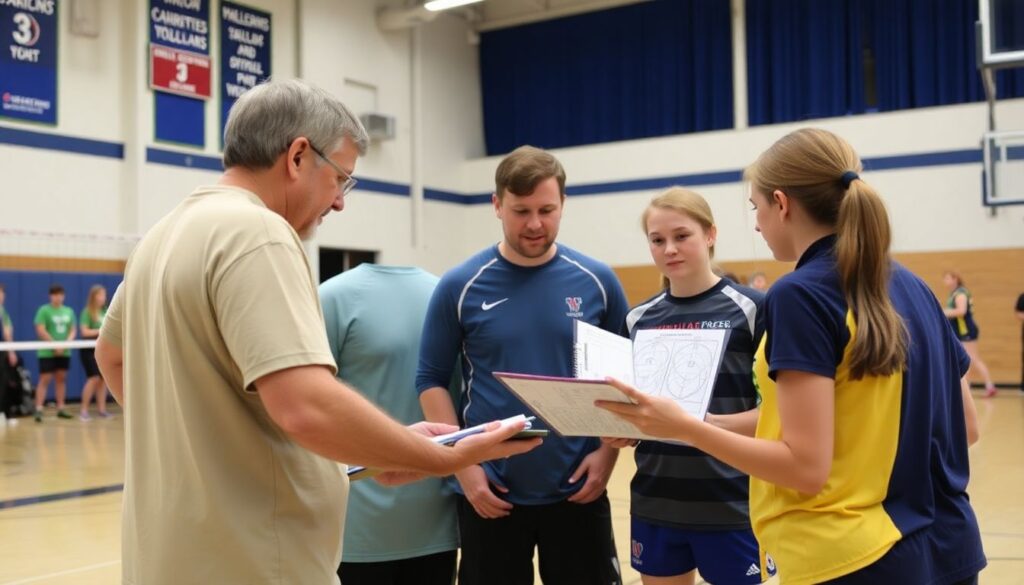
- Agree on 3-5 non-negotiable principles (e.g., serving aggression, first-ball side-out, defensive discipline).
- Produce a short, shared drill book and terminology guide for all youth coaches.
- Set a protocol for workload sharing before and after national camps.
- Review alignment once per season using match video and player feedback.
Competitive ecosystem: domestic leagues, cups and international club exposure
For national-team performance, the intensity and variety of club competition matter as much as practice. Turkey benefits from a strong league pyramid, with Vodafone Sultanlar Ligi at the top, national cups and regular European campaigns that keep players under pressure.
Use this checklist to evaluate and adjust your competition ecosystem:
- There is a clear progression from youth leagues to senior divisions, with minimal gaps where players drop out.
- Scheduling allows players to compete regularly without unsafe overload or long inactive periods.
- Top clubs compete in continental cups, exposing players to different playing styles and officiating.
- You run national or regional cups that offer do-or-die matches, preparing athletes for qualification tournaments.
- You provide targeted windows for turkey volleyball training camps that do not clash with key club fixtures.
- Lower divisions are structured to develop local talent, not just to recycle older players.
- Refereeing and rules application are consistent with international standards.
- Fans can easily access schedules, buy turkey volleyball league tickets and watch streams, supporting a sustainable business model.
- Broadcasters and digital platforms carry matches widely, including for youth finals and women’s leagues.
- Clubs and federation share video and statistical data from competitive matches for national-team scouting.
If several elements are missing, prioritise safe scheduling and basic access to competition first, then international exposure.
Support systems: sports science, medical care and player workload management
Without robust support structures, the same competition and training that build champions can break future national-team players. Turkey’s top clubs increasingly integrate doctors, physios, conditioning coaches and analysts into daily routines; smaller clubs can still apply the core principles at a simpler level.
Common mistakes to avoid:
- Running jump-heavy practices on consecutive days without monitoring landing volume or joint pain.
- Skipping pre-season screening for movement issues, previous injuries and basic cardiovascular health.
- Ignoring sleep, nutrition and school stress when planning training loads for teenagers.
- Failing to adapt workloads when players return from national camps already fatigued.
- Using the same conditioning plan for all positions instead of role-specific demands.
- Neglecting recovery protocols (cool-downs, stretching, hydration) after intense matches or travel.
- Communicating poorly between club medical staff and federation doctors, leading to rushed comebacks.
- Not educating players and parents about injury reporting, early pain signs and safe return-to-play steps.
- Over-relying on painkillers instead of addressing load, technique and strength deficits.
- Cutting medical and sports science budgets first when finances get tight.
Safer practice guidelines:
- Begin with simple wellness questionnaires and gradual increases in training volume.
- Set clear rules that no player can be pressured to play through serious pain.
- Document and share return-to-play plans whenever national-team athletes are injured.
Governance, funding and strategic partnerships that sustain the pipeline
Even the best technical model collapses without stable structures. Turkish volleyball has benefited from cooperation between clubs, federation, municipalities, sponsors and educational institutions. If you lack similar backing, consider alternative models that still protect national-team interests.
Possible structural options:
- Club-federation joint academies
Create shared regional centres where costs, staff and branding are split. This suits regions with few strong clubs but high potential participation. - Municipality-led development hubs
Local governments invest in halls and basic staffing, then partner with clubs to run programs. This is useful where private funding is limited but court access can be provided. - Education-based pathways
Schools and universities act as primary hubs, with clubs and federation providing coaching expertise. This works well in cities with strong campus facilities but fragmented clubs. - Commercial partnership clusters
Sponsors fund local clusters of academies, tournaments and events in exchange for visibility, bundled with league rights and community projects. This is effective when media interest and demand for turkey volleyball league tickets are already significant.
In all variants, build written agreements clarifying who pays for what, how players move between institutions, and how conflicts with national-team schedules are resolved.
Practical quick-answers on optimizing club-to-national pathways
How can smaller clubs contribute to national-team success without big budgets?
Focus on safe, high-quality fundamentals, clear training plans and reliable communication with regional selectors. Use turkish volleyball academy programs run by bigger clubs for coach education and send your best players on trial while keeping local participation broad.
What is the safest way to increase training for promising teenagers?
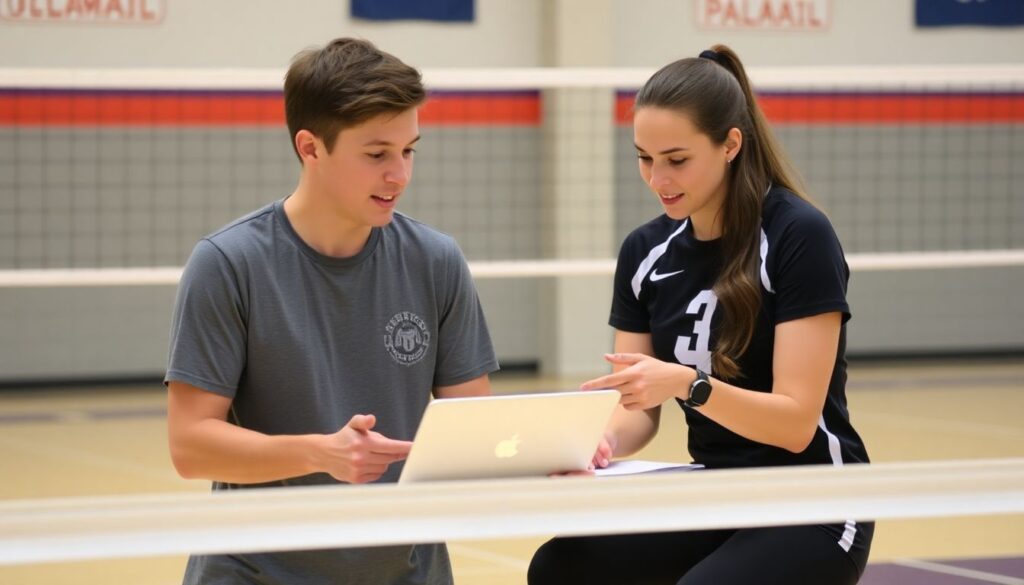
Increase volume gradually, track school and life stress, and ensure at least one lower-impact day each week. Coordinate loads between club and national youth teams so jumps and high-intensity drills are not doubled accidentally.
How should clubs schedule around national team camps and tournaments?
Plan domestic fixtures and intense training blocks so they do not clash with key preparation windows. Use turkey volleyball training camps set by the federation as fixed points, then taper players before camps and give recovery time afterward.
How do fans indirectly support the national team through club volleyball?
Buying turkey volleyball league tickets and following vodafone sultanlar ligi live streaming strengthens club finances and media value. This funding supports academies, better facilities and stronger squads, which in turn raise the level of players available for national selection.
What should a club prioritise first: facilities, staff or competitions?
Secure safe, basic facilities and at least one qualified coach per age group before expanding competitions. Once this minimum is in place, join stable leagues and cups to create consistent match experience for players.
How can we start using sports science without a full-time department?
Begin with simple tools: wellness questionnaires, basic fitness tests and regular communication with local doctors or physios. Over time, add video analysis and simple jump or workload tracking before hiring full-time specialists.
What is the best entry point for partnerships with schools and universities?
Offer to run joint clinics, share coaches for PE classes, and give access to club matches for students. From there, negotiate formal talent pathways, study support for players and shared use of sports halls.