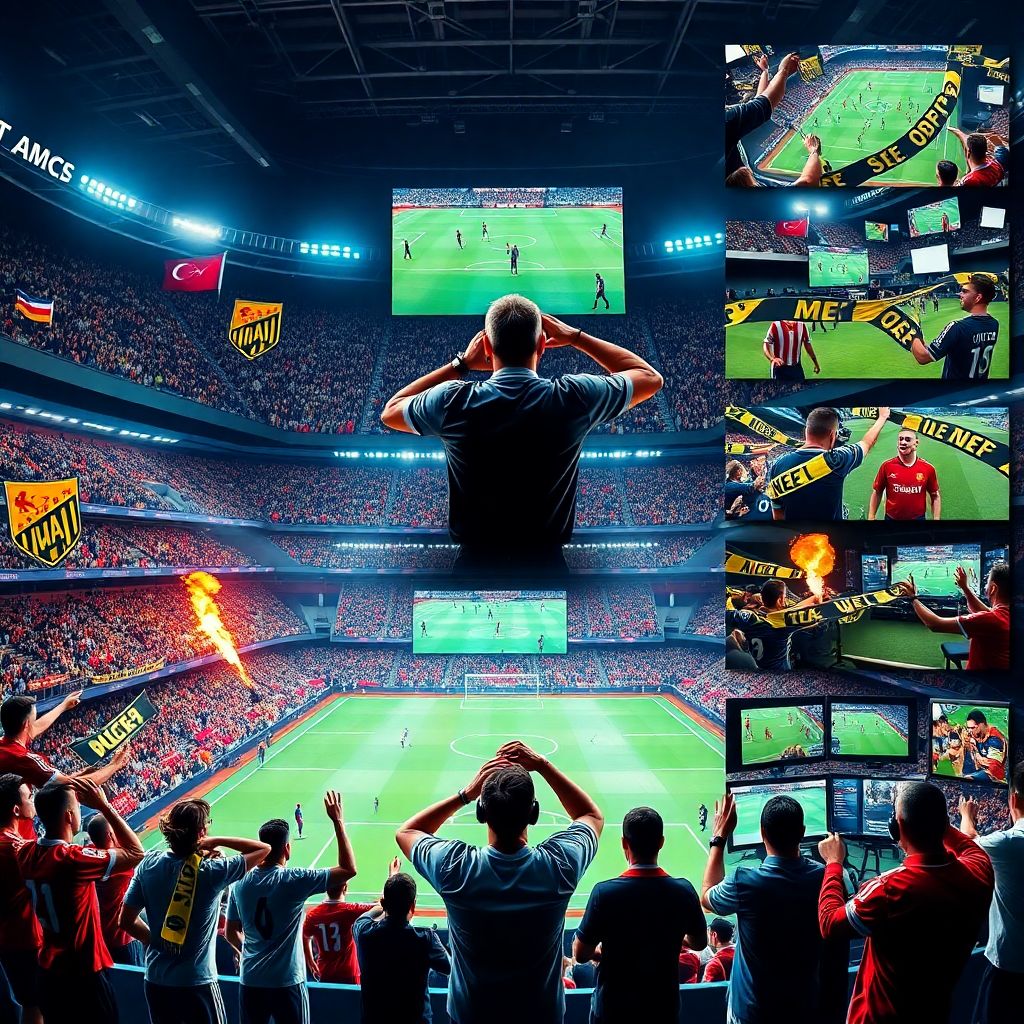
From touchline arguments to calibrated lines: how we got here
VAR in Turkey didn’t start in a vacuum. The Turkish Football Federation introduced the system to the Süper Lig in 2018‑19, inspired by early trials in Serie A and the Bundesliga. At first it covered just clear‑cut offsides, penalties and red cards, with a fairly conservative intervention threshold. Fans were split: some welcomed the tech after years of heated referee debates, others feared constant interruptions would kill the emotional rhythm that defines stadium culture from Kadıköy to Trabzon.
Over the next few seasons, protocols tightened. Referees were coached to follow FIFA’s “minimum interference, maximum benefit” slogan, but real life proved messy. Big‑club pressure, intense media scrutiny and political overtones meant every VAR call was treated almost like a parliamentary vote. By 2022, almost no match day passed without talk‑show panels running slow‑motion replays on loop, setting the stage for the louder conflicts that would explode later around turkish super lig var controversy 2024 and beyond.
What the numbers actually say about VAR decisions
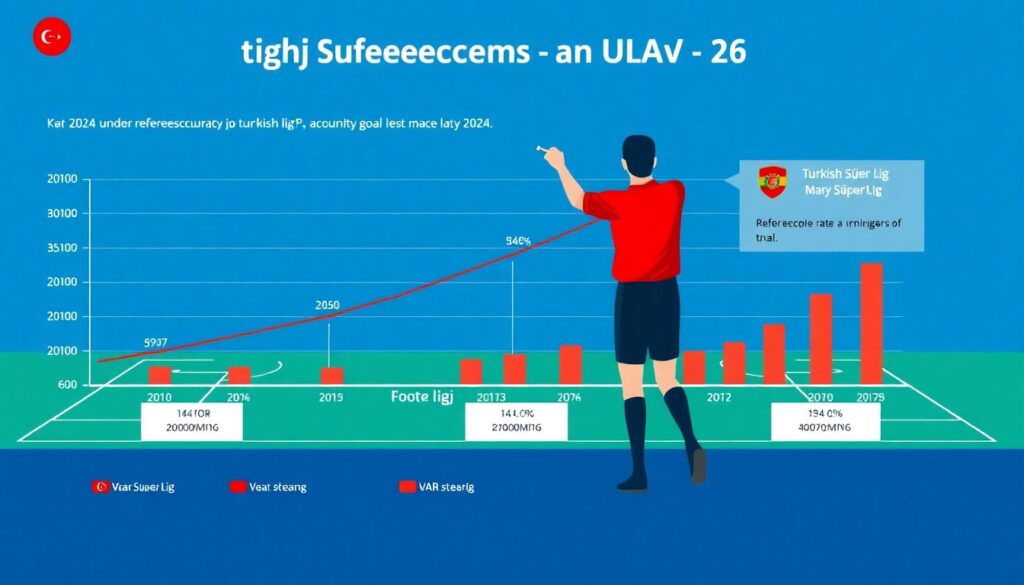
If we strip away the emotion and just look at the data up to late 2024, a few patterns stand out. First, overall decision accuracy in the Süper Lig clearly improved. Internal TFF reports and independent analytics companies generally agree that “major error” rates on key incidents dropped from roughly one in four to closer to one in ten after VAR. Offside calls got especially cleaner, as semi‑automated graphics and better camera calibration reduced the margin for human error on fast counterattacks and crowded penalty‑box situations.
At the same time, var decisions in turkey super lig stats show side effects. Matches with at least one VAR intervention are, on average, several minutes longer, and added time frequently stretches past ten minutes. Penalty volume has increased, partly because defenders can no longer rely on the referee “missing” borderline contact in the box. That shift forces teams to adjust defensive behavior: more hands‑behind‑back postures, less shirt‑pulling on corners, and tactical analysts building models that quantify the risk of every contact inside the area across a full 90 minutes.
Stats meet psychology: how game flow has changed
Beyond raw accuracy, VAR is reshaping tempo and strategy. Coaches know that every high‑risk tackle might be dissected frame by frame, so pressing schemes are recalibrated. Players talk about a new mental layer: after scoring, they hesitate before celebrating, glancing at the referee’s ear, waiting to see if the familiar finger‑to‑ear gesture appears. That emotional “lag” is hard to capture in metrics, yet it alters momentum, especially in stadiums where crowd noise traditionally swings instantly from despair to euphoria.
Data analysts inside clubs now curate turkey football var news and analysis almost in real time, tagging incidents across the league to build a library of precedents. When a borderline handball goes against them one week, performance departments compare it with similar clips from other games, looking for patterns in how the central VAR room interprets angles, distance, and “unnatural body position.” It’s not just about complaining on TV; the smarter clubs feed these insights into coaching, teaching defenders what specific movements tend to trigger reviews and cards.
Why 2024 felt like a tipping point for controversy
By the time we reached the intense title race and relegation battles of 2023‑24, frustration with VAR had crystallized. The phrase turkish super lig var controversy 2024 became shorthand for an entire season’s worth of anger: disallowed goals for marginal offsides, inconsistent handball calls, and red cards that seemed to appear from nowhere after long reviews. Fans and pundits argued that the technology was being used unevenly, with certain clubs allegedly getting more “benefit of the doubt” in subjective situations, especially in crowded penalty‑area incidents.
Super lig var mistakes and referee reports dominated mainstream and social media. Leaked referee assessments, selective publication of audio from the VAR room and partial transparency attempts fueled conspiracy narratives. When the TFF occasionally released VAR tapes to calm public anger, it often backfired, as supporters dissected every word, looking for bias in the language of officials. Instead of neutralizing debate, the recordings sometimes became new ammunition, showing how much uncertainty still exists even when multiple officials and several high‑definition angles are involved.
Fan reactions: between relief, suspicion and fatigue
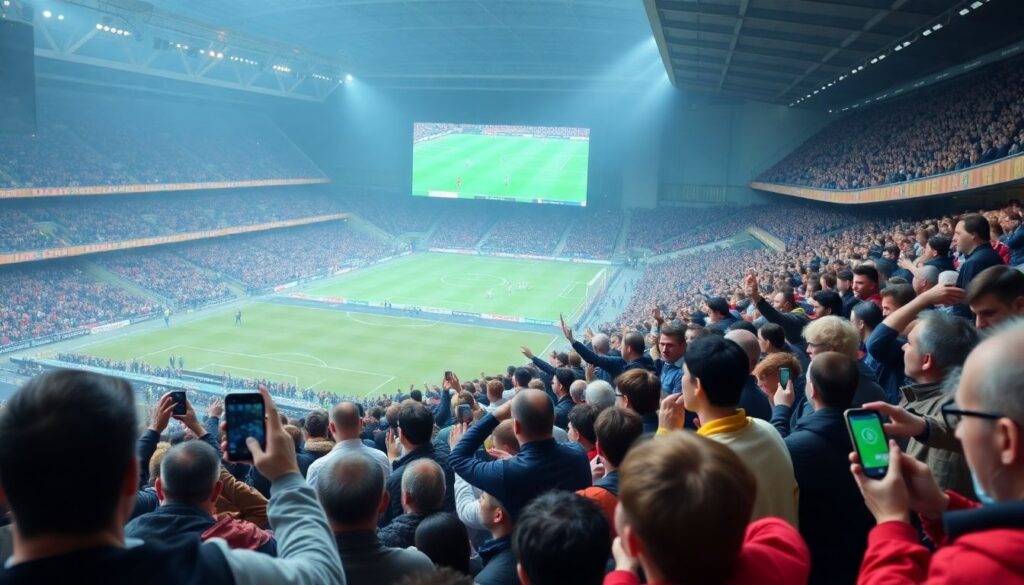
On the terraces and online, fan sentiment is more nuanced than the loudest TV debates suggest. Many supporters openly admit they would not want to go back to the pre‑VAR chaos where blatant offside goals in derby matches stood forever. There is a certain relief when a clearly wrong call is corrected, especially in high‑stakes fixtures. Clips that appear in turkish super lig var highlights and reviews often show textbook interventions: an unnoticed stamp, a missed handball, or violent conduct off the ball finally punished thanks to the extra cameras.
Yet the dominant mood in 2026 is fatigue. Supporters complain about the “stop‑start” effect, where the game feels like a series of isolated moments instead of a continuous narrative. In stadiums, long silent pauses during reviews drain energy. On social media, fans have grown skeptical of official explanations using terms like “clear and obvious error,” sensing that the boundary between subjective interpretation and technical correction keeps moving. Many argue that if fans need a multi‑minute seminar to understand a call, the communication model is broken, regardless of whether the letter of the law was applied correctly.
Economic angles: VAR as both asset and cost center
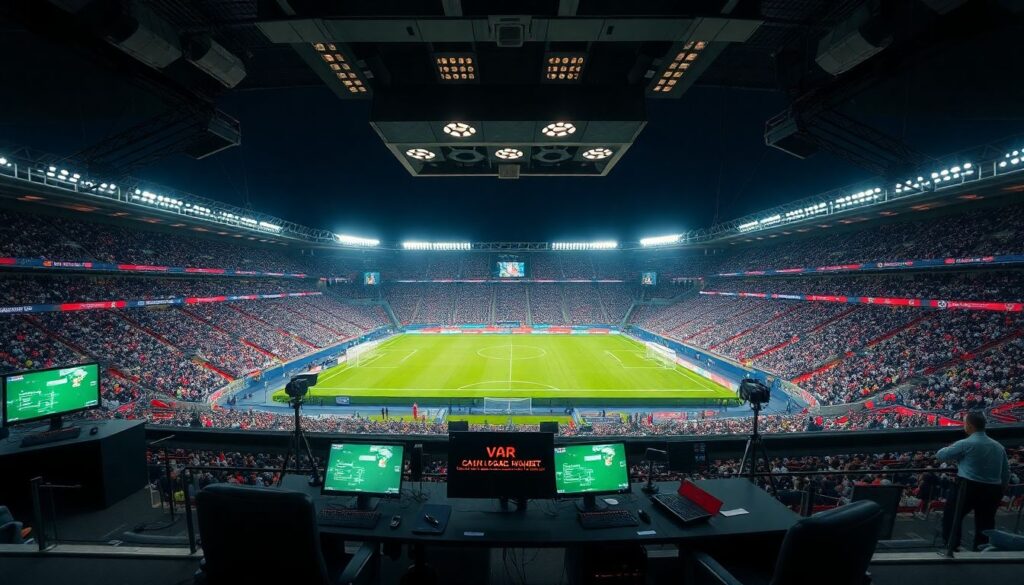
Behind the scenes, VAR is also a financial project. Installing and maintaining the technology—a centralized replay hub, broadcast‑quality cameras in every stadium, specialized staff—costs millions of euros over multiple seasons. For mid‑table and smaller Süper Lig clubs, those costs are far from trivial. However, league administrators sell VAR to broadcasters and sponsors as a credibility upgrade: a way to protect the product from scandal, stabilize competitive balance and, in theory, make long‑term investment in squads and infrastructure more rational.
Broadcasters leverage VAR‑related drama aggressively. Slow‑motion breakdowns, offside line graphics and ref‑audio reconstructions are now key elements of half‑time and post‑match shows. This content boosts engagement metrics that advertisers like to see. In a paradoxical way, each scandalous weekend adds inventory for turkey football var news and analysis segments, which attract eyeballs and clicks even as they loudly criticize the very system generating them. VAR has effectively become part of the entertainment package, blending sport, technology and reality‑TV style argument.
Forecasts: where Turkish VAR might go next
Looking ahead from 2026, the trajectory seems to be more automation, not less. FIFA and IFAB pilots with semi‑automated offside and enhanced goal‑line technologies are likely to become standard in Turkey, reducing human discretion on binary situations. The real battleground will remain subjective calls: handball, “orange” fouls between yellow and red, and soft penalties. Expect the TFF to experiment with more structured protocols, stricter time limits for reviews and possibly expanded public release of VAR audio to build a stable case law of precedents.
There is also growing conversation about giving coaches a limited “challenge” mechanism, imported from American sports, to reduce accusations of selective intervention. While not yet implemented, Turkish clubs are watching those experiments closely. If introduced, it would shift some responsibility for VAR stoppages from referees to benches, potentially softening criticism of bias. The long‑term forecast is not the abolition of VAR, but its normalization: fewer emergencies, more standardized workflows, and a cultural shift where players coming through academies simply assume that every decisive moment will be checked in the booth.
Impact on the broader football industry in Turkey
Beyond the Süper Lig spotlight, VAR is already influencing the wider ecosystem. Referee education has been overhauled, with young officials trained from day one to collaborate with a video team, communicate clearly on mic and think in scenarios rather than isolated incidents. That new skill set is reshaping career paths: some referees specialize as VAR officials, others focus on on‑field management, similar to how goalkeeping coaches became a recognized niche decades ago. Over time, these shifts could export Turkish officials to international tournaments in greater numbers.
Clubs, too, are restructuring. Performance departments hire data scientists not just to analyze xG or pressing but to map how referees interpret grey‑area fouls, feeding that into tactical design. Media companies build dedicated VAR desks to handle super lig var mistakes and referee reports, creating specialized journalism roles. For global audiences, turkish super lig var highlights and reviews are increasingly packaged in English and other languages, turning refereeing drama into shareable content. In effect, VAR has become a new axis around which sporting, economic and narrative interests rotate in Turkish football.