From Dusty Village Courts to Center Court Lights
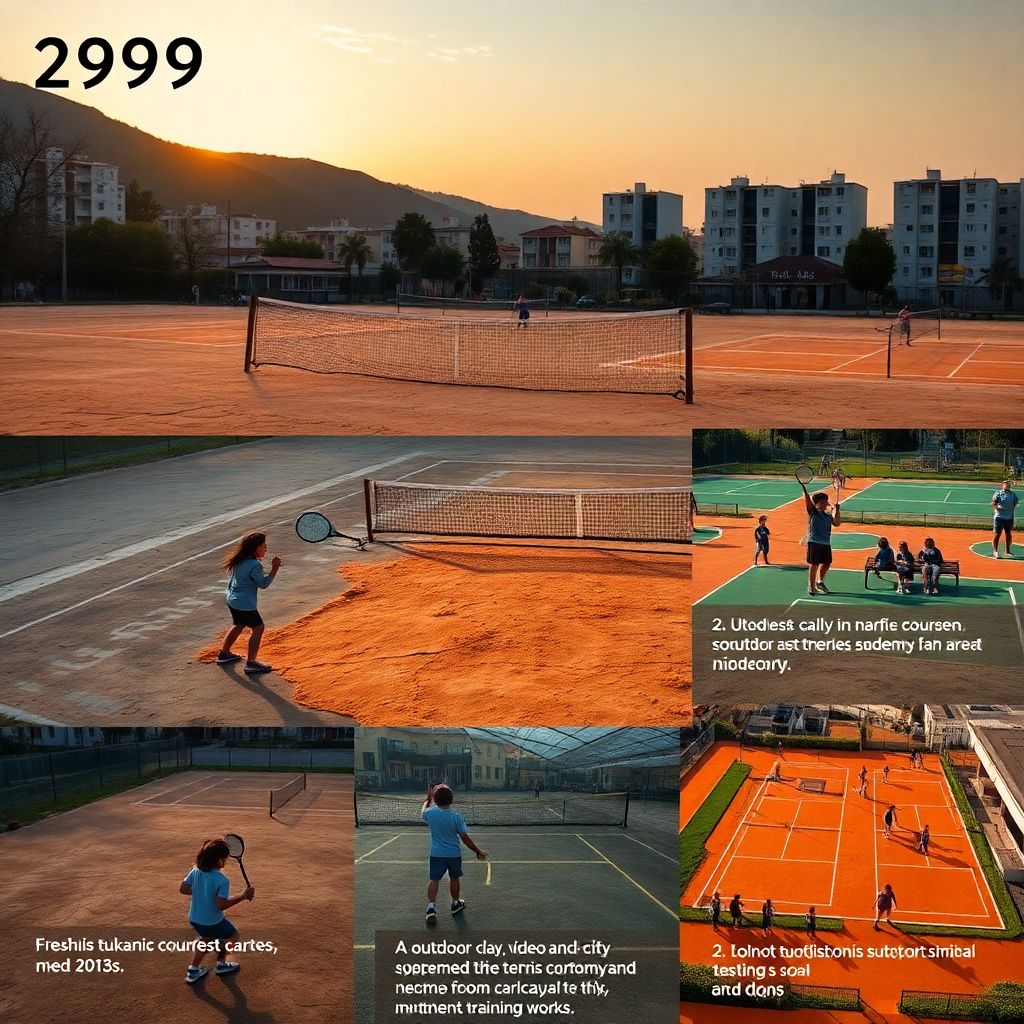
Tennis in Turkey didn’t start with glossy clubs in Antalya; it started with cracked asphalt, sagging nets and borrowed wooden rackets. Talk to players who grew up in Anatolian towns, and you’ll hear the same story: a multi‑sport football field, two chalk lines, and a PE teacher who once watched Wimbledon on TV and decided to improvise. Those scrappy “courts” built a mindset: problem‑solving over perfect conditions. This background partly explains why, by 2026, Turkish players are surprisingly good at adapting to wind, heat, bad bounces – the exact chaos you meet on outer Grand Slam courts. The upgrade from village to professional happened fast, but the street‑level resilience stayed.
How Public Policy Quietly Rewired the Game
The turning point wasn’t a single star player, but municipal decisions in the mid‑2010s: adding courts to public parks, integrating tennis into school sports, and giving tax incentives to new clubs. Instead of betting on one “national hero”, the federation pushed for density: more kids with a racket in hand, more local tournaments, more coaches getting certified. It looked boring on paper, yet by 2026 it created a broad base of competitive juniors. The hidden effect: middle‑class families stopped seeing tennis as a “foreign elite hobby” and started to treat it like swimming lessons – something normal, not glamorous. That mental shift may be more important than any single ATP or WTA breakthrough.
Tennis Academies: From Copy‑Paste to Local Innovation
Early tennis academies in Turkey tried to clone Spanish or French models: heavy clay mileage, imported drills, foreign head coaches. Some worked, many didn’t. The successful wave of tennis academies in turkey arrived when owners stopped copying and started adapting. They mixed European periodization with local realities: school schedules, Ramadan, extreme summer heat. For instance, several coastal academies reshaped their day around dawn and late‑night sessions, while using midday for video analysis and mental training. That simple pivot allowed year‑round development without burning out kids or coaches, and it turned Turkey into a viable long‑term base for players from Central Asia, the Balkans and the Middle East.
Real Cases: Players Who Took the Long Road
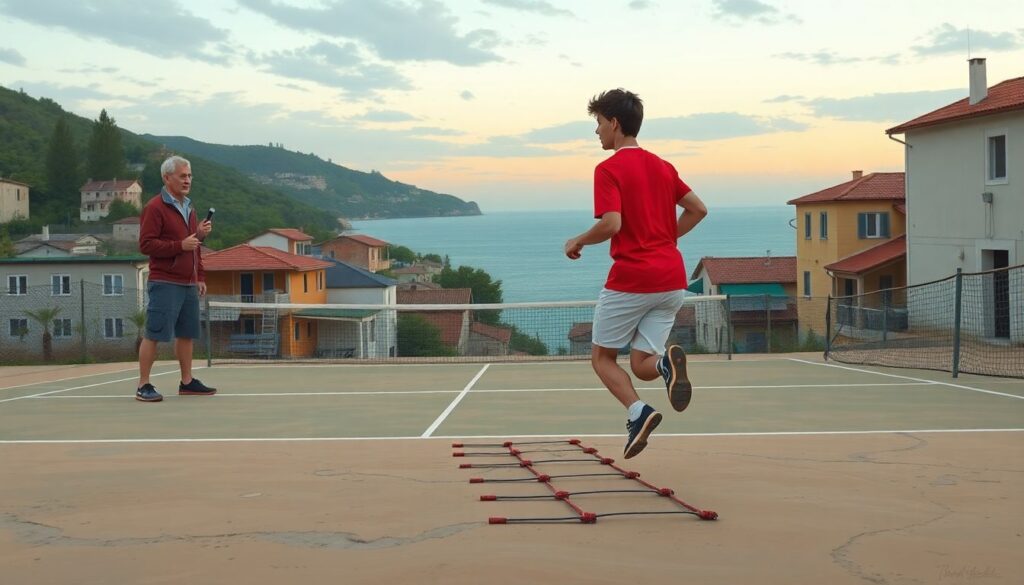
Look at the current crop of Turkish pros hovering around the top‑150 to top‑250. Many didn’t come from big cities. One notable example: a player from a small Black Sea town whose first “coach” was a retired volleyball player. They trained footwork with ladder drills meant for blockers, then adapted them to baseline movement. Only at 16 did she move to Istanbul, joining a structured program. Instead of breaking her, that late transition preserved her love for the game. Similar stories repeat: late specialization, multi‑sport childhoods, and parents who couldn’t afford private courts. Counterintuitively, this rough path produced athletes with longer careers and fewer chronic injuries than some Western peers who specialized at eight.
Non‑Obvious Solutions That Actually Worked
Turkey’s rise wasn’t powered only by fancy facilities. Some of the most effective moves looked almost trivial:
– Municipalities painting tennis lines on underused basketball courts, instantly doubling local capacity.
– Partnering with universities to create part‑time coaching positions, giving players a safety net and keeping ex‑pros in the system.
– Using local tech startups to build affordable video‑analysis apps in Turkish, so regional coaches could break down technique without expensive foreign software.
These small, decentralized decisions created an ecosystem where you don’t need to live in Istanbul or Antalya to access decent coaching and feedback. The lesson: infrastructure is not just concrete and fences; it’s ideas and access.
Tourism, Resorts and the New Tennis Economy
The tourism sector accelerated everything. When coastal hotels realized that northern Europeans wanted sun plus sport, they started adding high‑quality courts. Competing to be listed among the best tennis resorts in turkey, they invested in lighting, consistent clay maintenance and on‑site stringing services. This wasn’t simply about tourists: local juniors were suddenly hitting on courts built to ITF standards, surrounded by visiting coaches from Germany or the UK. Informal knowledge transfer followed. By 2026, resorts along the Mediterranean aren’t just holiday spots; they’re micro‑hubs where domestic talent quietly absorbs training methods while guests enjoy their tennis holidays turkey all inclusive, mixing morning clinics with afternoon beach time.
Alternative Pathways: Camps, Rentals and Pop‑Up Programs
Not every family can afford a full‑time academy. That’s where alternative methods stepped in. Seasonal tennis training camps in turkey, especially during school breaks, became a bridge: two or three high‑intensity weeks with quality coaching, followed by remote follow‑up online. Meanwhile, the spread of turkey tennis courts for rent platforms let players and coaches assemble pop‑up “micro academies” in smaller cities. A coach can now tour five towns in a month, booking courts via app, running four‑day intensives for local kids. It’s a modular system: less commitment, lower cost, but enough exposure to modern training. For a lot of families, this hybrid model is the only sustainable way to stay in the game.
Pro Tips and Quiet Hacks for Serious Players
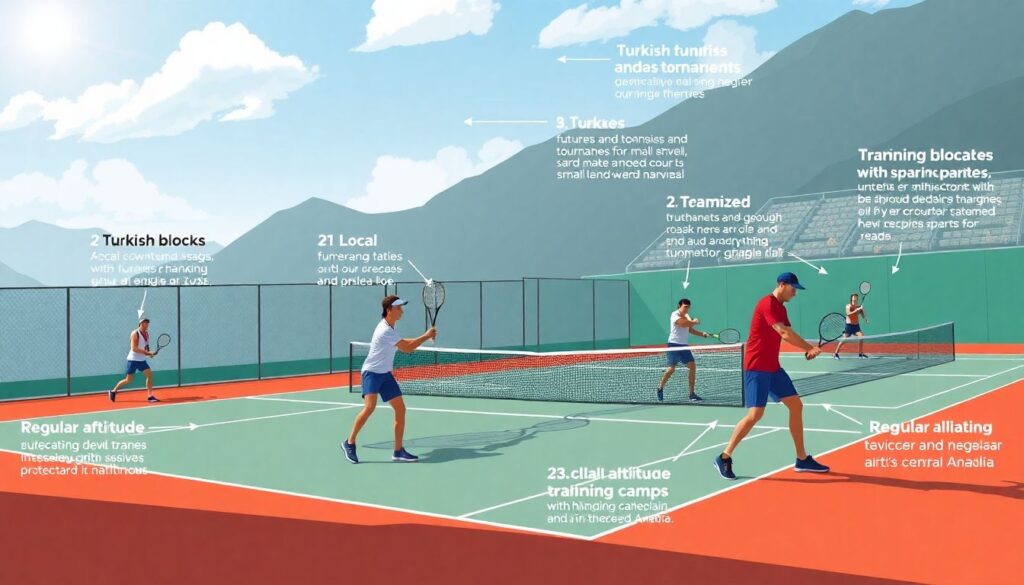
Behind every ranking jump, there’s usually a handful of low‑key habits rather than one magic drill. Turkish pros who broke through in the 2020s often share a similar toolbox:
– Training blocks built around local futures and challengers to cut travel costs but maximize match volume.
– Regular altitude or heat blocks in inner Anatolia to prepare for tough summer swings.
– Mixed sparring: juniors hitting weekly with veteran club players to learn patterns and point construction.
Another underrated hack: many pros use resort off‑seasons to negotiate cheap access to hotel facilities – effectively turning empty tourist complexes into private high‑performance centers in November and February, when courts would otherwise sit unused.
What’s Next: A 2026–2035 Outlook
Looking ahead from 2026, the next phase of Turkey’s tennis culture will be defined less by participation and more by specialization. The base is wide; the challenge now is converting “good national players” into genuine Grand Slam threats. Three trends stand out: first, deeper investment in sports science, with local universities building biomechanics labs tied to academies. Second, a push to make coaching a respected, well‑paid career, not just a side job – crucial for keeping expertise in the country. Third, smarter scheduling: Turkey is positioning itself as a year‑round tournament corridor between Europe and Asia. If that calendar solidifies, young Turks will gain top‑tier match experience without being crushed by travel costs, increasing the odds of consistent top‑50 representation.
From Culture to Identity: Tennis as a Turkish Story
The most interesting shift is cultural. Ten years ago, tennis in Turkey was something you “did”; by 2026 it’s becoming something people “are”. Kids follow Turkish players at Slams the way they once followed only football clubs. Local broadcasters now cover challenger finals if a home player is involved. The narrative has moved from “Can Turkey produce one star?” to “How does tennis fit into a modern Turkish identity?” If the ecosystem continues to reward late bloomers, value education and normalize failure as part of the process, the country is likely to produce not just isolated champions, but a steady pipeline of players. The journey from village courts to Grand Slams is no longer a fantasy storyline – it’s a career path many families quietly consider realistic.