Why Turkey is quietly becoming a beach volleyball hub
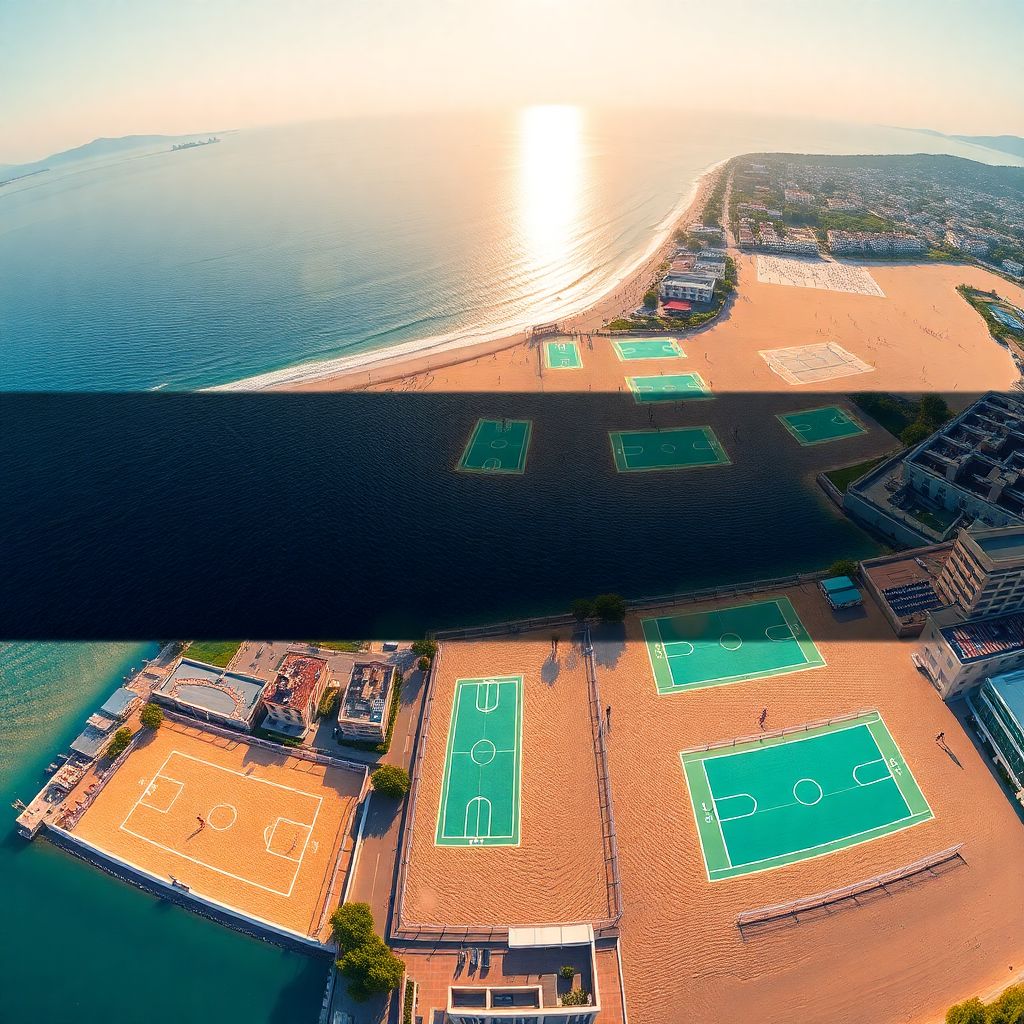
Turkey sits on more than 8,000 km of coastline, and a growing slice of it is quietly turning into a playground for serious beach volleyball. Over the last decade, local federations report a steady rise in licensed players and a noticeable jump in amateur tournaments tied to tourism seasons. Add in low flight prices from Europe, long summers and a dense hotel network, and you get a country that can host training, competition and laid‑back play almost year‑round, without the price tag of classic Western European spots.
Data behind the sandy boom
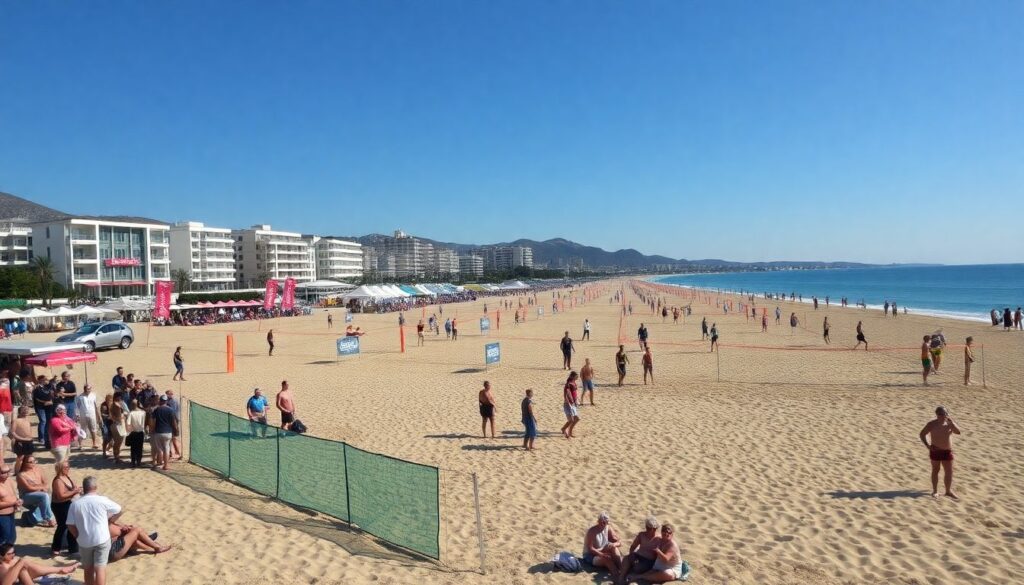
Hard numbers are still patchy, yet several trends are clear. Major tourist regions now host dozens of weekend tournaments each high season, and international events on the FIVB and CEV circuits increasingly stop in Turkey. Hoteliers admit that courts, lights and basic equipment pay off quickly through higher occupancy and longer stays. Even simple additions such as shaded spectator zones and Wi‑Fi near the courts increase food and drink revenue, proving that beach volleyball is more than a “free attraction” for guests.
Mapping the hidden gems on the Aegean coast
When people search for the best beaches for volleyball in turkey, they usually land on big names like Kuşadası or Çeşme. Yet the Aegean hides smaller bays where flat, packed sand, mild wind and low crowd density create near‑ideal training labs. Towns a short drive from airports, with basic seaside promenades and mid‑range hotels, are starting to mark out permanent courts. For players, that means fewer umbrellas to dodge and more predictable playing conditions across the whole day, not just early morning.
Underrated spots vs classic hotspots
Classic resorts push music and beach bars; underrated Aegean villages sell routine and repetition, what serious players actually want. Local municipalities often provide maintenance and lighting if clubs agree to host youth clinics and small festivals. This barter system turns sleepy beaches into semi‑pro venues without heavy capital spending. For organizers of aegean mediterranean beach volleyball camps turkey offers a rare mix: predictable weather, short airport transfers and a cost base that still undercuts Spain, Italy or France, especially outside the peak school‑holiday window.
– Small Aegean villages: stable winds, quiet mornings, cheaper accommodation
– Mid‑size towns: better medical services, gyms and indoor backup courts
– Major hubs: easy logistics, more sponsors, but crowded and noisier courts
Mediterranean coast: from party beaches to training labs
On the Mediterranean side, the picture is different. The same strips of sand that host nightclubs and water sports are increasingly lined with semi‑permanent volleyball nets. Here, the opportunity is to carve out time slots: training at sunrise, casual games before dinner, show matches at night. Towns best known for package tourism now trial structured leagues that run for several weeks, giving both locals and tourists a reason to return. Done right, this balances the party image with a more athletic, family‑friendly narrative for the region.
Economics of a niche sport on mass‑market coasts
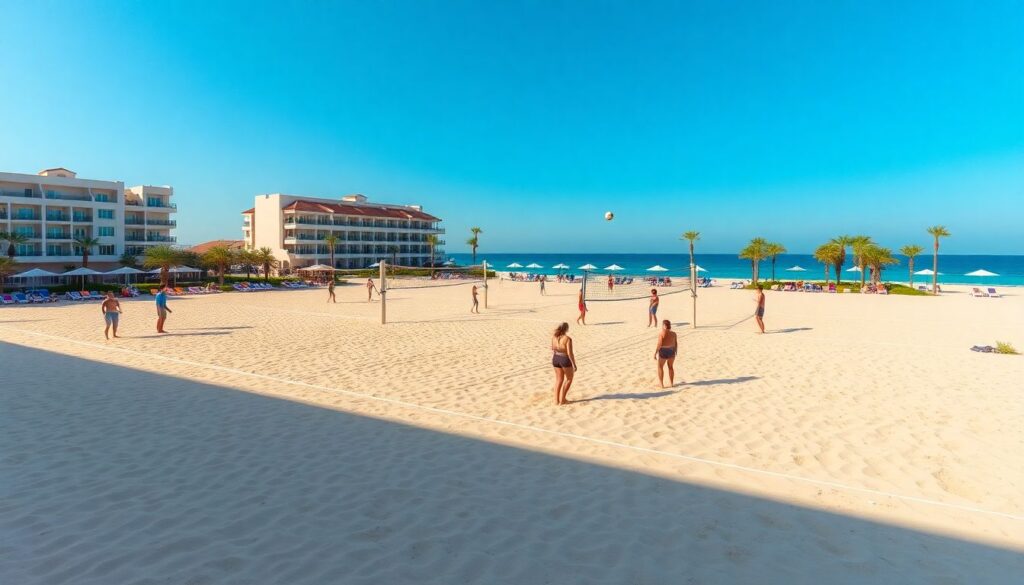
From an economic angle, beach volleyball is a textbook high‑margin add‑on. Nets, lines and sand grooming are cheap compared with pools or water parks, yet they extend guest engagement across the whole day. Beach volleyball resorts turkey advertise dedicated courts as a differentiator, nudging sports‑minded travelers away from generic seaside hotels. Municipalities benefit as well: every weekend cup brings extra restaurant, taxi and rental revenue, without major new infrastructure. The biggest hidden gain is season stretching, as tournaments can run profitably in shoulder months when sunseekers stay away.
How hotels and clubs monetize the trend
Forward‑thinking hoteliers no longer treat courts as décor. They sell training blocks, host small pro teams and bundle “active” packages. The most agile all inclusive beach volleyball hotels turkey experiment with dynamic pricing: slightly higher room rates during camp weeks, but with added perks such as physio access or protein‑rich buffets. Clubs, in turn, earn from coaching, equipment rental and livestreaming rights. Even small‑scale academies can create value by reselling housing blocks from partner hotels while keeping the sports operations in‑house and nimble.
– Revenue levers: camps, clinics, corporate tournaments, night events
– Cost controls: shared courts, sponsorships for equipment, volunteer staff
– Upside: longer stays, repeat guests, stronger off‑season cash flow
Future scenarios and growth forecasts
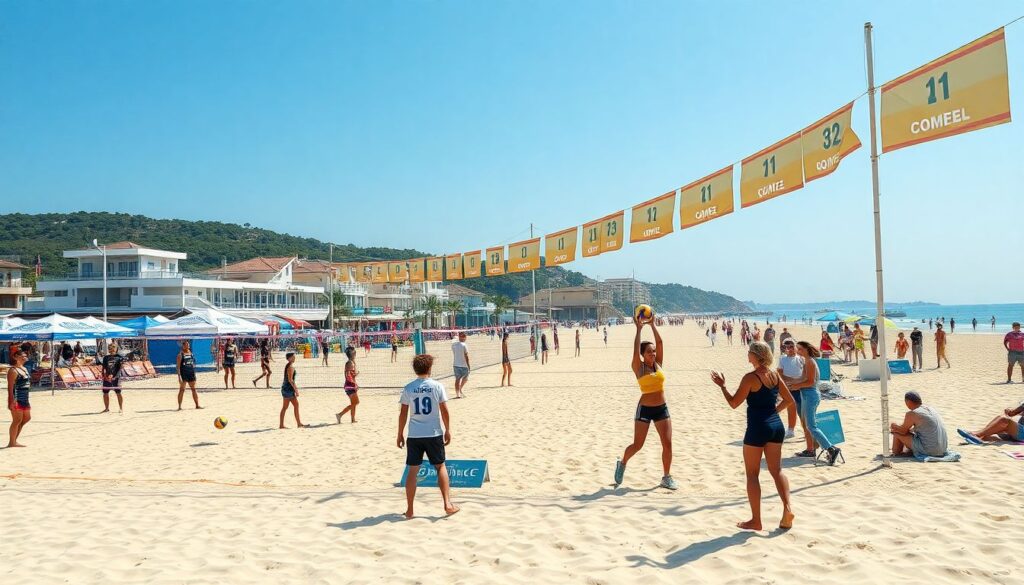
Looking ahead five to seven years, several patterns seem likely. First, structured leagues linking multiple coastal towns could formalize the circuit and stabilize demand beyond classic beach volleyball turkey holidays. Second, as remote work normalizes, month‑long “train and work” stays may appear, blending co‑living, fitness and tourism. Third, federations will likely push for more ranking events on Turkish sand, using the country’s geography as a bridge between Europe, the Middle East and Central Asia. Each scenario multiplies touchpoints between tourism, sport and local services.
What could turbocharge camp development
Growth won’t be automatic. To scale aegean mediterranean beach volleyball camps turkey needs better data: weather archives, wind statistics, injury patterns. This enables smarter scheduling and facility design. Partnerships with universities could bring sports science onto the sand, from motion analysis stations to heat‑management protocols. Digital platforms can match free courts with traveling players in real time, much like ride‑hailing matched cars and passengers. The real inflection point will come when one or two regions brand themselves clearly as year‑round high‑performance hubs, not just sunny places with a few nets.
Non‑standard strategies for players, coaches and investors
There’s plenty of room for unconventional moves. Instead of fighting for famous strips, investors can target secondary bays and convert them into micro‑campuses with four to six well‑maintained courts, a simple gym and reliable Wi‑Fi. Coaches might rotate between Aegean and Mediterranean spots, following optimal weather patterns rather than fixed school calendars. Local entrepreneurs can use pop‑up tournaments to test new formats—shorter sets, music‑driven events, mixed‑age brackets—then license the best versions to neighboring towns as plug‑and‑play festival concepts.
Practical tips for smarter volleyball‑centric trips
If you’re planning beach volleyball turkey holidays, treat them like a mini‑project, not a generic package trip. First, map your actual training goals: volume, sparring level, or just social play. Then choose locations that match those needs, not just the prettiest photos. Smaller towns often offer better training density and easier court access than iconic beaches. Before booking, message local clubs on social media; they’re usually fast to respond and happy to plug you into games. Finally, leave a few unscheduled days to explore inland trails, markets or thermal springs, so the trip stays mentally fresh as well as physically demanding.