
Global Trends and Turkey’s New Sports Reality
Over the past three years, global sport has stopped being just “games on TV” and turned into a hybrid ecosystem of data, entertainment, science and tourism. Turkey has been pulled right into the center of this shift. Between 2021 and 2024, stadium attendance, youth participation and online engagement around football and basketball in the country have all shown clear upward trends, while athletics quietly gains momentum through school and city projects. Even though full statistics for 2025–2026 are not yet publicly consolidated, the direction is obvious: Turkey is aligning itself with the most advanced sports nations, blending tradition with analytics, digital platforms and international partnerships.
How Global Sports Trends Are Reshaping Turkish Football
Data, Analytics and the “Smart Club” Revolution
In world football, one of the key trends of the last decade has been the shift from intuition to data. Clubs track distance covered, sprint speed, pressing intensity, injury risk, and even sleep quality. Turkish teams are catching up fast. By 2023, several Süper Lig clubs had already implemented player-tracking systems that collect millions of data points every match. Over the previous three seasons, this has led to more evidence‑based training loads and smarter rotation of players, which is especially noticeable in the improved second‑half fitness of top sides in European competitions.
For players and coaches in Turkey, this means that talent alone is no longer enough. If a young midfielder wants to break into a Süper Lig squad, the coaching staff will likely look at his high‑intensity runs per 90 minutes, not just how “elegant” he looks on the ball. This global analytics trend is pushing academies to invest in GPS vests, performance analysis staff and cooperation with universities. The boundary between the science lab and the training pitch is getting thinner every season, and Turkey is now part of this global experiment.
Global Fan Culture, Streaming and Matchday Experiences
Worldwide, fans increasingly watch matches on their phones, follow advanced stats and then visit stadiums for a more immersive experience. Turkey is no exception. As streaming platforms compete for rights, fans are constantly asking which is the best streaming service for live Turkish football and basketball, combining HD quality, multilingual commentary and advanced stats. This competition may look purely commercial, but it has a direct effect on the ecosystem: rights revenues help clubs invest in youth academies, stadium infrastructure and sports science departments.
At the same time, ticketing has gone almost fully digital. Over the last three seasons, a growing share of fans prefer to buy Turkish football league tickets online, sometimes minutes before kick‑off. That shift, supported by smartphone penetration and improved digital ID systems, has enabled clubs to collect detailed data on fan behavior: when they arrive, what they buy, how often they come back. As a result, matchday is turning into a curated experience — from family sectors and safe standing areas to modern fan zones with local food. Turkey is absorbing and adapting global best practices, but giving them its own flavor, mixing European fan culture with regional hospitality.
Basketball’s Global Boom and Turkey’s Strategic Pivot
European Basketball, NBA Influence and Local Growth
Basketball has become a strongly globalized sport, heavily influenced by the NBA but also by EuroLeague and FIBA innovations. Turkey stands at a unique crossroads: it hosts EuroLeague clubs, runs one of Europe’s strongest domestic leagues and has a large, young population drawn to basketball via social media highlights. According to FIBA’s international reporting for 2021–2023, global basketball participation and viewership have grown steadily, and Turkey has mirrored this trend with increased youth registrations and stronger club infrastructures, especially in Istanbul and Ankara.
The success of Turkish clubs in European competitions over the last few years has created a virtuous circle. International visibility attracts sponsors, sponsors fund youth programs, and these programs produce players who can compete at the global level. Even if official 2025–2026 figures are still to be fully compiled, the medium‑term trajectory is already visible: more packed arenas, deeper benches, more homegrown players in continental tournaments and a measurable increase in social media engagement around both men’s and women’s teams.
International Camps, Tourism and the New Basketball Economy
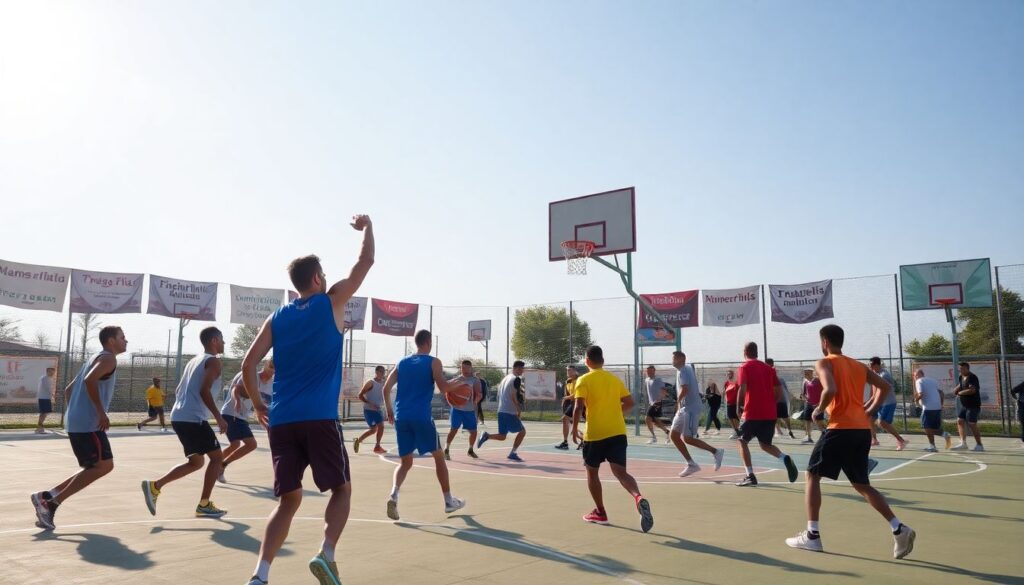
One of the most concrete manifestations of globalization is the rise of basketball training camps in Turkey for foreigners. Over the last three summers, organizers in Antalya, Izmir and Istanbul have reported steadily rising numbers of participants from Europe, the Middle East and Central Asia. Many of these camps cooperate with Turkish clubs, sports scientists and nutritionists, effectively exporting local coaching know‑how while importing new ideas and methods from abroad. This interplay changes how training is structured even for local teenagers who never leave the country.
Parallel to camps, specialized travel agencies now offer Turkey sports travel packages football basketball matches that combine sightseeing with live games, training sessions and behind‑the‑scenes experiences. This tourism‑meets‑sport trend has been growing globally, and Turkey is particularly well placed to benefit from it, thanks to its transport links, relatively affordable prices and football‑mad culture. As this sector matures, it creates stable jobs for translators, analysts, physiotherapists and event managers — a reminder that sport is not only about athletes, but also about a wide ring of qualified professionals.
Athletics in Turkey: From School Tracks to Global Standards
Running, Urban Fitness and Mass Participation
Globally, one of the clearest trends since 2020 has been the explosion of mass participation events: marathons, charity runs, trail races. Turkey has followed suit. Major city marathons and half‑marathons in Istanbul, Izmir and Ankara have shown rising registration numbers between 2021 and 2023, with especially notable increases in women’s participation and first‑time runners. These events are not just about medals; they normalize active lifestyle choices and create social proof that “ordinary” people can train like athletes.
What drives this growth? Social media communities, fitness apps and corporate wellness programs play a key role. When companies sponsor running teams, or universities organize track meets, they indirectly support the talent pipeline for professional athletics. Children who see their parents run a 10K are more likely to try athletics at school. Over the next decade, this mass base could fuel a new wave of Turkish middle‑ and long‑distance runners, jumpers and throwers, provided that coaching and facilities keep pace with the growing interest.
Sports Science, Injury Prevention and Long Careers
Another global trend transforming athletics in Turkey is the wider use of sports science. Evidence‑based training methods, once reserved for Olympic elites, are slowly spreading to national‑level and even club‑level athletes. Learning from global research, more Turkish coaches now use periodization models, monitor training loads via wearable tech and apply simple but powerful recovery strategies such as structured sleep hygiene and individualized nutrition.
Injury statistics from international athletics federations between 2021 and 2023 clearly show that appropriate load management and strength training reduce overuse injuries in runners and jumpers. Turkish high‑performance centers, often in partnership with universities, are using this insight to design smarter training plans for national team candidates. This means more athletes can sustain high‑level training into their late 20s and early 30s, increasing the probability of medal‑winning performances.
The Double‑Edged Sword of Sports Betting and Globalization
Fan Engagement vs. Integrity Risks
The rise of legal betting is a global phenomenon, and Turkey is part of that conversation. As fans follow odds, stats and in‑play markets, search interest in sports betting Turkey football basketball has grown. On one hand, this intensifies engagement: fans study line‑ups, injury reports and tactics more closely; they watch more games and become better informed about different leagues. On the other hand, the global experience shows that without strict regulation and strong integrity programs, betting can create risks for match‑fixing and problem gambling.
For Turkey, the challenge over the 2020s will be to strike a balance: embracing modern fan engagement tools while protecting young audiences and lower‑division competitions. International best practice points toward three pillars: transparent regulation, active education for players and referees, and sophisticated monitoring systems that flag anomalous betting patterns in real time. Turkish federations and leagues are increasingly aware of these global standards and have begun to adapt them to local legal and cultural realities.
Digital Platforms, Social Media and Global Stars
At the same time, social media and digital video platforms have blurred national boundaries. A Turkish teenager can follow an NBA player’s daily routine, a European sprinter’s training vlog and a Premier League coach’s tactical breakdown in one afternoon. This has a cumulative effect: expectations rise, knowledge spreads faster and local athletes measure themselves against world‑class benchmarks rather than just domestic rivals.
For Turkish clubs and federations, this creates pressure to be transparent, innovative and visually present. They now compete not only with domestic rivals, but with global brands for screen time and attention. The clubs and athletes that learn to tell authentic stories — from behind‑the‑scenes training to community outreach — will gain an edge in sponsorship, recruitment and fan loyalty, both domestically and internationally.
Inspiring Turkish Examples in Football, Basketball and Athletics
Clubs, Cities and Individuals Changing the Game
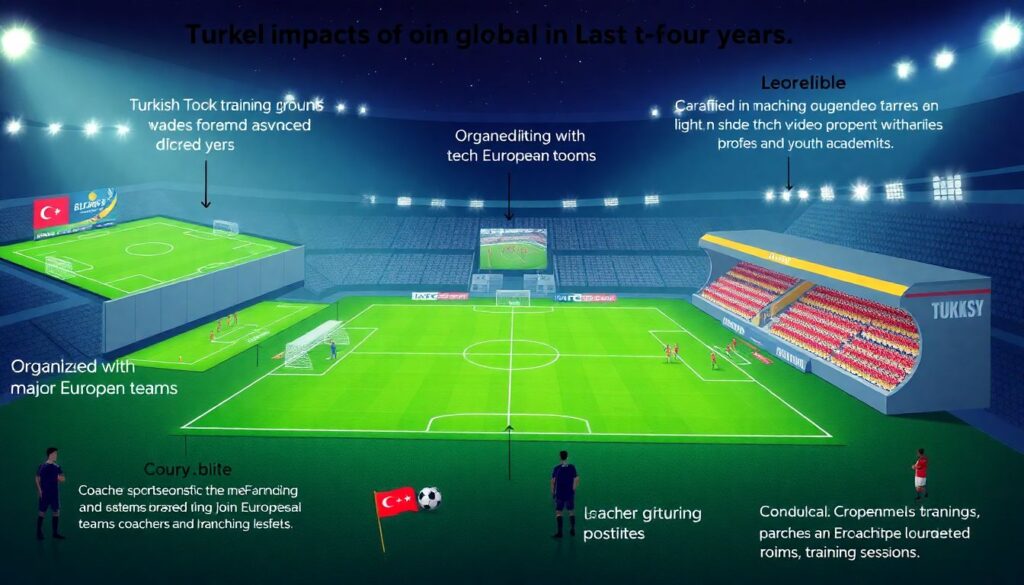
To see how global trends translate into local impact, it’s enough to look at what has happened in Turkey over the last three to four years. Turkish football clubs have upgraded training grounds, implemented video analysis rooms and built more structured youth academies. Some have partnered with European giants for knowledge exchange, sending coaches abroad and inviting foreign experts to run workshops. The result is a new generation of players more comfortable with positional play, pressing patterns and tailored physical preparation.
In basketball, several Turkish clubs have become regulars in European tournaments, not by accident but through sustained investment in youth and analytics. Their academies now track players from early teens, focusing on decision‑making and modern positionless basketball rather than rigid roles. In athletics, city‑level programs have turned urban parks into open training zones, where aspiring runners can join structured groups under certified coaches. Each of these examples shows how global ideas gain Turkish specifics while maintaining scientific rigor.
International Cooperation and Knowledge Transfer
International cooperation has been especially productive. Over the last three years, various Turkish federations and clubs have hosted coaching clinics with speakers from Europe and North America, covering topics like load management, long‑term athlete development and mental skills training. In parallel, Turkish sports scientists present their findings at international conferences, putting local data and experience into global circulation.
These feedback loops matter. They prevent Turkey from reinventing the wheel, help avoid common mistakes and speed up the adoption of evidence‑based practices. They also inspire young coaches and analysts: when a PhD student from Istanbul sees her research on sprint mechanics cited in a foreign journal, or a strength coach from Ankara is invited to work abroad, it reinforces the message that Turkey is not just learning from the world — it is also contributing to it.
Practical Recommendations for Developing Sport in Turkey
What Institutions, Clubs and Schools Can Do
Below is a concise roadmap for different actors who want to ride the wave of global trends rather than chase it:
1. Invest in data literacy. Not every club can buy expensive tracking systems, but every coach can learn to use basic statistics, simple wellness questionnaires and free video‑analysis tools.
2. Strengthen coach education. Regular workshops on modern training methods, injury prevention and talent development will have a cumulative effect over the next decade.
3. Build multisport pathways. Let young athletes rotate between football, basketball and athletics until mid‑teens; this reduces burnout and produces more rounded, resilient players.
4. Encourage girls and women in sport. Global data show that female participation is a huge growth area; Turkey can gain not only medals but a healthier population by creating safe, supportive environments for women.
5. Integrate sport with education. Partnerships between schools, universities and clubs can align academic schedules, training times and scholarship opportunities, making long‑term athletic development realistic.
If these recommendations become part of systematic policy, not just isolated projects, Turkey can substantially increase the likelihood that its athletes and teams will compete at the highest levels of global sport over the next 10–15 years.
How Individual Athletes and Fans Can Contribute
Development is not just the responsibility of federations. Individual choices add up. When young players track their own training loads and recovery, they reduce injuries and extend their careers. When parents choose structured, well‑qualified programs for their kids instead of chaotic, results‑only environments, they increase the chances that children will stay in sport long enough to realize their potential.
Fans also play a role. Choosing to attend live games, support youth programs, behave responsibly in and around stadiums, and engage constructively online all contribute to a healthier sports culture. Even decisions like purchasing official merchandise rather than counterfeit goods feed back into club budgets that fund academies and community projects.
Cases of Successful Projects: Lessons from the Last Three Years
Club Academies and Integrated Performance Models
Several Turkish clubs in football and basketball have, over the last three years, implemented an integrated performance model: close collaboration between coaches, sports scientists, nutritionists and psychologists. Instead of treating fitness, tactics and mental skills as separate spheres, they create unified plans for each athlete or age group. Early internal monitoring data over successive seasons have shown reduced soft‑tissue injuries and improved late‑season performance indicators, which is consistent with trends reported by elite clubs globally.
Such projects demonstrate that you don’t have to be a billionaire club to apply science. What you need is a willingness to collect consistent data, refine processes and accept that improvement may come through many small adjustments rather than one dramatic signing. Over time, these systems produce both better players and more resilient organizations that can weather financial and competitive fluctuations.
City‑Level Athletics and Community Programs
On the athletics side, city administrations and local federations in Turkey have launched community programs that combine recreational running, youth talent identification and health education. Participation data from 2021 to 2023 show year‑on‑year growth in registrations for city races, children’s events and structured training groups. In some cities, these initiatives have already produced promising junior athletes who progress to national squads, while also improving public health markers like average physical activity levels.
These programs are relatively low‑cost compared to professional club budgets, yet their impact is broad. They exemplify how global best practice — combining sport with public health messaging and inclusive community events — can be adapted to Turkish realities, including local cultural norms and urban infrastructure constraints.
Resources for Learning and Staying Ahead
Where Coaches and Athletes Can Learn More
In a fast‑moving global environment, continuous learning is essential. Coaches and athletes in Turkey who want to align with international best practice can draw on a mix of local and global resources, many of which have expanded significantly since 2021:
1. Online courses and webinars from international federations (FIFA, FIBA, World Athletics) covering topics from talent development to integrity.
2. Open‑access sports science journals that publish research on conditioning, biomechanics and psychology, often with practical takeaways.
3. Partnerships with universities in Turkey, which can offer lab testing, data analysis support and student interns for performance projects.
4. Mentorship and networking via coaching associations and conferences, where practitioners can share case studies and problem‑solve together.
5. Language learning to access a wider body of research and communicate with international colleagues and scouts.
These resources help bridge the gap between theory and practice, enabling Turkey’s sports community to adapt global trends intelligently rather than copying them blindly.
Fans, Media and the New Learning Ecosystem
Fans are no longer passive consumers; they are part of the learning ecosystem. Analytical podcasts, long‑form articles, tactical YouTube breakdowns and interactive stats platforms make it normal for a regular supporter to discuss expected goals, pace‑adjusted efficiency or load management. As Turkish media and content creators tap into these formats, they help raise the overall level of sports literacy in the country.
International fans who follow Turkish competitions also benefit. When they research how to buy Turkish football league tickets online or subscribe to the best streaming service for live Turkish football and basketball, they often stumble upon bilingual content that explains league structures, club histories and tactical trends. In this way, digital platforms convert curiosity into knowledge and, ultimately, into deeper connection with Turkish sport.
Looking Ahead: Turkey’s Place in the Global Sports Future
Over the past three years, global sports trends have clearly started to reshape the landscapes of athletics, football and basketball in Turkey. Data‑driven decision making, digital fan engagement, integrated performance systems and international cooperation are no longer optional extras; they are becoming the new baseline. While full statistical pictures for 2025 and 2026 will emerge over the coming years, the available evidence from 2021–2023 already points toward increased participation, improved performance structures and deeper integration into global sports networks.
The key question is not whether Turkey will be influenced by global trends — that is already happening — but how actively it will shape them in return. If institutions, clubs, athletes and fans continue to invest in education, science and responsible innovation, Turkey has every opportunity to become not just a passionate sports nation, but a genuine laboratory for the future of football, basketball and athletics on the world stage.