
Why tennis in Turkey is suddenly everywhere
If you visited Turkey ten years ago, tennis felt like an “expat thing”: a couple of courts at big hotels, some dusty clay in Istanbul, and that’s it. Now you see kids in small towns carrying rackets, municipalities adding courts next to football pitches, and even evening queues for court time. The boom has several drivers: a young population hungry for new sports, affordable gear, a stream of televised Grand Slams, and, of course, the tourism industry that realised tennis keeps guests on-site longer and spending more. Step by step, the sport moved from niche hobby to something you can realistically plan a whole lifestyle around.
Step 1. From clay to hard court: choosing your surface wisely
Turkey started mainly with clay courts: easier on the joints, familiar to European coaches, and perfect for long baseline rallies. But as new complexes appeared, hard courts took over: cheaper maintenance, playable almost year‑round on the coast, and closer to what you see at the US Open or Australian Open. For a beginner, clay forgives bad footwork and slows the ball, but demands more running. Hard courts feel faster and more “modern”, yet they hit your knees a bit harder. A smart approach is to mix both: learn control and patience on clay, then sharpen timing and aggression on hard.
Step 2. Where to play: public courts, clubs and quick rentals
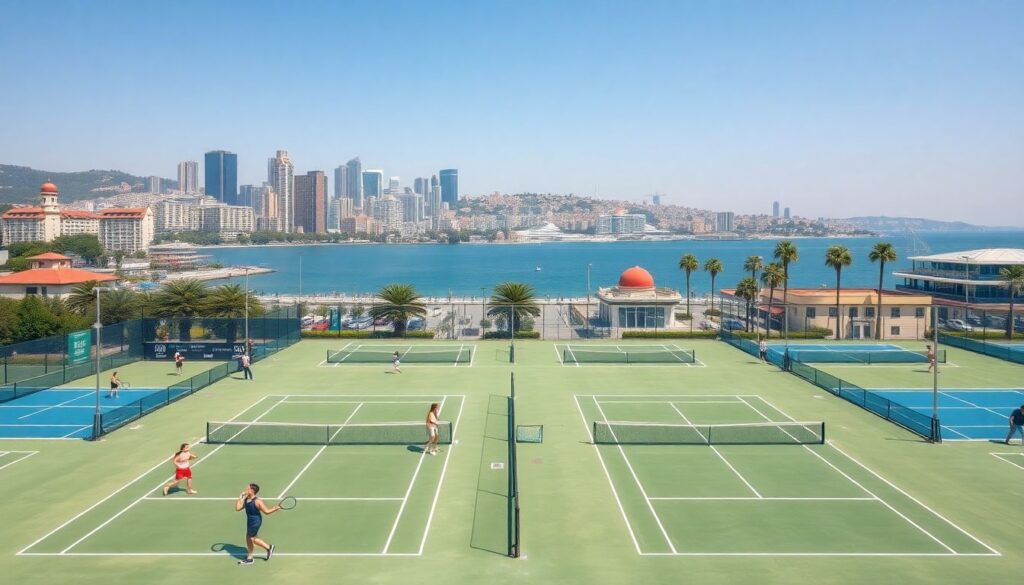
Finding a place to hit is no longer a quest. Big cities like Istanbul, Ankara and Izmir offer municipal courts you can book online, plus private clubs with memberships ranging from student‑friendly to quite posh. Along the coast, hotels and sports complexes advertise tennis courts for rent in turkey by the hour, sometimes including lights and basic equipment. The comfortable but lazy approach is to rely only on hotel courts once a year. A more effective route is to combine: use accessible public courts during the week, then treat yourself to a weekend at a seaside complex to play longer sessions and meet stronger partners.
Step 3. Training options: academies vs flexible coaching
As the level grows, more players look at structured programs. Modern tennis academies in turkey usually offer year‑round training, fitness, match play and sometimes schooling, focused on juniors aiming at tournaments. They’re intense and systematic, but can feel rigid and expensive if you just want solid progress. On the other side, tennis coaching camps in turkey run in short blocks — a few days to two weeks — and suit adults or families who want improvement without changing their whole life schedule. The smart move is to honestly assess your goals: chasing rankings? Academy style fits. Want reliable progress while keeping a regular job? Seasonal camps and regular local lessons are usually enough.
Step 4. Regular local play vs tennis holidays: which works better?
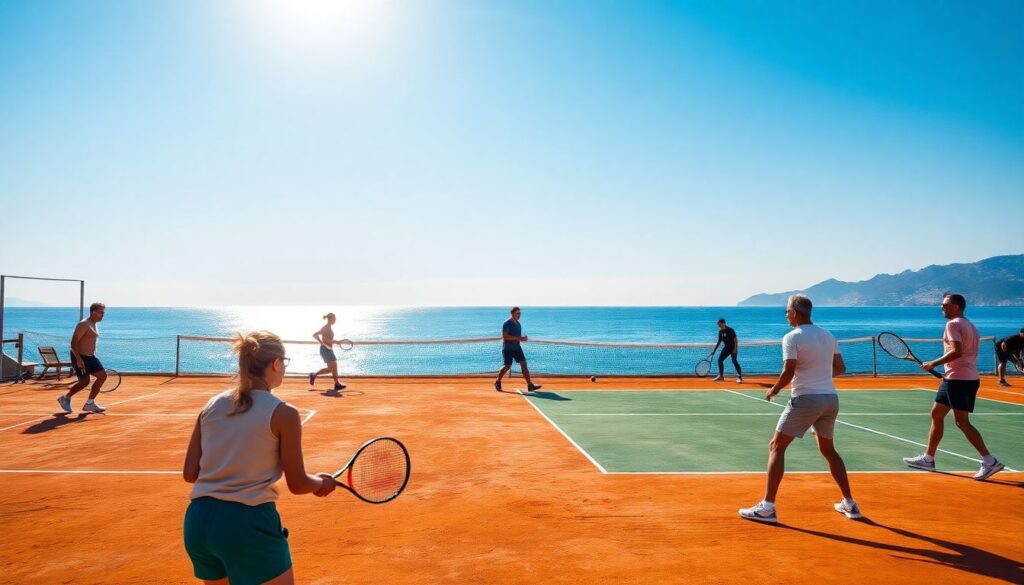
Many people try to “solve” tennis in one shot: fly in, play four hours a day, then ignore the racket for months. That’s where the idea of tennis holidays in turkey gets both praise and criticism. The relaxed approach is great for motivation: sun, sea, new coaches, almost a fitness retreat with rackets. But without follow‑up back home, the gains fade fast. A more sustainable method is to treat the holiday as a kick‑start: learn key habits, film your strokes, and leave with a concrete plan. Then, once back, keep hitting at least once a week so the holiday doesn’t turn into a one‑time sports souvenir.
Step 5. Resorts vs city clubs: comparing tennis environments
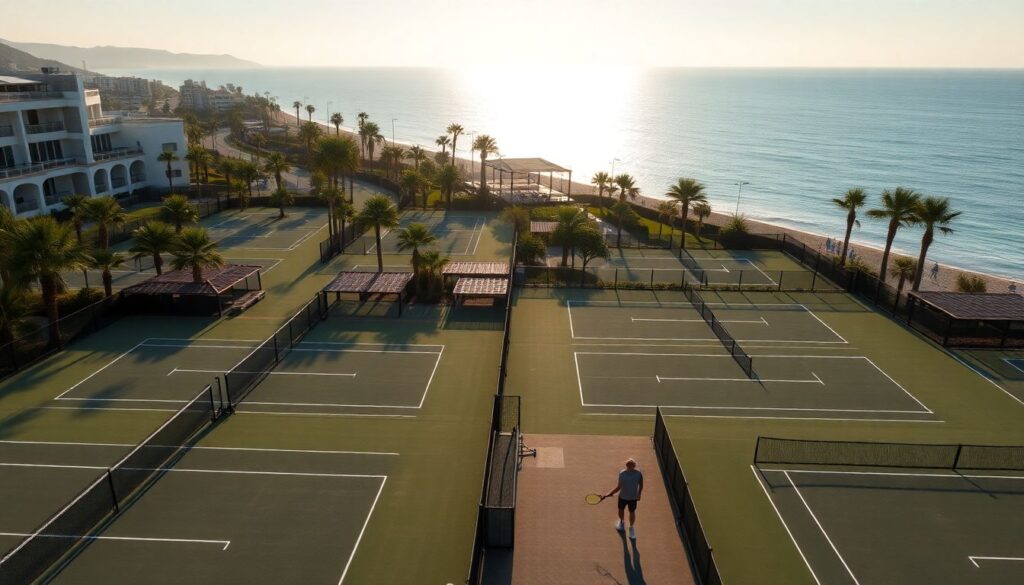
Coastal complexes fight hard for the title of best tennis resorts in turkey, offering dozens of courts, ball machines, hitting partners and even analysis with video. You wake up, walk a minute, and you’re already warming up – hard to beat for convenience. However, life at a resort is a bubble: perfect courts, controlled schedule, no traffic, no work stress. City clubs give a more realistic picture of how tennis fits your routine: crowded evenings, quick sessions before work, mixed levels of opponents. If your aim is long‑term progress, use resorts as intensive “booster weeks”, but build your real habits where you actually live.
Step 6. Common mistakes players make in Turkey’s growing scene
The first widespread error is gear obsession: players spend heavily on rackets and shoes but train once a week, then blame the frame when nothing improves. Another trap is copying pros on TV without adapting to amateur realities: trying risky drop shots on bumpy public courts or blasting second serves like you’re on centre court. A third mistake is skipping warm‑up because “court time is expensive”, which leads to strains and discouraging injuries. The better approach is boring but reliable: simple racket, regular stretching, realistic tactics and at least a short dynamic warm‑up before every hit, even if it eats five minutes of your booking.
Step 7. Beginner roadmap: how to join the boom without burning out
If you’re just starting, it’s tempting to jump into everything at once: new outfit, resort, private coach, tournament. Instead, move step by step and let your body and schedule adapt. Below is a practical path that matches Turkey’s current tennis infrastructure and avoids most early frustrations:
1. Book a trial lesson at a nearby club to learn grips and basic footwork.
2. Practice serves and rallying weekly with a friend on public courts.
3. After 2–3 months, join group classes to experience drills and friendly matches.
4. Plan a long weekend at a coastal resort to play more and test different surfaces.
5. Decide whether you want casual play, local leagues, or a more serious training plan and choose coaches and venues accordingly.