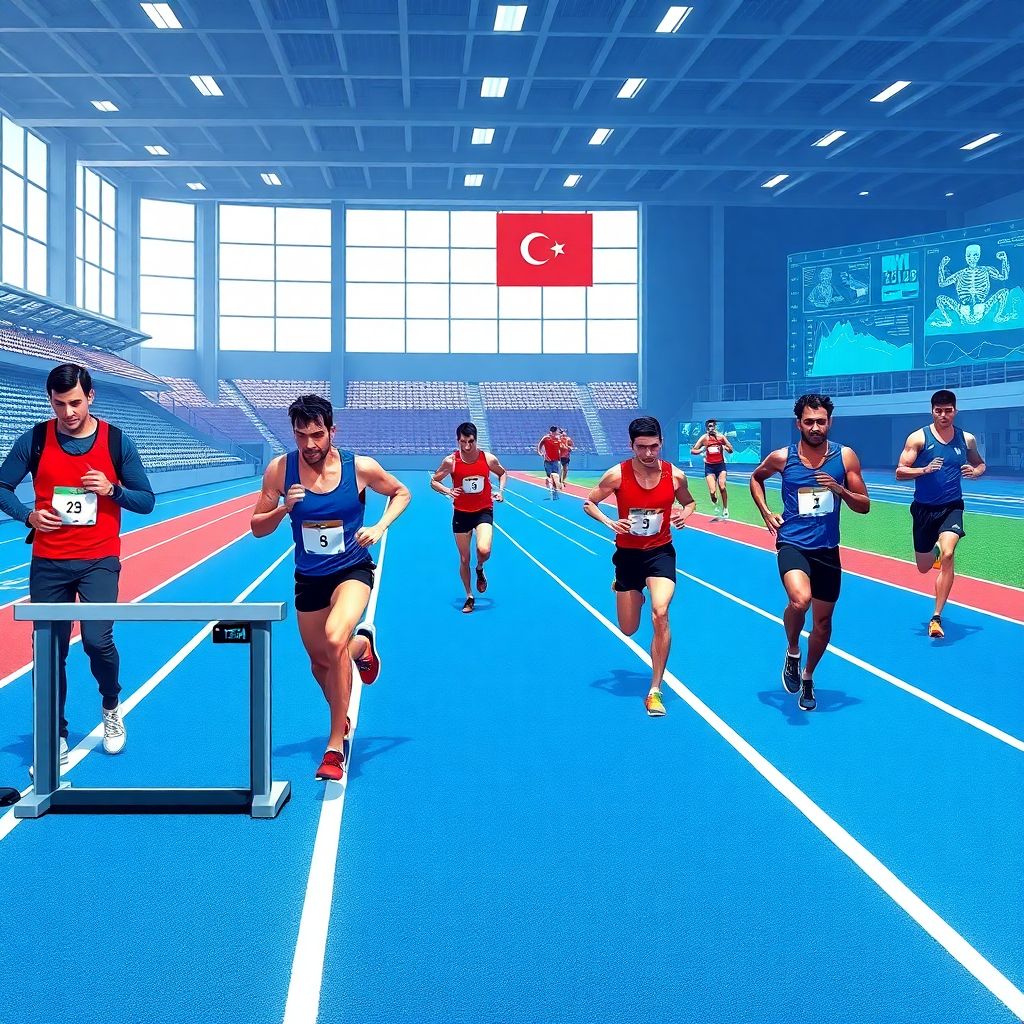
The science behind Turkish track and field: not just “run faster”
When people picture sprinters and jumpers, they often imagine endless laps and brutal interval sets. In reality, modern turkish track and field training programs look much more like a science lab than a military drill. Heart-rate variability is tracked session by session, blood tests monitor iron and vitamin D, GPS and LIDAR measure acceleration curves, and force plates in weight rooms record how efficiently an athlete produces power. Over последние 15–20 лет Turkish coaches have shifted from instinct-based planning to data-driven systems that mirror what you see in the US, UK or Scandinavia, but with local twists: different funding structures, climate, and a unique university–club ecosystem strongly shape how athletes actually prepare for global competitions.
From “coach’s eye” to data dashboards: two competing paradigms
Up to the mid-2000s, most Turkish sprinters and middle-distance runners relied on what could be called the “classic European” approach: big mileage for endurance events, huge sprint volumes for speed events, and very little individualization. One coach might handle twenty athletes, adjusting training mainly by how they looked in warm‑up. In contrast, the newer paradigm of professional athletics coaching in turkey is built on monitoring: weekly lactate tests, biomechanical video breakdowns and individualized strength plans. These two worlds coexist. Some older coaches still trust decades of experience over spreadsheets, while a younger wave insists on objective data. Interestingly, many of the best results emerge not from choosing one camp, but from hybrid systems that merge the coach’s intuition with rigorous measurement.
How Turkish athletes actually train for global competitions
When an athlete is targeting a World Championships or the Olympics, their year is sliced into meticulously planned phases. A typical 400 m runner’s season in modern turkish track and field training programs will include: a general preparation block heavy on strength, mobility and aerobic work; a specific preparation block with race‑pace intervals and technical sprinting; a competition phase shaped around key meets; and finally a taper into the major championship. At every stage, GPS sensors and timing gates track splits down to thousandths of a second. Recovery is no longer an afterthought: sleep quality is monitored via wearables, and nutrition plans are tailored to blood markers. The science is especially visible in altitude camps in Erzurum or abroad, where staff adjust training load daily based on oxygen saturation and heart‑rate variability, trying to squeeze out performance gains without pushing athletes into overtraining.
Numbers that tell the story: medals, records and participation
If you look purely at outcomes, the transformation is visible on the results sheet. Between 2000 and 2012 Turkey was practically invisible in global track and field finals, aside from a few standout distance runners and controversial naturalized athletes. By the 2010s the country started making consistent European finals and scoring occasional world medals. World Athletics databases show that Turkish national records in sprints, hurdles and field events have dropped by margins of 1–3% in the last decade, which is huge at elite level. Youth participation has also risen: domestic federation reports indicate thousands more licensed U18 athletes compared to the early 2000s, aided by school programs and regional academies. While Turkey is still far from the depth of the US or Jamaica, the general trajectory suggests that institutionalized science, not just rare talents, is driving the improvement.
Where athletes train: from school tracks to high-tech centers
The training environment matters almost as much as the workouts themselves. Older generations talk about torn cinder tracks and shared football fields; today, turkish olympic athlete training facilities offer something completely different: Mondo surfaces, indoor straightaways with wind‑controlled conditions, sprint tunnels, cold‑water immersion pools and dedicated medical rooms. Around Istanbul, Ankara and Izmir, turkey sports performance centers for athletes combine sports medicine, physiotherapy and biomechanics labs under one roof. The contrast is stark: an athlete from a provincial town may still train on basic infrastructure, while national‑team members access motion‑capture systems and altitude rooms. This gap creates two approaches to preparation: one based on improvisation and resourcefulness, the other on controlled, lab-like environments. Interestingly, many successful athletes move back and forth, using elite centers in the pre‑season but returning to their home clubs for psychological comfort before big meets.
Coaching philosophies: volume vs intensity, tradition vs innovation
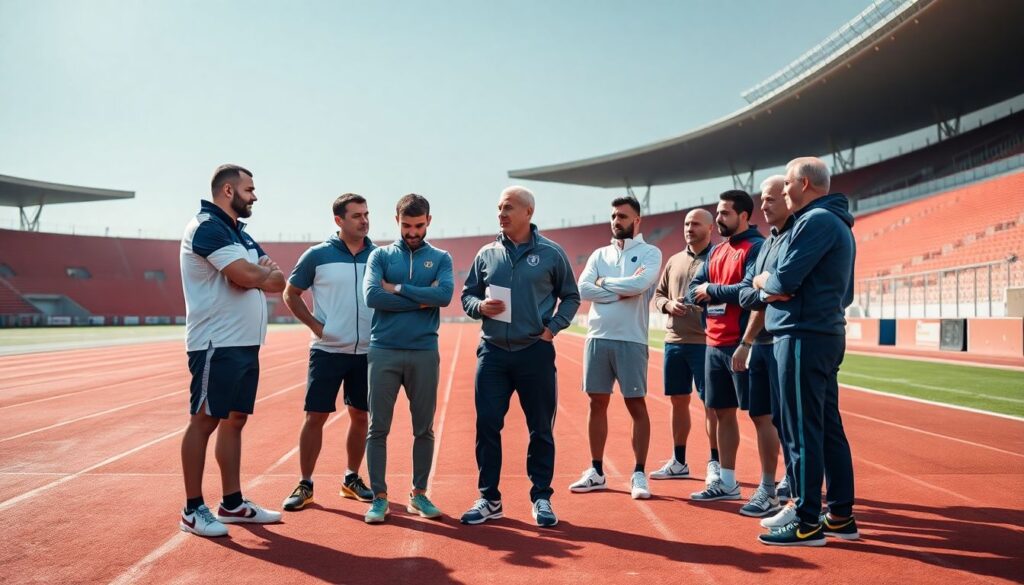
Talk to ten Turkish coaches and you will hear at least three very different schools of thought. One group emphasizes high volume: long intervals, double sessions, and heavy strength blocks, believing that big workloads build toughness and “reserve” capacity for major championships. Another group, influenced by Scandinavian and American models, prefers lower volume and higher intensity, using short, sharp sessions with more rest, plus meticulous speed and mechanics work. Inside professional athletics coaching in turkey, these debates can get heated. The more traditional school argues that younger athletes raised on gadgets and social media lack the resilience that tough training used to develop. The modernists counter that burnout and chronic injuries from excessive volume have wasted entire generations of talent. In practice, many national‑team plans now phase from more volume in early preparation to increasingly intense, precise sessions as the season targets global competitions.
Elite training camps in Turkey: home advantage vs foreign exposure
In the last decade, elite track and field camps in turkey have become a core tool of national planning. High‑altitude locations like Erzurum are used for endurance and middle‑distance groups, while warm‑weather coastal sites cater to sprinters and jumpers in winter. The science here revolves around controlled micro‑cycles: four to six weeks of focused work with strict monitoring of sleep, nutrition and training load, away from daily distractions. The big question is whether staying in Turkey is enough. Some coaches insist on foreign camps in Kenya, Ethiopia or Europe to break routine and expose athletes to different competition cultures. Others believe home‑based camps allow better continuity and fewer logistical headaches. The federation increasingly mixes both: domestic camps for foundational work, then short, targeted trips abroad for competition seasoning and high-level sparring, trying to capture the best of each strategy.
Economics of high-performance training: who pays for all this science?
Behind every biomechanical analysis and blood test lies a budget decision. High‑performance track and field is expensive, and Turkey is still building its funding model. State support via the sports ministry and federation covers national‑team camps, medical staff and some equipment at major centers. However, there is an ongoing tension between state-driven and market-driven systems. In a purely centralized model, the federation controls most resources, creating equality but sometimes slowing innovation. In a more open model, private clubs, universities and sponsors invest in their own labs and coaches, incentivizing progress but also amplifying inequalities. At the moment, Turkey sits in the middle: core funding is public, while large clubs in cities invest extra in specialists and technology. For an individual athlete, the economic question is simple but brutal: can they afford to train less and work part-time, or must they juggle jobs and training, limiting their ability to fully exploit the science-based protocols?
Impact on the sports industry: from niche labs to a broader ecosystem
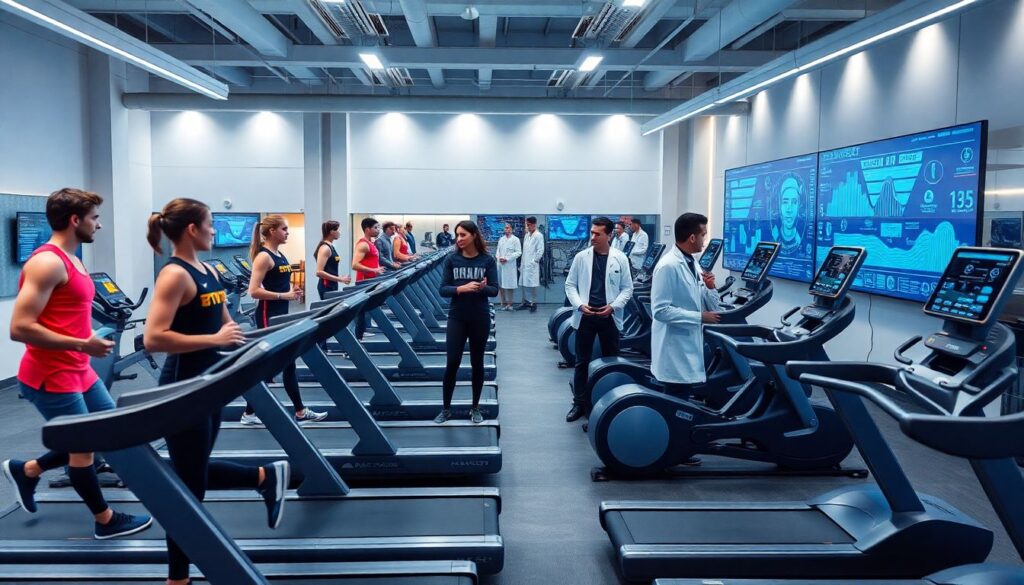
As science has seeped into preparation, it has also spilled into the wider economy. turkey sports performance centers for athletes now cooperate with universities, tech startups and equipment manufacturers, turning elite training into a mini‑industry. Wearable sensor companies pilot their devices with national‑team squads before selling them to amateur runners. Recovery technologies tested with jumpers and hurdlers—like cryotherapy or electromagnetic muscle stimulation—gradually appear in commercial gyms and wellness centers. This feedback loop shapes the sports industry: results at World Championships serve as marketing for new products, while the revenue from that market helps finance the next wave of research. Yet there is also a risk: as the industry grows, the temptation is to chase flashy technology rather than invest patiently in coaching education and long‑term talent development, which often yield bigger performance gains but far less immediate profit.
Short-term fixes vs long-term development: two strategic roads
Zooming out, Turkey faces a fundamental strategic choice: prioritize quick results or long-term depth. A short-termist approach spends heavily on senior athletes who are already close to global level—importing foreign experts, organizing last‑minute camps, and focusing on peaking for a specific Olympics. The long-term approach pushes resources into youth academies, coach education and regional centers, accepting that medals might come later. In track and field, these choices are visible: do you build a network of U16 development hubs with modest equipment but strong local coaches, or do you pour money into a few turkish olympic athlete training facilities and hope that elite environments “pull up” the system from the top? Over the past decade Turkey has leaned toward a compromise: flagship centers in big cities plus gradual investment in regional clubs. The scientific consensus is clear: without a wide base and many years of consistent training culture, no amount of last‑minute high‑tech interventions will produce stable international success.
Forecasts: where Turkish track and field could be in 10–15 years
Using current trends, performance analysts inside and outside the federation sketch cautious but optimistic scenarios. If the present rate of national-record improvement continues even at a slightly slower pace, Turkey could field finalists in most Olympic track events and a stable group of world‑class throwers and jumpers within 10–15 years. Data on youth participation and the expansion of turkish track and field training programs supports this: more athletes entering the system means a higher chance of outliers. However, projections also warn about bottlenecks: coaching depth, injury management and the transition from junior to senior level are still weak spots. Different strategic models exist. An “intensive” model doubles down on a few event groups—say, middle‑distance and women’s sprints—aiming for medals there. An “extensive” model spreads resources, trying to lift general standards across all disciplines. Analysts often argue for a phased hybrid: start intensive in a few events to build belief and know‑how, then reinvest gains into broader development.
Comparing three main approaches to training and development
To make sense of the different philosophies in Turkey, it helps to line them up side by side:
1. Traditional, volume‑based approach
This model leans on tried‑and‑tested methods from Eastern Europe: high mileage or big sprint volumes, minimal technology, and strong dependence on the coach’s eye. Its strength lies in simplicity and low cost; it works reasonably well in regions without access to major centers. The downside is a higher risk of overuse injuries and slower adaptation to the specific demands of modern global competitions, where speed, power and technical refinement are at a premium.
2. High‑tech, centralized performance model
Here the focus is on turkish olympic athlete training facilities and national camps. Training is highly individualized; everything from stride length to iron levels is tracked. Athletes benefit from expert medical teams and state‑of‑the‑art equipment. This model tends to produce the biggest performance leaps for already talented athletes and is the backbone of elite track and field camps in turkey. Yet it is expensive, can create dependence on central resources, and may overlook promising athletes outside the main hubs.
3. Hybrid, community‑plus‑science strategy
Emerging as a pragmatic compromise, this approach tries to bring basic sports science—simple GPS timing, structured strength work, evidence‑based recovery—into local clubs, while using national centers mainly for key phases and testing. Coaches receive ongoing education, and data flows both ways: from regions to centers and back. Economically and socially, this is the most sustainable option, and many experts believe it offers Turkey the best chance to build long‑term depth rather than chasing isolated medal moments.
Across these three pathways, the underlying science is the same—progressive overload, adaptation, recovery, biomechanics—but the implementation differs depending on money, infrastructure and coaching culture.
Why the “how” matters as much as the “how much”
The biggest shift in Turkish track and field is not just more training or better gyms; it is a new understanding of the “how.” Instead of asking athletes to simply work harder, coaches are asking smarter questions: how does this athlete respond to high intensity compared to their teammate, how much injury risk comes with that extra plyometric session, how do hormonal and psychological factors shape race-day performance? turkish track and field training programs that embrace these questions tend to produce athletes who last longer and peak more predictably. In the coming years, the decisive edge may not come from another fancy device, but from integrating science into everyday decisions—from the warm‑up plan of a 17‑year‑old hurdler in a small town, to the taper strategy of a seasoned Olympian preparing to step onto the global stage.