Historical Roots and Identity of Turkish Football Fan Culture
From Neighborhood Clubs to Collective Identity
Turkish football fan culture is not just about ninety minutes on the pitch; it is a dense social ecosystem formed by history, migration, and urbanization. From the 1960s onward, industrialization and rapid growth of Istanbul, Ankara and Izmir turned local clubs into markers of class and neighborhood identity. Galatasaray was long associated with the republican elite and prestigious schools, Fenerbahçe with a more populist and strongly patriotic base from the Asian side of Istanbul, while Beşiktaş drew heavily on working‑class areas and a left-leaning fan mythology. Over time, these symbolic boundaries hardened, so supporting a club became a long-term identity investment transmitted through families rather than a casual preference.
Empirical data shows how entrenched this identity is. Surveys by Turkish research institutes typically find that over 70–75% of the population self-identify as active supporters of at least one club, and derby days routinely dominate national TV ratings. Even in seasons of poor results, match-day engagement remains resilient: core ultra groups keep home attendances of top clubs above 30,000 on average, with peak fixtures selling out weeks in advance. This stickiness of allegiance explains why clubs can maintain high commercial value despite sporting volatility and frequent managerial changes.
Chants, Codes and Informal Governance
Chants in Turkey function as a form of “informal governance” inside the stadium. They regulate collective emotion, synchronize crowd behavior and often express political or social commentary. Ultras—organized fan collectives such as UltrAslan (Galatasaray), Genç Fenerbahçeliler, and Çarşı (Beşiktaş)—operate like decentralized cultural producers, designing lyrics, rhythms, and visual choreography. Their repertoires combine traditional marching tunes, pop culture references and call‑and‑response patterns that can be easily learned by newcomers in a few matches. Yet participation is guided by unwritten rules: there are designated leaders for starting chants, taboo moments when noise must drop, and specific songs used to humiliate or “intimidate” opponents, all forming a sophisticated micro‑culture.
Stadium Atmosphere and Acoustic Engineering of Chants
Decibels, Architecture and Emotional Contagion
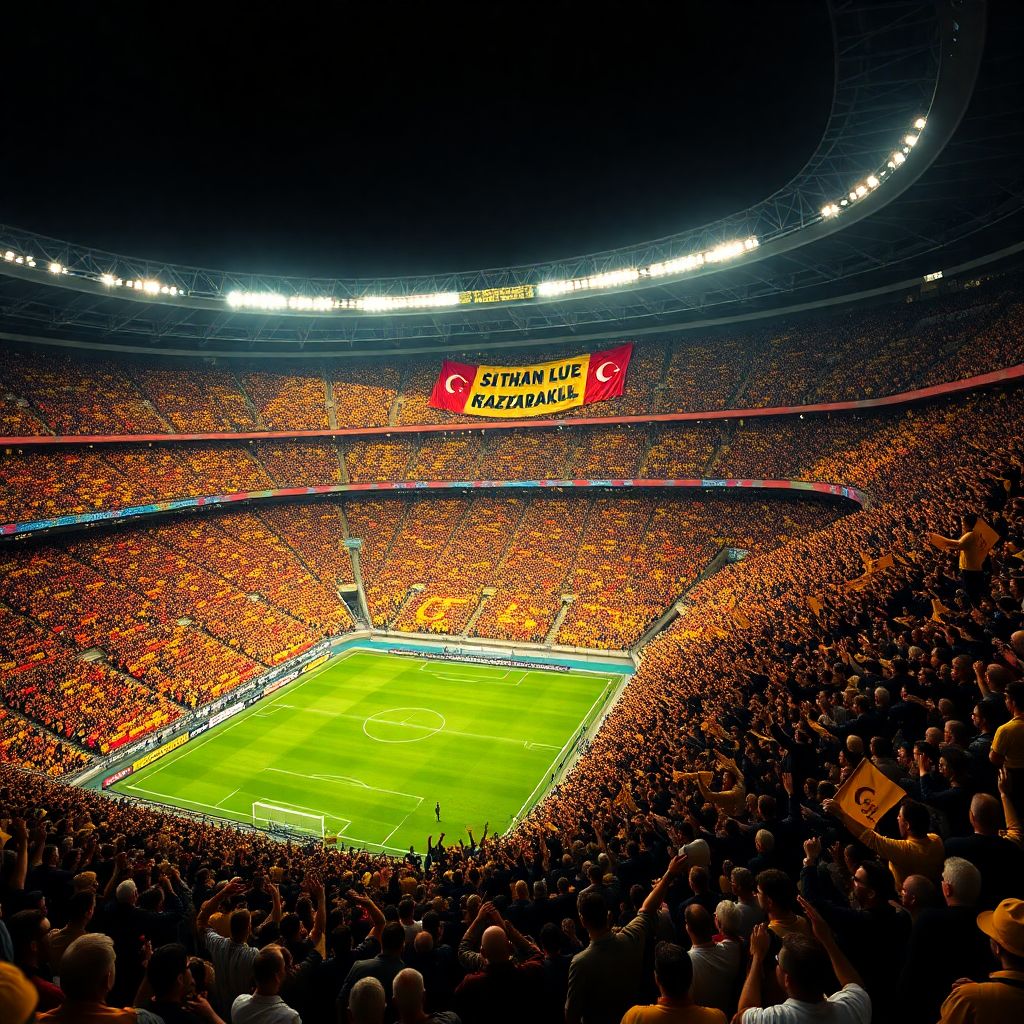
The famous intensity of Turkish stadiums is not accidental; it is partly a product of architecture and crowd density. Modern arenas like Rams Park, Şükrü Saracoğlu and Vodafone Park are built with steep stands and closed roofs that trap and amplify sound, pushing peak noise levels beyond 120 decibels in derbies—comparable to rock concerts. Continuous chanting, drums and coordinated clapping reduce “dead air” periods, which in sports psychology terms maintains arousal levels for both players and fans. This kind of atmosphere contributes to a statistically measurable home advantage: over the last decade, the Big Three have won approximately 60–65% of their home league matches, significantly above away performance, confirming the impact of crowd acoustics on competitive outcomes.
Choreography, Pyro and Regulation
Pre‑match “tifos”—large‑scale visual choreographies using banners, flags, and coordinated colors—have become a central part of the Turkish match‑day ritual. They are logistically complex projects requiring weeks of planning, crowdfunding, and volunteer labor. Pyrotechnics used to be a core aesthetic element too, intensifying the visual spectacle, but stricter safety regulations and electronic ticketing have reduced their frequency inside stadiums. Authorities balance risk management with preservation of atmosphere, introducing designated fan zones and more targeted sanctions, rather than blanket restrictions, to avoid sterilizing the experience that makes Turkish football globally distinctive and attractive to neutral spectators.
Ticketing, Demand Metrics and Pricing Dynamics
How Ticket Markets Work in Practice
For international visitors, the phrase “turkey football tickets best stadiums for atmosphere” usually translates into a search for high‑intensity fixtures at the Big Three’s grounds. The ticketing ecosystem, however, is more regulated than many newcomers expect. The mandatory Passolig e‑card system links every ticket to a verified identity, drastically reducing anonymous scalping but also introducing friction for tourists. Official club channels and partner platforms dominate primary distribution, while dynamic pricing adjusts match prices according to opponent, league position and timing, much like airline yield management practices. Derbies, European nights and title‑deciders command significant premiums relative to mid-table fixtures or early cup rounds.
Digital Sales, Packages and Revenue Streams
Online sales have become the main interface for both locals and foreigners. Phrases like “galatasaray fenerbahce besiktas match tickets online” reflect the shift from cash box‑office purchases to fully digital workflows, including seat selection, digital QR codes and mobile wallet integration. Clubs increasingly experiment with “turkish super lig tickets prices and packages” that bundle several home games, hospitality services and museum access to raise average revenue per fan. In financial reports, ticketing and match-day income can reach 20–30% of total club revenue for well‑performing seasons, with the remainder coming from broadcasting, sponsorships and player trading. Volatility in sporting results still affects this stream strongly, but the growth of structured packages and corporate hospitality stabilizes cash flow and reduces dependence on single big fixtures.
Tourism, Derbies and Football Fan Experience
Derby Tourism and Experience Design
Istanbul’s derbies have evolved into global tourism products in their own right. Specialized operators now market “football fan tours istanbul derby experience” packages that combine city sightseeing with curated access to pre‑match fan marches, local taverns, and guided briefings on fan etiquette. This experiential layering is part of a broader trend in sports tourism, where the value lies less in the final score and more in immersion in local rituals: singing on the tramway to Kadıköy, eating street food outside the stadium, or observing the choreography preparation hours before kick‑off. Municipalities increasingly recognize this as soft power: derby exposure in international media works as urban branding, positioning Istanbul as a premier city for intense yet relatively safe football experiences.
Bars, Viewing Culture and Secondary Venues
Not every visitor can get into a sold‑out derby, so urban infrastructure of secondary venues plays a key role. Many guides highlight the “best places to watch football in istanbul sports bars and pubs”, and these spaces are more than simple screening rooms. They serve as social condensers where mixed groups of expats, tourists and locals negotiate fan codes at a lower entry cost compared to stadiums. High‑definition screens, surround sound, club‑themed interiors and synchronized chanting create a “stadium-lite” atmosphere that extends the match-day footprint across neighborhoods. From an economic perspective, this disperses spending on food and beverages, broadcasts rights fees and merchandise sales, allowing the broader hospitality sector to capture value from big fixtures that might otherwise be limited to stadium perimeters.
Macroeconomic and Industry Impact
Spillovers to Hospitality, Retail and Media
Football fandom in Turkey generates significant spillover effects across multiple industries. Match‑day tourism increases hotel occupancy, restaurant revenues and transport usage, particularly on weekends with high‑profile fixtures. Broadcasting deals capitalizing on the intense atmosphere have pushed Turkish league content into international sports packages, even for audiences with no direct club allegiance. The presence of packed, loud stadiums raises the perceived entertainment value of the product, allowing media companies to market it more aggressively abroad. Ancillary sectors such as merchandising, street vendors, ride‑hailing, and informal parking services also capture incremental income on game days, forming a complex value chain anchored in fan passion.
Numbers and Projections
Available financial data indicate that combined revenues of top Super Lig clubs regularly exceed several hundred million euros per season, with notable fluctuations driven by European competition performance and exchange rate movements. If regulatory stability and stadium utilization continue to improve, conservative projections suggest moderate annual growth in match‑day and tourism‑related revenues over the next five years, even in scenarios of flat broadcast income. The key constraints are macroeconomic volatility and security perceptions; both factors directly influence international travel decisions and discretionary spending on leisure activities such as football outings.
- In the medium term, increased airline connectivity and visa facilitation could significantly expand the pool of foreign match-goers, boosting direct and indirect tourism revenues.
- Strategic collaboration between clubs, city authorities and tourism boards can convert major derbies into recurring “anchor events” within Istanbul’s broader cultural calendar.
- Continued investment in stadium infrastructure, accessibility and fan services is likely to improve occupancy rates even for non‑derby fixtures, smoothing revenue seasonality.
Forecasts: Digitalization, Safe-Standing and Fan Tokenization
Technological and Regulatory Trajectories
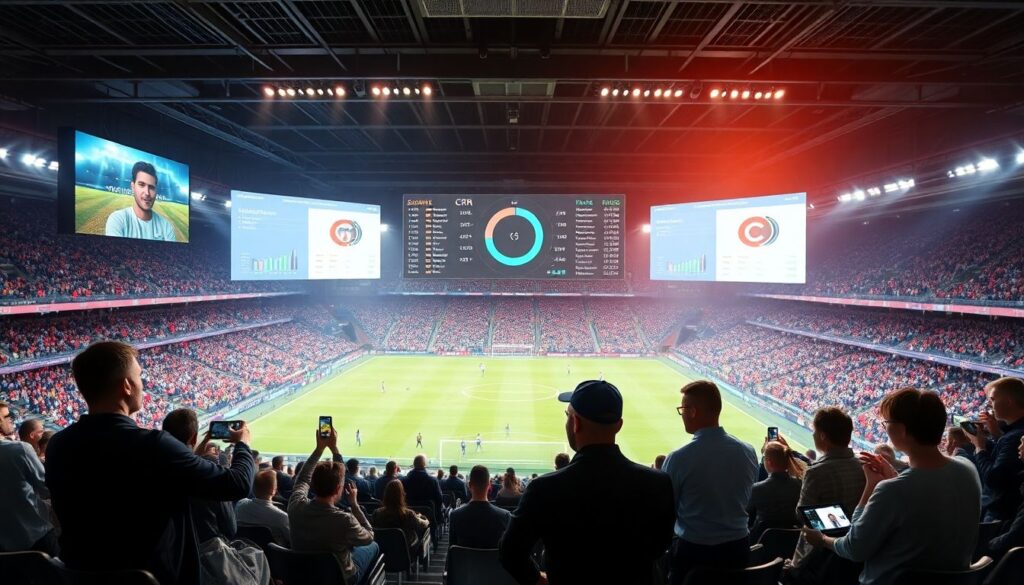
Looking ahead, digital transformation is set to reshape the interface between clubs and supporters. Advanced CRM systems allow segmentation of fans based on attendance, spending, and engagement metrics, enabling micro‑targeting of offers and personalized communication. Hybrid season products, mixing physical attendance with premium streaming, are being piloted, particularly attractive for diaspora fans who cannot attend regularly but still want preferential access to key matches. At the same time, debates around safe‑standing areas and rail‑seating continue, as regulators weigh safety data from European leagues against Turkish fan preferences for highly dynamic, singing sections behind goals. If implemented carefully, safe‑standing could increase capacity and enhance atmosphere, further strengthening the home‑advantage dynamic and the visual product for broadcasters.
Crypto, Fan Tokens and Global Communities
Many Turkish clubs have already experimented with fan tokens and blockchain-based engagement tools. While the speculative phase has cooled, the underlying infrastructure can still support more rational use-cases: voting on non‑critical club matters, loyalty point tracking, and verifiable digital collectibles tied to iconic derbies or choreographies. A realistic forecast is not a full replacement of traditional membership models, but a layered ecosystem where physical attendance, social media activity and digital assets interconnect. This could integrate global fans—who consume content remotely but rarely visit Turkey—more tightly into the economic model, reinforcing the feedback loop between stadium atmosphere, media visibility and commercial monetization.
Typical Rookie Mistakes and Practical Advice
Misreading the Culture and Overlooking Logistics
Newcomers, especially international visitors, often underestimate how structured Turkish fan culture is. One common mistake is treating big derbies as casual sightseeing stops and trying to buy tickets at the last minute, ignoring how constrained the market is. Many assume they can bypass the Passolig requirement or purchase from scalpers without risk; in reality, electronic entry gates and ID checks make that both difficult and potentially illegal. Others pick seats randomly, not realizing that certain blocks are ultra‑dominated and demand continuous participation in chants—standing silently there can create friction. A more subtle error is wearing neutral or “rival” colors without understanding local symbolism, which can signal disrespect even if unintentionally.
Safety, Etiquette and Over‑Romanticizing Danger
Another frequent misjudgment involves over‑romanticizing the “dangerous derby” narrative promoted by media. Some visitors deliberately seek out high‑tension pre‑match spots or provoke rival fans for dramatic videos, misunderstanding that modern Turkish stadiums operate under strict security protocols and that authorities prioritize de‑escalation. Rookie fans may also misinterpret police presence and crowd control measures as signs of imminent chaos, leaving early and missing key parts of the atmosphere. Inside the ground, filming ultras too closely or turning one’s back to singing sections during key chants can be read as disrespectful. Understanding that passion is high but governed by strong informal norms is essential to navigating the environment prudently.
- Do not rely on walk‑up sales for major fixtures; plan ahead, register for Passolig if required, and use official channels only.
- Avoid wearing rival colors or provocative symbols; if in doubt, opt for neutral but respectful clothing or buy home merchandise near the stadium.
- Follow the lead of local fans: stand, clap and join basic chants where possible, and avoid blocking views with phones for long recordings.
Underestimating Alternatives to Stadium Attendance
Finally, many first‑timers assume that if they cannot get into a derby, the experience is lost. They overlook that high‑quality viewing can happen in curated environments across the city. When stadium attendance is impossible, exploring local venues renowned among supporters can be just as instructive culturally. Instead of fixating solely on VIP tickets or final‑minute resale platforms, visitors can reframe their expectations: a night spent in a packed neighborhood bar in Kadıköy or Beşiktaş, synchronizing chants with locals during a crucial league match, offers a dense slice of social reality. By approaching Turkish football as a social system—interlacing stadiums, streets, bars and digital spaces—newcomers avoid frustration and gain a much richer understanding of what makes this fan culture uniquely intense and economically significant.
To optimize the overall experience, many savvy visitors now combine official club museum tours, smaller league fixtures with easier access, and curated evenings in areas known as informal fan hubs, leveraging their time and budget more intelligently than those who chase only the most hyped fixtures. This broader approach turns the pursuit of tickets from a stress factor into just one component of a layered, memorable immersion in Turkish football life.