Step 1. Get the Big Picture: Почему вообще Турция всё выигрывает?
Европейские титулы за последние три сезона
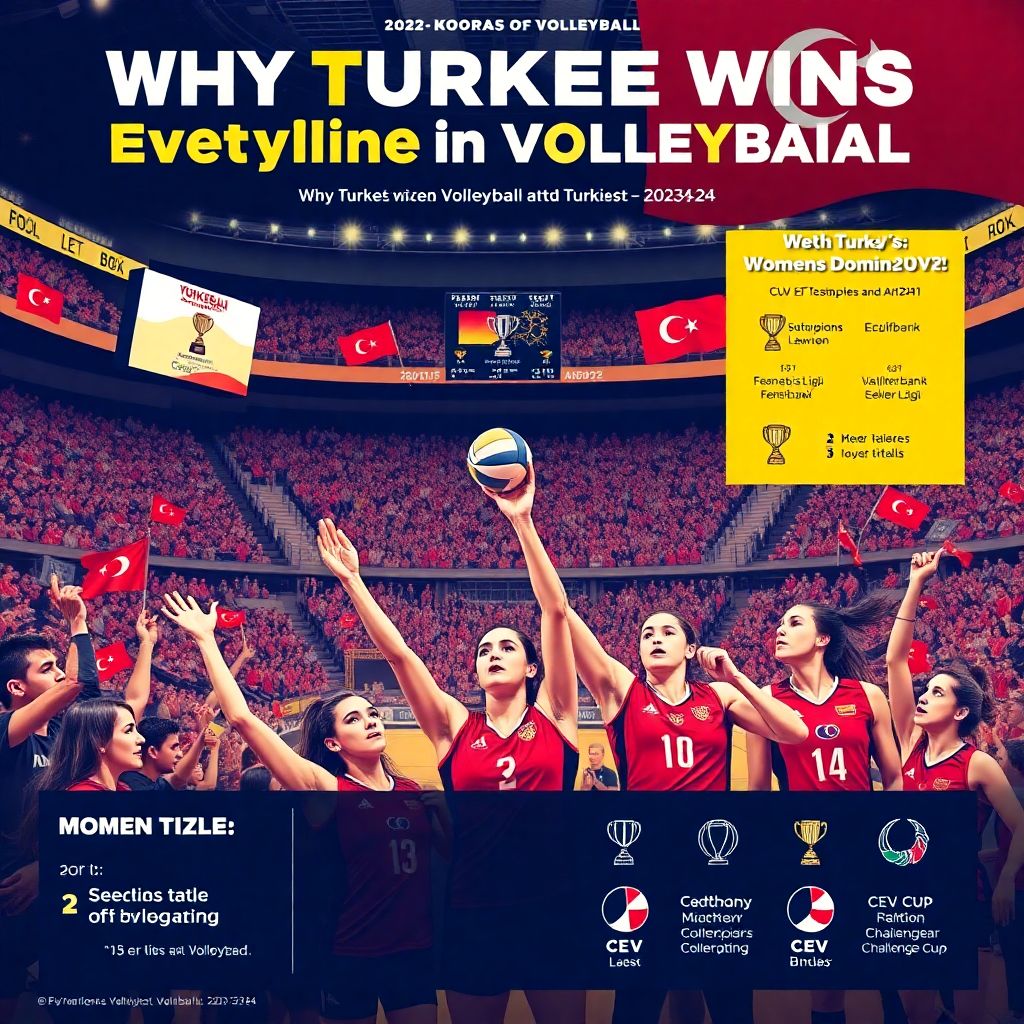
If you look at European cups over the last three completed seasons (2021/22, 2022/23, 2023/24), Turkish women’s clubs have been everywhere. In the CEV Champions League Women, VakifBank Istanbul won in 2021/22 and 2022/23, giving Turkey 2 of the last 3 titles and 3 straight finals with at least one Turkish team involved. Over those same seasons, Turkish clubs reached the semi‑finals in the top women’s competition 7 times out of a possible 12 spots, which is a ridiculous level of dominance compared to any other country. On the men’s side, they haven’t grabbed the Champions League trophy, but Halkbank Ankara and Ziraat Bankkart have become regulars in quarter‑finals and finals of the CEV Cup and Challenge Cup, steadily pushing Turkey upwards in the European rankings and budget tiers.
Домашняя лига как фундамент
To understand why the best turkish volleyball clubs in europe often come from Istanbul and Ankara, look at the domestic leagues. The women’s Sultanlar Ligi is now widely viewed as the strongest women’s league in the world, with budgets that allow teams to sign Olympic champions and world‑class coaches. Over the last three years, at least three Turkish women’s teams regularly start European matches with full line‑ups of current national‑team stars from Brazil, USA, Italy, Serbia and Turkey itself. That concentration of talent means that every league round at home feels like a mini‑Champions League, and players go into European competitions already used to insane speed, height and pressure. For men, the Efeler Ligi is a step behind Italy and Poland, but still strong enough to keep Turkish clubs in the European conversation.
Step 2. Money, Marketing & Full Arenas
Как бюджеты меняют уровень игры
One thing people underestimate is how brutally simple high‑level sport can be: if you have money and use it wisely, you win. Over the last three seasons, VakifBank, Eczacibasi and Fenerbahce women’s teams have all operated with annual budgets often estimated in the €5–8 million range, sometimes higher in Olympic years. That allows them to stack rosters with World Championship MVPs, deep benches and professional support staff from nutritionists to data analysts. A common beginner’s mistake is to think “they just got lucky with a golden generation,” but when you check how many world‑class players rotate through Istanbul every year, you realise it’s systematic investment, not a fluke.
Билеты, фанаты и атмосфера
The next piece of the puzzle is how they fill arenas. volleyball turkey league tickets for big Istanbul derbies — VakifBank vs Eczacibasi or Fenerbahce — often sell out days in advance, with attendance numbers that many European basketball or handball teams would happily steal. Over the last three seasons, average crowds at top women’s matches in Istanbul have hovered around 4–6 thousand for regular games and significantly higher for finals and derbies. That atmosphere is brutal for opponents but fantastic for players’ motivation and sponsors’ visibility. If you’re planning a trip, don’t repeat the classic rookie error of showing up on match day expecting to buy a seat at the door; big games can be packed, so it’s smarter to grab tickets online as soon as dates are confirmed.
Step 3. Star Players & Smart Recruiting
Почему все звезды едут в Стамбул
Look at MVP lists from recent Olympics, World Championships and European Championships and you’ll notice a pattern: many of them either currently play or recently played in Turkey. Over the last three years, Turkish clubs have signed top outside hitters and setters from the USA, Italy, Serbia, Brazil and of course the Turkish national team, often paying them some of the best club salaries in the world. The trick isn’t only money, though. Clubs build long‑term relationships with players, extend contracts early and offer stability. A common misconception is that these teams simply buy a random bunch of stars every year; in reality, they often keep a stable core for multiple seasons, adding just one or two key pieces so that European tactics stay consistent and automatic.
Баланс между легионерами и местными
Another reason Turkish clubs dominate is how they blend foreign stars with homegrown talent. Over the last three seasons, many Turkish players who shine in the national team — especially on the women’s side — have been developed inside the youth systems of the same clubs that later win European cups. That means when they step onto a Champions League court, they’re playing in the same hall, with the same staff and often older teammates they’ve known since junior age. Beginners watching only star imports sometimes overlook how important that local backbone is. Without disciplined Turkish middles, liberos and setters who know the system by heart, the foreign attackers can’t just swing freely and win trophies.
Step 4. Coaching, Analytics & Daily Training
Европейский опыт на турецкой скамейке

Turkish dominance is also a coaching story. Over the last three years, clubs like VakifBank, Eczacibasi and Fenerbahce have employed some of the most decorated coaches in modern volleyball, many of them with Olympic, World Championship or Champions League titles on their CVs. These coaches bring sophisticated systems for video analysis, scouting and individual player development. Instead of only screaming from the sidelines, they run practice like laboratories: measuring jump height, tracking serve zones, tweaking blocking schemes against specific opponents. One of the biggest mistakes developing clubs in other countries make is cutting costs on staff and analytics, while Turkish teams treat it as a non‑negotiable part of high‑performance culture.
Предупреждение: не путайте шоу с работой
From the outside, it’s easy to see the packed stands and think the secret is just hype. But daily reality is far from glamorous. Players in top Turkish teams often train twice a day, six days a week, with loads monitored by sports scientists. Over recent seasons, many clubs have introduced strict limits on jumps per practice to reduce knee injuries, and they use GPS and heart‑rate data to keep athletes fresh for European play‑offs. New fans sometimes assume the league is basically a weekly show for social media; in practice, the “show” is just the visible tip of a huge training iceberg. If you want to learn from Turkey’s model, copy the invisible work first, not just the fireworks on Instagram.
Step 5. Media, Streaming & Global Exposure
Как трансляции прокачали интерес
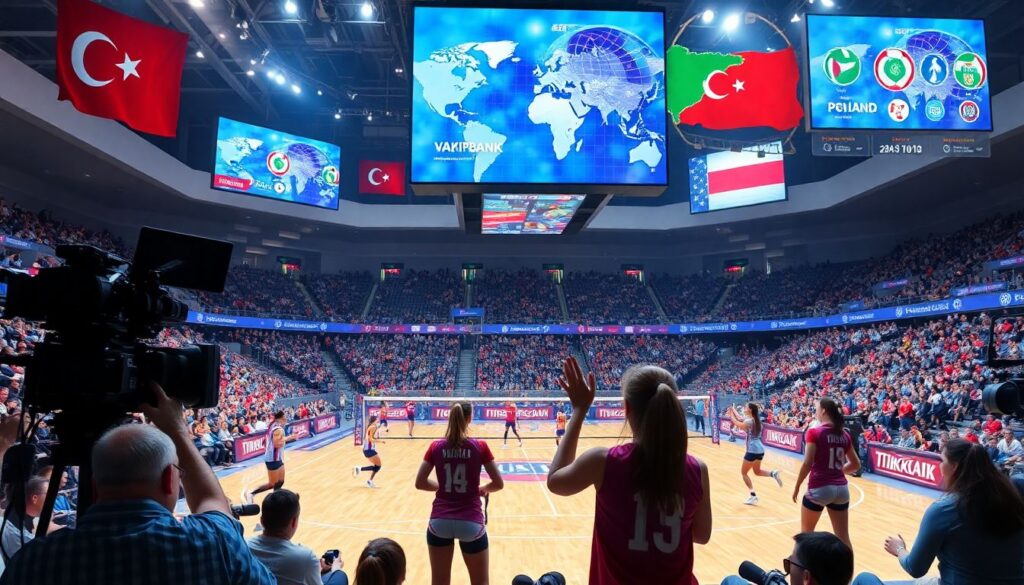
One quiet engine behind Turkish success is visibility. turkey women’s volleyball super league live streaming on official federation channels, club platforms and international partners has exploded over the past three years. Suddenly a fan in Brazil or Poland can watch VakifBank vs Fenerbahce on a Saturday night with professional commentary instead of dodgy low‑quality streams. That bigger audience attracts more sponsors, which in turn finance better rosters and facilities. A classic beginner misunderstanding is to think streaming only helps fans; in reality, it’s a financial pipeline. The more people watch, the more valuable broadcasting rights become, and the easier it is for clubs to keep their best players instead of losing them to Italy or China.
Соцсети, мерч и бренд клубов
Another piece you can’t ignore: branding. In the last few seasons, top clubs have turned themselves into lifestyle brands rather than just sports teams. vakifbank eczacibasi turkish volleyball merchandise — jerseys, hoodies, scarves, even casual streetwear — sells not only in Turkey but also online to fans across Europe and Asia. Younger supporters follow players on Instagram and TikTok, learn chants from clips and then dream about visiting Istanbul for a live match. If you’re new to the scene, be careful not to judge a club’s size only by arena capacity; some Turkish teams have bigger combined digital followings and merchandise sales than supposedly “giant” clubs in other European sports. That digital strength quietly funds better squads and youth programs.
Step 6. What This Means for New Fans
Как смотреть и за кого болеть
If you’re just getting into volleyball and wondering where to start, Turkey is a fun entry point. The storylines are simple: Istanbul derbies, packed arenas, star‑studded rosters and constant European drama. A good beginner move is to pick one or two clubs to follow closely for a full season instead of trying to watch every match. That way, you start recognising rotations, signature plays and rivalries. Avoid the newbie habit of switching “favourite teams” every time someone wins a trophy; you’ll miss the real fun, which is watching how rosters evolve and how the same clubs clash year after year in European semi‑finals.
Ошибка новичка: недооценка мужского волейбола
Because the women’s league is so dominant, many new fans forget Turkish men’s volleyball exists until a European final pops up. Over the past three years, men’s clubs like Halkbank Ankara, Ziraat Bankkart and Fenerbahce have quietly stacked competitive squads, often reaching late European rounds. If you’re exploring, don’t just watch women’s games; mix in some men’s Champions League or CEV Cup matches involving Turkish teams to see different tactical styles and serving power. The main warning here: stats and success are more spread out on the men’s side, so don’t expect Turkish teams to win every title. Enjoy the fact that here they are ambitious challengers rather than automatic favourites.
Step 7. Visiting Turkey as a Volleyball Fan or Player
Как съездить на матч и не облажаться
Planning a volleyball‑themed trip to Istanbul or Ankara is absolutely doable, but requires a bit of prep. Schedules for league and European matches usually come out weeks in advance, so the smart move is to book flights and accommodation around one or two big games, then grab volleyball turkey league tickets as soon as they appear on official club or federation websites. Don’t rely on resale platforms for every match; smaller games might not show up there at all, and for the hottest derbies prices can spike painfully. Another travel mistake is staying too far from arenas; Istanbul traffic is legendary, so consider booking a hotel on the same side of the Bosphorus as the venue to avoid missing first serve.
Тренировочные лагеря и возможности для иностранцев
If you play yourself and want to learn from the system, volleyball training camps in turkey for foreigners have become more common, especially in coastal cities like Antalya and Izmir. Over the last few summers, more and more European youth teams and adult amateurs have flown in for week‑long camps that combine pro‑style practices in the morning with beach time or sightseeing later in the day. Before you sign up, ask clear questions: who are the actual coaches, how many hours you’ll train per day, and whether sessions are run in English. A frequent mistake is to chase the cheapest camp and then discover it’s basically a holiday with a couple of light drills; if your goal is to improve, pay attention to training volume and the level of sparring partners.
Step 8. Lessons You Can Steal for Your Own Development
Что могут взять для себя молодые игроки
Even if you never set foot in a Turkish club, there’s a lot you can copy from their formula. First, they treat fundamentals obsessively; in top teams, even famous stars spend whole sessions on serve‑receive angles or block timing. If you’re a beginner, resist the urge to chase only power and crazy spikes. Focus instead on first contact — serve and pass — plus learning to read the game. Another useful habit is video analysis: record your matches or practices on a simple phone tripod and review them like Turkish teams do, looking for recurring mistakes rather than obsessing over one bad play. This approach builds the same “professional” mindset, just on a smaller scale.
Чему стоит научиться у турецких клубов тренерам и организаторам
For coaches and club managers, Turkish dominance is a reminder that success comes from alignment, not magic. The federation invests in youth, clubs invest in staff and facilities, and media partners invest in visibility. If you run a small club, start with realistic steps: create a clear style of play across all age groups, organise local live‑streams even if it’s just on YouTube, and build a recognisable brand so kids are proud to wear your gear. The big warning: don’t try to copy Turkey by overspending on one foreign star while ignoring coaching education and youth development. That’s the exact opposite of what made Turkish clubs such a force in European competitions over the last decade.