Football, identity and power in today’s Turkey
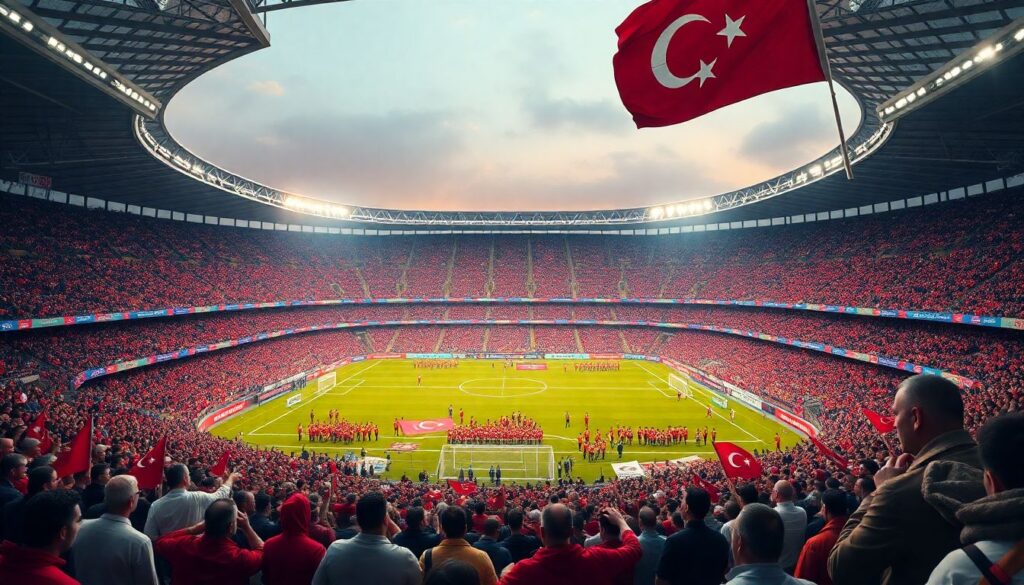
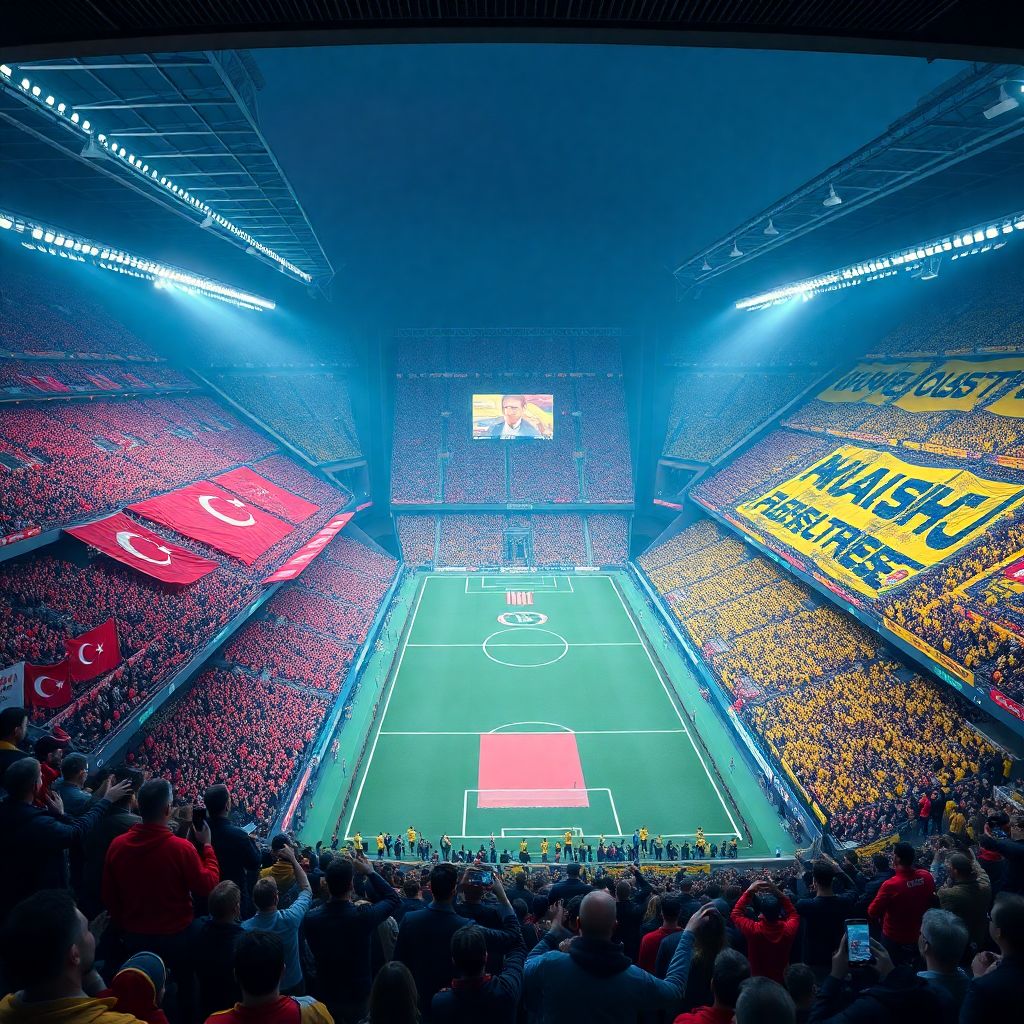
If you want to understand Turkey in 2026, you don’t start with parliamentary debates, you start with football fixtures. The big clubs operate almost like political parties: they have electorates (season‑ticket holders), media ecosystems and distinct ideological brands. When people fight online over turkey football derby tickets galatasaray fenerbahce, they are not just chasing seats, they are voting with their wallets for a particular narrative of Turkishness, secularism, conservatism or cosmopolitanism. This is why every derby is treated as a high‑risk political event where emotion, memory and state authority collide. Matchday choreography, chants and even banner fonts have become semiotic tools in ongoing negotiations over national identity.
On the street level it feels less abstract: who your family supports often says more about your social background than any census form, and that social code still matters in workplaces, student politics and even dating.
Stadiums as political stages
Derbies in Istanbul have long been described as “civil wars without weapons”, but by the mid‑2020s the metaphor shifted toward “regulated protest arenas”. The state treats big games as controlled environments where dissent can appear, be surveilled and, if needed, be neutralised. Fans know this, so choreography becomes more tactical. One week you see overt nationalist tifos; another week, a sudden round of anti‑government chants during a quiet 0:0. Security protocols, ID‑based e‑ticketing and algorithmic crowd management are sold as neutral safety technologies, yet they also function as political filters, deciding who actually gets into the ground and whose voice is amplified in the televised soundscape that represents “the nation” to itself and to the world.
You can feel the tension in small moments: a chant cut off by stadium music, a banner confiscated at the turnstile, a whole block suddenly silent when police cameras swivel in their direction.
Technologies that shape the new matchday
The tech stack around Turkish football has turned into a powerful political instrument. E‑ticketing tied to national ID numbers creates a traceable database of attendance and protest behaviour. On the plus side, this reduces classic hooliganism, ticket touting and physical cash flows that once fed informal networks around the clubs. On the minus side, it produces a chilling effect: many politically active ultras now self‑censor in the stands and migrate their more radical speech to encrypted channels. Add to this high‑definition CCTV with facial recognition, geofenced policing apps and VAR systems whose controversial decisions instantly become conspiracy fuel, and you get a stadium environment where every data point feels ideologically loaded, even when it is just a marginal offside line on a screen.
For ordinary fans this can feel like a trade‑off: higher baseline safety and smoother logistics, paid for with a constant sense of being monitored far beyond what’s needed to keep flares out.
Comparing fan governance models

Different clubs are experimenting with very different governance and engagement architectures. At one extreme you have more traditional member‑owned structures, where club presidents still campaign like municipal politicians; at the other, you see quasi‑corporate models with strong state‑linked sponsors and limited internal opposition. Digital fan‑token platforms appeared promising as tools for “democratic” participation, yet in practice they mostly monetise symbolic votes on shirt designs or walk‑out music. The technical term here is “participatory branding”, not governance. The upside is financial diversification and transnational reach; the downside is a hollowing‑out of real local decision‑making. Fans sense when they are treated as consumers rather than stakeholders, which fuels ultra groups’ insistence on autonomy and anti‑system rhetoric.
In Istanbul this divergence is visible in how quickly each club’s base mobilises around off‑pitch issues, from urban redevelopment to press freedom, and how responsive club boards are to that pressure.
How to “read” Turkish football in 2026
If you’re coming in fresh, think of each match as a layered text. On the surface, tactics, xG and pressing intensity; underneath, signalling about class, region and ideology. A turkish football culture tour istanbul match packages brochure might advertise Bosphorus views and stadium acoustics, but the real value is ethnographic: you’re observing how chants reframe national myths, how flags and colours mark political territory and how humour is used as low‑risk dissent. In 2026, social media has shortened the feedback loop: a chant born in one ultra tribune on Sunday becomes a meme template in nationwide political discourse by Monday. Hashtags after controversial penalties often mirror parliamentary rhetoric, with fans adopting legal and constitutional vocabulary to contest refereeing in almost parodic detail.
To really decode it, you need to pay attention to what is not sung, the silences around certain topics that used to be loud just a few seasons ago.
What to follow, watch and read
Because so much meaning is compressed into matchdays, secondary media products are booming. Every season brings new books on turkish football politics and national identity, often written by sociologists who double as season‑ticket holders, and these works are now standard reading in European sports‑studies courses. On the visual side, at least one major documentary about turkish football fans politics and ultras drops each year on international platforms, zooming in on tifos, police‑fan negotiations and the repurposing of club symbols in protest marches. These formats have pros and cons: they democratise access to complex local realities, yet they also risk romanticising ultras or flattening diverse fan cultures into a single “hot‑blooded Turk” stereotype.
The best use of these resources is comparative: treating them as case studies alongside material from Argentina, Poland or Egypt to map global patterns of politicised fandom.
Practical tips for visitors in 2026
If you’re planning to experience this ecosystem on the ground, approach it with both curiosity and caution. First, buy tickets and merch through official, regulated channels; the days of casual scalping are mostly over, and enforcement is strict. That includes digital outlets: when you browse a galatasaray fenerbahce besiktas fan merchandise online shop, you’re also stepping into a branded political universe where scarf designs, retro badges and even typography signal specific historical alignments. Second, understand that chanting is not neutral; joining in without knowing the words can position you unintentionally in internal debates you don’t see. Finally, respect local security norms: ID checks, stadium codes of conduct and no‑banner policies are part of a broader governance regime, not ad‑hoc rules targeting tourists.
Listening more than speaking during your first derby is usually the safest and most educational strategy.
Emerging trends to watch beyond 2026
Looking past 2026, three trajectories stand out. First, increased algorithmic mediation: recommendation engines already shape which clips, chants and controversies go viral, effectively curating the “official” emotional memory of Turkish derbies for global audiences searching turkey football derby tickets galatasaray fenerbahce or related content. Second, spatial reconfiguration: new or renovated stadiums are being designed with integrated surveillance and commercial layers, making them hybrid spaces where consumption, security and nationalism are tightly interwoven. Third, transnationalisation: as more international students, migrants and tourists plug into the scene, identity politics inside the stands become less purely national and more post‑national, forcing ultras and club boards to rethink who “we” actually is when the team walks out. All three dynamics ensure that the intersection of sport, politics and identity in Turkey will stay volatile, inventive and analytically rich for years to come.