Historical context: how Turkey arrived at a different model
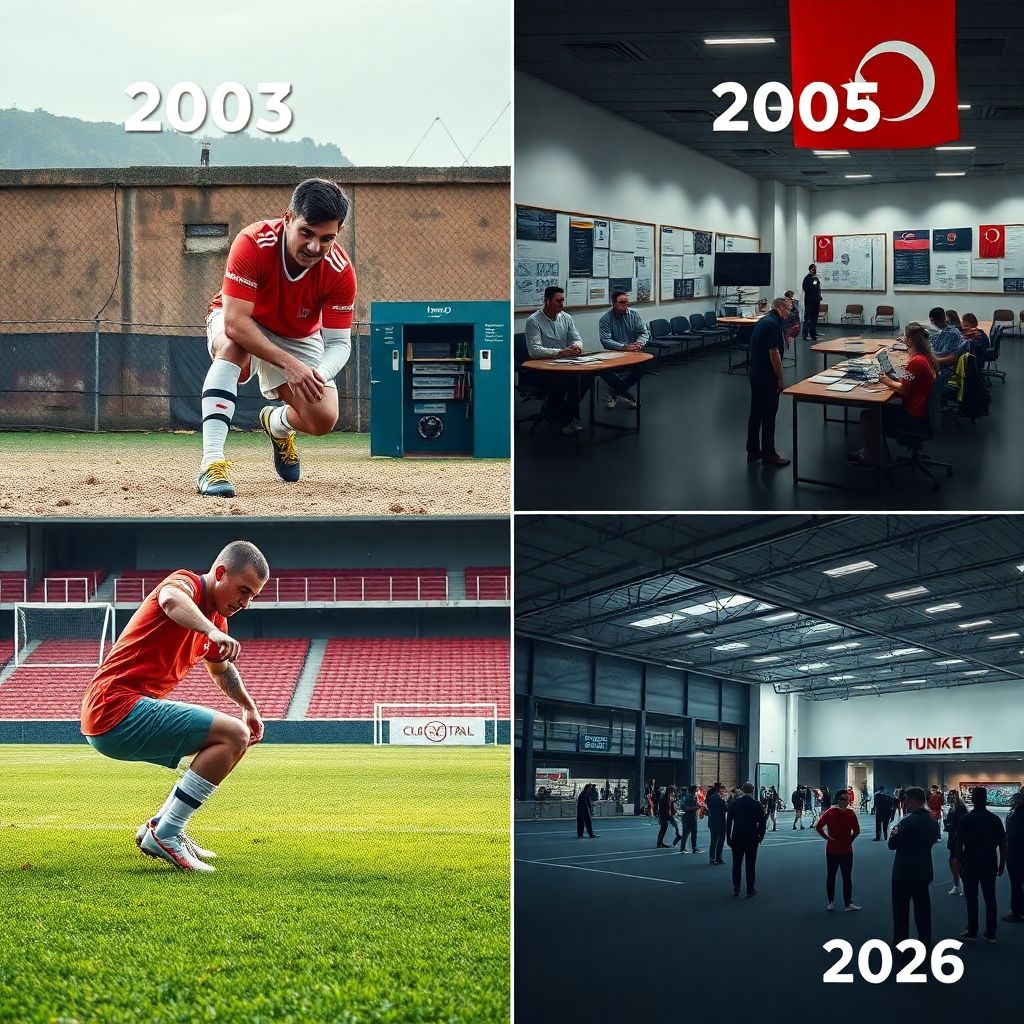
If you look back 20–25 years, Turkish elite sport was still largely built on a “train hard, tape it up, and hope for the best” philosophy. Medical support existed, но it was focused mostly on acute care: you got injured, you saw the team doctor, maybe a basic rehab block, and then right back into competition. Around the late 2000s, a quiet shift started, driven by football clubs investing in European experts, early adopters in wrestling and weightlifting, and a growing academic base in sports science. The turning point came in the mid‑2010s, when federations began systematically collecting injury data, analysing training loads, and sending staff for fellowships abroad. By the early 2020s, several clubs had structured injury prevention programs for elite athletes, using GPS, force plates and EMG, while universities in Istanbul, Ankara and Izmir were already running research projects aligned with IOC and UEFA consensus statements. That convergence of practice and science is what you’re seeing mature in 2026.
Core principles of the Turkish approach to prevention and recovery
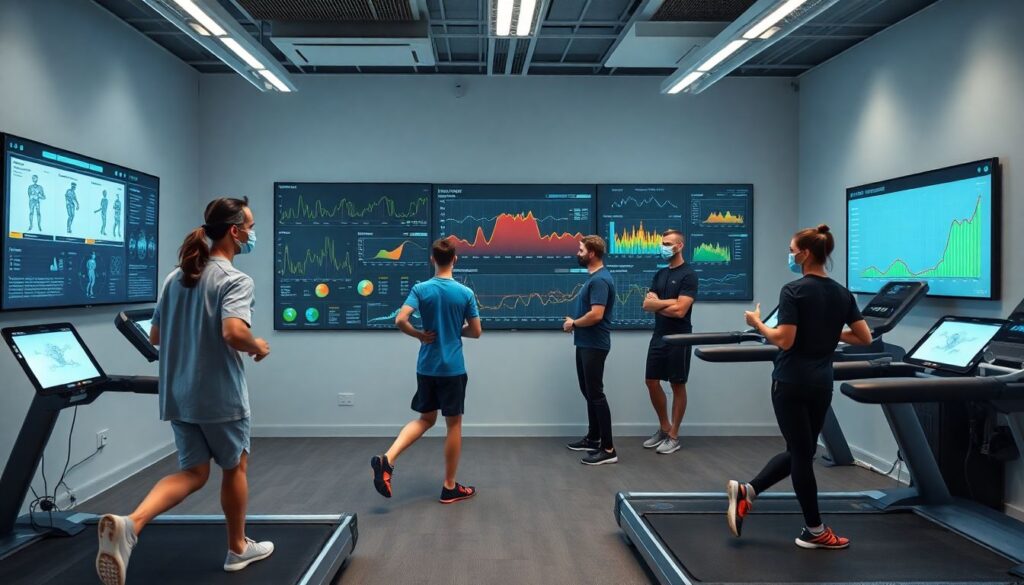
Тurkish practitioners talk less about “magic treatments” and more about systems. Their main shift has been from episodic care to continuous risk management. Instead of reacting to injuries, they model risk based on biomechanics, training history, sleep metrics and psychological load, then adapt training before something breaks. Another key difference is the integration between strength and conditioning coaches, physicians, dietitians, psychologists and physiotherapists. Rather than each expert working in a silo, the dominant model in top clubs is a daily “medical‑performance huddle,” where they jointly adjust microcycles. The language is very data‑heavy—acute‑chronic workload ratios, tissue capacity, velocity‑based training—but decisions are still grounded in the athlete’s subjective feedback, cultural background and competition calendar.
Data‑driven load management as a foundation
What outsiders often notice first is the obsession with monitoring. Elite clubs and national teams track external load (GPS metrics, number and intensity of accelerations, mechanical work on force plates) and internal load (heart‑rate variability, neuromuscular fatigue markers, sleep quality, RPE scales). Instead of chasing maximal workload, practitioners in Turkey focus on the bandwidth where tissue adaptation occurs without overreach. Athletes might have similar weekly training volumes, but the distribution of high‑impact sessions, recovery days and technical drills is far more strategic. In 2026, almost all top‑tier teams adjust line‑ups based on readiness scores, not just tactical considerations, which has significantly reduced soft‑tissue injuries across football, basketball and volleyball, compared with data from a decade ago.
Integrated “medical–performance” teams
Another thing Turkish elite athletes are doing differently is refusing to separate “health work” from “performance work.” In many systems, rehab happens in a back room while performance happens in the gym. In Turkey’s best environments, the spectrum is continuous: an athlete might start post‑injury with isometric loading and blood‑flow restriction, transition into controlled plyometrics on force decks, then progress into position‑specific drills with GPS monitoring—all under one integrated plan. A lot of Turkish sports physiotherapy for professional athletes now takes place right on the training pitch or court, with physios and S&C coaches co‑designing drills. Communication loops are tight: if a player reports tendon stiffness that morning, the afternoon microcycle gets tweaked, not next week.
Cultural and psychological specificity
One under‑discussed piece is culture. Turkish teams operate in a high‑pressure, emotionally intense environment, with passionate fan bases and strong club identities. That used to fuel risky “play at all costs” decisions. Over time, practitioners reframed that mentality into long‑term duty: you’re more valuable if you’re available all season, not just for today’s derby. Sports psychologists embedded in squads help athletes rewire beliefs around pain, toughness and rest. Sleep hygiene, travel strategies, and even family‑support programs are now part of the load‑management toolkit, because staff learned that chronic psychosocial stress was quietly driving overuse injuries and delayed healing.
How prevention looks day‑to‑day for Turkish elite athletes
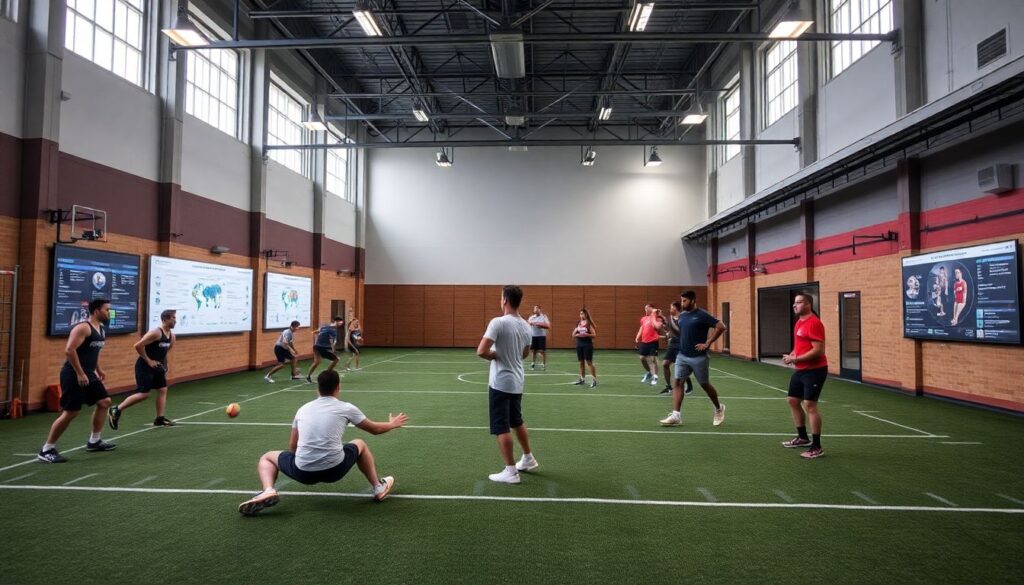
At ground level, prevention no longer looks like a few generic stretching routines before training. Instead, it’s a modular system. Each athlete has a risk profile built from movement‑screen data, previous injury history, positional demands and even genetic markers where available. Warm‑ups include targeted neuromuscular drills that address those specific deficits: deceleration technique for wingers, cervical stability work for wrestlers, adductor strength for goalkeepers. Small‑sided games are manipulated—pitch size, contact rules, work‑to‑rest ratios—to keep tissue load within safe zones. Coaches now accept that if an athlete’s metrics flag elevated injury risk, their minutes will be limited, even in high‑stakes matches. That cultural buy‑in from coaching staff might be the single biggest shift compared with 10 years ago.
What’s different about recovery and rehabilitation in Turkey
The recovery side has also evolved from “physio plus rest” to a staged, objective protocol. When people talk about sports injury recovery treatment in Turkey today, they refer to an ecosystem. Initial phases focus on precise diagnosis with high‑resolution imaging and functional testing, but clinicians are careful not to over‑medicalise pain. Early loading starts sooner than before, guided by pain monitoring scales and force‑output thresholds. As healing progresses, athletes shift into on‑field reconditioning blocks that mirror match demands, with constant feedback from monitoring tools. Importantly, return‑to‑play is no longer a date—it’s a battery of criteria: strength symmetry, reactive strength index, technical skill under fatigue, psychological readiness. That multi‑factor decision‑making has reduced re‑injury rates in several federations since 2020, especially for ACL and hamstring cases.
Clinics, infrastructure and why athletes stay in Turkey
It’s not a coincidence that more foreign players now choose to stay in country for complex cases. Over the past decade, sustained investment in healthcare and elite sport has produced some of the best sports medicine clinics in Turkey for athletes, especially in Istanbul and Ankara. These centres integrate orthopaedic surgery, imaging, sports cardiology, physio, S&C and performance analysis under one roof, which shortens the feedback loop after procedures. A post‑op athlete can have a gait‑lab assessment, adjust their brace settings, and update their gym program in a single visit. For national‑team athletes, that means less fragmented care and more coherent long‑term planning, coordinated with club staff and federation medical committees rather than isolated practitioners.
Real‑world implementation: from national teams to club academies
From a practical standpoint, the most interesting change is how deeply these ideas have filtered into youth systems. Senior national teams might grab the headlines, but academies are where injury‑prevention culture is being normalised. Football and basketball academies now routinely screen U‑14 and U‑16 players, tracking growth spurts and movement quality to avoid overload during peak height velocity. Wrestling and taekwondo programs have limited extreme weight cuts in adolescents and introduced structured strength training earlier, reducing chronic back and knee issues. These aren’t just imported protocols; they’re locally adapted, taking into account school demands, travel constraints and regional facilities. Over time, that should produce senior athletes whose tissues and movement patterns are more resilient before they even reach professional contracts.
Role of physiotherapy and performance training
Physiotherapists in Turkey have gradually morphed into hybrid “rehab‑performance” specialists. A standard session with an elite athlete now rarely consists of passive modalities alone. Manual therapy and modalities are used strategically, but the bulk of time is invested in targeted loading, movement retraining and education. This is where elite athlete rehabilitation and performance training Turkey has developed a distinctive flavor: the same professional might guide an athlete from early‑stage tendon loading on an isokinetic dynamometer all the way to overspeed sprint work with timing gates. Because these practitioners are embedded within teams, rather than working as external consultants, they can adjust weekly plans around competition schedules, jet lag and tactical priorities, rather than following rigid clinic‑based protocols.
What Turkish athletes actually feel and do during rehab
From the athlete’s perspective, the process feels more collaborative than it used to. Instead of being told “you’re out six weeks,” they see their progress visualised: jump‑height curves, asymmetry graphs, workload dashboards. Education is a major component; staff explain tissue‑healing timelines, why pain does not always equal damage, and how graded exposure works. That transparency reduces fear‑avoidance and encourages adherence to sometimes‑boring rehab blocks. Athletes are also encouraged to maintain technical and tactical engagement while injured—watching film, participating in team meetings, doing skill work that doesn’t stress the injured area. Psychologically, that continuity counters the isolation many injured players experienced in earlier eras, when they were simply “sent to rehab” and reappeared weeks later.
Addressing frequent misconceptions about Turkish methods
One misconception is that Turkey’s recent success in injury metrics is mostly due to importing foreign experts and technologies. In reality, while international collaboration helped, the system now relies heavily on locally trained professionals who understand the specific competition schedule, travel patterns and cultural pressures Turkish athletes face. Another myth is that these methods are only available to super‑rich clubs. True, the full tech stack—force plates, GPS for every session—is concentrated at the top, but the underlying principles of load management, neuromuscular training and education have already trickled down to second divisions and even some university teams. There is also a persistent belief among some fans and older coaches that “modern” prevention makes athletes soft. Data from federations over the last few seasons counter that: availability has improved, and performance outputs have increased alongside lower injury rates.
Myths around recovery and “quick fixes”
On the recovery side, social media has fuelled unrealistic expectations. You’ll see posts suggesting that a particular injection, gadget or cryotherapy protocol is the secret behind fast comebacks. Within professional environments, there’s been a conscious effort to push back against that. Evidence‑based protocols still use regenerative injections or advanced imaging when indicated, but they’re framed as tools within a wider system, not as standalone cures. Another misconception is that going abroad automatically guarantees better rehab. For many Turkish national‑team players, continuity of care and integration with their club’s performance staff make staying home the smarter option, especially now that Turkish sports physiotherapy for professional athletes is closely aligned with international best practice and updated consensus guidelines.
Where this is heading: a 2026–2030 outlook
Looking ahead from 2026, the trajectory is toward even more personalisation, earlier intervention and tighter integration between health data and training design. Expect injury prevention programs for elite athletes to increasingly leverage machine‑learning models that integrate biomechanics, genetics, menstrual‑cycle data for female athletes, and long‑term training history to generate individual “red‑flag” alerts days before symptoms would usually appear. Federations are already piloting centralised databases that track athletes across clubs and seasons, making it easier to detect risky exposure patterns during congested calendars. On the rehab side, remote monitoring—through wearable sensors and validated smartphone tests—will allow injured athletes to follow high‑quality programs while traveling or during off‑season, without losing supervision.
By 2030, it’s reasonable to expect that the line between clinic, gym and training ground will blur even further, with most high‑level rehab happening in sport‑specific environments from day one. The emerging generation of practitioners in Turkey is being trained simultaneously in clinical reasoning, performance analytics and coaching communication, which should strengthen the “one‑team” approach even more. If the current trend continues, Turkey will likely be cited not just as a place with strong teams, but as a reference model for integrated, context‑sensitive sports medicine systems—where performance and durability are treated as the same problem, not competing priorities.