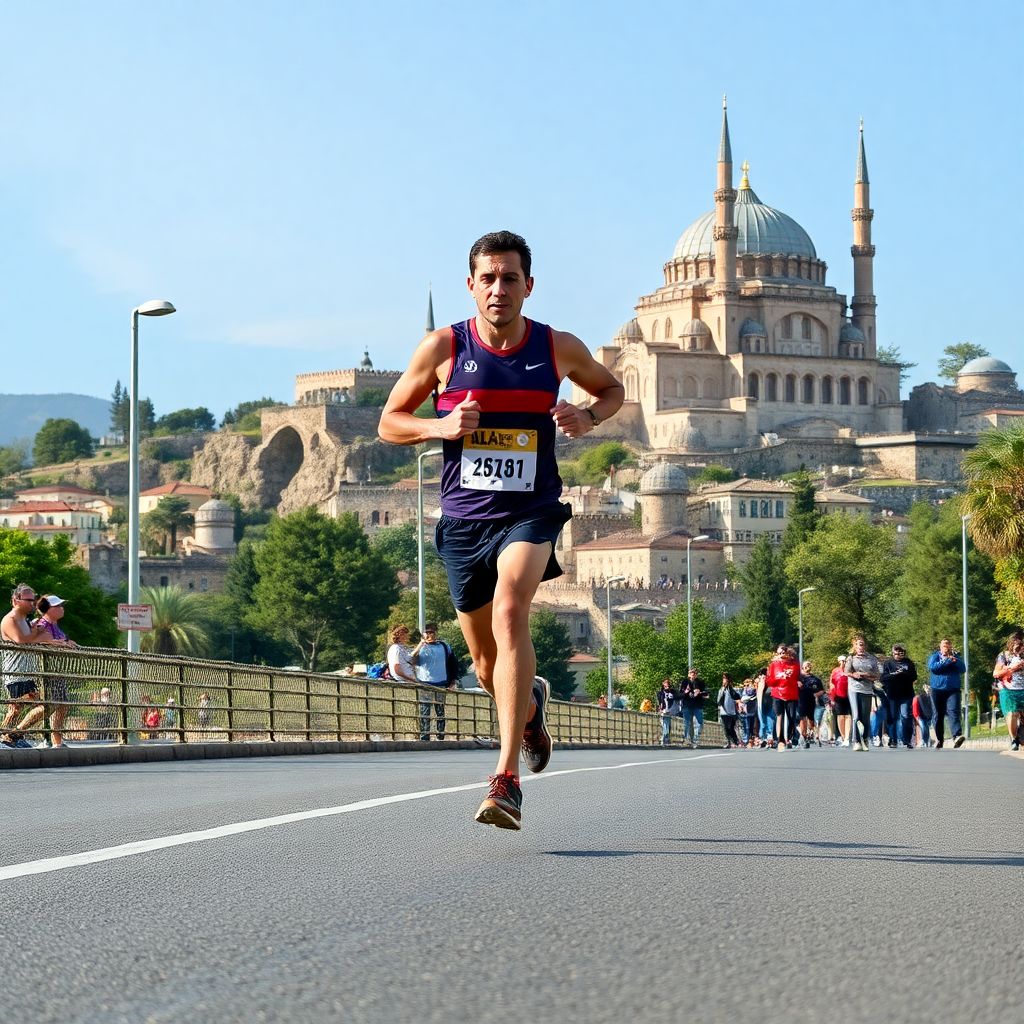
To run a marathon in Turkey safely and enjoyably, choose a race that matches your experience, plan travel and accommodation early, follow a structured 12‑week plan, simulate race conditions in training, and execute conservative pacing, fueling, and recovery. Focus on health checks, progressive mileage, and simple logistics to reduce race‑day stress.
Race Essentials: Quick Overview for Runners
- Choose among coastal, city, or historical races; several of the best marathons in Turkey for beginners offer flat, crowd‑friendly courses.
- Book cheap flights and hotel for Istanbul marathon or other events at least a few months ahead, especially for autumn races.
- Confirm Istanbul marathon 2025 registration dates and cut‑offs directly on the official website before arranging leave or flights.
- Use Turkey marathon tour packages or broader Turkey running holiday packages if you prefer bundled logistics and guided support.
- Follow a realistic 12‑week plan with 3-4 runs per week, 1 long run, strength work, and clear rest days.
- On race day, start slower than goal pace, fuel every 30-40 minutes, and stick to gear tested in training.
- After the race, focus on rehydration, gentle movement, sleep, and a gradual return to running over 1-2 weeks.
Best Marathons in Turkey: Profiles and Competitive Edge
Turkey offers diverse marathons: big‑city bridge crossings, coastal routes, and smaller scenic events. For most amateur runners, the priority is safety, atmosphere, and logistics rather than chasing extreme challenges.
When a Turkish marathon is a good idea:
- You already run comfortably 25-30 km (15-18 mi) per week.
- You have no uncontrolled medical conditions; recent health check is clear.
- You can commit 12 weeks of consistent training with 3-4 runs per week.
- You are ready for early‑morning starts and possible travel fatigue.
When you should not sign up yet:
- You have current injury, chest pain, dizziness, or unknown health issues.
- You cannot run 5 km (3.1 mi) continuously without walking.
- You have less than 8-10 weeks to prepare from a low fitness base.
- You feel pressured by friends or social media rather than internally motivated.
Comparative overview of popular Turkish marathons
| Race | Typical Distance Options | Perceived Difficulty | Best Season / Usual Month | Travel Ease for Foreigners | Why It Stands Out |
|---|---|---|---|---|---|
| Istanbul Marathon | 42.2 km, 15 km, 8 km | Moderate (bridges, some inclines) | Autumn (usually November) | Very easy (major airport, many hotels) | Iconic Europe‑to‑Asia route; ideal for combining with city sightseeing and classic Turkey running holiday packages. |
| Antalya Marathon (Runatolia) | 42.2 km, 21.1 km, 10 km | Beginner‑friendly, mostly flat | Late winter / early spring | Easy (tourist hub, resort infrastructure) | Coastal scenery, mild climate, good for first‑time marathoners escaping colder weather. |
| Izmir Marathon | 42.2 km, 21.1 km, shorter options | Flat and relatively fast | Spring | Moderate (international connections via Istanbul or direct) | Fast times possible; long seaside stretches and relaxed atmosphere. |
| Cappadocia Ultra‑Trail (longer events) | Long trail distances, not a classic road marathon | Challenging (trail, elevation, technical sections) | Autumn | Moderate (domestic flights, transfers needed) | Spectacular rock formations and trail terrain; better for experienced runners, not typical beginners. |
| Local city marathons (various) | Often 10 km / half / full marathon | Varies, often rolling roads | Mainly spring and autumn | Varies by city | Smaller fields, cheaper entries, more authentic local feel. |
For most first‑timers who want the best marathons in Turkey for beginners, Istanbul, Antalya (Runatolia), and Izmir are practical choices with strong organization, medical support, and accessible accommodation. If organization and sightseeing matter more than raw speed, prioritize big‑city races.
Route Intelligence: Elevation, Surface, Scenic Value, and Weather
Good preparation starts with understanding the route characteristics and matching them to your training.
Key route factors to study
- Elevation profile: Check total ascent and any long climbs or bridges. Practice gentle hills or bridge repeats if your race includes these.
- Surface type: Most big Turkish marathons are on asphalt; some sections can be concrete or cobblestone. Train partly on similar surfaces to condition your legs.
- Turns and narrow sections: Tight turns slow you down and increase congestion. Study course maps and past race reports to anticipate them.
- Weather pattern: Istanbul in November can be cool and rainy; Antalya in early spring may be sunny and warmer. Train in similar conditions when possible, or adjust pace goals on hot or windy days.
- Start time: Early starts may mean running much of the race before full daylight. Get used to early‑morning long runs and breakfast timing.
Practical tools and resources
- Race website route map and elevation chart.
- GPS platforms (Strava, Garmin, etc.) with previous runners’ uploads.
- Local running clubs or online groups focused on Istanbul Marathon, Izmir, or Runatolia.
- Weather history services to check typical temperature, humidity, and wind at race time.
Practical Logistics: Travel, Local Transport, and Pre-race Staging

Safe and stress‑free racing depends heavily on simple, reliable logistics. Use the following step‑by‑step process.
-
Confirm your target race and entry
Decide which Turkish marathon suits your level, budget, and timing, then secure registration before arranging anything else.
- Visit the official site to verify Istanbul marathon 2025 registration or other race‑year details.
- Note bib pick‑up times, medical requirements, and cut‑offs.
-
Plan flights and accommodation
Book transport and lodging once your entry is confirmed to lock in better prices and locations.
- Search cheap flights and hotel for Istanbul marathon or other cities at least several months before race day.
- Choose a hotel within 15-25 minutes of the start, ideally walking distance or near public transport.
- If you prefer simplicity, consider reputable Turkey marathon tour packages that bundle flights, transfers, hotel, and race entry.
-
Arrange in‑country movement and expo visit
Understand how you will move from airport to hotel, hotel to expo, and hotel to start line.
- Check airport shuttle, metro, tram, or taxi options in your race city.
- Visit the expo a day early if possible to avoid crowds and last‑minute stress.
- Carry ID, registration confirmation, and any required health documents.
-
Organize race‑day staging and gear
Prepare a simple, repeatable routine for the night before and morning of the race.
- Lay out shoes, socks, shorts, top, race number, gels, and safety pins.
- Plan breakfast you have tested in training; avoid new foods.
- Check weather forecast and adjust clothing layers, hat, and sunscreen accordingly.
-
Use local support and downtime wisely
Arrive at least one full day before the race (two is better) and keep that time low‑stress.
- Walk briefly to loosen legs, but avoid excessive sightseeing the day before.
- If you booked Turkey running holiday packages, follow the guide’s recommendations on when to rest vs. explore.
- Hydrate with water and light electrolytes; avoid heavy new dishes or excess alcohol.
Fast-Track Mode: Minimal Logistics Checklist
- Secure race entry first and screenshot your confirmation.
- Book flights and a hotel close to the start/finish on the same day.
- Plan one expo visit and one easy city walk; no big tours before the race.
- Pack a dedicated race bag with all running gear and essentials in your carry‑on.
- Set alarms, transport plan, and meeting spot with any friends the night before.
Fast-Track 12-Week Training Plan Tailored to Turkish Courses
Use this checklist to keep your preparation safe and structured. Adjust pacing to your current level; if unsure, stay conservative.
- Commit to 3-4 runs per week for 12 weeks, with at least one full rest day and one optional cross‑training day.
- Build your weekly long run gradually from around 12-14 km (7-9 mi) up to at least 28-32 km (17-20 mi), never increasing more than one step at a time.
- Include one weekly steady run at or slightly slower than your planned marathon pace to practice endurance at goal speed.
- Add short hill sessions or bridge repeats every 1-2 weeks if your race includes climbs or overpasses.
- Perform 1-2 strength sessions per week focused on hips, glutes, core, and calves using bodyweight or light resistance.
- Simulate race conditions at least twice: early‑morning start, similar breakfast, and running in comparable temperature and clothing.
- Practice your fueling strategy (gels, sports drink, water intervals) during long runs every 30-40 minutes.
- Taper during the final 2-3 weeks by reducing volume while keeping some short, easy runs with a few controlled strides.
- Check in with a doctor if you experience persistent pain, unusual shortness of breath, or dizziness; adjust training instead of pushing through.
- Keep a simple log of distance, pace, and how you felt to track fatigue and avoid overtraining.
Condensed 12-Week Fast-Track Template
- Weeks 1-4: 3 runs per week, long run 12-18 km (7-11 mi), easy pace, basic strength twice weekly.
- Weeks 5-8: 3-4 runs per week, long run 18-26 km (11-16 mi), add gentle hills and one steady‑tempo segment.
- Weeks 9-10: Peak weeks; long run up to 28-32 km (17-20 mi), full fueling rehearsal, maintain strength work.
- Weeks 11-12: Taper; cut mileage by about one‑third to one‑half, keep legs fresh with short, easy sessions.
Race-Day Tactics: Pacing, Fueling, and Equipment Choices
Avoid the following frequent mistakes to stay safe and finish strong.
- Starting too fast in the first 5-10 km (3-6 mi), especially over the Bosphorus Bridge or in crowded city sections.
- Wearing brand‑new shoes, socks, or clothing that you have not tested on long runs.
- Skipping early fueling and then trying to “catch up” with too many gels at once, which can upset your stomach.
- Ignoring hydration in cool or rainy weather, assuming sweat loss is low.
- Over‑dressing for a cold start and then overheating when the sun appears mid‑race.
- Relying on exact GPS readings in areas with tunnels, bridges, or tall buildings instead of using kilometer markers.
- Weaving aggressively through crowds, which wastes energy and increases the risk of tripping.
- Not adjusting pace on long climbs or in strong headwinds; safe strategy is to slow slightly and protect your effort.
- Chasing another runner or pacer that is clearly too fast for your current fitness.
- Skipping post‑race snacks and rehydration while standing for a long time in the finish area.
Post-race Care: Cooldown, Injury Management, and Next Steps
Your body needs a structured recovery plan. Consider these safe alternatives depending on how you feel after the race.
Option 1: Gentle recovery focus
Best if you feel normal fatigue, no sharp pain.
- Walk 10-20 minutes immediately after finishing, then do light stretching later in the day.
- Prioritize sleep, hydration, and calm sightseeing rather than intense activities for 2-3 days.
- Return to easy, short runs only when muscle soreness drops significantly.
Option 2: Cautious recovery with minor niggles
Best if you notice mild joint pain or localized discomfort.
- Use the first 3-5 days for walking, gentle mobility work, and possibly cold packs if comfortable for you.
- Avoid running until you can walk pain‑free; then restart with very easy, short sessions.
- Seek a qualified physiotherapist if discomfort persists beyond a week.
Option 3: Medical evaluation route
Best if you experience sharp pain, swelling, or symptoms like chest pain, severe dizziness, or breathing difficulty.
- Stop running immediately and seek professional medical assessment; do not self‑diagnose.
- Follow the doctor’s advice strictly before returning to any structured training or signing up for the next race.
Option 4: Planning the next goal sensibly
Once fully recovered and symptom‑free, you can think about your next step.
- Reflect on what worked and what did not in training, logistics, and race‑day execution.
- Decide whether to repeat the same event, try another city like Antalya or Izmir, or step back temporarily to half marathons for more experience.
Answers to Common Race-Day and Preparation Doubts
How early should I arrive in Turkey before a marathon?
Ideally arrive at least one full day before the race, and two days is safer if you are crossing time zones. This allows time for expo visits, short walks, and basic acclimatization without rushing.
Is the Istanbul Marathon suitable for first-time marathoners?
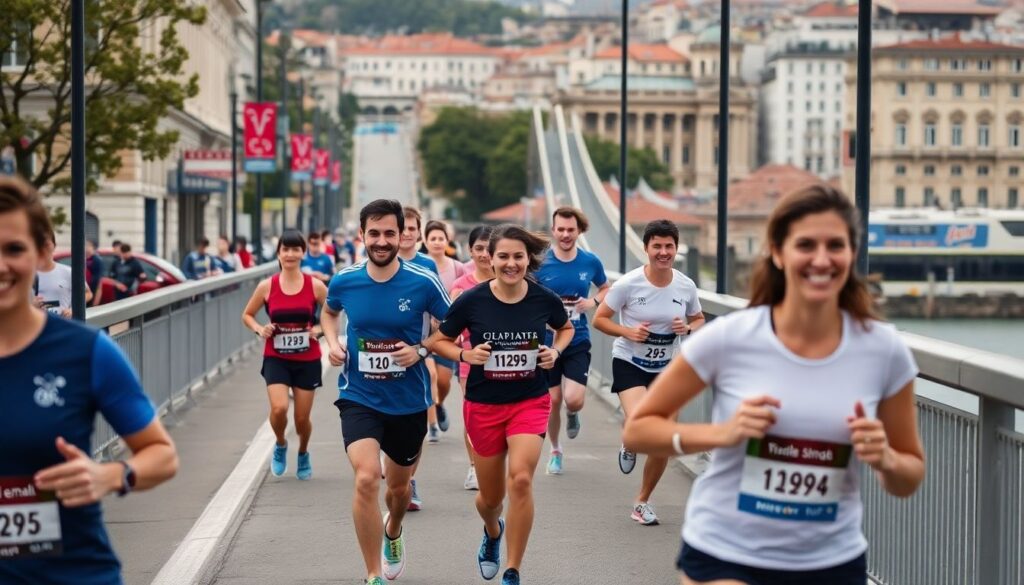
Yes, many first‑timers choose Istanbul because of solid organization and atmosphere. However, there are some bridges and inclines, so if you want the very easiest course, flatter options like Antalya or Izmir may feel more comfortable.
How do I choose a realistic marathon pace?
Base it on your recent 10 km or half‑marathon performance, not on a wish. Use race calculators as a guide, then add a safety margin, especially if weather is warmer or the course is hilly.
What should I eat the day before a Turkish marathon?
Stick to familiar, simple foods you have tested: rice, pasta, potatoes, lean protein, and moderate portions. Avoid heavy, spicy, or completely new dishes, and keep alcohol either very low or zero.
Can I run a marathon with only 8 weeks of training?
This is risky unless you already have a strong running base. If your current mileage is low or inconsistent, consider postponing to a later race or choosing a shorter distance such as 10 km or half marathon.
Do I need travel insurance for a marathon trip?
Travel insurance including medical coverage and sports participation is strongly recommended. It helps manage unexpected medical issues, flight changes, or cancellations without major financial stress.
How long should I rest after finishing a marathon?
Most amateur runners benefit from at least one week with no intense running and limited mileage overall. Resume training gradually, listening to your body, and extend rest if pain or deep fatigue persists.