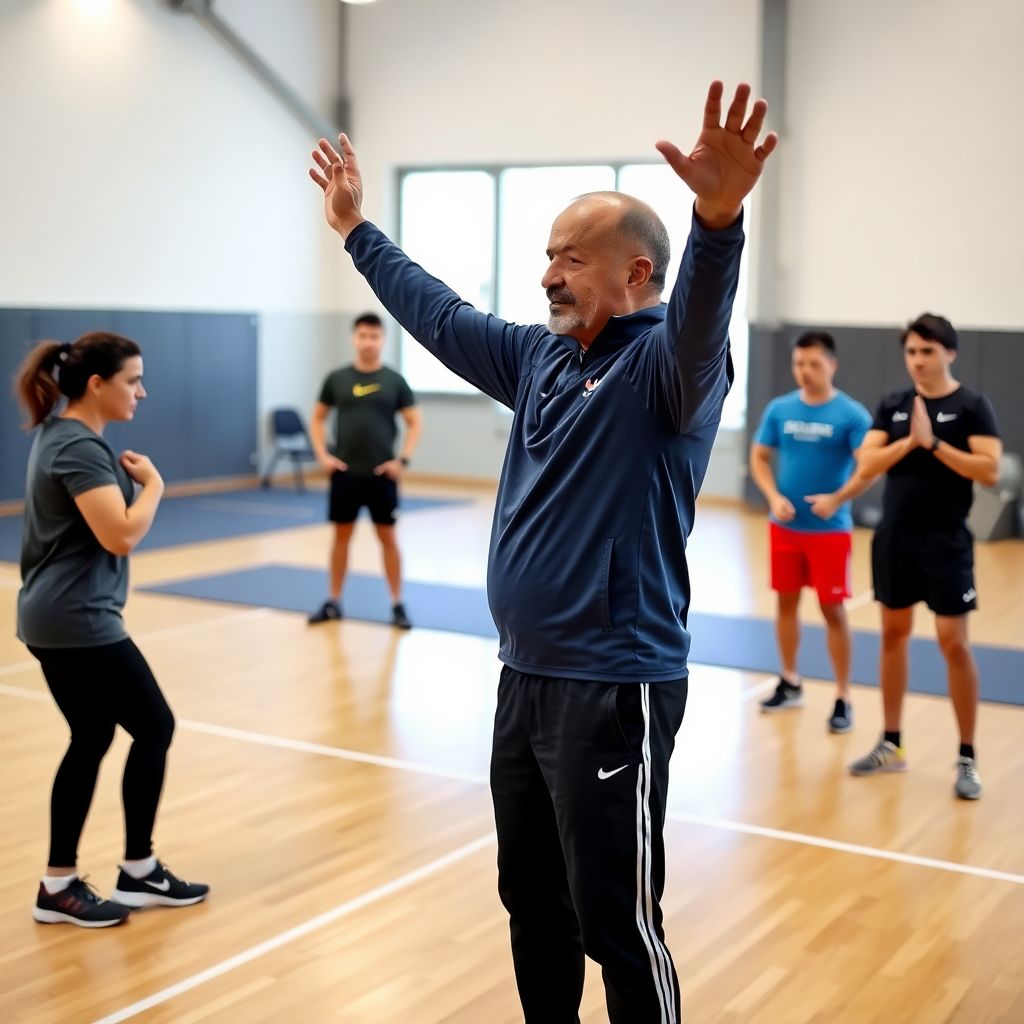
Injury prevention in athletics for Turkish coaches means planning training so athletes rarely reach overload, building robust movement and strength, and catching small issues early. Use a structured athletic training program for injury prevention that combines smart warm-ups, load management, regular screening, targeted strength and neuromuscular work, plus basic recovery, nutrition and sleep habits.
Core Preventive Principles Every Turkish Coach Prioritizes
- Design injury prevention training programs for athletes that fit the sport, age and competition calendar, not generic templates.
- Use sports-specific warm-ups and movement prep every session, with progressive intensity and direction changes.
- Plan season-long load management: volume and intensity progress gradually, with clear light, moderate and heavy days.
- Screen simple movement patterns and track early warning signs instead of waiting for pain to become an injury.
- Build strength, power and neuromuscular control in patterns that mirror the sport, not just in the gym machines.
- Protect recovery basics: sleep routines, hydration and simple post-session strategies that athletes can sustain.
- Collaborate with sports medicine and injury prevention services for athletes whenever issues repeat or are unclear.
Sports-Specific Warm-Ups and Movement Prep
Sports-specific warm-ups are suitable for almost all athletes, especially in team sports (football, basketball, volleyball) and individual events (sprint, jumps, throws, middle distance). Avoid intense plyometrics or high-speed cuts in warm-ups when athletes are returning from injury, are severely fatigued, or when surfaces are unsafe (slippery, uneven).
- Start with 5-10 minutes of easy movement: jogging, skipping, cycling or dynamic marching, depending on the event.
- Add dynamic mobility: leg swings, walking lunges with rotation, arm circles and hip circles in movement, not static holds.
- Use activation drills that mirror the sport: mini-band walks for lateral sports, calf drills for runners, core bracing for throwers.
- Include the best exercises for sports injury prevention that fit your discipline, such as:
- Landing and deceleration drills for jumpers and team-sport athletes.
- Hamstring bridges and Nordic-style work for sprinters and footballers.
- Single-leg balance with reach for distance runners and court players.
- Finish with rehearsal of sport skills: progressive accelerations, change-of-direction patterns, short technical routines.
- Reduce impact and intensity for youth, beginners and athletes after travel or exams; extend the general phase before fast drills.
- Do not skip warm-ups on low-intensity or technical days; just keep them shorter and simpler.
Load Management Strategies Across the Season
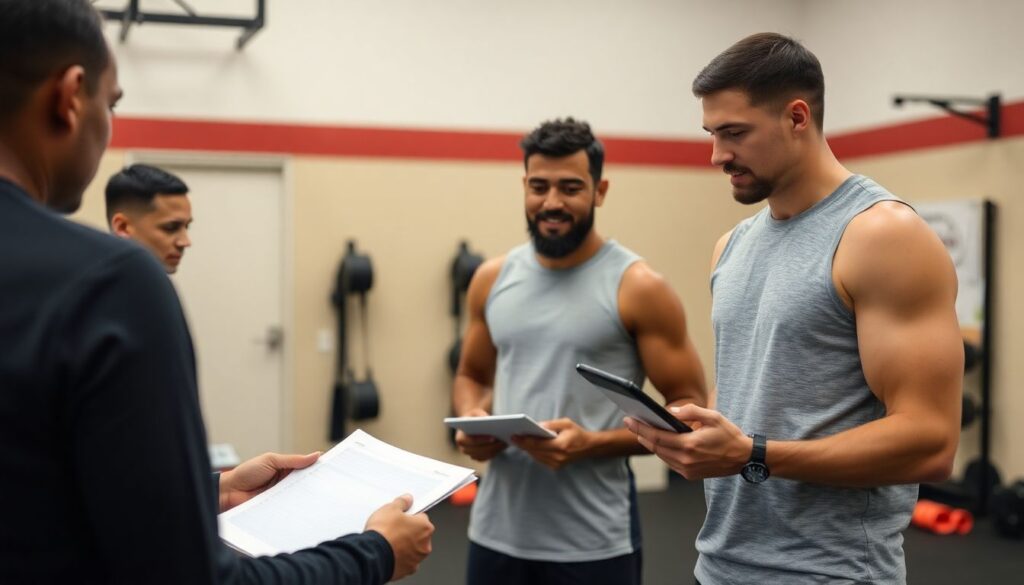
Safe load management needs basic tools and simple routines, not expensive technology. Before you build any injury prevention training programs for athletes, collect what you already have access to and standardize how you use it.
- Minimum tools and records:
- Paper or digital training log to track session type, duration and perceived difficulty.
- Calendar with competition dates, travel days, exams and religious holidays all marked.
- Simple rating-of-fatigue scale (for example 1-10) used after each main session.
- Useful but optional tools:
- Heart-rate monitors or GPS for running volume and intensity distribution.
- Jump mat or smartphone app to track simple jump performance changes.
- Access to basic sports medicine and injury prevention services for athletes for complex cases.
- Planning routine:
- Separate days into light, moderate and heavy based on running distance, intensity, contact and jumping volume.
- Ensure at least one clearly light day after very heavy sessions or matches.
- Reduce training load slightly in exam weeks, Ramadan and travel-heavy periods.
- Monitoring routine:
- Track weekly changes in total volume; avoid sudden sharp increases from one week to the next.
- Note when 3 or more athletes complain of similar soreness or fatigue; adjust drills and volume.
- Use a short check-in: sleep quality, muscle soreness, motivation, and stress at least twice per week.
- Communication:
- Align plans between head coach, assistant, S&C coach and physio so workloads are not accidentally doubled.
- Teach athletes to report new pain early and to distinguish normal training soreness from joint or tendon pain.
Screening and Early Detection Protocols
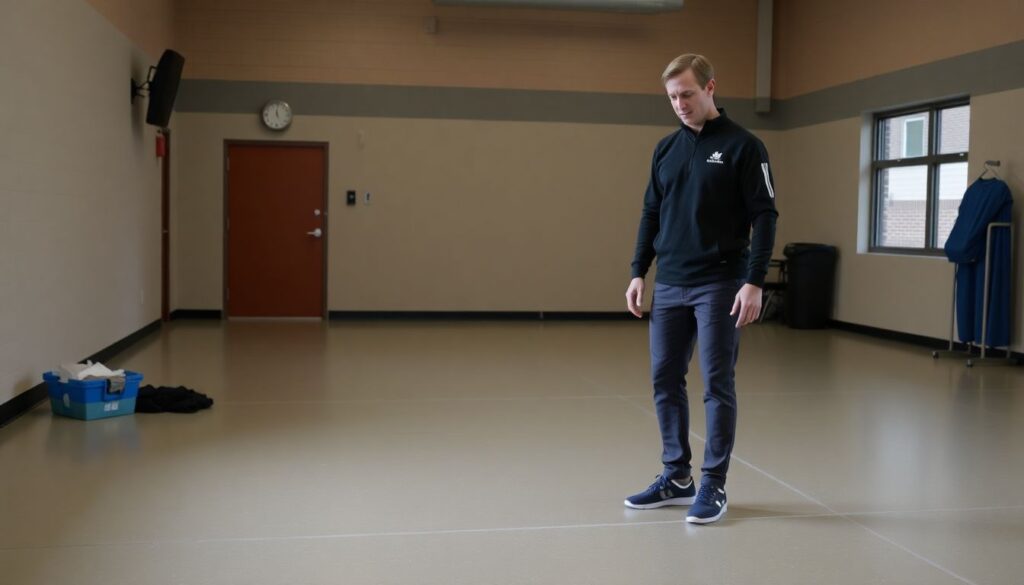
Before you apply a structured screening system, prepare a simple, repeatable environment. This reduces risk, saves time and makes the data more reliable for every athletic training program for injury prevention.
- Choose a quiet area with flat floor and enough space for basic movement tests.
- Decide on 1-2 time slots per week for quick checks and stick to them.
- Prepare a short paper or digital form to record findings and follow-up decisions.
- Ensure athletes wear training kit and stable shoes (or are barefoot, if that is part of the protocol).
- Clarify with athletes that screening does not replace medical examination when pain is sharp, sudden or severe.
- Set clear screening objectives – Decide what you want to catch early: recurring ankle sprains, hamstring issues, knee pain or general overload. Keep the focus on patterns that are common in your sport and club, not on rare injuries.
- Gather basic history and red flags – Ask short, focused questions about previous injuries, surgeries and current pain. Mark any red flags:
- Night pain or pain at rest.
- Unexplained weight loss, fever or dizziness with exercise.
- Recent head trauma with confusion, blurred vision or balance loss.
For red flags, stop testing and refer directly to a doctor or sports medicine and injury prevention services for athletes.
- Check simple movement and strength patterns – Use safe, low-load drills:
- Bodyweight squat, single-leg stance and forward lunge for lower body.
- Toe and heel walks, small hops in place, and controlled landings.
- Plank variations and scapular control exercises for trunk and shoulders.
Observe pain, balance, control and side-to-side differences more than speed or maximum effort.
- Run basic performance and fatigue tests – On selected days, add short tests like vertical jump, 10-20 m acceleration or submaximal shuttle runs. Compare results with the athlete’s own usual level; sudden drops may indicate overload, even if the athlete does not yet report pain.
- Classify risk and plan follow-up – Group athletes into low, moderate and higher risk:
- Low: no pain, symmetrical movement, stable performance.
- Moderate: mild discomfort, small asymmetries, slight performance drop.
- Higher: pain during tests, clear asymmetry, large performance drop.
For moderate or higher risk, adjust training, add targeted preventive work, and consider referral to a doctor or physiotherapist.
Strength, Power and Neuromuscular Control Priorities
Use this checklist to see if your strength and power work really supports injury prevention, not only performance. Sports injury prevention courses for coaches often teach these fundamentals, but the key is consistent application in training.
- Key muscle groups linked to common injuries in your sport (hamstrings, calves, hips, trunk) receive focused work at least once per week in-season.
- Most strength exercises are done with good technique at moderate loads before adding heavy loads or speed.
- Single-leg and unilateral exercises (lunges, step-ups, single-leg RDLs) are included to reduce side-to-side imbalances.
- Landing mechanics are trained regularly: soft landings, knees in line with toes, quiet feet, balanced trunk position.
- Change-of-direction drills include controlled deceleration, not only fast cuts, to teach safe braking patterns.
- Core training focuses on anti-rotation and anti-extension (planks, dead bugs, carries), not just sit-ups.
- Power exercises (jumps, throws, light Olympic-derivative drills) are progressed from low to higher intensity through the season.
- You adapt exercise selection for younger athletes, avoiding maximal heavy lifting until technique and maturity are appropriate.
- The program integrates with technical and tactical sessions so that legs are not heavily fatigued before demanding strength or plyometrics.
- At least once per season, you review and update your plan using insights from experienced S&C coaches or sports medicine professionals.
Recovery, Nutrition and Sleep Interventions
Many well-designed injury prevention training programs for athletes fail because recovery routines are inconsistent. Watch for these common mistakes and address them with simple, realistic habits for Turkish school and club contexts.
- Skipping basic hydration and over-relying on energy drinks instead of water and simple electrolyte sources.
- Using static stretching as the only recovery tool and ignoring sleep quality, daily movement and stress management.
- Planning high-intensity sessions late at night for youth athletes, which pushes bedtimes too late before school days.
- Ignoring the impact of exam periods and fasting on energy levels and recovery demands.
- Copying elite recovery routines (ice baths, complex supplements) that athletes cannot maintain due to cost or access.
- Not teaching athletes simple post-session routines such as light walking, easy mobility and a snack with fluids.
- Allowing large gaps between meals, which can delay muscle repair and lead to overeating late at night.
- Assuming athletes know how to sleep well without providing guidance on consistent schedules and pre-sleep screen use.
- Failing to coordinate with parents, dormitories or school staff about meal times and bedtimes for youth athletes.
- Returning too quickly to full training after illness or minor injury without a short re-building phase.
Implementation Barriers and Practical Solutions in Turkish Clubs
When facilities, time or staff are limited, adapt your athletic training program for injury prevention using the following alternatives. Choose the option that best matches your club size, budget and level.
- Low-resource option: coach-led routines on the field – Use bodyweight and simple equipment (cones, lines, benches) for neuromuscular warm-ups and strength. This suits small clubs and school teams without access to a gym or physio.
- Shared-expert model: periodic support from specialists – Cooperate with local universities, private clinics or federation projects to access sports medicine and injury prevention services for athletes a few times per season. Ideal for regional clubs with limited budgets.
- Education-focused approach: upskilling current staff – Invest in reputable sports injury prevention courses for coaches so assistants and S&C staff can design and adjust plans safely. Works well when you cannot hire new staff but can allocate some funds to education.
- Hybrid digital solution: remote guidance plus on-field execution – Use online consultation with experts to design programs and on-field coaches to deliver them. This approach is practical for clubs outside major cities with fewer local specialists.
Common Practical Concerns Coaches Ask About Injury Prevention
How many times per week should I include structured injury prevention work?
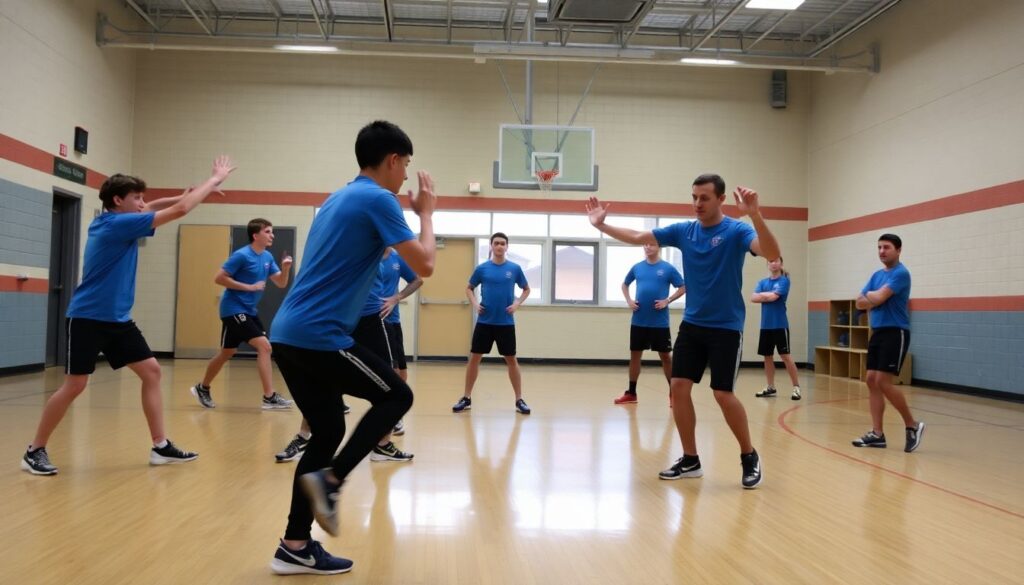
Integrate short preventive blocks into warm-ups every main training day, then add one slightly longer session focused on strength and control if your schedule allows. For busy school teams, even 10-15 focused minutes two to three times per week can make a difference.
Do I need specialist equipment to run effective injury prevention training programs for athletes?
No. Most effective work uses bodyweight, resistance bands, simple boxes and lines on the field. Add more equipment only after routines with minimal tools are consistent and well-coached.
How can I choose the best exercises for sports injury prevention for my team?
Start from your sport’s main injury patterns, then pick 2-4 evidence-informed exercises for each area (ankle, knee, hip, trunk, shoulder). Keep technique standards high and progress difficulty gradually across the season.
When should I refer an athlete to sports medicine and injury prevention services for athletes?
Refer when pain is sharp, constant, increasing, linked to a specific trauma, or does not improve with a short reduction in load. Also refer if you notice repeated injuries in the same area or worrying systemic symptoms.
Are online sports injury prevention courses for coaches worth the time?
Yes, if they are practical, sport-specific and include clear examples for your level. Combine course ideas with your own club data so theory turns into realistic training adjustments.
How do I balance performance goals with an athletic training program for injury prevention during the season?
Prioritize staying healthy in key competition blocks by slightly reducing training volume and impact while keeping intensity and technical quality. Use lighter preventive sessions around decisive events instead of introducing new heavy loads.
What should I change first if my athletes report constant fatigue?
Reduce training volume and the number of maximal-intensity drills temporarily, improve sleep and nutrition routines, and adjust the schedule around school or work stress. If fatigue persists, involve a medical professional.