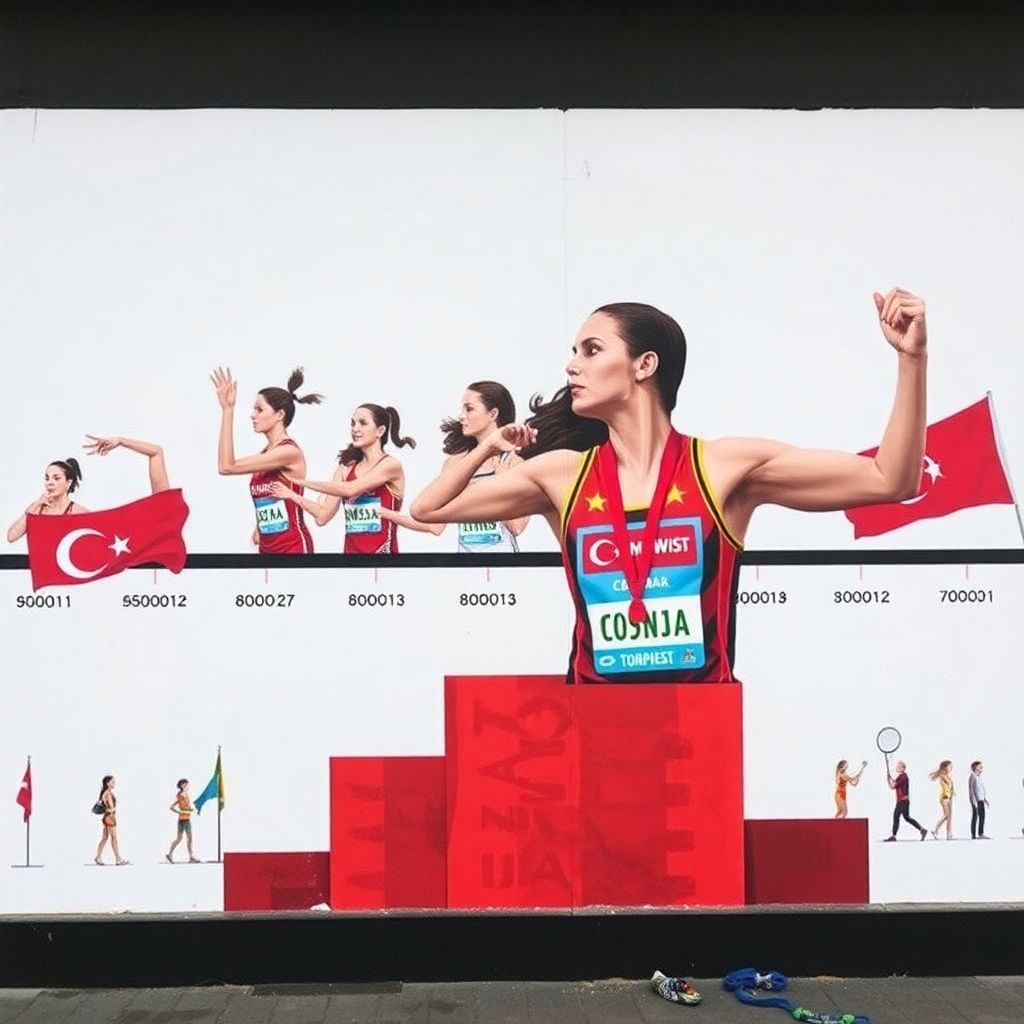
The evolution of women's sports in Turkey is a move from restricted physical activity to global podiums, shaped by politics, religion, class, and media. Understanding early barriers, policy shifts, and modern icons helps coaches, clubs, schools, and municipalities design concrete programs that expand access, ensure safety, and support long-term, professional pathways for girls and women.
Strategic summary of developments
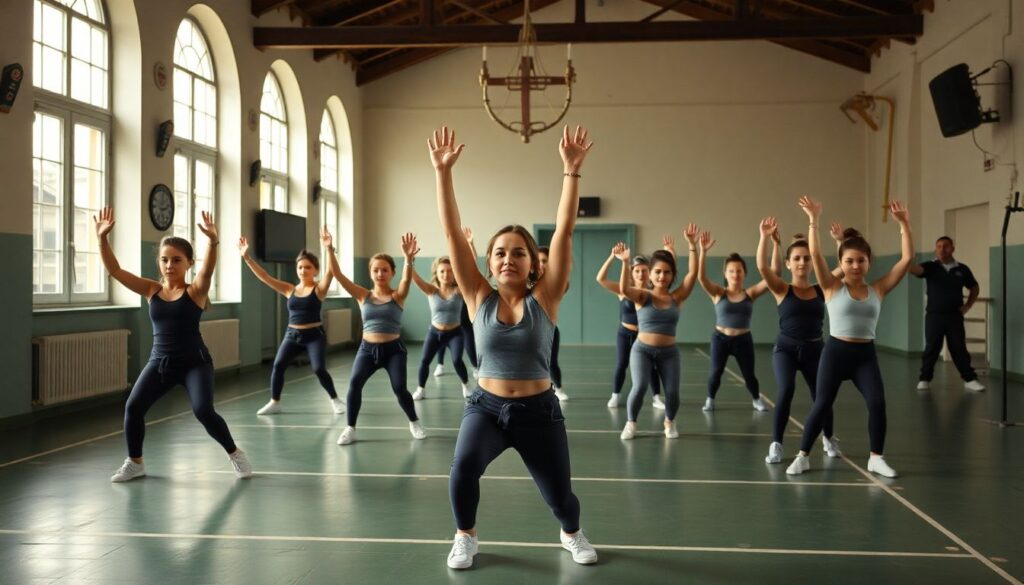
- From late Ottoman times to mid‑20th century, women's sport was mostly limited to elite urban girls in schools and closed spaces, with strong social and legal constraints.
- Republican reforms, physical education for girls, and gradual legal changes built the institutional base for today's women's sports in Turkey.
- Policy initiatives without parallel work on family norms, safe facilities, and local role models often stayed symbolic and did not reach most girls.
- Breakthroughs came through specific sports-especially the development of women's volleyball in Turkey and rising women's football-combined with TV visibility and European success.
- Female athletes in Turkey success stories, from pioneers to today's Olympians, reshaped what families consider acceptable and aspirational for daughters.
- Media, sponsorship, and club structures still concentrate in big cities, leaving regional gaps and slowing full gender equality in Turkish sports.
Early foundations and structural barriers (Ottoman period to mid‑20th century)
In late Ottoman society, mixed-gender public exercise was socially unacceptable, so early women's physical activity took place in private gardens, women-only baths, and later in a few urban girls' schools. Sport, as competition with rules, was almost exclusively male, tightly linked to military and elite male clubs.
With the Turkish Republic, reforms in education and dress codes opened more space for girls' physical education. Gymnastics, folk dance, and basic athletics appeared in school timetables, mainly in cities like Istanbul, Ankara, and Izmir. However, serious competitive sport for women was rare, and infrastructure, coaching, and club membership were designed around men.
Until the mid‑20th century, structural barriers included limited female teachers, a lack of women-only facilities, and social pressure against women appearing in sports clothing in public. The early history of women's sports in Turkey is therefore defined less by formal bans and more by deep, informal norms about modesty, honour, and gendered spaces.
This period set long-lasting patterns: school-based access instead of community clubs for girls, concentration in a few big cities, and strong dependence on individual reformers-principals, teachers, or doctors-who were willing to defend the value of sport for women and girls.
Policy shifts and institutional reforms shaping women's sport
- Republican education laws and PE for girls: Early laws making physical education compulsory for all students slowly normalised movement for girls. Where schools hired female PE teachers and provided indoor gyms, girls were more likely to move from exercise to organised sport.
- Creation and evolution of the national sports federation system: As federations for athletics, football, basketball, volleyball, and others expanded, they gradually created women's leagues and national teams, turning informal play into recognised competition with calendars and selection pathways.
- Legal recognition of women's football and formal leagues: The history of women's football in Turkey includes several cycles of informal teams, short-lived leagues, and reorganisation. Each recognition moment-such as assigning women's leagues to the main football federation-brought better access to pitches, referees, and medical support.
- Gender-sensitive planning in national sport strategies: Modern strategy documents increasingly reference gender equality in Turkish sports, pushing federations to set participation targets, women-focused grassroots projects, and rules for women in governance structures.
- University and school sports reforms: Expanding university sports clubs and inter-school competitions created more age-appropriate steps between childhood sport and elite performance, especially for women who enter sport later or who study in smaller cities.
- Municipal sport centres and community programs: Local governments started building sport halls and organising women-only hours, mother-daughter exercise sessions, and low-cost courses, making sport more compatible with family expectations in conservative neighbourhoods.
- Safeguarding and anti-harassment regulations: Newer regulations and codes of conduct respond to cases of abuse and harassment, aiming to reassure families that their daughters can train in safer, regulated environments with complaint mechanisms.
Socio‑cultural norms, family dynamics, and regional disparities
Where and how women's sports in Turkey develop depends heavily on local culture. The same national law can have very different impact in Istanbul, Diyarbakir, or a Black Sea town, depending on how families and community leaders interpret gender, modesty, and success.
- Urban, middle-class families prioritising education and structured leisure: In big cities, many parents see sport as a tool for university scholarships, language learning, and social skills. They support girls in club volleyball, basketball, swimming, or tennis, provided training does not hurt school grades.
- Conservative communities balancing modesty and health: In more conservative districts, families may accept women-only swimming hours, indoor fitness, or covered sportswear but resist mixed-gender football fields. Programs that offer female coaches and separate spaces often gain trust faster.
- Rural areas with limited facilities but strong local games: In villages and small towns, girls often play informal ball games and do physically demanding work, but there are few courts or organised clubs. Turning this everyday physicality into structured sport requires low-cost equipment, transport solutions, and flexible training schedules.
- Regions shaped by migration and displacement: In areas with high internal migration or refugee populations, sport can become a key integration tool for girls, but only if programs address language barriers, trauma, and mixed cultural expectations about girls' visibility in public.
- Family honour and early marriage pressures: In some settings, parents worry that sport might damage a daughter's reputation or delay marriage. Programs that highlight respected female athletes, clear dress codes, and academic support often reduce such concerns.
- Social media reshaping role models: Across regions, girls now follow female athletes in Turkey success stories online. Short, relatable content from local players can be more persuasive for families than distant global stars, by showing "someone like us" succeeding.
Breakthrough competitions, teams, and legal milestones
Key competitions, club achievements, and legal decisions created turning points in visibility, funding, and legitimacy. They show how success on the court or field can shift public opinion faster than abstract policy debates.
Transformative competitions and team achievements
- National women's volleyball clubs winning and hosting European events, which accelerated the development of women's volleyball in Turkey and filled large arenas with family audiences.
- Women's national teams qualifying for major international tournaments in team sports, presenting collective, emotionally powerful images of Turkish women competing at the highest level.
- High-profile matches and finals broadcast in prime time, normalising women's sport as a central entertainment product rather than a niche or charity project.
- School and university championships that produced future national-team players and created local pride around girls' teams, not only boys' teams.
Structural limits and remaining gaps
- Success often concentrated in a few big clubs and cities, leaving limited pathways for talented girls from smaller towns who lack transport, scouts, or nearby performance academies.
- Some women's leagues remain semi-professional, with low or unstable salaries and limited career security, pushing athletes to retire early or combine sport with full-time work.
- Legal frameworks against discrimination or harassment exist but rely on effective enforcement, independent reporting channels, and education for coaches and administrators.
- Women's football, compared to volleyball and basketball, still struggles for equal access to quality pitches, youth academies, and long-term sponsorship despite a rich, if uneven, history of women&aposs football in Turkey.
Profiles of pioneers and contemporary icons transforming visibility
Stories and public images are as important as medals. Pioneers who played when facilities, clothing, and social norms worked against them laid the emotional foundation for today's stars. Modern icons then used TV, social media, and community work to scale that impact nationwide.
Early trailblazer bridging education and competition
One early pioneer of women's sports in Turkey typically combined roles as teacher, coach, and organiser. Working in a girls' high school in a major city, she introduced gymnastics and athletics when there were almost no official competitions. She faced resistance over training clothes and public events, so she organised women-only sports days inside school grounds. Her graduates later became PE teachers and club volunteers across the country, spreading a culture that "girls can and should move". By insisting on academic success alongside sport, she convinced families that physical activity was compatible with modern, respectable femininity.
Team sport captain symbolising collective strength
A captain of a leading women's volleyball club became widely recognised as a symbol of the development of women's volleyball in Turkey. Starting in a modest neighbourhood club, she progressed to a top Istanbul team, winning national titles and European trophies. Her calm leadership on court and articulate interviews off court reassured parents that their daughters could be powerful, visible, and respected athletes. Through school visits and youth clinics in Anatolian cities, she connected elite sport with local communities, encouraging girls who had never seen a high-level female athlete in person.
Football icon challenging stereotypes in a male-dominated sport
In the history of women's football in Turkey, one standout forward or playmaker often becomes the face of the sport. Growing up playing with boys in street games, she fought for a place in mixed teams before women's leagues were stable. When a national league finally gained structure, she emerged as a top scorer, leading her club and national team to important wins. Her story-balancing studies, part-time jobs, and football-showed the structural inequalities women face compared to men's professional football. By openly discussing pay gaps, facilities, and family doubts, she turned personal struggle into a public conversation about gender equality in Turkish sports.
Misconceptions and recurring strategic mistakes
- Assuming icons alone will fix participation: Celebrating star athletes without parallel investment in local coaches, safe facilities, and youth leagues leaves most girls inspired but with nowhere to train.
- Over-focusing on one "fashionable" sport: Concentrating all attention on a single success story, like volleyball, ignores girls interested in athletics, combat sports, or football and reproduces new inequalities inside women's sport.
- Underestimating the power of local role models: National stars matter, but for many families, seeing a female cousin, neighbour, or teacher in sport has more influence on daily decisions than televised heroes.
- Presenting female athletes only as "superwomen": Unrealistic images of perfection can discourage ordinary girls; honest stories of balancing study, work, and sport are often more motivating.
- Ignoring post-career pathways: Failing to prepare athletes for roles as coaches, referees, managers, or journalists wastes experience and weakens the long-term ecosystem of women's sports in Turkey.
Media, sponsorship, and pathways to professional sustainability
Media and sponsorship decide which women's leagues are visible, which clubs can pay living wages, and how long athletes can sustain professional careers. For many female athletes, the struggle is less about reaching a national team once and more about building a stable, decade-long journey in sport.
Television coverage and digital platforms turned women's volleyball matches into prime-time events, attracting family audiences and sponsors who value a positive, "clean" brand image. By contrast, many women's football and lower-division basketball teams still rely on local municipality support and small sponsors, leading to uncertainty when budgets change.
Pathways to sustainability include scholarship-based university programs, dual-career support (study plus sport), and long-term sponsorship contracts that reward clubs for investing in youth academies for girls. Media training for athletes and storytelling focused on female athletes in Turkey success stories also help attract new commercial partners.
Mini case: Turning a local women's team into a sustainable program
Consider a mid-sized Anatolian city with an ambitious women's basketball team:
- The municipality provides a multi-purpose hall and initial funding for equipment and coach salaries.
- The club builds a ladder: mini-basketball for primary-school girls, a youth team, and a senior team, coordinating with school PE teachers.
- Local media and social media pages cover every home game, highlighting both scores and human-interest stories about players' education and community work.
- Two regional businesses agree to three-year sponsorship deals, tied to visibility at games and in digital content, stabilising the budget beyond annual politics.
- Retired senior players transition into assistant coaching and team management roles, keeping experience in the system and mentoring younger girls.
Action checklist for policymakers and program managers
- Map local realities: Identify which sports girls already play informally, available facilities, and family concerns in your city or district before importing "model" programs from elsewhere.
- Guarantee safe, accessible spaces: Prioritise well-lit, affordable, and, where needed, women-only training times; train staff on safeguarding and clear reporting procedures.
- Build continuous pathways: Ensure there is a visible ladder from school sport to club participation, regional teams, and, for talented athletes, national squads or university programs.
- Invest in female leadership: Support training and hiring of female coaches, referees, and administrators; set targets for women in decision-making roles across federations and clubs.
- Partner with media and sponsors: Develop simple media kits, social content plans, and community events that make women's teams attractive to local TV, radio, and businesses.
- Monitor equity and impact: Regularly track participation numbers, facility access, injury and dropout rates, and representation in governance to measure progress on gender equality in Turkish sports.
Practical questions and concise answers for practitioners
How can a small city start improving women's sports in Turkey with limited resources?
Start with existing school gyms and open fields, focusing on two or three popular sports such as volleyball and athletics. Train local PE teachers, organise girl-focused festivals, and coordinate transport. Document success stories and use them to attract small sponsors and additional municipal support.
What is a realistic first step to support the history of women's football in Turkey at local level?
Create mixed-gender football days for children, followed by girls-only training sessions led by a respected female coach or player. Work with the main football club in your town to share pitches and equipment, and gradually build a stable women's or girls' team that enters regional leagues.
How can schools contribute to the development of women's volleyball in Turkey outside major clubs?
Schools can run regular mini-volleyball sessions, establish after-school teams, and participate in inter-school tournaments. Inviting players or coaches from elite clubs for clinics, even once a year, helps motivate girls and guides teachers on modern training methods.
Which actions most directly support gender equality in Turkish sports at club level?
Ensure equal access to prime training times and quality facilities, transparent selection criteria, and fair distribution of club communications between men's and women's teams. Include women on club boards and in coaching roles, and adopt clear anti-harassment policies.
How can coaches address family concerns about girls' safety and reputation in sport?
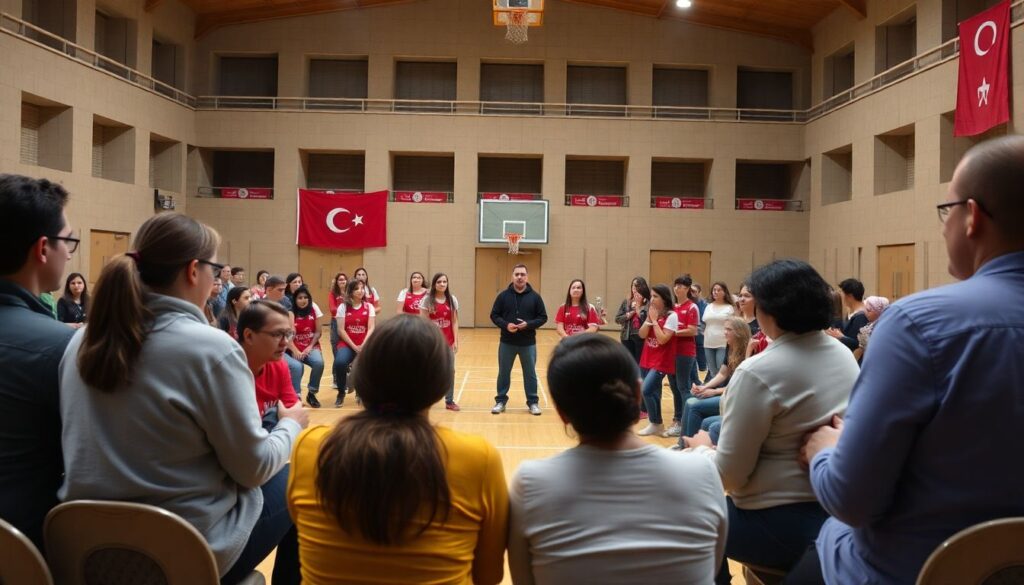
Hold information meetings explaining training schedules, dress codes, chaperoning, and safeguarding rules. Introduce families to successful female athletes in Turkey success stories from similar backgrounds, and encourage mothers to attend training and matches to build trust.
What role can local media play in promoting women's sports in Turkey?
Local newspapers, radio, and digital platforms can regularly cover women's matches, publish short profiles of players, and highlight academic achievements alongside sport. Consistent, respectful coverage helps normalise girls' participation and attracts sponsors.
How can a municipality evaluate if its women's sport programs are working?
Track the number of active female participants by age and sport, retention from year to year, geographic spread across neighbourhoods, and progression into clubs or higher competition. Combine this with feedback from girls, parents, and coaches to adjust program design.