
Turkey is moving from occasional surprises to a structured presence in world athletics, driven by youth development, upgraded coaching, and targeted event choices. For coaches, scouts, fans, and even people tracking turkey athletics betting odds, the key is to understand how this system works, where the real talent sits, and what might come next.
Myths That Mask Turkey’s Athletic Momentum
- Myth 1: "Turkey has no athletics culture." Reality: There is a long club and school tradition in running, jumps, and throws; what changed is how these structures are now linked and professionalised.
- Myth 2: "Success comes only from naturalised athletes." Reality: Imported talent exists, but younger medal contenders increasingly come from Turkish schools, municipal clubs, and university programmes.
- Myth 3: "It is all about a few sprint stars." Reality: Middle distance, race walking, and some technical events are quietly becoming areas of depth, not just one-off stars.
- Myth 4: "There is no system, only individual efforts." Reality: Federation calendars, regional performance centres, and structured youth championships now form a national pathway, even if uneven by region.
- Myth 5: "Young athletes leave as soon as they get strong." Reality: Some do move abroad, but many still keep Turkish club ties and national team ambitions, creating hybrid development routes rather than simple "talent drain."
- Myth 6: "Turkey is irrelevant for scouts and analysts." Reality: For federations, universities, and even those following best sportsbooks for world athletics betting, Turkey offers a growing pool of under-23 athletes with international potential.
From Grassroots Clubs to Global Podiums: The Structural Shift
Turkey's rise in world athletics is best understood as a reorganisation of existing energy rather than a sudden miracle. Municipal clubs, school sports, and military or university teams always existed; what changed is how they now feed into a clearer national performance structure and international calendar.
At the base are local clubs linked to city governments and sports-friendly municipalities. These clubs provide tracks, coaching, and competition for children who might otherwise play only football. Above them, regional training hubs and national youth camps identify athletes with the physical and psychological profile to progress to world-level track and field.
For young talents to watch, this system sets boundaries and expectations: technical standards, sports school entry criteria, federation ranking lists, and qualification marks for international age-group championships. For scouts and coaches from abroad, this makes Turkey a more predictable environment: you can track athletes over multiple seasons, not just through isolated performances.
From a fan or analyst perspective, this structural shift is also visible in how easy it has become to stream Turkey national athletics team live during major championships and international meetings. Domestic broadcasters and online platforms increasingly treat athletics as a regular product, not an occasional curiosity.
Building Talent Pipelines: Schools, Academies and Regional Meets
Turkey's talent pipeline combines education, club structures, and a dense competition schedule. In practice, it works through several recurring mechanisms that coaches, scouts, and informed fans should understand:
- School discovery and PE screening: Physical education teachers flag children who show speed, coordination, or endurance; local clubs then invite them to structured training. Mini-scenarios: a 13-year-old cross-country winner is routed to a municipal club; a fast school sprinter is tested over 60-100 m on a track.
- Municipal and multi-sport clubs: Cities and large clubs run athletics sections alongside football and basketball. Here athletes get their first exposure to spikes, basic strength work, and regular meets, often while parents still assume it is a "hobby."
- Sports high schools and academies: Talented teenagers may enter sports-focused high schools or university programmes. Training slots are integrated into the timetable, making double sessions and travel to meets possible without killing academic progress.
- Regional leagues and championship circuits: The federation organises age-group leagues and regional cups. For a young hurdler or jumper, these meets are the "data points" where progress is measured, selections are made, and national rankings are updated.
- National camps and performance centres: The best athletes are invited to altitude camps, technique clinics, and event-specific gatherings. This is where top under-23 talents encounter biomechanical analysis, sports science input, and sometimes foreign sparring partners.
- International age-group competitions: U18, U20, and U23 championships, plus Balkan and Mediterranean events, give Turkish athletes early exposure to global standards. Scouts, analysts, and even those following turkey athletics betting odds use these meets to see who can translate domestic dominance into international competitiveness.
Coaching Evolution: New Methods Driving Performance Gains
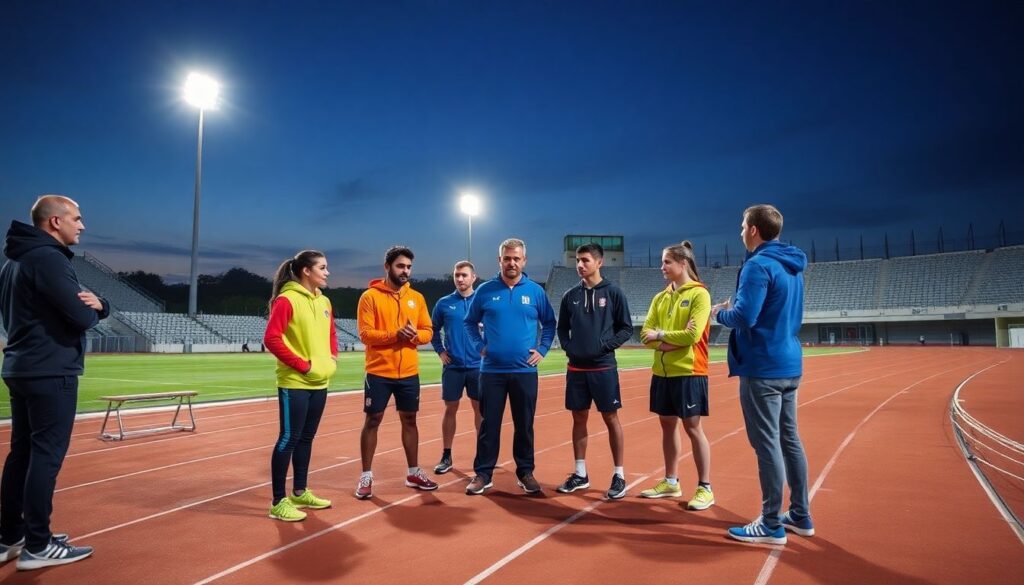
Coaching in Turkey has shifted from volume-heavy, tradition-based programmes toward more individualised, evidence-informed systems. This evolution shows up differently across age groups and event groups, and it matters directly for injury risk, long-term development, and reliability of performance under pressure.
Scenario 1: Youth sprinter transitioning to serious training
A 16-year-old sprinter moves from general PE-based workouts to a coach who integrates acceleration mechanics, strength training, and recovery planning. Instead of daily maximal runs, sessions alternate high-intensity sprint work with technical drills and gym work, leaving space for growth and study.
Scenario 2: Junior middle-distance runner balancing school and mileage
Coaches move away from forcing young runners into adult-level volume. Instead they monitor heart rate, lactate or perceived exertion and use structured intervals. Weekly plans are fitted around school exams, minimising burnout and allowing enough intensity to progress race times steadily.
Scenario 3: Emerging jumper working with video and biomechanics
A long jumper or triple jumper trains in a regional centre where run-ups, take-off angles, and landing mechanics are filmed and analysed. Corrections are made via short, focused drills rather than simply adding more jumps. This reduces technical errors and chronic joint issues.
Scenario 4: Under-23 multi-event athlete using integrated support
A decathlete combines event coaching with nutrition advice, physiotherapy, and planning across the competition season. The goal is to arrive healthy and sharp at a few key meets instead of chasing every opportunity, which is especially relevant for scouts evaluating consistency, not only personal-best peaks.
Scenario 5: Club coach upgrading through international exposure
Turkish coaches increasingly attend international clinics, online seminars, and training camps abroad. They bring back drills, load management ideas, and monitoring tools. Over time, this narrows the methodological gap between Turkey and the established athletics powers.
Event Specialties: Where Turkish Athletes Are Making Headway
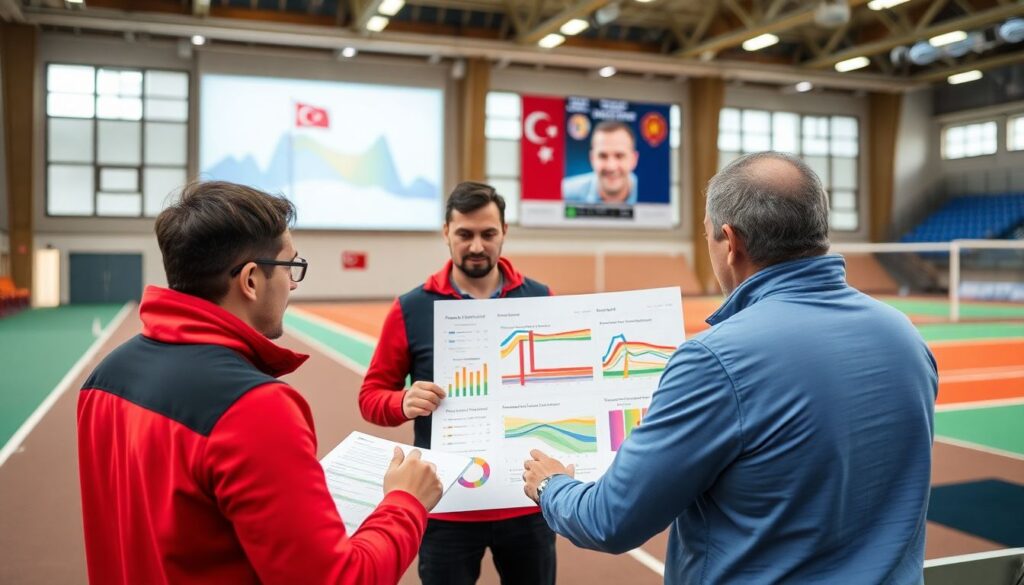
Turkey is not yet deep across every discipline, so understanding event-specific strengths and limitations is crucial for coaches, scouts, and analysts. Certain events show clear upward trends, while others remain structurally challenging for reasons ranging from facilities to cultural preferences.
Disciplines showing current momentum
- Middle-distance and long-distance running: Strong tradition, suitable training terrains, and a history of success make these events a stable source of international-level athletes.
- Race walking: Organised coaching groups and consistent training camps help turn endurance talent into reliable championship performers.
- Hurdles and sprints: Improved tracks, better strength and conditioning knowledge, and access to videos of world-class models are accelerating technical development for young sprinters and hurdlers.
- Selected jumps (long and triple): Indoor facilities in big cities and event-specific camps support a small but promising group of jumpers with international ambitions.
- Road running and cross-country: Mass-participation races and city marathons create a broad base of runners, from which some transition into elite performance pathways.
Areas facing persistent constraints
- Throws requiring heavy equipment: Hammer, discus, and javelin depend on specialised cages and safe training spaces, which are still limited in some regions.
- Technical vaulting events: Pole vault in particular needs expensive poles, expert coaching, and high-quality indoor facilities, so development is concentrated in a few hubs.
- Combined events depth: While there are promising decathletes and heptathletes, the overall base remains narrow, making it harder to create training groups at every age level.
- Para-athletics awareness: Interest and talent exist, but classification knowledge, coaching education, and competition structures are still catching up with world standards.
- Retention across university years: As academic and financial pressures grow, some technically demanding events lose athletes who do not see a clear performance or career pathway.
Under-23 Spotlights: Profiles of Breakout Young Talents
Without inventing specific names or statistics, it is still useful to outline typical profiles of Turkish under-23 athletes who are beginning to matter on the world stage. These sketches show development paths, not imaginary heroes, and highlight the signals that coaches and scouts should look for.
Prototype 1: The municipal-club 400 m / hurdles hybrid
Background: Starts as a general sprinter at a city club, then adds hurdles in late teens. Balances national league duties with individual events. Development path: Each season shows small but consistent improvements, with cleaner hurdle technique and stronger finishes in the last 100 m.
Prototype 2: The highland-origin distance runner
Background: Grows up in a region with hills and altitude, initially running cross-country for school. Development path: A coach identifies natural endurance and efficient stride; the athlete moves to a regional centre, gains experience in Balkan and European championships, and learns pacing against international fields.
Prototype 3: The university-based jumper
Background: Joins a university team with access to a decent track and gym. Development path: Conducts structured strength cycles, learns to manage weight and explosiveness, and competes indoors and outdoors to build consistency. Technical markers such as take-off rhythm and landing positions improve visibly across seasons.
Prototype 4: The dual-career road and track athlete
Background: Starts in fun runs and city 10Ks, then meets an athletics coach who introduces track work. Development path: Retains road-race income while training specifically for 5,000-10,000 m on the track. Shows resilience across surfaces, a trait valued by national team selectors.
Common scouting mistakes and myths about these profiles
- "If they are not fast at 18, they have no future." Late developers in distance events and technical disciplines can progress significantly in their early twenties when training, nutrition, and strength work finally align.
- "Domestic dominance guarantees international success." A junior who wins easily at home may struggle abroad; the key is performance under pressure and adaptation to travel, climate, and stronger fields.
- "Every talent wants to leave Turkey." Some athletes seek foreign clubs or universities, but many prefer the cultural familiarity and federation support at home, especially when they see clear chances for national team selection.
- "Equipment does not really matter." Proper track access, quality implements, and good footwear such as well-fitted Nike running shoes for young track athletes can make the difference between chronic injury and steady improvement.
- "Women's events are secondary." Female athletes are often among the most disciplined and consistent performers, and several of Turkey's most stable international results have come from women's disciplines.
Risks and Bottlenecks: Funding, Migration and Integrity Challenges
Turkey's athletics rise is real, but it is not guaranteed. Structural weaknesses, financial pressures, and integrity issues can slow or even reverse progress. Understanding these risks helps coaches, scouts, and decision-makers plan realistic development strategies and protect promising young talents.
Mini-case: A young talent navigating options
Consider a 20-year-old Turkish middle-distance runner with strong national-level results and a few good international races:
- The athlete receives an offer from a foreign university plus a small contract from a Turkish club. Travel costs and living expenses abroad are attractive but uncertain.
- The home coach fears losing influence and pushes the athlete to stay, while the athlete's family prefers stability over risk.
- A foreign manager appears with promises of fast progress and international starts but offers no transparent plan for education or long-term support.
- If the athlete chooses purely on short-term money, they may end up over-raced, under-supported academically, and burnt out within a few seasons.
- If the athlete and coach jointly map out goals, competition schedules, and support systems, mixing domestic training bases with periods abroad, the risk of derailment drops sharply.
For analysts and even fans buying Turkey track and field tickets, or people checking turkey athletics betting odds, these human factors matter as much as raw talent. Sustainable structures, honest communication, and careful load management determine whether a promising under-23 athlete becomes a stable senior international or a "what if" story.
On the spectator side, questions like how to stream Turkey national athletics team live, where to find best sportsbooks for world athletics betting, or how to choose appropriate Nike running shoes for young track athletes are all signs of a maturing ecosystem: performance, fandom, and commerce gradually aligning around a national athletics identity.
Concise Answers to Practical Questions for Coaches and Scouts
How can I quickly assess if a young Turkish athlete is in a serious development pathway?
Check if they belong to a recognised club, appear regularly in federation rankings, and compete in regional or national championships. Consistent participation across seasons usually signals integration in a structured programme rather than casual, ad-hoc training.
Which Turkish events should scouts prioritise for spotting under-23 talent?
Focus on national championships, youth and under-23 trials, and major regional meets hosted in big cities. These competitions concentrate the best athletes and often attract coaches from performance centres, making it easier to evaluate context as well as results.
What red flags suggest a promising athlete might not progress well?
Frequent injuries, sudden coaching changes without clear reasons, irregular competition patterns, and unrealistic event or time goals are warning signs. Lack of school or university planning is another red flag, as it may predict stress and dropout risk.
How should a foreign coach cooperate with a Turkish club or personal coach?
Agree early on communication channels, training responsibilities, and competition priorities. Sharing training logs, medical information, and clear performance goals reduces misunderstandings and protects the athlete from conflicting demands.
What is a realistic first step for a Turkish under-23 athlete aiming at world level?
Establish consistent national-level performances, qualify for regional or continental championships, and build experience against stronger fields. From there, the athlete and coach can target specific world ranking opportunities and major championship qualification standards.
How do commercial aspects like tickets, streaming, and betting affect young athletes?
Growing interest through turkey track and field tickets, online streams, and even turkey athletics betting odds can increase pressure but also create opportunities for sponsorship and support. Coaches should teach media literacy and help athletes handle visibility responsibly.
What gear choices matter most for young Turkish track athletes?
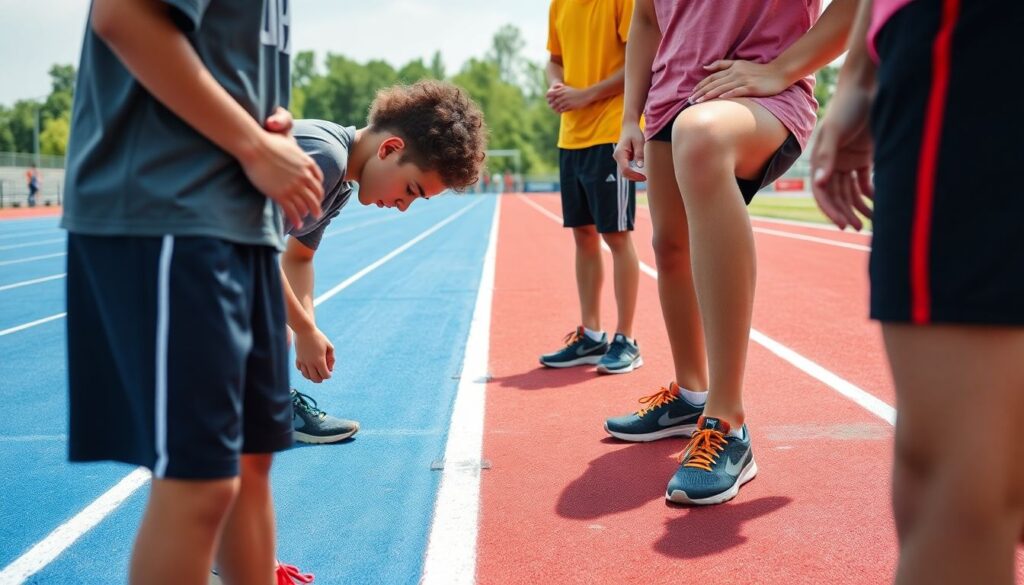
Access to safe tracks, suitable spikes or trainers, and basic strength equipment is crucial. Choosing durable, well-fitted footwear from reputable brands, whether Nike running shoes for young track athletes or similar options, can prevent injuries and support training consistency.