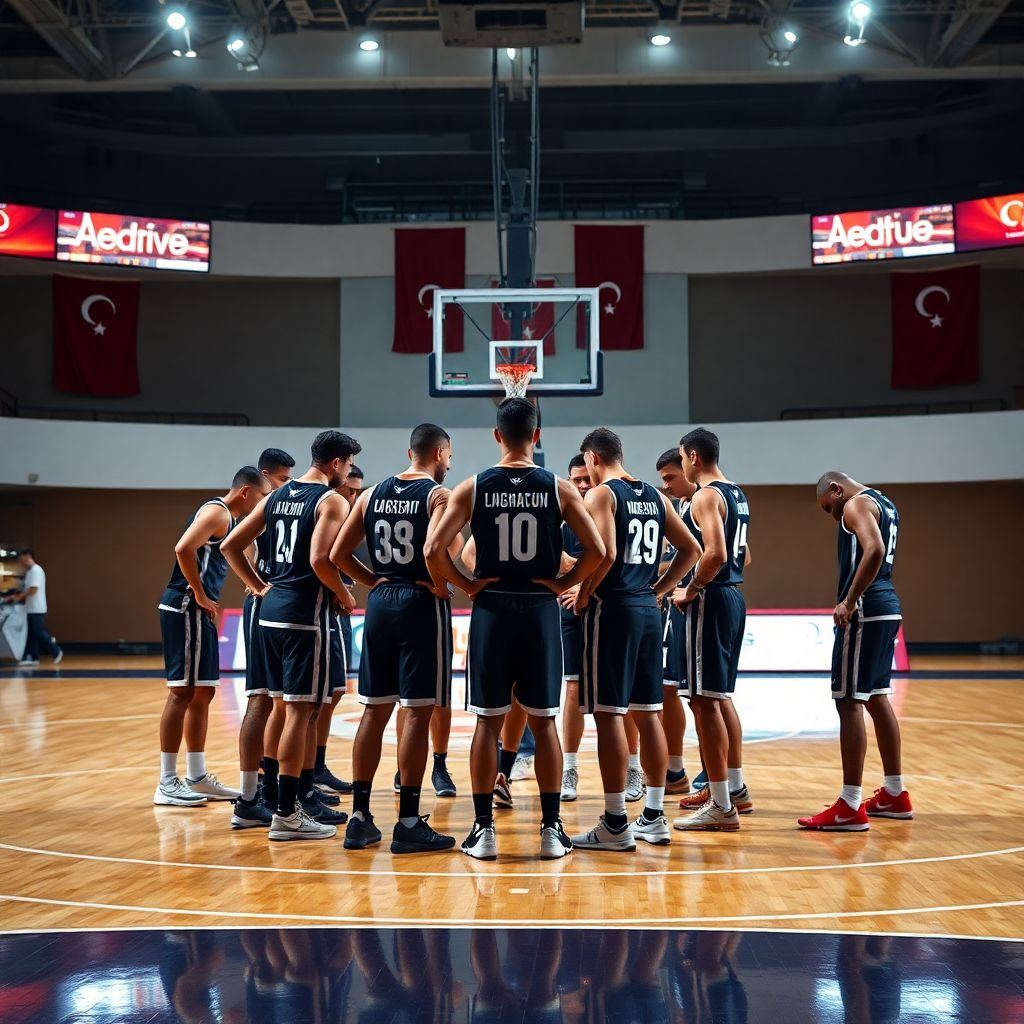
Tactical evolution of Turkish basketball is the shift from improvisational, street-influenced play to highly structured systems shaped by coaching schools, the Basketball Super League, and EuroLeague experience. It explains how Turkish teams blend creative guards, physical bigs, modern spacing, switching defenses, and analytics-driven preparation into a distinct, exportable style of play.
Defining Tactical Milestones in Turkish Basketball
- Transition from street courts and schoolyards to organized club structures and regional leagues.
- Rise of coaching lineages that standardized terminology, spacing rules, and practice habits.
- Domestic league tactics shaped by promotion-relegation pressure and foreign-player usage.
- EuroLeague exposure introducing new defenses, pace-control ideas, and role specialization.
- Hybrid model mixing positionless concepts with traditional Turkish guard-centric creativity.
- Integration of video, analytics, and tactical periodization into daily training cycles.
Street Origins: How Informal Play Shaped Early Tactical Intuition
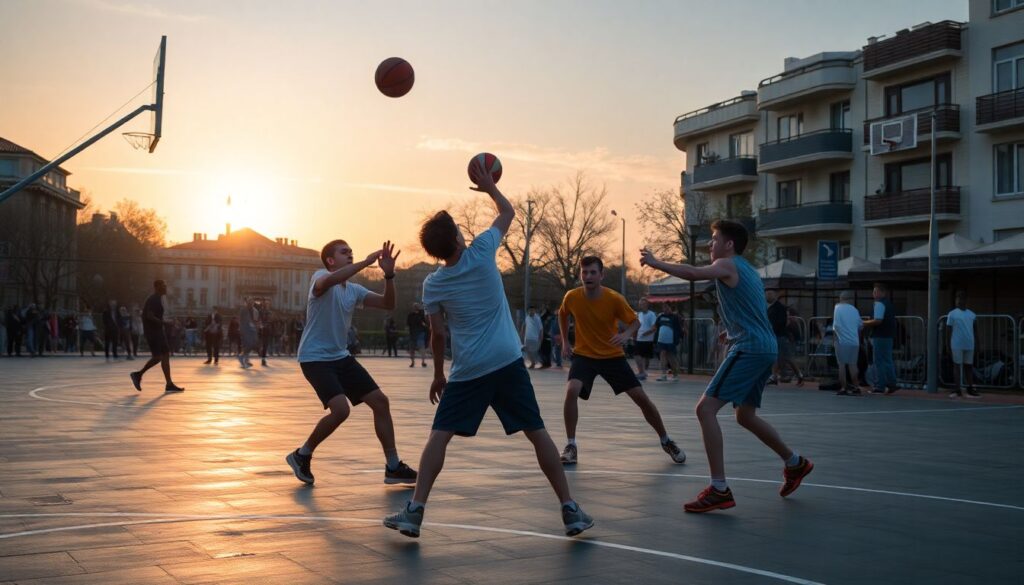
Street and school-yard courts in Istanbul, Ankara, Izmir and coastal cities produced a generation of players whose first coach was peer competition. The tactical base was implicit: reading space, exploiting mismatches, and using fakes, hesitations, and angle changes rather than pre-drawn plays.
This context created a bias toward guard-dominant, pick‑and‑roll-heavy basketball. Players learned to solve problems in real time, which later fed naturally into late-clock isolation sets and creative side pick‑and‑rolls that still define many Turkish Basketball Super League endgame situations.
When you watch turkish basketball league live streaming, you can still see this heritage: quick post entry passes from the wing, early high pick‑and‑rolls in transition, and a comfort with broken plays when the first action fails. Coaches often design systems that intentionally leave room for such improvisation.
Diagram suggestion: Half-court sketch showing a basic 1-5 high pick‑and‑roll, with arrows indicating three decision branches the guard can take based on defender reactions learned on street courts.
Coaching Lineages: From Local Mentors to Systemized Philosophy
As clubs professionalized, experienced coaches turned that raw intuition into repeatable systems. Tactical evolution here is less about copying foreign playbooks and more about how Turkish coaches codified spacing, timing, and roles while preserving creativity.
- Shared vocabulary and rules: Local mentors created common language for spacing (corners filled, 4-out sets), screen angles, and help-side defense, allowing players to move between clubs with less tactical friction.
- Defensive identity first: Many coaching trees in Turkey emphasize ball pressure, physical hedges on pick‑and‑roll, and strong-side overloads, building a culture where tactics start on defense, not offense.
- Structured freedom for guards: Systems often give guards two or three default reads per set rather than fixed outcomes, keeping the improvisational edge while protecting overall structure.
- Customization by import type: Coaches learned to adapt schemes to the dominant foreign player – post touches for scoring bigs, spread pick‑and‑roll for dynamic guards, or switch-heavy defense with mobile forwards.
- Continuous feedback via EuroLeague: Facing top European opponents forced Turkish coaches to refine late-game sets, baseline out-of-bounds plays, and switch counters, then bring those upgrades back into domestic play.
- Scenario usage: For a coach preparing for playoff pressure, studying how these lineages handle end-of-game ATOs (after-time-out plays) gives concrete templates for high-stakes situations.
Diagram suggestion: Coaching tree chart showing how a few key head coaches influence multiple assistants, with arrows linking core tactical principles (e.g., aggressive hedge, 4-out motion, switching rules).
Domestic Evolution: Tactical Trends within the Basketball Super League
The Basketball Super League acts as a laboratory where tactical ideas are stress-tested against diverse rosters and budgets. Different competitive contexts inside the league push distinct strategic choices.
- Relegation battles: Lower-budget teams often pack the paint and use conservative pick‑and‑roll coverage, slowing the pace to reduce possessions. Scenario: a bottom-table team facing Anadolu Efes shifts to a 2-3 zone after timeouts to disrupt rhythm and hide weaker individual defenders.
- Playoff contenders: Mid-to-upper tier clubs mix set plays with flow offenses, using stagger screens and Spain pick‑and‑roll variants. Coaches rely heavily on video of rivals, something fans often follow in parallel via turkish basketball league live streaming.
- Star-centric offenses: Teams with a dominant scorer run angle pick‑and‑rolls and empty-side actions to isolate their best creator, mirroring endgame usage in EuroLeague but adapted to domestic physicality and refereeing.
- Defensive switching cultures: Some rosters built with mobile forwards adopt switch-heavy schemes, trading off post mismatches for stopping three-point attempts and complex off-ball actions. Scenario: against a motion-heavy opponent, they pre-switch before screens to keep matchups functional.
- Transition-focused systems: Clubs with younger local cores push the ball early, using drag screens in transition and early post seals. This style connects directly to the open-court instincts players developed in youth tournaments and informal games.
Diagram suggestion: Full-court diagram showing a drag screen in transition, with markings for primary, secondary, and tertiary scoring options based on how the defense responds.
EuroLeague Feedback Loop: Importing and Exporting Strategic Ideas
Turkish EuroLeague clubs, especially Fenerbahce and Anadolu Efes, create a constant feedback loop: they import cutting-edge strategies from other elite teams and export Turkish interpretations back into Europe and domestic basketball.
- Benefits of this tactical exchange
- Access to high-level scouting and video, raising preparation standards across Turkish clubs.
- Adoption of advanced pick‑and‑roll coverages, late-clock offenses, and ATO design directly from EuroLeague competition.
- Improved player development as locals learn modern reads, spacing, and decision-making under top coaches.
- Commercial ecosystem growth, from turkish basketball euroleague teams tickets to global euroleague basketball merchandise fenerbahce anadolu efes, funding better facilities and staff.
- Constraints and tactical limitations
- Schedule congestion limits practice time for complex systems, forcing simplification of schemes in domestic games.
- Rule and refereeing differences between EuroLeague and domestic league can make some coverages or contact levels hard to copy.
- Roster turnover, especially of foreign players, challenges long-term tactical continuity.
- Public expectations fueled by highlight culture and betting markets (for example, fans seeking best euroleague basketball betting tips turkey) can pressure coaches toward short-term results over long-term tactical development.
Diagram suggestion: Flow chart mapping how a new EuroLeague defensive scheme appears first at Fenerbahce or Efes, then propagates to 2-3 domestic clubs, then trickles into youth programs.
Player Roles Reforged: Positionless Tendencies and Specialized Skillsets
The current phase of tactical evolution in Turkey mixes global positionless trends with locally preferred specialties. Misunderstandings about roles and skills can slow this process.
- Myth: Positionless means no roles. In practice, Turkish teams that succeed with positionless lineups still define primary ball-handler, spacing big, and defensive stopper responsibilities, even if players swap traditional numbers (1-5).
- Myth: Stretch bigs must live on the perimeter. Local stretch forwards are most effective when they alternate between pick‑and‑pop and short-roll playmaking, not just standing behind the arc.
- Mistake: Overloading imports with all creation. When local guards only spot up, they stop developing live-dribble decision-making; better teams share creation duties and develop multiple pick‑and‑roll handlers.
- Mistake: Ignoring mismatch punishment. Switch-heavy defenses require bigs who can punish small defenders on the block; failing to exploit these mismatches wastes a core counter to modern schemes.
- Myth: Youth players must master every role. In Turkish academies and basketball training camps in turkey for foreigners, the most effective programs give players one or two core tactical “homes” (e.g., secondary handler, short-roll hub) before branching out.
Diagram suggestion: Half-court spacing map labeling five spots with primary tactical jobs (primary creator, secondary creator, short-roll hub, corner spacer, weak-side cutter) rather than traditional positions.
Practice to Performance: Drills, Analytics and Tactical Periodization
Modern Turkish clubs translate tactical ideas into performance through carefully periodized practice cycles, targeted drills, and growing use of analytics. The goal is to make complex decisions automatic under game pressure.
One simple way to picture this is as a weekly loop:
Game → Video & data review → Target 1-2 tactical priorities →
Design drills & small-sided games → Apply in scrimmage → Next game
Mini-scenario for a EuroLeague week: After giving up too many corner threes, a team spends two practices running 3v3 shell drills focused on “tag the roller, sprint to corner” rules, then tests the rules in 5v5 with strict scoring bonuses for successful closeouts.
At lower levels or in off-season basketball training camps in turkey for foreigners, a similar model appears in simpler form: focus days on pick‑and‑roll reads, closeout footwork, or transition decision-making, all captured on video for feedback. Analytics can stay basic (shot charts, turnover locations) yet still guide where to invest training time.
Diagram suggestion: Circular diagram with six segments: Scout → Plan → Drill → Scrimmage → Measure → Adjust, showing the continuous tactical learning loop.
Quick Self-Check for Coaches and Players
- Can you explain how your current offensive sets connect back to players’ early instincts and strengths?
- Do your practice drills directly rehearse the exact decisions you expect under game pressure?
- Have you defined clear tactical roles for each player, even in “positionless” lineups?
- Are you intentionally borrowing and adapting at least one idea from recent EuroLeague games into your own context?
Practical Clarifications on Tactical Trends and Implementation
How can a fan recognize Turkish tactical identity when watching a live game?
Look for guard-led pick‑and‑rolls, physical on-ball defense, and structured sets that still allow improvisation when the first action fails. Watching multiple teams via turkish basketball league live streaming makes these patterns easier to spot.
What should bettors watch tactically before considering EuroLeague wagers?
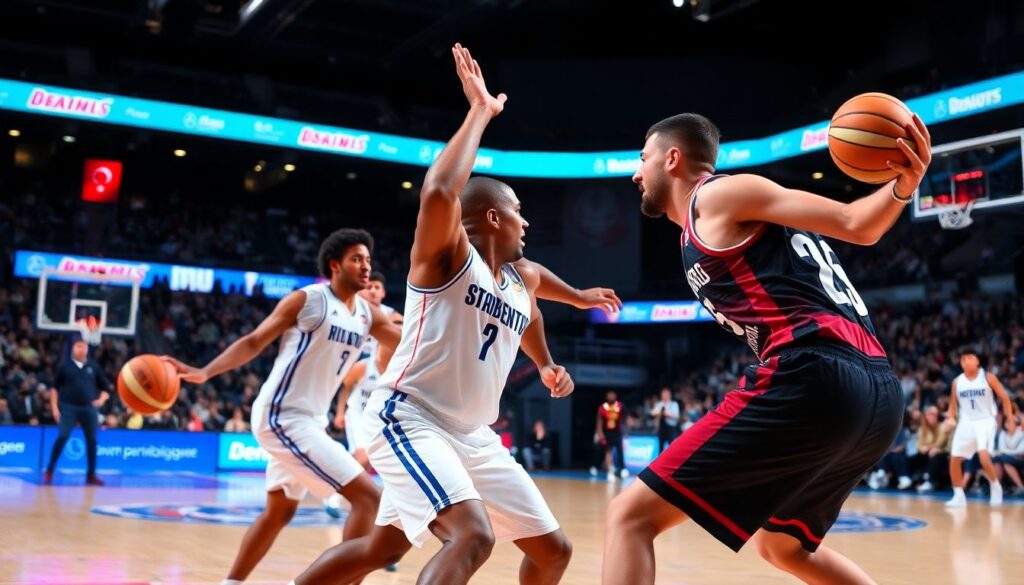
Focus on pace, pick‑and‑roll defense, and how teams handle end-of-game situations rather than just star names. Combining this with responsible use of best euroleague basketball betting tips turkey sources can give more context to odds and lines.
Are Turkish domestic tactics very different from EuroLeague tactics?
The core concepts are similar, but EuroLeague games demand more detailed scouting, counters, and late-game execution. Domestic games sometimes feature simplified versions due to schedule and roster depth.
How do EuroLeague clubs in Turkey influence smaller teams tactically?
Through shared video libraries, coaching clinics, and players moving down the pyramid, ideas tested by Fenerbahce and Anadolu Efes spread into mid- and lower-table clubs over time.
What is a simple way for youth coaches to start with tactical evolution?
Pick one or two core actions, such as side pick‑and‑roll and basic help rotations, and repeat them in every practice with clear rules. Add complexity only after players execute consistently under fatigue.
Do training camps for foreigners in Turkey follow the same tactical trends?
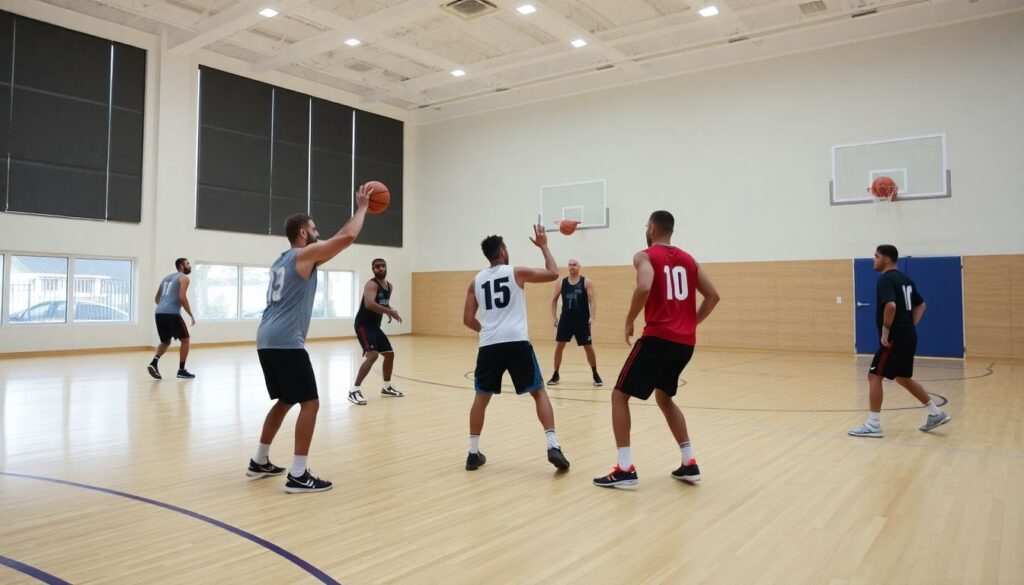
Many basketball training camps in Turkey for foreigners blend skills work with modern Turkish tactical elements, like spacing, pick‑and‑roll reads, and switching defense, adapted to participants’ levels.
How can visitors combine watching games with understanding tactics?
Planning around turkish basketball euroleague teams tickets lets visitors watch EuroLeague-level tactics live, then compare them to domestic league games on TV or streaming to see how ideas travel across competitions.