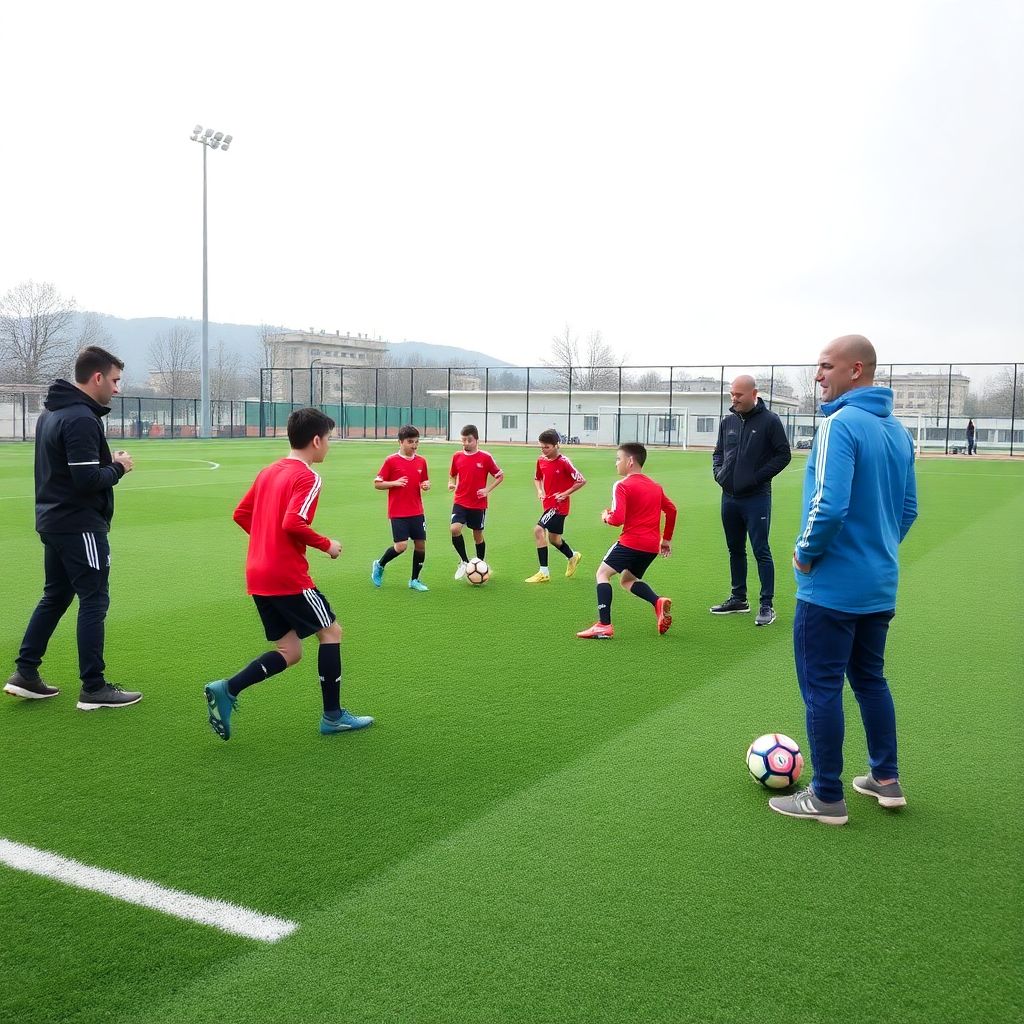
Turkish football academies develop world-class players through a clear pathway: early grassroots scouting, structured age-phase curricula, qualified coaching, and strong links to professional clubs. Families and coaches should combine long-term technical and tactical training with education, psychological support, and careful injury prevention, using transparent criteria and realistic expectations about contracts, trials, and international transfers.
Core Principles Driving Turkish Academy Success
- Early, local scouting that filters players into structured age phases instead of relying only on late “miracle” talents.
- Club-run academies with clear pathways from U8 to senior team, including loans and B-team football.
- Consistent coaching methodology that aligns technical, tactical, physical, and mental development across all age groups.
- Load management and injury prevention embedded into weekly planning, not added after injuries appear.
- Holistic support: schooling, language, psychology, and life skills, especially for players relocating from other cities or countries.
- Transparent selection and progression criteria to reduce frustration, burnout, and unhealthy pressure from parents and agents.
Grassroots Scouting: Where Turkish Talent Is Found
Grassroots scouting in Turkey starts in local neighborhoods, school tournaments, municipal pitches, and amateur clubs. Professional clubs monitor these environments directly or through regional partners before inviting players into central academies or professional soccer training camps in turkey.
This approach is suitable when:
- You work with players between roughly 7-15 years old who are still exploring different sports.
- Local infrastructure exists: municipal fields, school leagues, amateur club competitions.
- There is a clear, safe route toward a club academy trial if a player stands out.
- Families can handle regular travel to the nearest club or academy center.
Grassroots scouting is not ideal when:
- Parents expect an immediate professional contract from a single trial or weekend camp.
- Children are pushed into constant travel and high-intensity competition without medical checks.
- Selection depends mainly on physical size and early maturity rather than technical quality and game intelligence.
- Unlicensed “street agents” demand fees for unofficial trials or empty promises abroad.
Club Academy Structure and Pathway Design
Building a coherent pathway, like those in the best football academies in turkey, requires clear structure, resources, and standards. Below are the core elements you need to design or evaluate an academy in Turkey.
Essential structural requirements
- Age-phase model and squads
- Define age brackets (e.g., foundation, youth development, professional preparation) and target squad sizes.
- Specify how and when players may move up or down an age group.
- Qualified staff and clear roles
- Head of Academy with responsibility for philosophy, hiring, and long-term planning.
- Age-group coaches, goalkeeper coaches, physical trainers, analysts, psychologist, academic tutor where possible.
- Facilities and equipment
- Safe pitches (ideally at least one good-quality grass and one artificial surface) with proper lighting.
- Basic gym area and recovery space (stretching, foam rolling, simple strength work).
- Video recording capability for matches and key training sessions.
- Medical and welfare access
- Regular medical check-ups, injury reporting system, and return-to-play protocols.
- Safeguarding rules, including adult-child interaction guidelines and complaint procedures.
- Education and housing support
- Partnerships with local schools and, when needed, dormitory or family housing options.
- Language and adaptation support for a football academy turkey for international students.
Comparative overview of academy models in Turkey
| Academy model | Main age phases | Typical focus | Key KPIs to monitor | Risk factors |
|---|---|---|---|---|
| Big club central academy | U8-U12 (foundation), U13-U16 (development), U17-U19 (professional prep) | Long-term club identity, clear pathway to first team or loans | Minutes in U19/B team, call-ups to national youth teams, training attendance, injury days | High pressure, early specialization, limited patience for late developers |
| Regional partner academy | U10-U15 (talent ID and transition) | Feeding standout players to parent club, giving regular competition to others | Number of players promoted to central academy, retention rate, school performance | Travel load, unequal resources, over-focus on exporting only early-maturing players |
| Independent private academy/camp | Mixed, often U8-U18 | Extra training, exposure, short-term professional soccer training camps in turkey | Trial invitations, feedback from clubs, player satisfaction, skill improvements | Overpromising, unclear links to pro clubs, high fees, burnout from extra sessions |
| School-based football program | Secondary school ages, integrated with education | Balancing sport and academics, basic tactical schooling | Academic grades, attendance, consistent training load, transition to local clubs | Insufficient intensity for top-level prospects, limited specialized coaching |
Coaching Philosophy, Curriculum and Methodologies
A practical methodology in turkish football academies should be consistent, safe, and understandable for players and parents. Before defining steps, recognize key risks and limitations so the process protects, not harms, young athletes.
Key risks and limitations to manage
- Overtraining young players with multiple teams and private sessions, increasing injury and burnout risk.
- Focusing only on winning youth matches instead of long-term learning and decision-making.
- Neglecting growth and maturation differences, which can push late developers out too early.
- Inadequate communication with parents about expectations, selection, and playing time.
- Insufficient medical screening and warm-up routines before high-intensity drills.
Step-by-step methodology for a Turkish academy program
- Define a clear game model and club identity
Start by describing how your teams should play in all age phases: in-possession, out-of-possession, and transitions. Keep it simple and repeatable across age groups so players feel continuity as they progress.
- Break the game model into age-appropriate themes
Translate the overall style into concrete themes for each age phase (e.g., ball mastery at U8-U10, positional play at U13-U15). Every training week should focus on one main theme and, at most, one sub-theme.
- Foundation phase: coordination, 1v1 attacking/defending, basic passing.
- Youth development: pressing triggers, support angles, finishing from different zones.
- Professional prep: match analysis, tactical flexibility, role-specific demands.
- Design a safe weekly training microcycle
Plan weekly load based on match day, alternating higher-intensity and lower-intensity sessions. Include structured warm-up and cooldown in all age groups to reduce injury risk.
- Session types: technical, tactical, physical, recovery, video/analysis.
- Adjust volume during exam weeks, tournaments, or growth spurts.
- Use game-like drills and constraints
Prioritize small-sided games and position-specific exercises instead of isolated, repetitive drills. Apply constraints (touch limits, scoring zones, overloads) that direct player behavior toward your game model.
- Implement objective and subjective player evaluation
Use both measurable indicators (attendance, physical tests, game actions) and coach observations (decision-making, attitude). Share periodic feedback with players and parents in simple language.
- Technical: first touch, weak foot, 1v1 ability.
- Tactical: positioning, pressing, scanning.
- Mental: resilience, coachability, leadership.
- Integrate education and life-skill sessions
Schedule short workshops on nutrition, sleep, social media behavior, and dealing with success and failure. For a football academy turkey for international students, include cultural adaptation and Turkish language basics.
- Review and adapt the curriculum each season
At the end of each season, analyze match footage, player development, injuries, and feedback to refine the curriculum. Involve head coaches from each age group in this review to keep alignment and buy-in.
Physical Preparation, Injury Management and Load Control
Use this checklist to verify that your academy’s physical program is safe and effective for young players.
- Every training session begins with a structured warm-up including mobility, activation, and gradual intensity increase.
- Growth and maturation are monitored; sudden growth spurts trigger temporary load reductions and extra mobility work.
- Players do not regularly train high-intensity sessions for more than one team per day (club, school, private coach).
- Strength training focuses on technique, bodyweight, and simple resistance under supervision, not maximal lifting.
- Coaches keep a basic record of training minutes, matches, and time-loss injuries for each player.
- Return-to-play decisions involve medical staff, not only competitive pressure from coaches or parents.
- Travel, heat, and Ramadan or exam periods are considered when adjusting physical load and hydration strategies.
- Goalkeepers receive specific physical preparation for diving, landing, and shoulder protection.
- Players and parents receive guidance on sleep, nutrition, and safe gym use outside the academy.
- Warm-down, stretching, or low-intensity ball work is included after intense matches and tournaments.
Holistic Development: Education, Psychology and Life Skills
Common mistakes in holistic development can quietly block talented players from reaching the professional level, even in the best football academies in turkey.
- Ignoring school performance until it becomes a crisis, leading to stress, missed training, or drop-out.
- Labeling children as “stars” too early, creating ego problems and fragile confidence when results dip.
- Using fear-based coaching, public humiliation, or constant shouting, which damages motivation and trust.
- Allowing parents to over-interfere in training, tactics, or selection decisions instead of setting boundaries.
- Not offering psychological support after serious injuries, deselection, or failed trials abroad.
- Focusing only on football and not teaching basic life skills: time management, money habits, digital behavior.
- Bringing in foreign players without proper orientation, leaving them isolated in a new culture and language.
- Failing to educate players about agent regulations, trial scams, and realistic contract structures.
- Overexposure on social media, with highlight videos promising more than the player can currently deliver.
- Not preparing a “plan B” career path for those who will not reach professional status.
Bridging to Professional Football: Scouting, Loans and Exports
Transitioning from academy to professional football is rarely linear. Alongside traditional promotion to the first team, there are several realistic alternatives that may better fit individual players.
- Loan moves to lower-division clubs – Suitable for players who dominate U19 level but need regular adult football minutes. Works best when the loan club’s playing style matches the parent club and there is clear communication on expectations and playing time.
- Domestic transfers to other academies – A good option when a player is blocked in one position or style at a big club. Smaller clubs may offer more playing time, positional flexibility, and a quicker route to senior football.
- University and semi-professional pathways – For players balancing strong academic potential with football, or those on the edge of pro level. This keeps doors open for future coaching, analysis, or sports management roles.
- Later moves abroad via credible partners – Instead of early risky transfers, players can build a profile in Turkish professional leagues, then consider foreign clubs with clear contracts and support, avoiding informal promises and unregulated intermediaries.
Practical Clarifications for Coaches and Parents
How to join football academy in turkey safely for a young player?
Start with local club or school teams, then attend official trials advertised by professional clubs or reputable academies. Avoid paying large fees for “guaranteed” contracts, and verify that any academy is registered and has licensed coaches and clear safeguarding policies.
What is the realistic timeline from academy entry to professional debut?
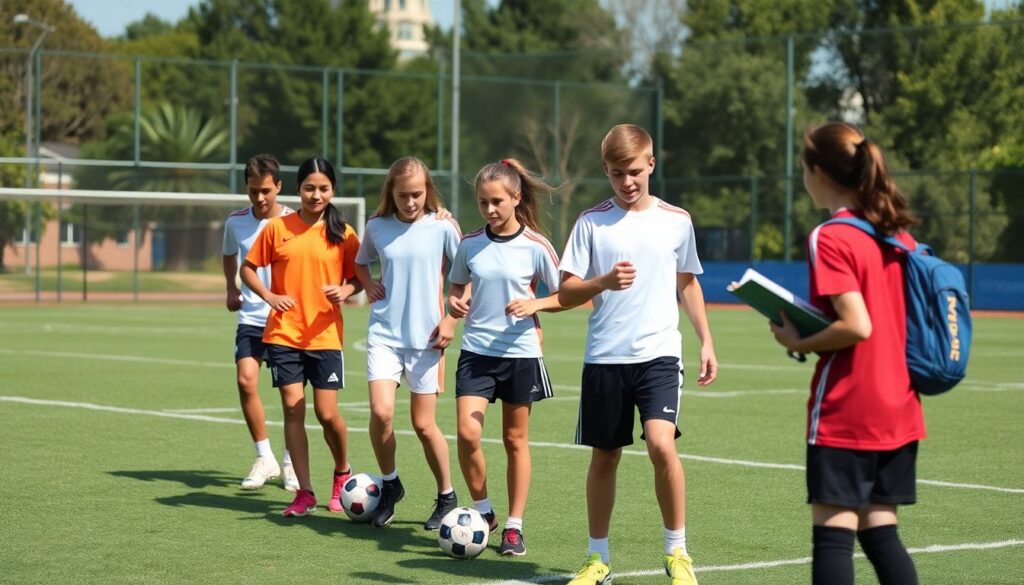
Players usually spend several years progressing through age groups, with individual differences based on growth, position, and opportunities. Focus on steady development, school, and health instead of fixing on a specific debut age.
Are independent camps and private schools better than club academies?
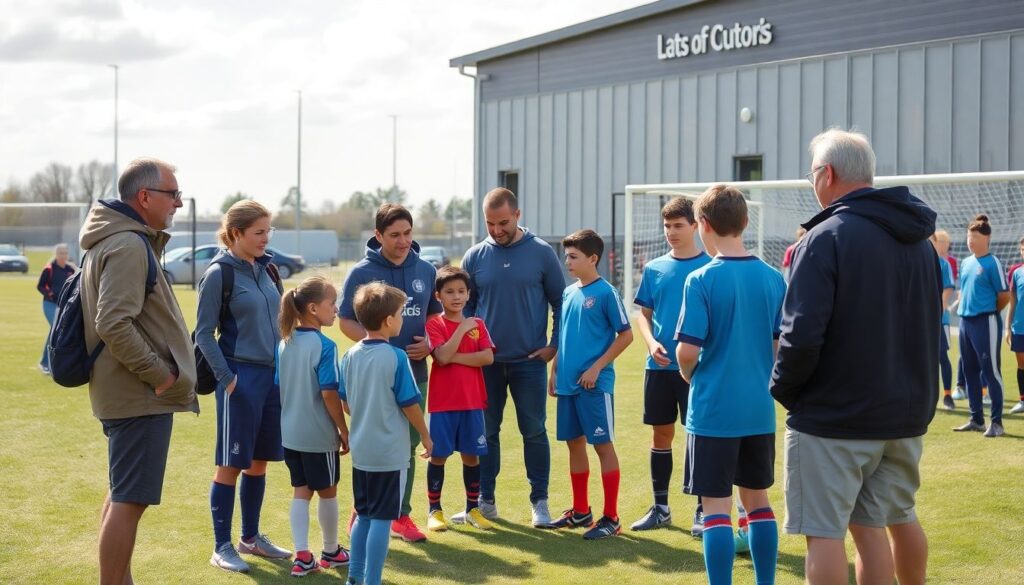
Independent camps and schools can complement club academies by giving extra training or exposure, but they rarely replace a strong club pathway. Evaluate how they connect to real clubs, what promises they make, and whether training volume stays safe for your child.
How should parents behave around matches and selection decisions?
Support your child emotionally, respect coaching decisions, and avoid tactical instructions from the sidelines. Use scheduled meetings to ask questions calmly, and focus on long-term learning rather than short-term playing time or results.
What signs suggest a child is overloaded or close to burnout?
Watch for constant fatigue, recurring minor injuries, loss of motivation, irritability, or declining school results. If several signs appear, reduce training load, speak with coaches, and seek medical or psychological advice when necessary.
Is moving abroad early always a good idea for talented Turkish players?
Not necessarily. Early moves can bring language, cultural, and playing-time challenges. Often it is safer to establish yourself in a stable environment in Turkey, then consider moving abroad through structured agreements with credible clubs and agents.
What should international families check before joining a Turkish academy?
Confirm visa and residency requirements, schooling options, language support, and housing conditions. Ask how the academy integrates international players and what support exists for adaptation, communication with families, and long-term education planning.