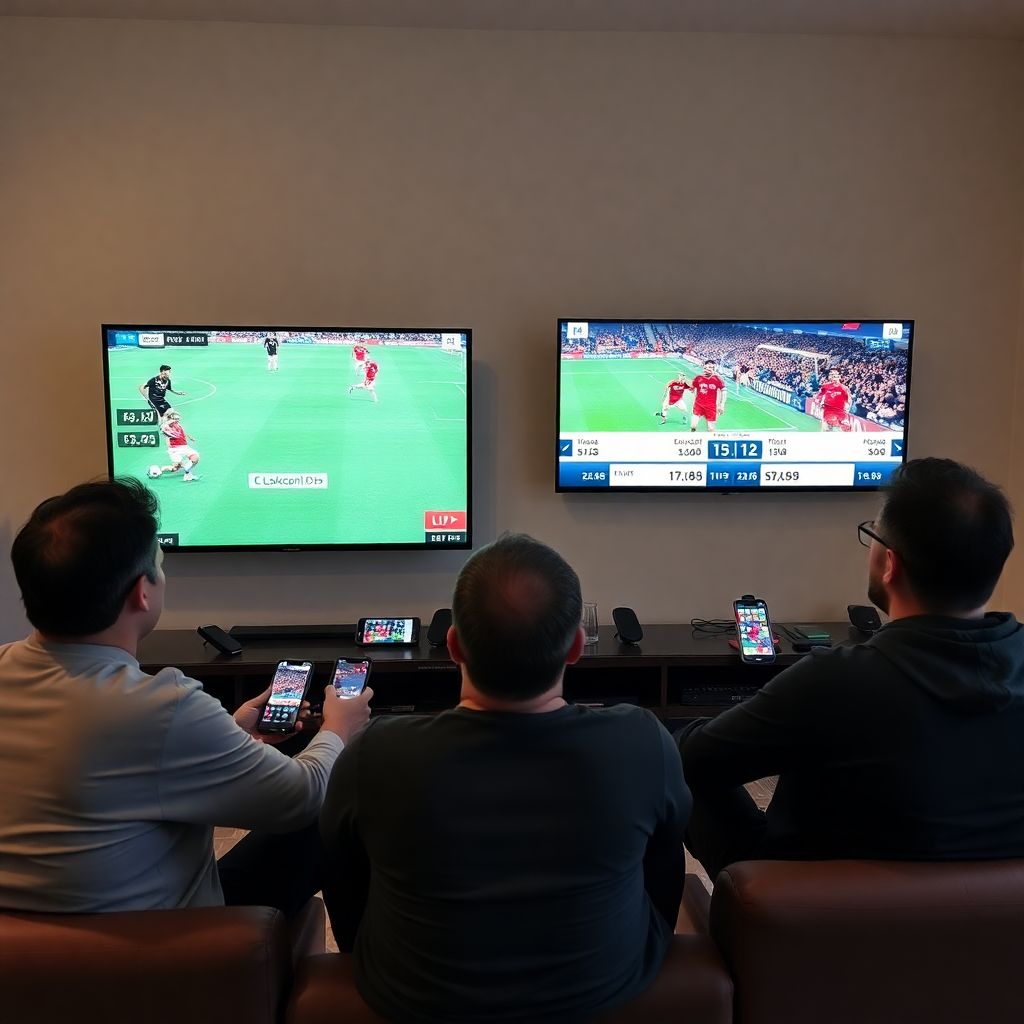
Sports broadcasting rights decide who can show which matches, on which platform, and at what price. These sports broadcasting rights deals shape schedules, blackout rules, subscription costs and even kick-off times. Understanding them helps fans in Turkey choose TV, live sports streaming services or bundles that actually show the competitions they care about.
How Broadcast Rights Shape Viewer Experience
- Rights deals determine which league or tournament appears on which channel, app or platform.
- They drive subscription prices, package structures and promotional offers you see in Turkey.
- They explain blackouts, regional limits and why some matches are only on pay TV.
- They influence match scheduling to fit broadcaster priorities and advertising slots.
- They shape the long-term financial health of clubs and leagues you follow.
How Rights Deals Are Structured
At the core, sports broadcasting rights deals are contracts where a league, federation or club sells the right to show its games to a broadcaster or platform. The buyer can be a traditional TV channel, a digital-only streamer, a telecom operator or a combination of these in a joint package.
Most sports TV rights packages are defined by four boundaries: territory (for example, only Turkey, or wider MENA region), duration (commonly several seasons), competitions (league, cup, national team) and platforms (linear TV, online, mobile). Each of these boundaries affects how and where you, as a fan, can watch.
Rights can also be exclusive (only one company can show live games) or non-exclusive (several platforms can show the same event). Exclusivity often means higher prices for the broadcaster but simpler marketing: if you want that league, you must subscribe to that service.
In the global sports media rights market, premium properties (top football leagues, major continental tournaments, big basketball or motorsport series) usually sell rights in carefully separated packages: free‑to‑air highlights, pay‑TV live matches, digital clips, and sometimes betting or data rights. Each package targets a specific type of buyer and audience.
Revenue Streams and Distribution Models
- Centralized league sales
Leagues or federations sell all clubs' rights together, then distribute money using a formula. This model is common in major football competitions and gives weaker clubs more stability while still rewarding success and audience size. - Club-controlled rights
Individual clubs buy sports broadcasting rights back from the league or never centralize them in the first place. Big clubs can make more by negotiating directly, but this can widen the gap between rich and small teams and complicate viewing for fans. - Platform bundles and telco deals
Telecom and cable operators buy sports TV rights packages or sub-license them and bundle multiple channels and live sports streaming services together. Fans then pay one bill but should check carefully which competitions and how many devices are covered. - Free-to-air vs pay models
Some matches stay on free channels, funded by advertising. High-demand content often moves to subscription or pay-per-view to recoup high rights fees. Governments sometimes protect certain national-team matches for free-to-air access. - Sub-licensing and shared rights
A main rights holder can re-sell parts of its package (for example, a limited number of matches or delayed broadcasts). This spreads costs and can increase reach, but also fragments where fans must look to find specific games.
Impact on Access and Affordability for Fans
Rights structures translate directly into how easy or hard it is to follow your team or league week after week.
- Single-platform convenience
When one broadcaster holds most rights for a competition, you usually need only one subscription. Scenario: A Turkish fan of a top European league picks a single sports channel bundle knowing nearly every match is there, making budgeting and planning simple. - Fragmented rights and subscription stacking
When rights are split across several live sports streaming services and TV channels, fans may need two or three subscriptions. Scenario: A fan of domestic league, European cups and NBA discovers that each sits on a different platform and must either spend more or choose which to skip. - Price pressure from premium deals
Higher rights costs often lead to higher monthly fees or more frequent price rises. Scenario: After a record-breaking rights auction, your existing package suddenly excludes a key league, and you are offered a new, more expensive tier to regain full coverage. - Free access for national interest events
Some national-team games or finals may remain free-to-air due to regulation or public pressure. Scenario: Even without any pay subscription, you can watch the national team's major qualifiers on a public broadcaster in Turkey. - Accessibility and language options
Rights deals can include obligations for Turkish commentary, local studio shows and replays. This matters for fans who prefer local-language coverage over an international feed.
Scheduling, Blackouts and Regional Restrictions
Contracts do not just decide who shows matches, but also when and where. This leads to some fan-friendly outcomes and some frustrating limits.
How contracts can benefit viewing
- Spread-out kick-off times so more matches can be shown live without overlap, letting fans watch multiple games in one weekend.
- Prime-time scheduling that fits peak viewing hours in Turkey, maximizing audience and ad revenue but sometimes moving games away from traditional afternoon slots.
- Guaranteed minimum coverage clauses so that every club appears live a certain number of times per season, protecting smaller teams from being ignored.
- Simultaneous distribution across TV and streaming for major finals, reducing overload on a single platform and improving reliability.
Where blackouts and geo-limits hurt fans
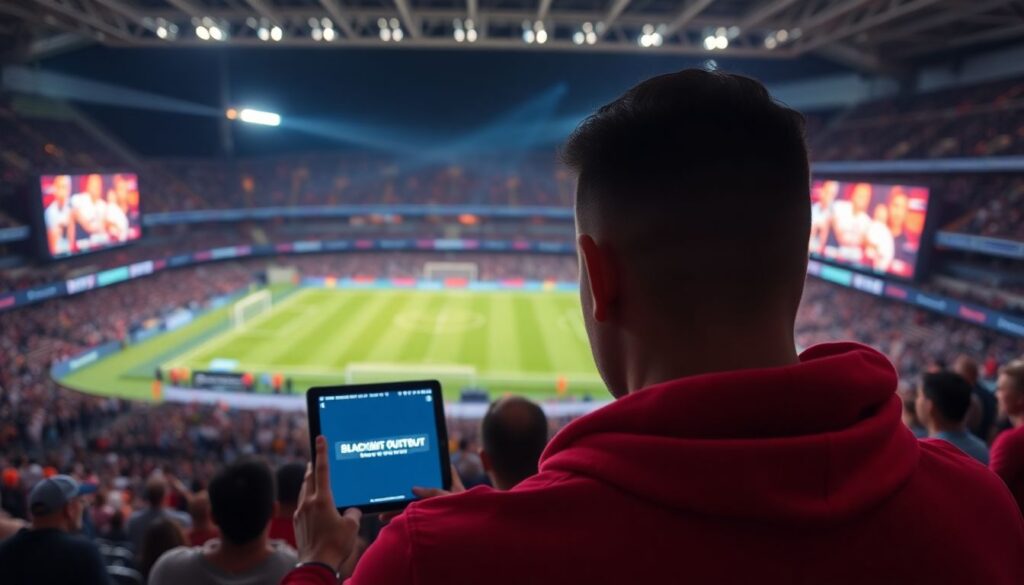
- Local blackouts where a match is not available on a streaming app inside a given city or country because the in-stadium experience or another TV partner is being protected.
- Geo-blocked streams that shut you out when travelling abroad; your Turkish subscription may not work in other territories due to regional rights separation.
- Delayed broadcasts for some competitions where live rights are sold to one buyer and only delayed or highlight rights to another, forcing fans to avoid spoilers for hours.
- Device and concurrent stream limits negotiated into packages, making it hard for a household to watch different games in different rooms at the same time.
Technology, Platforms and Changing Consumption
- Myth: streaming always saves money
Many fans assume switching to live sports streaming services automatically reduces costs. In reality, rights fragmentation can mean multiple subscriptions, sometimes more expensive than a single old-style cable bundle. - Myth: VPN use makes rights rules irrelevant
Some viewers think a VPN fully bypasses territorial limits in the sports media rights market. Platforms are increasingly able to detect unusual access patterns and can suspend accounts that violate terms of use. - Mistake: ignoring device and quality tiers
When people buy sports broadcasting rights access via an app, they often overlook whether HD/4K, smart TV support or multi-screen viewing is included, discovering restrictions only on match day. - Misunderstanding simulcast rules
Fans may expect that a match on TV will automatically appear in the same app. Some sports TV rights packages separate linear and digital rights, so the channel can show a game, but the app cannot. - Assuming highlights replace live rights
Short clips on social media are easy to share, but they are licensed separately. A platform that only has highlight rights cannot legally offer live coverage, no matter how popular a match becomes.
Negotiation Power: Leagues, Broadcasters and Platforms
Who gets the better end of a rights deal depends on how much fan attention each side can command and how many realistic alternatives they have.
Mini-scenario 1: A top national football league with huge audiences invites multiple broadcasters and streamers to bid. Because every platform wants the content, the league can demand long-term contracts, higher fixed fees and strong production standards. Fans see better cameras and graphics, but likely higher subscription prices.
Mini-scenario 2: A smaller regional competition wants to buy sports broadcasting rights exposure in new markets. Broadcasters are cautious, so instead of big fixed fees, contracts are built around revenue sharing and flexible digital rights. Fans might benefit from cheaper or even free streaming while the competition builds its audience.
Mini-scenario 3: A global tech platform enters a new country and needs high-profile sports fast. It overpays for exclusive rights, under-prices subscriptions for a few seasons to win market share, and absorbs losses. Fans enjoy low prices at first, but when the introductory period ends, fees often rise to recover the investment.
Quick viewing checklist for Turkish fans
- List the exact leagues and tournaments you must watch, then see which platforms really carry them live.
- Check whether your package includes both TV channels and apps, and on how many devices simultaneously.
- Look for blackout, roaming and geo-block rules before a big away trip or holiday.
- Compare the total yearly cost of stacked subscriptions against a single bundled offer.
- Re-evaluate after each new rights cycle; the platform showing your team this season may change next season.
Common Concerns About Rights Deals Explained
Why do rights deals change which channel shows my team every few years?
Rights are usually sold in cycles lasting several seasons. At the end of each cycle, leagues reopen bidding to maximize revenue or change partners. This is why your club or league may move from one broadcaster or app to another even if you are happy with the current setup.
Why are some matches only on pay TV or streaming instead of free channels?
Broadcasters pay significant fees for premium competitions and often need subscription revenue to recover those costs. Free-to-air channels rely on advertising and cannot always match pay-TV or streaming bids, so top events end up behind a paywall except where regulations protect certain games.
Can I watch with one subscription if I follow several different sports?
It depends how fragmented your market is. In some countries and for some combinations of leagues, one bundle is enough. In others, different sports and competitions are spread across multiple platforms, forcing fans to prioritize or pay for more than one service.
Why is my streaming quality worse during big matches?
Major derbies and finals drive huge concurrent audiences. If a platform underestimates demand or under-invests in infrastructure, buffering and drops occur. Rights contracts may include technical quality clauses, but enforcement often happens only after repeated issues or regulator intervention.
Do clubs really benefit when rights fees go up?
Higher fees usually mean more income for clubs and leagues, supporting wages, youth academies and facilities. However, if costs rise faster than revenues or if management is poor, fans may not see clear on-field improvements despite more expensive TV and streaming deals.
Is it legal for me to use foreign streams if my local service is too expensive?
Accessing foreign services typically breaches their terms if you are outside the licensed territory, even if technically possible. Rights holders sell markets separately, so they expect platforms to restrict viewing to agreed regions and may push for enforcement against large-scale misuse.
How can I keep track when rights move between platforms?
Before each new season, check announcements from leagues, clubs and major broadcasters. Many publish updated rights overviews and channel lists. Reviewing your subscriptions once a year helps you avoid paying for services that no longer carry the competitions you actually watch.