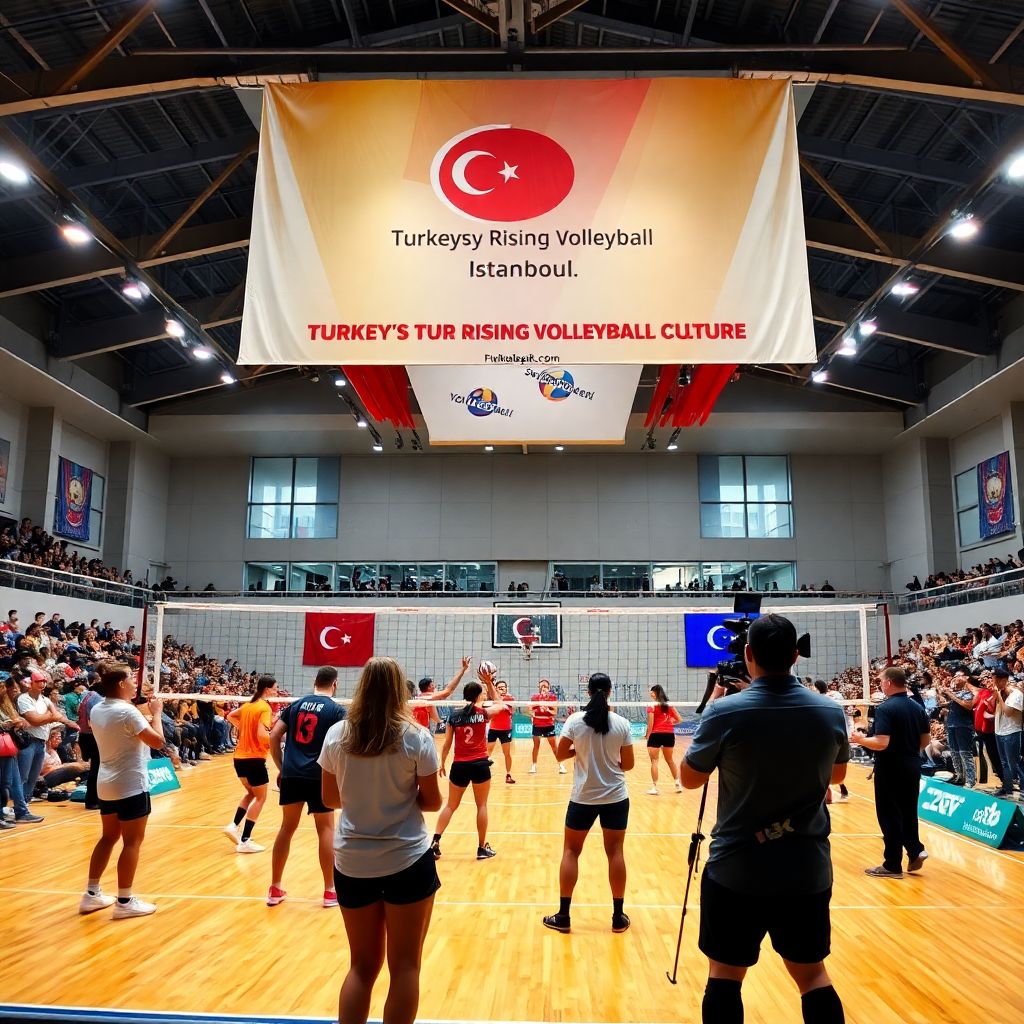
Volleyball is becoming the most popular indoor sport in Turkey because it perfectly fits urban lifestyles, mixed‑gender play, and year‑round participation, while enjoying strong federation support, media coverage and successful national teams. Expanding indoor volleyball courts across Turkey, rising club culture, and accessible training pathways make it easy for beginners and serious athletes to join.
Core drivers behind volleyball’s surge in Turkey
- Volleyball is easy to start, low‑contact, and attractive for mixed‑gender and family play.
- Success of Turkish women’s and club teams has turned volleyball into a national pride project.
- Rapid growth of indoor volleyball courts in Turkey, schools and universities creates daily access.
- Media, streaming and sponsorships give volleyball constant visibility beyond big tournaments.
- Structured academies, volleyball training camps in Turkey and pro leagues offer clear progression.
- Community clubs and urban youth see volleyball as social, Instagram‑friendly and safe.
- Indoor play suits Turkey’s climate, busy schedules and the rise of modern sports centers.
Debunking myths that underestimated volleyball’s appeal
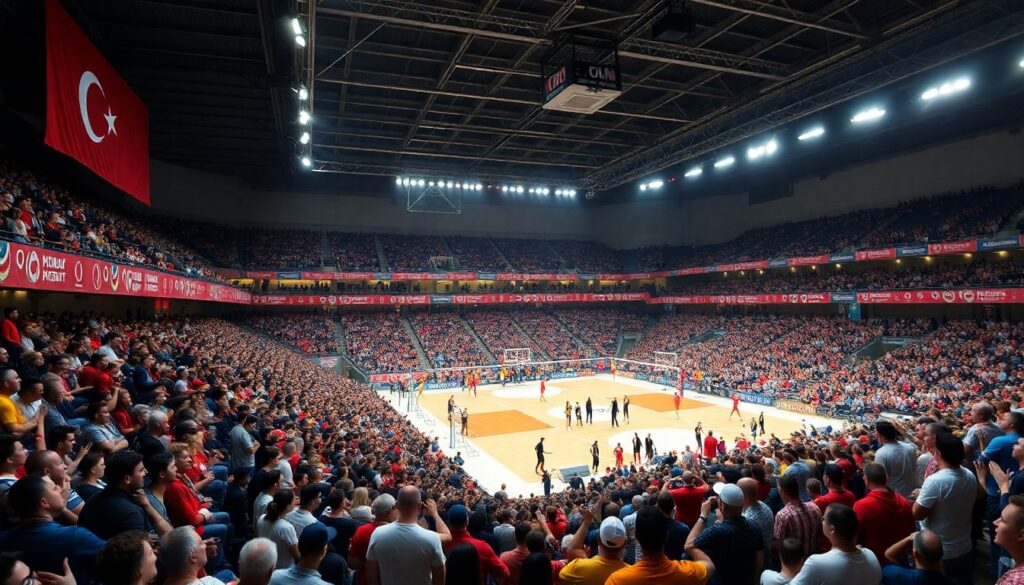
A common myth in Turkey is that volleyball is only a “school sport” and cannot compete with football or basketball for real fan passion. In practice, packed arenas for women’s and men’s league matches, intense fan groups and strong club identities show a deep, club‑style culture around volleyball.
Another misconception is that indoor volleyball is hard to access and requires elite facilities. Today, public and private indoor volleyball courts in Turkey range from municipal halls in Anatolian cities to modern complexes inside shopping malls and university campuses. Urban residents can book a court, join a recreational league or attend a beginner clinic with little equipment.
Many parents still assume volleyball is “for girls only” and that boys will not take it seriously. Yet mixed‑gender school leagues, university intramurals and growing interest among male youth contradict this. Turkish television and streaming now show both women’s and men’s leagues, normalising volleyball as a sport for all.
Finally, there is the idea that volleyball is not commercially attractive. Sponsorship portfolios of leading Turkish banks, telecoms and airlines tell a different story: they back top clubs and major events because volleyball offers family‑friendly audiences, predictable indoor scheduling and high TV production quality, particularly in the best indoor sports centers in Turkey.
Historical and cultural shifts that paved the way
Older narratives claimed that volleyball’s popularity in Turkey was accidental, tied to a few strong generations of players. In reality, its rise is linked to clear historical and cultural shifts that changed how Turks relate to indoor sports and gender in sport.
- Expansion of public education and school sports – As more schools adopted indoor gyms, volleyball became the most practical team sport to organise for large mixed classes, embedding basic skills across generations.
- Urbanisation and mall culture – Migration into big cities concentrated people near multi‑purpose halls, fitness clubs and shopping‑mall arenas, pushing indoor volleyball as a safe, central option for youth and families.
- Rise of women’s empowerment narratives – Successful women’s teams aligned with broader discussions about women’s visibility in public life, turning volleyball into a symbol of modern Turkish identity.
- Club diversification – Traditional football clubs in Istanbul, Ankara and Izmir strategically invested in volleyball branches, using their fan bases and infrastructure to grow elite and grassroots participation.
- Media professionalisation – As sports channels and streaming platforms sought regular indoor content, volleyball offered frequent, predictable fixtures that fit primetime schedules.
- Shift from outdoor to structured leisure – Parents prioritising safety and academic alignment preferred supervised, coach‑led indoor sports over unsupervised street games or informal outdoor play.
Investment and infrastructure: courts, clubs and school programs
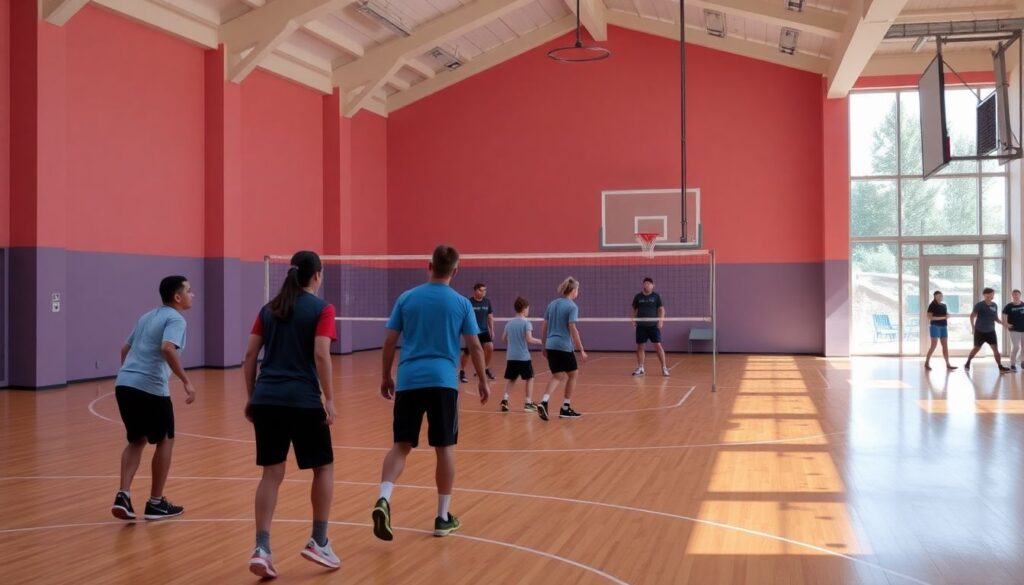
The myth here is that “only big cities have real volleyball infrastructure”. While Istanbul and Ankara still dominate, investment has spread through medium‑sized cities, private schools and municipal sports complexes, changing where and how people can play.
-
School gyms becoming community hubs
Many public and private schools open their halls after class for local groups. Evening social leagues, parent‑child sessions and alumni tournaments help entire districts treat volleyball as the default indoor sport. -
Professional and semi‑pro clubs
Established volleyball clubs in Istanbul and other cities run youth academies, amateur teams and weekend events. Fans who come to watch league games see pathways for their children, from minis to professional squads. -
Commercial sports centers and malls
The best indoor sports centers in Turkey bundle volleyball courts with fitness, cafés and coworking areas. This “sport + lifestyle” model attracts working professionals who want to play after work, then socialise without changing venues. -
University facilities and intramurals
Universities invest in large multipurpose halls, where volleyball dominates mixed‑faculty tournaments and Erasmus‑friendly events. This creates strong habits among young adults, especially international‑minded students. -
Seasonal and elite volleyball training camps in Turkey
Coastal regions, mountain resorts and university campuses host holiday camps and pre‑season preparation. Teams from Turkey and abroad train together, raising technical standards and offering aspiring players a taste of professional routines. -
Accessible options for casual players
For people simply asking where to play volleyball indoors in Turkey, booking apps, city sports portals and club WhatsApp groups now list open gym times, drop‑in sessions and mixed‑level scrimmages.
Media, broadcasting and sponsorship transforming visibility
Some assume media exposure for volleyball is limited to rare international finals. In reality, domestic leagues, European cups and even youth tournaments are now widely covered, turning volleyball into a consistent on‑screen presence that rivals other indoor sports.
Expanding advantages driven by visibility
- Regular TV and streaming slots – Weekly fixtures create routine viewing habits, helping families, children and casual fans follow teams throughout the season.
- Highlight‑ready rallies – Short, intense points and spectacular digs translate perfectly into social‑media clips, making volleyball naturally shareable.
- Positive brand alignment – Sponsors value volleyball’s clean image, gender balance and family‑friendly arenas, which differs from some more aggressive fan cultures.
- Role models for both genders – High‑profile Turkish stars on local and European stages offer clear role models for girls and boys, reinforcing participation.
- Support for local venues – Broadcast deals help professionalise small halls, pushing improvements in lighting, seating and fan experience in indoor volleyball courts across Turkey.
Current constraints and structural challenges
- Uneven regional coverage – Smaller cities still receive limited local media, so their clubs struggle to attract sponsors despite strong participation.
- Scheduling competition – Volleyball must fight for primetime against football, international basketball and non‑sport TV formats popular in Turkish households.
- Over‑reliance on a few star clubs – Visibility often concentrates on top Istanbul teams, while mid‑table and lower‑league clubs remain under the radar.
- Limited storytelling around grassroots – Youth academies, school stories and community programs rarely reach national media, weakening the sense of a full ecosystem.
- Sponsorship volatility – Economic fluctuations can make long‑term sponsorship deals fragile, affecting continuity in some professional structures.
Talent pipelines: coaching, academies and professional pathways
There is a stubborn belief that volleyball stars appear “naturally” and that coaching or structure matters little. In reality, Turkey’s rise is closely tied to systematised talent development, yet several recurring mistakes and myths still slow progress.
-
Over‑focusing on height alone
Myth: only very tall children can become professionals. Reality: while height helps in some positions, elite teams also need liberos, setters and defensive specialists. Over‑filtering by height at early ages reduces the talent pool unnecessarily. -
Late investment in coaching education
Mistake: clubs spend on facilities but cut corners on coach training. Well‑designed coaching courses, mentorship and video analysis are essential for turning promising juniors into elite athletes. -
Ignoring school-club coordination
Myth: good players will “find a club anyway”. Without structured communication between PE teachers and nearby academies, many talented students never move beyond school‑level play. -
Under‑using volleyball training camps in Turkey
Camps are sometimes treated as holiday activities rather than high‑intensity development blocks. When planned with clear objectives, they accelerate tactical understanding, physical preparation and team cohesion. -
Narrow view of career outcomes
Many families imagine only superstar careers. In practice, volleyball offers multiple roles: professional and semi‑pro athletes, coaches, referees, analysts, strength trainers and club managers. -
Underestimating mental skills
Talent programs still focus heavily on physical and technical drills, while mental toughness, communication and pressure management receive less systematic attention.
Social dynamics: gender participation, community clubs and urban youth
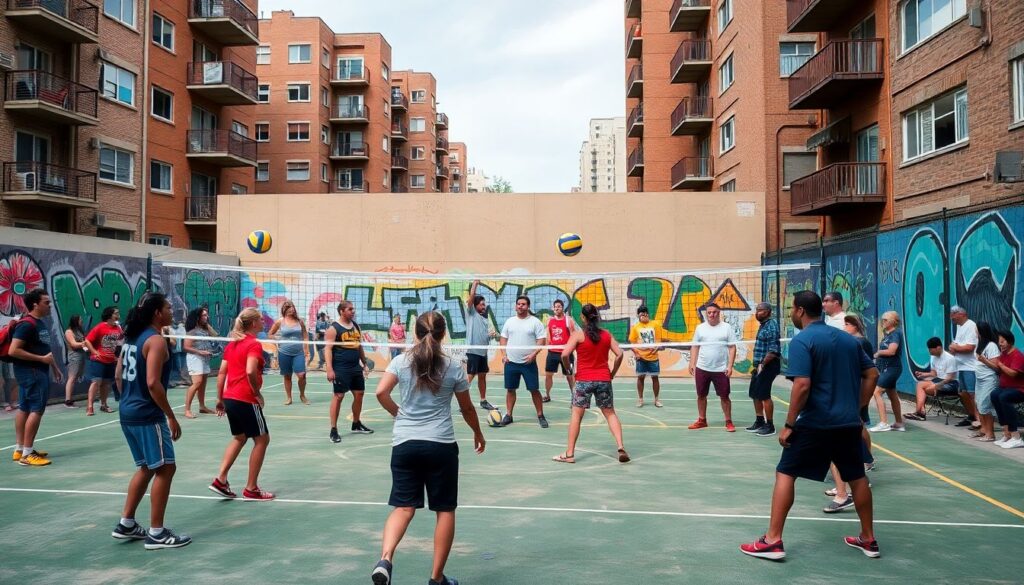
Some still claim that volleyball’s success is “only about women’s teams” or “just a temporary youth trend”. On the ground, mixed community clubs, public courts and cross‑age leagues show a broader social shift where volleyball acts as a safe, inclusive meeting point, especially in dense urban areas.
Mini‑scenario 1 – After‑work professionals in Istanbul: A group of colleagues searches for where to play volleyball indoors in Turkey near their office. They find one of the many volleyball clubs in Istanbul running weekday evening sessions at a central gym. They book a court through an app, play two hours, then stay for coffee in the same complex.
Mini‑scenario 2 – High‑school student in Ankara: A 15‑year‑old girl discovers volleyball in PE class. Her teacher connects her with a local club that trains three times per week at a municipal hall. After a summer at one of the regional volleyball training camps in Turkey, she moves into a youth league team, balancing school and sport.
Mini‑scenario 3 – Family weekend in Izmir: Parents want a shared activity with their teenage son and younger daughter. They visit one of the best indoor sports centers in Turkey located inside a shopping mall. While the kids join a mixed beginner volleyball clinic, the parents participate in a parallel adults group on the next court, then the family has dinner together on site.
Mini‑scenario 4 – University friends in Bursa: An Erasmus student and local classmates form a mixed team for a campus league. Practices take place in university indoor volleyball courts Turkey has upgraded recently. After the semester, some join a local community club to continue playing year‑round, keeping international connections alive through sport.
Concise clarifications on frequent doubts
Is volleyball really overtaking other indoor sports in Turkey?
Volleyball is not eliminating other sports, but its participation, media visibility and club investment have grown fast enough that it now rivals or exceeds most indoor options in many cities. Women’s volleyball in particular is becoming a flagship discipline.
Where can beginners find places to play volleyball indoors in Turkey?
Beginners can start at school or university gyms, municipal sports halls, commercial centers and community clubs. Searching city sports portals or social networks for indoor volleyball courts Turkey commonly lists will reveal open gyms, beginner courses and mixed social leagues.
Are volleyball clubs in Istanbul only for elite players?
No. While some volleyball clubs in Istanbul are famous for their professional teams, most run broad programs, from kids’ fundamentals to adult recreational groups. Many offer trial sessions so newcomers can test the environment before committing.
How expensive is it to join a volleyball program in Turkey?
Costs vary widely depending on club prestige, location and level. Municipal and school‑based programs are usually more affordable, while private academies and top clubs charge higher fees but often include extra services like fitness, nutrition or language support.
Do boys have the same opportunities as girls in Turkish volleyball?
Opportunities for girls are more visible, but boys also have increasing options through school teams, club academies and mixed development programs. Awareness is improving, and more families are now open to enrolling boys in volleyball from a young age.
Can adults with no experience start playing volleyball?
Yes. Many centers and clubs run beginner‑friendly adult groups, focusing on basic techniques and fun scrimmages rather than strict competition. Adult leagues at universities and community halls also welcome late starters.
Are short holiday volleyball training camps in Turkey worth it?
They are useful when they combine good coaching, appropriate group levels and clear goals. Camps alone will not create a professional player, but they can significantly boost skills, motivation and exposure to higher playing standards.