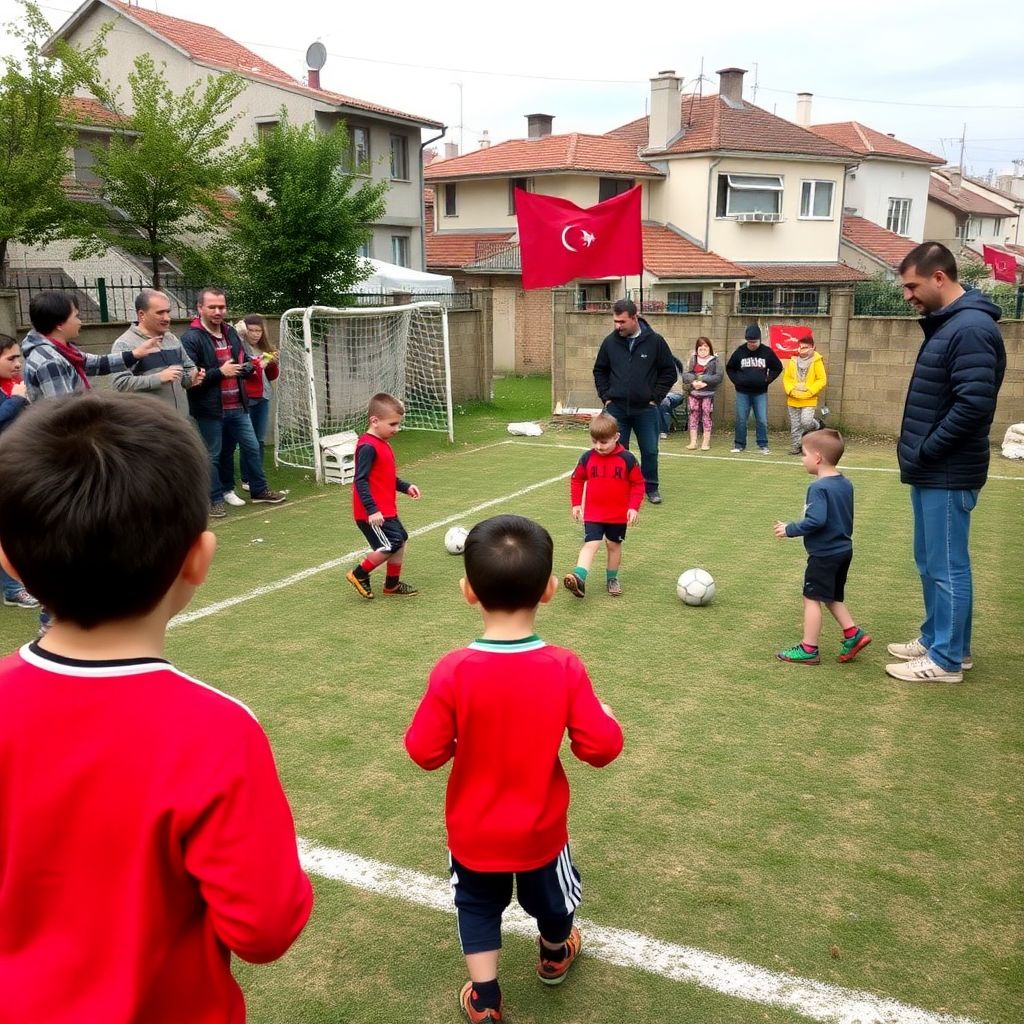
Local grassroots football clubs in Turkey shape the future of the game by giving children safe, structured access to play, coaching and competition, building a bridge from streets and schools to football academies in Turkey and professional pathways. With clear governance, affordable training, and community support, even small neighbourhood clubs can systematically develop future players and better citizens.
Core Principles Guiding Local Football Development
- Start from participation and safety first; performance comes later.
- Align with TFF regulations and municipal rules before launching any activity.
- Design clear pathways from mini-football to older age groups and, where possible, into football academies in Turkey.
- Invest in coach education, not just facilities and kits.
- Keep costs transparent and as low as possible for families.
- Measure progress with simple, visible indicators (attendance, retention, progression).
- Build relationships with schools, municipalities and local businesses from day one.
Mapping Turkey’s Grassroots Ecosystem: Clubs, Federations, and Communities
Local actors interact in a layered ecosystem: neighbourhood teams, school sides, municipal sports centres, youth football clubs in Turkey, regional TFF branches and professional academies. Understanding who does what helps you avoid duplication, legal issues and wasted resources.
This approach is suitable if you want to:
- Start or formalise a local club in your district or municipality.
- Upgrade a school or community team into a structured program linked to grassroots football development programs Turkey.
- Create partnerships with existing best football training camps in Turkey for seasonal or elite development support.
- Offer safe, low-cost alternatives to unregulated street or cage football.
It is better not to jump into full club creation when:
- You have no adults willing to take legal responsibility and comply with TFF/municipal requirements.
- There is an existing, well-run local club that can absorb your players through cooperation instead of competition.
- You cannot guarantee minimum safety standards (pitch condition, supervision, first aid access).
- Your primary aim is quick profit rather than sustainable, child-centred development.
Mini case: In a mid-size Anatolian town, a school PE teacher first mapped all youth football clubs in Turkey within 10 km. Instead of founding a new club, he negotiated priority slots and fee discounts at an existing club, creating a joint school-club pathway that reduced costs and bureaucracy.
Building Sustainable Youth Pathways: Talent Identification, Coaching, and Retention
Before building pathways, confirm what you already have and what you must add. At minimum, you will need:
- Organisational basics
- Registered association or club structure, compliant with TFF and local authority rules.
- Clear roles: president, technical director, youth coordinator, safeguarding officer.
- Simple written policies: code of conduct, selection/playing-time policy, fee policy, complaint process.
- Human resources for coaching and support
- Coaches with at least entry-level TFF licenses for competitive age groups.
- Assistant coaches or volunteers for large groups and younger children.
- Basic medical support: first-aid trained staff, access to a local clinic, emergency contacts.
- Pathway design tools
- Age-group structure (e.g., U7, U9, U11, U13, U15, U17) with written objectives for each stage.
- Calendar of training, local leagues and friendly matches aligned to school terms.
- Relationships with nearby football academies in Turkey for top-talent referral, and with municipal sports offices for broad participation events.
- Monitoring and communication tools
- Attendance and performance tracking (spreadsheet or simple club software).
- Parent communication channels (WhatsApp groups with clear rules, noticeboards, newsletters).
- Basic data protection practice: do not publish full personal information, manage photo permissions.
To keep players engaged over years, connect grassroots football development programs Turkey with visible milestones: internal tournaments, captaincy roles, trips to professional matches, and occasional visits from professional football scouting Turkey youth players to motivate and educate your squads.
Facility and Resource Planning for Local Clubs on a Limited Budget
Before any step-by-step planning, recognise key risks and limitations so you can design safe, realistic solutions:
- Facility safety risk: Poor artificial turf, broken fences or inadequate lighting can cause injuries and liability issues.
- Financial over-commitment: Signing long, expensive pitch-rental contracts without stable income may collapse the club within a season.
- Access inequality: High fees or distant locations limit participation, undermining your mission.
- Regulatory non-compliance: Using unapproved facilities or ignoring noise and zoning rules can lead to closure by authorities.
- Over-reliance on one sponsor: Losing a single funder can disrupt all grassroots activity at once.
Use the following conservative, safety-first process to build facilities and resources step by step.
- Clarify your minimum viable facility needs
List “must-have” versus “nice-to-have” items.- Must-have: safe pitch (even shared), basic goals, balls, bibs, cones, lighting for evening sessions, toilets and drinking water.
- Nice-to-have: club office, stands, video equipment, gym, club bus.
- Map available public and semi-public options
Before renting or building, check:- Municipal pitches and sports complexes with youth-friendly prices.
- School pitches available after class hours via cooperation protocols.
- Private cages or fields willing to discount for long-term, off-peak bookings.
- Run a basic cost-revenue scenario
Calculate realistic monthly income and compare with minimum facility costs.- Estimate membership fees at conservative numbers of players, including discounts and hardship cases.
- Include other income only when reasonably certain (confirmed sponsor, municipal grant, tournament revenues).
- Aim to cover core facility costs using only 60-70% of expected income to keep a safety margin.
- Negotiate safe, flexible pitch access
Prioritise short, renewable contracts with clear terms.- Seek trial periods before long commitments.
- Include clauses for maintenance responsibilities and safety standards.
- Ask municipalities for written confirmation of access hours and costs.
- Phase equipment purchases
Start with essentials and expand later.- Phase 1: balls, bibs, cones, pumps, basic first-aid kit.
- Phase 2: portable goals, ladders, hurdles, storage boxes.
- Phase 3: video tools, GPS/heart-rate tools (if needed for elite groups).
- Use shared and donated resources
Reduce risk by not owning everything at once.- Share facilities or equipment with nearby youth football clubs in Turkey where schedules allow.
- Organise kit donation campaigns with local businesses and families.
- Partner with best football training camps in Turkey for occasional specialist sessions on their facilities instead of building your own advanced infrastructure.
- Put in place safety and maintenance routines
Protect players and assets with regular checks.- Weekly pitch inspection checklist (holes, glass, goalpost stability, lighting).
- Monthly equipment review (damaged balls, sharp edges, worn bibs).
- Document incidents and repairs to show due diligence to parents and authorities.
- Create an annual facility improvement plan
Plan small, realistic upgrades every season.- Set 1-2 priority investments per year (e.g., extra lighting, extra mini-goals).
- Link each upgrade to specific fundraising efforts or sponsorship packages.
- Review progress publicly at the end-of-season meeting to keep trust.
Coaching Curriculum: Practical Modules for Technical, Tactical and Personal Growth
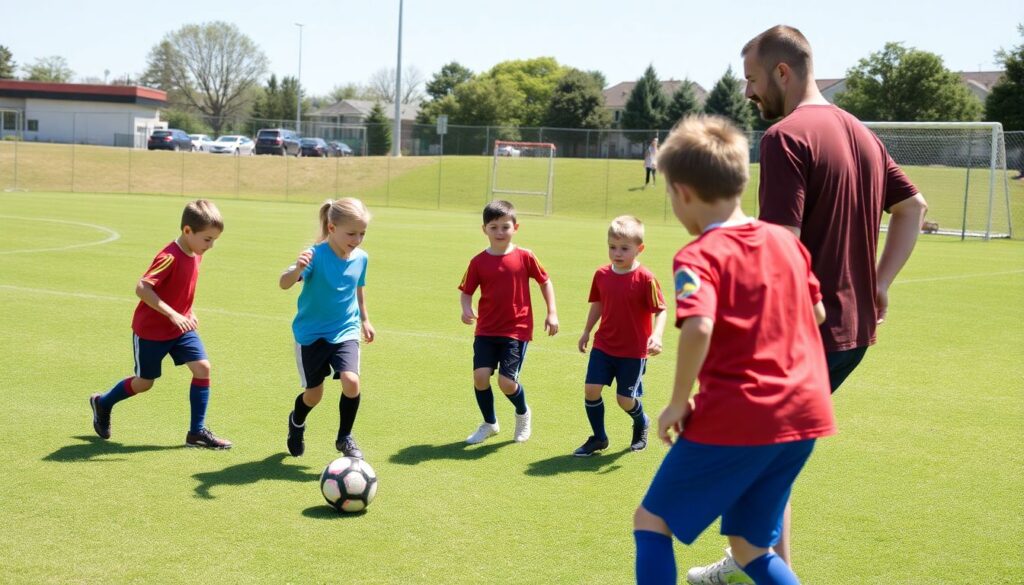
Use this checklist to verify that your coaching curriculum supports both football quality and safe, balanced development.
- Every age group has written, age-appropriate objectives covering technical, tactical, physical and psychosocial skills.
- Sessions for U7-U11 prioritise ball mastery, 1v1s and small-sided games over complex team tactics.
- U13-U17 training gradually introduces team structures, pressing, build-up play and transition principles.
- Each weekly micro-cycle includes at least one session focused on decision-making, not just fitness or drills.
- The curriculum contains explicit modules on fair play, respect, dealing with mistakes and resilience.
- Training loads are adjusted around school exams and tournaments to avoid burnout.
- Coaches record attendance, key themes and notable player progress after each session.
- Goalkeepers receive specific training time rather than being left alone or used as extra outfield players.
- Parents receive a simple explanation of the curriculum so they understand why children are rotated and not early specialised.
- Once or twice a year, invited professionals (e.g., staff involved in professional football scouting Turkey youth players) give talks about realistic career pathways, education and life skills.
Club Governance, Funding Models and Risk Management Practices
Common governance and funding mistakes quietly damage grassroots football development programs Turkey. Avoid these typical errors:
- Operating informally without legal registration, written statutes or clear leadership structure.
- Mixing club money with personal accounts, making transparency and auditing impossible.
- Relying on one wealthy individual or company for almost all funding without backup plans.
- Setting fees without considering local income levels, leading to exclusion and resentment.
- Failing to sign written agreements with coaches, volunteers and partners, causing conflicts over responsibilities and payment.
- Ignoring child safeguarding: no background checks, no reporting channels, no education on acceptable behaviour.
- Not purchasing basic insurance (civil liability, accident cover) for training and matches.
- Lack of documented emergency protocols for injuries, extreme weather or transport incidents.
- No regular financial reporting to members and parents, reducing trust and sponsorship potential.
- Making selection and playing-time decisions non-transparent, creating perceptions of favouritism or corruption.
Measuring Impact: Metrics, Monitoring and Evaluation for Grassroots Programs
Different clubs and municipalities can choose among several practical evaluation alternatives, depending on resources and goals.
- Simple attendance and retention tracking
Best for small community teams with limited admin capacity. Track how many players join, how many remain each season, and basic reasons for quitting. This highlights issues with coaching, schedule or cost early. - Player development and progression mapping
Suitable for more structured youth football clubs in Turkey, especially those feeding into football academies in Turkey. Track technical evaluations, physical benchmarks and transitions to higher squads, regional selections or professional academies. - Community impact and inclusion surveys
Useful when working with municipalities or NGOs. Short annual surveys for players and parents measure changes in confidence, social inclusion, school engagement and perceived safety. - Partnership-based evaluation with professional entities
When a club collaborates with best football training camps in Turkey or professional football scouting Turkey youth players, shared evaluation frameworks can be used: scouting reports, trial invitations, feedback sessions, and benchmarks compared to regional averages.
Practical Answers to Common Implementation Challenges
How can a small neighbourhood club start with almost no budget?
Begin by using school or municipal pitches and borrowing or sharing equipment. Focus on volunteer coaches, low-cost registration and simple internal leagues. Document your impact early to approach local businesses and the municipality for small, targeted sponsorships or grants.
What is the safest way to work with private football academies in Turkey?
Sign written cooperation agreements that define fees, training responsibilities, data use and player ownership clearly. Keep your grassroots program focused on mass participation while the academy offers optional extra sessions or scouting, ensuring no child is forced or misled about professional chances.
How do we handle parents pushing too hard for results and selection?
Publish your development philosophy and selection criteria, and explain them at the start-of-season meeting. Provide regular individual feedback and create clear communication rules for match days. Remind parents that long-term growth and safety matter more than short-term scores.
What if we cannot find enough licensed coaches immediately?
Pair at least one licensed coach with motivated assistants and volunteers, and invest in their education over time. Limit group sizes to maintain safety and quality, and prioritise younger age groups for licensed oversight until your coaching pool grows.
How can we keep teenagers from dropping out around exam years?
Adapt training schedules during key academic periods and coordinate with schools. Offer shorter, high-quality sessions, mentoring on time management, and visible roles such as youth leaders or assistant coaches to keep teenagers engaged even when they train less.
How do we approach professional football scouting Turkey youth players without destabilising our club?
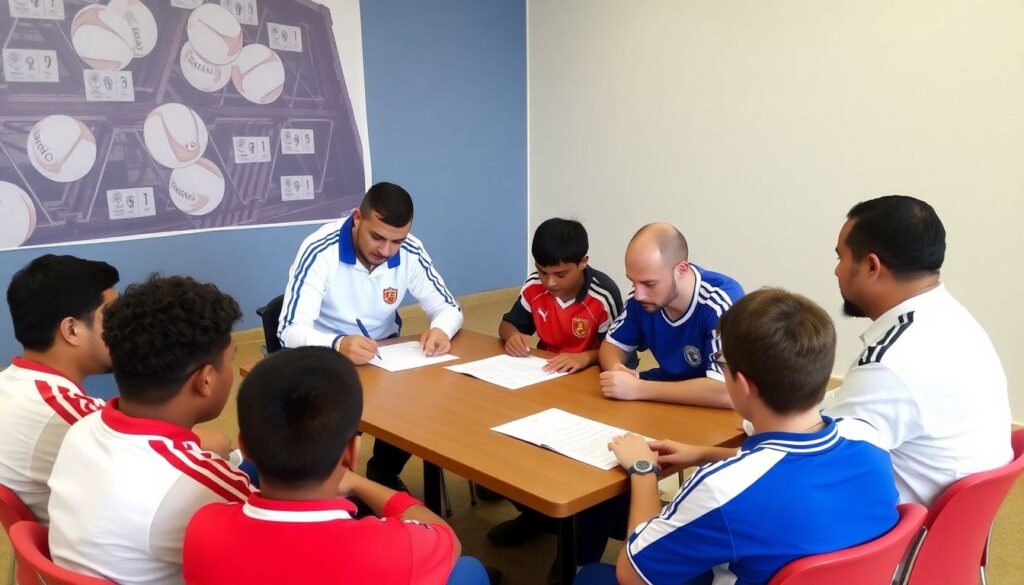
Establish transparent rules for trials and transfers, agreed with parents and players. Build relationships with several clubs rather than only one, and negotiate educational and welfare guarantees for any player who moves, ensuring fair recognition and, where applicable, training compensation.
What should we do when our main sponsor wants too much influence?
Refer to clear written sponsorship contracts that separate financial support from technical and selection decisions. If demands become unreasonable or unsafe for children, look for diversified funding rather than compromising your club’s integrity and governance standards.