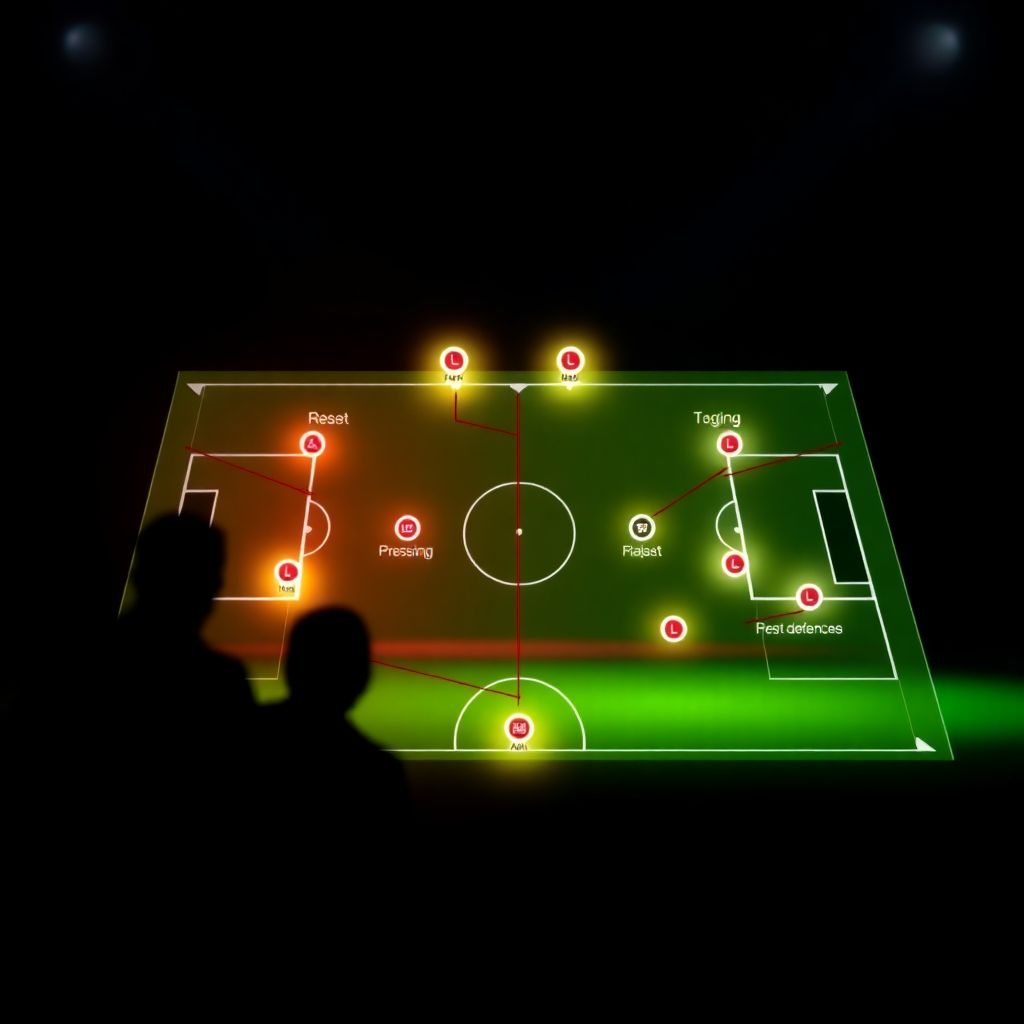
Süper Lig teams are increasingly using pressing, structured build-up, flexible full-back roles, and data-led preparation to align with modern football tactics. Understanding these Turkish Süper Lig tactical trends means reading how pressing height, rest-defense, midfield structure, and set-pieces connect. This guide offers practical Süper Lig tactics analysis plus a simple algorithm to review tactical results after matches.
Debunking Myths About Süper Lig Tactical Evolution
- Süper Lig clubs are not stuck in the past; many now mirror leading European pressing and build-up models while adapting to local squad profiles.
- Long-ball football still exists, but it is usually a deliberate, situational tool, not the default game model.
- Pressing is rarely pure “all or nothing”; Turkish sides often mix high, mid and low blocks within the same match.
- Full-backs are no longer just defenders; their width and interior movements are vital to how Süper Lig teams play modern football.
- Analytics are present even in mid-table clubs, most visibly in set-piece planning and substitution decisions.
Pressing Philosophies: How Turkish Clubs Adopt and Adapt Gegenpressing
Myth: “Süper Lig teams cannot sustain gegenpressing because the league is too chaotic.” In reality, many clubs now use structured pressing triggers, then selectively apply gegenpressing (immediate pressure after losing the ball) in zones where they feel numerically secure.
In this context, gegenpressing means trying to win the ball back within the first seconds after losing it, instead of retreating. In recent Süper Lig tactics analysis, top clubs often press high against weaker build-up sides, then drop into a compact mid-block against opponents with strong ball-playing centre-backs.
For example, a front three may curve their runs to force play wide, while the number 10 screens the opposition pivot. When the ball is played into a full-back, that becomes the pressing trap: winger, full-back, and closest midfielder jump together, aiming to either regain the ball or force a rushed long pass.
This flexible approach to pressing helps explain modern football tactics Süper Lig coaches prefer: they borrow the principles of gegenpressing but adapt the intensity, height, and triggers to their squad’s physical and technical profile, as well as to match tempo, climate, and fixture congestion.
Building from the Back: Goalkeeper and Centre-Back Responsibilities in Modern Systems
Myth: “Short build-up is only for elite European leagues; in Turkey it always leads to mistakes.” In practice, more clubs now start attacks with controlled passes from the goalkeeper, but with clear escape plans when pressure becomes unsafe.
- Goalkeeper as first playmaker – The keeper positions outside or on the edge of the box, offering short passes to both centre-backs and the pivot. Their main tasks are to fix the first pressing line and choose the safer side, not to play constant risky vertical balls.
- Centre-backs creating the first line of superiority – In a back four, they split wide; in a back three, the central defender stays behind to give stability. Their role is to carry the ball forward until they attract pressure, then release into midfield or full-backs.
- Pivot dropping between or beside centre-backs – The defensive midfielder often drops to form a temporary back three against two opposition forwards, creating a simple 3 v 2 numerical superiority to break the first line of press.
- Asymmetric full-backs – One full-back may stay low to form a three or four-player rest-defense, while the opposite full-back pushes high to stretch the opposition line, especially visible in many Süper Lig team analysis 2024 breakdowns.
- Pre-agreed long-ball exits – When pressing traps are triggered, centre-backs and goalkeeper bypass pressure with targeted long passes to a winger or number 9, supported by runners. This ensures “building from the back” is a tool, not an obligation.
- Communication of risk zones – Teams define no-dribble or no-square-pass zones around their own box, helping players decide quickly when to clear, when to pass inside, and when to recycle via the goalkeeper.
Full-Backs, Wing-Backs and Width: Offensive Reconfiguration in the Süper Lig
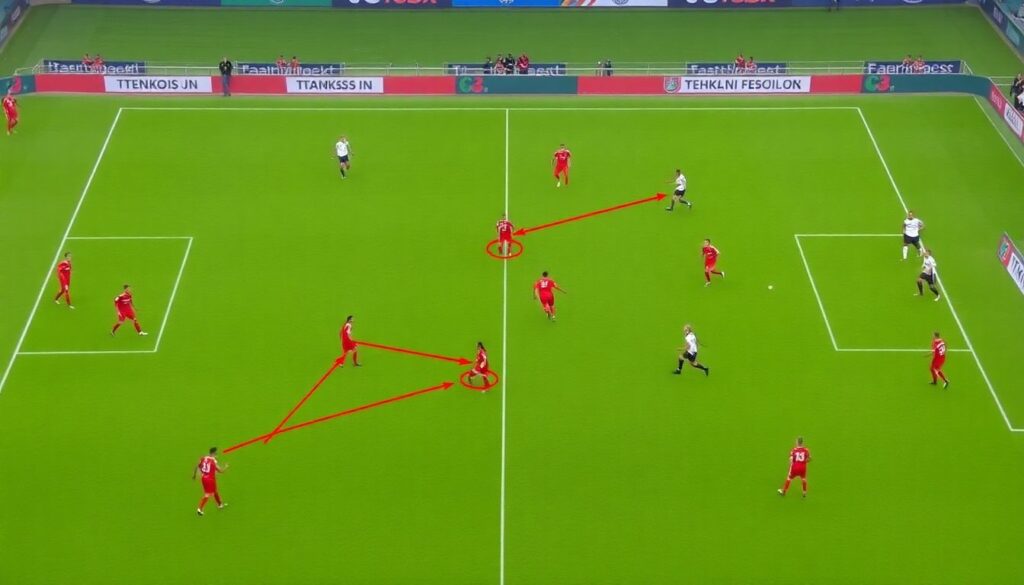
Myth: “Full-backs in Turkey only overlap and cross.” Modern game models use them in varied roles that influence how Süper Lig teams play modern football, especially against deep defenses.
- Classic wide overlap in 4-2-3-1 – Against low blocks, full-backs sprint outside the winger to overload the flank. The winger can then move inside as a second striker or number 10, while the overlapping full-back provides width and crosses.
- Inverted full-back in 4-3-3 – On the strong side of build-up, one full-back moves inside next to the pivot, forming a temporary double-pivot. This stabilizes possession and helps control counter-attacks by keeping an extra player in central zones.
- High and wide wing-backs in 3-4-3 – When using wing-backs, teams often pin the opposition full-backs deep. This creates space between the opponent’s center-back and full-back for inside forwards to attack diagonal passes.
- Underlapping runs into the half-space – Instead of always going outside, some full-backs run between the opposition full-back and centre-back. This underlap confuses marking assignments and opens lanes for cut-backs instead of predictable wide crosses.
- Rest-defense anchor on the far side – When one full-back attacks very high, the far-side full-back stays closer to the centre-backs. This ensures at least three players are ready to defend transitions, a key detail in many Turkish Süper Lig tactical trends.
Midfield Architecture: Roles of the Pivot, Double-Pivot and Number 8
Myth: “More midfielders always means more control.” In reality, shape matters as much as numbers. The choice between a single pivot, a double-pivot, and advanced number 8s defines how a team progresses the ball and protects its defence.
Advantages of common Süper Lig midfield structures
- Single pivot in 4-3-3 – Clear reference for build-up; allows two number 8s to attack half-spaces and arrive in the box; good for teams with a press-resistant holding midfielder.
- Double-pivot in 4-2-3-1 – Extra cover in front of defence; easier to defend transitions; helps one pivot step out to press while the other holds position.
- Hybrid 6/8 in 4-1-4-1 – Two advanced midfielders can press opposition pivots while still dropping to help the single 6, useful in mid-block pressing strategies.
- Box midfield in 3-2-2-3 – Two deeper and two advanced midfielders form a box, creating central overloads between opposition lines, improving short combinations around the box.
Limitations and trade-offs of each configuration
- Single pivot exposure – If wingers do not track back, the lone pivot can be overloaded in defensive transitions, leaving large spaces in front of centre-backs.
- Double-pivot attacking ceiling – Keeping two deeper midfielders can reduce vertical passing options and late runs into the box, leading to sterile possession.
- Advanced number 8s and spacing – When both 8s push high simultaneously, they can crowd the attacking line and disconnect from the pivot, making progression slow or predictable.
- Box midfield width issues – Relying heavily on full-backs or wingers for width can be risky; if they are pinned back, attacks become narrow and easier to defend.
Transitions, Counter-Pressing and Patterned Restarts: Training the Moments That Decide Games
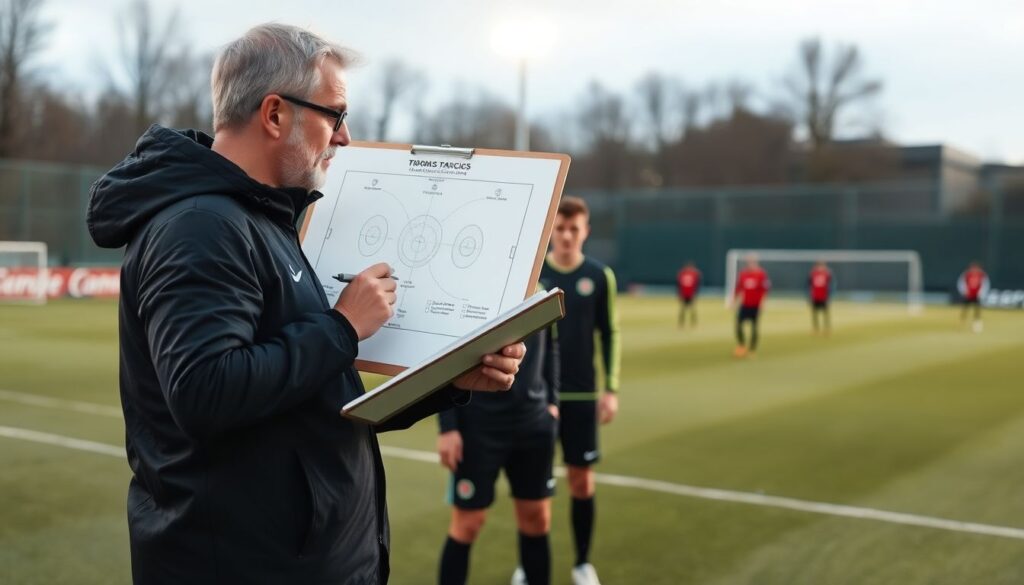
Myth: “Transitions cannot be coached; they are just about instinct and chaos.” Modern Süper Lig coaches design explicit rules for what happens in the first seconds after gaining or losing the ball, often visible on throw-ins and goal-kicks as well.
- Assuming fitness alone solves transition problems – Many think running more will fix counter-attacks, but the core issue is usually starting positions. Poor rest-defense structure leaves too few players behind the ball when possession is lost.
- Ignoring counter-press zones – Some teams try to counter-press everywhere. Effective plans define specific zones (for example, wide attacking third) where immediate pressure is allowed, and other zones where players must instantly drop to a compact block.
- Uncoordinated sprints forward after regaining – After winning the ball, multiple players may run forward into the same channel. Instead, transition schemes assign roles: one depth runner, one wide runner, one supporting player between lines.
- Random short corners and throw-ins – Patterned restarts use pre-agreed passing chains and movements to enter the box or switch play. When these are missing, corners and throw-ins become wasted chances and easy counter-attack starters for the opponent.
- No link between pressing and set-pieces – High-pressing teams sometimes forget that aggressive set-piece positioning (for second balls) must match their pressing style; otherwise they concede counters from their own dead balls.
Data, Video and Set-Piece Innovation: Analytics Transforming Match Preparation
Myth: “Analytics are only for big European clubs.” In practice, even smaller teams in Turkish football now use basic event data and video to plan set-pieces, opposition presses, and substitution timing, shaping how modern football tactics Süper Lig coaches bring to life on match-day.
A common workflow is: analysts identify patterns from recent matches, staff build a limited number of training drills around them, and coaches then use post-match review to check if the tactical ideas worked. This loop is especially visible in targeted Süper Lig tactics analysis focused on corners, free-kicks, and pressing traps.
Below is a compact, field-tested algorithm you can use to check the result of a tactical plan after any match, whether you are doing informal Süper Lig team analysis 2024 or working on an amateur side:
- Define 3-5 tactical objectives before the game – Example: “force opponent to clear long from goal-kicks”, “reach zone 14 through central combinations at least five times”. Keep them observable and simple.
- Tag key moments during or after the match – Using video or notes, mark sequences that involve build-up, final third entries, and set-pieces that relate to your objectives.
- Review only objective-related clips first – Ignore the score initially. For each clip, ask: Did our structure and decisions match the plan? If not, was it due to execution (technical) or idea (tactical)?
- Summarise outcomes in a short checklist – For every objective, note: “Achieved consistently”, “Partially achieved”, or “Not achieved”, plus one clear reason why (spacing, timing, communication, or roles).
- Turn findings into one next-step drill per objective – Design a small-sided exercise or set-piece rehearsal that fixes the main problem. Carry only these into the next week, instead of changing the entire game model.
This simple algorithm keeps post-match review aligned with practical training decisions and ensures data, video, and tactical ideas actually improve how your team performs, rather than remaining abstract concepts.
Concise Clarifications on Tactical Implementation and Misconceptions
Are high-pressing strategies realistic for mid-table Süper Lig clubs?
Yes, if the press is selective. Mid-table teams can press high after backward passes or poor touches, then drop to a mid-block in other moments. The key is to define clear pressing triggers and rest-defense structure, not to press nonstop.
Does building from the back always mean short passes inside the box?
No. Building from the back means having a controlled plan for the first phase of possession. That can include short passes, prepared long balls, and third-man combinations. What matters is intention and structure, not always playing short.
How important are full-backs for creating chances in modern Süper Lig teams?
Full-backs are often crucial chance-creators because they decide where the width comes from. Their overlaps, underlaps, or inverted movements open crossing lanes, cut-back zones, and passing options between the lines.
Is a double-pivot more defensive than a single pivot by definition?
Not automatically. A double-pivot gives more coverage in front of the defence, but if both midfielders are aggressive passers, it can still be very attacking. The players’ profiles and instructions matter more than the label.
Can transitions really be trained, or are they just reactions?
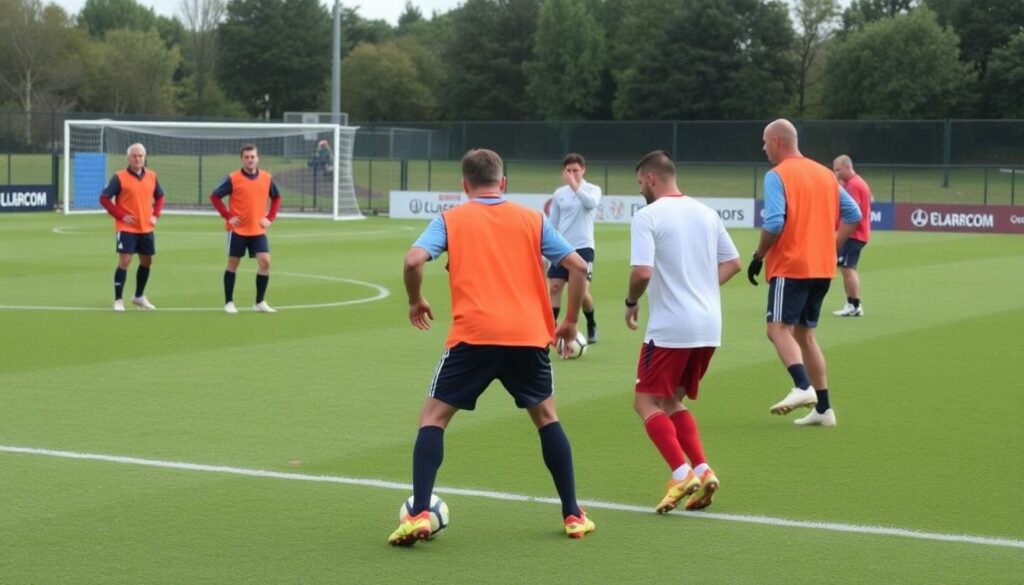
Transitions can absolutely be trained. Coaches rehearse starting positions, first movements after losing or gaining the ball, and simple communication cues. This turns chaotic moments into repeatable patterns that players recognise on the pitch.
How should amateur analysts start with Süper Lig tactics analysis?
Pick one team and one phase of play, such as pressing or set-pieces. Watch two or three matches, take notes on recurring patterns, and compare them with basic tactical concepts. Over time, you can expand to more phases and more teams.
Do analytics replace traditional coaching in the Süper Lig?
No. Analytics support coaching by highlighting patterns, risks, and opportunities. Coaches still design training, manage people, and make final decisions; data simply gives them better information for those decisions.