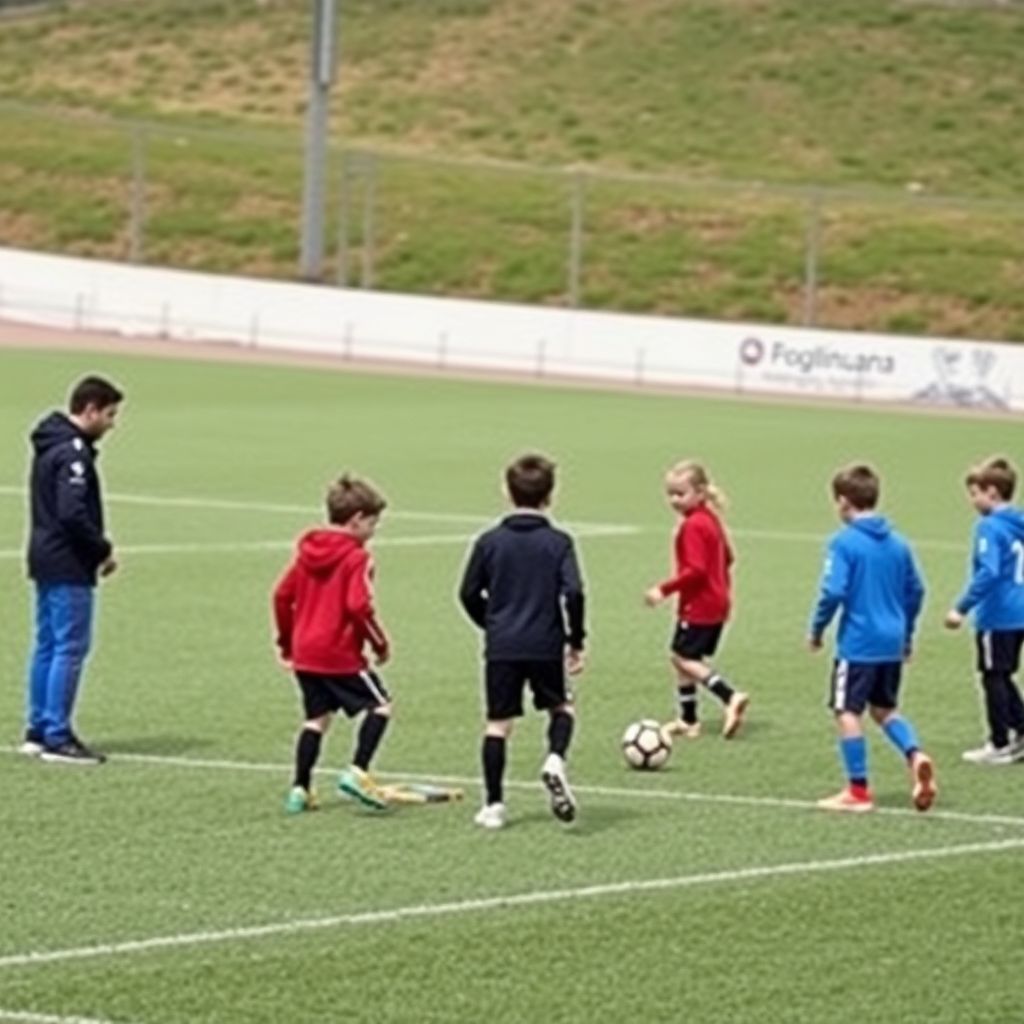
Grassroots football academies in Turkey give children structured coaching, safe facilities and clear pathways into clubs and regional trials. By combining age‑specific training, educated coaches, local scouting and transparent financing, community leaders can build sustainable programs that help young players progress toward professional football training camps in Turkey and beyond.
Essential Insights for Building Grassroots Football Success
- Start small with one safe pitch, a basic schedule and a clear philosophy before dreaming of producing stars.
- Use an age‑specific curriculum; children under 12 need fun, repetition and coordination more than complex tactics.
- Invest early in coach education; well‑trained grassroots coaches multiply impact more than any piece of equipment.
- Design transparent pathways into local clubs, school teams and regional competitions, not just professional contracts.
- Create simple, visible financial rules so families understand the real cost of youth football academies in Turkey.
- Work with municipalities, schools and local businesses to secure facilities, sponsorships and long‑term community backing.
- Review progress every season using clear KPIs: player retention, training attendance, injury rates and educational outcomes.
Designing a Local Talent Identification and Scouting Framework
Local talent identification is ideal for municipalities, schools or clubs that want to build football academies in Turkey for youth using mostly community players. It is not the best option if you lack safe access to children (school permissions, parent support) or cannot guarantee regular training and safeguarding standards.
Objectives for the scouting framework
- Find motivated players from all neighbourhoods, not only strong teams.
- Detect late developers and not just early‑maturing physically dominant kids.
- Ensure girls and boys both have opportunities to be seen.
- Link scouting directly to a concrete training offer and timetable.
Core actions to set up scouting
- Map local football: schools, informal street pitches, existing clubs and futsal courts.
- Agree with schools on 1-2 talent days per term where your coaches run open sessions.
- Organise monthly open trials with simple, age‑appropriate exercises focused on ball mastery and decision‑making.
- Create a simple player observation form with 5-7 criteria (technique, decision‑making, attitude, coordination, speed, communication, resilience).
- Train volunteers and PE teachers to use the same observation criteria so data stays consistent.
Key performance indicators (KPIs) and timelines
- Within 3 months: at least one scouting event per neighbourhood or school cluster.
- Per season: track how many scouted players remain in the academy after 6 and 12 months.
- Per age group: percentage of players discovered outside existing club structures.
Common risks to manage
- Over‑selecting early maturers and ignoring smaller, technically strong players.
- Political or personal influence in selection; avoid this with written, transparent criteria.
- Scouting more players than you can train properly, creating frustration and drop‑outs.
- Unclear communication with parents about expectations, time commitment and academic priorities.
Quick template: basic scouting log
For each event, record:
- Event: date, location, age group.
- Number of participants, number invited to the academy.
- Short notes on positional needs (defenders, midfielders, forwards, goalkeepers).
- Names of observers and which criteria they used.
Age‑Specific Curriculum and Progressive Skill Development
A clear curriculum keeps training safe, logical and measurable. To design one, prepare the right tools, people and structures before writing any session plans.
What you need before designing the curriculum
- Access to trusted coaching education material (national FA manuals, club methodology books, online courses).
- Clear age bands (for example: U7-U8, U9-U10, U11-U12, U13-U15, U16-U18) that match local school years.
- A simple digital tool for planning and archiving sessions (shared drive, spreadsheet or basic coaching app).
- At least one lead coach responsible for each age band to keep progression consistent.
- Agreement on maximum weekly training loads for each age to avoid overuse injuries.
Core content by age band
- U7-U10 focus: ball mastery, 1v1 situations, coordination, fun games, basic rules, respect for teammates.
- U11-U12 focus: positionless small‑sided games, scanning, passing combinations, basic pressing and transition concepts.
- U13-U15 focus: unit play (defence/midfield/attack), positional roles, physical literacy, match analysis basics.
- U16-U18 focus: game models, tactical flexibility, strength and conditioning, mental preparation for trials and exams.
KPIs and seasonal benchmarks
- Every 8-12 weeks: short technical tests (dribbling, passing accuracy, first touch) adapted to age.
- Each half‑season: coach ratings on game understanding and decision‑making in real matches.
- Annually: player and parent feedback on training enjoyment, perceived improvement and injury experience.
Quick template: one‑page age‑group plan
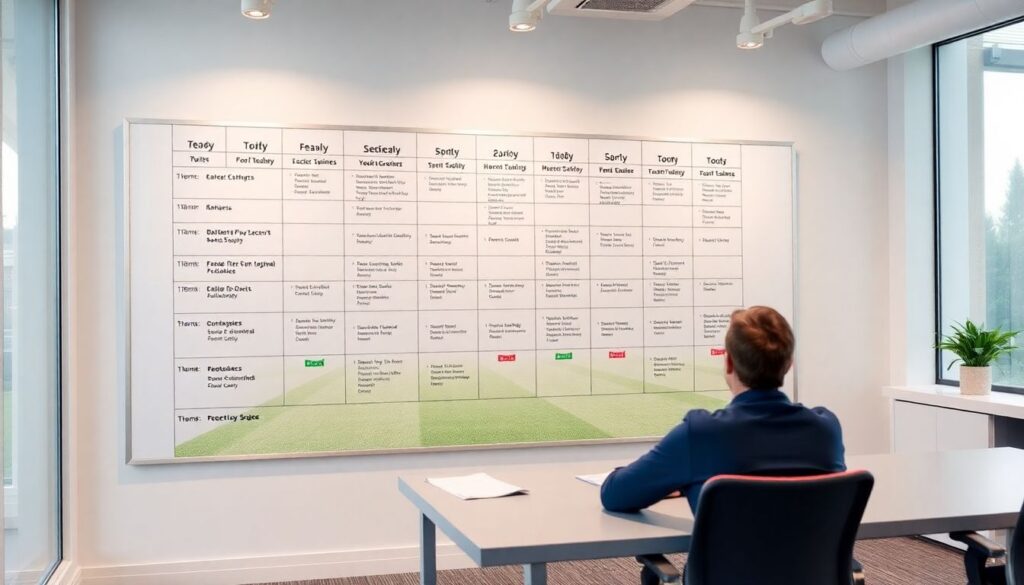
- Age band and weekly schedule (training + matches).
- Main technical themes for the year.
- Main tactical themes for the year.
- Physical and mental skills priorities.
- Assessment dates and methods.
Recruiting, Training and Mentoring Grassroots Coaches
Strong coaches turn simple facilities into powerful learning environments. Build a structured, safe system so even inexperienced volunteers can grow into reliable mentors.
Preparation checklist for working with coaches
- Define coach profiles: volunteer parent, PE teacher, ex‑player, university student.
- Clarify minimum standards: background checks, basic first aid, child protection training.
- Prepare written role descriptions for head, assistant and goalkeeper coaches.
- Choose one education pathway (national FA courses or a specific club methodology) to avoid mixed messages.
- Set fixed dates for internal workshops (for example, once a month).
- Step 1 – Define safe recruitment criteria
Start with safeguarding. Require references, criminal‑record checks where applicable, and a basic interview focused on values and communication with children. Document all checks and renew them on a regular cycle. - Step 2 – Create clear role descriptions
For each role, write 1-2 paragraphs outlining responsibilities, time commitment and supervision. Share this with candidates before they accept so expectations are realistic. - Step 3 – Build an introductory training module
Offer a short induction covering academy philosophy, safety rules, session structure and emergency procedures.- Duration: 1-2 evenings or one weekend.
- Include simple on‑pitch demos and how to organise groups safely.
- Step 4 – Pair new coaches with mentors
Assign every new coach a mentor for at least one season. Encourage them to plan sessions together, debrief matches and review player behaviour cases in a confidential, supportive way. - Step 5 – Schedule regular internal workshops
Once per month, run a 60-90 minute workshop: one technical topic, one pedagogical topic (how to give feedback, how to manage mixed‑ability groups). Collect questions from coaches in advance. - Step 6 – Observe and review coaching sessions
Senior staff should watch each coach on the pitch at least once per term. Use a simple observation sheet (organisation, safety, communication, content) and give written, constructive feedback. - Step 7 – Plan a development pathway for ambitious coaches
Help committed coaches access external courses and visits to the best soccer academies in Turkey for international students or top domestic clubs. In return, ask them to share new knowledge in internal workshops.
Coach development KPIs
- Coach retention per season and reasons for leaving.
- Completion rate of mandatory safety and child protection modules.
- Improvement in session quality scores from observations over the year.
Quick template: monthly coach meeting agenda
- Review of previous month (attendance, incidents, injury overview).
- One shared coaching topic with short practical demo.
- Discussion of specific age‑group challenges.
- Action points and responsibilities for next month.
Creating Safe, Low‑Cost Facilities and Equipment Plans
Facilities do not need to be luxurious to be effective. They must be safe, accessible and maintained with simple routines.
Facility and equipment safety checklist
- Playing surface is even, with no exposed holes, sharp objects or dangerous slopes.
- Goals are firmly anchored and regularly checked; no homemade goals without stability checks.
- There is a clear emergency plan with visible contacts and access for ambulances if needed.
- Basic first aid kits are stocked and easily reachable at every session and match.
- Player equipment rules are enforced: shin guards, appropriate footwear, no jewellery.
- Lighting is sufficient for evening sessions, avoiding dark corners and unsafe walkways.
- Clean drinking water is always available and hydration breaks are integrated into sessions.
- Ball‑to‑player ratio is high enough to avoid long waiting times and dangerous overcrowding.
- Storage areas are organised so heavy goals, poles or weights cannot fall on children.
- Toilets and changing spaces are separated, supervised appropriately and respect privacy.
Low‑cost planning points
- Share facilities with schools or local clubs instead of building new pitches immediately.
- Prioritise spending on safe goals, balls and first aid before cosmetic improvements.
- Use sponsorships or municipal support for durable items (lighting, fencing, artificial turf upgrades).
Establishing Clear Pathways to Clubs, Trials and Regional Competitions
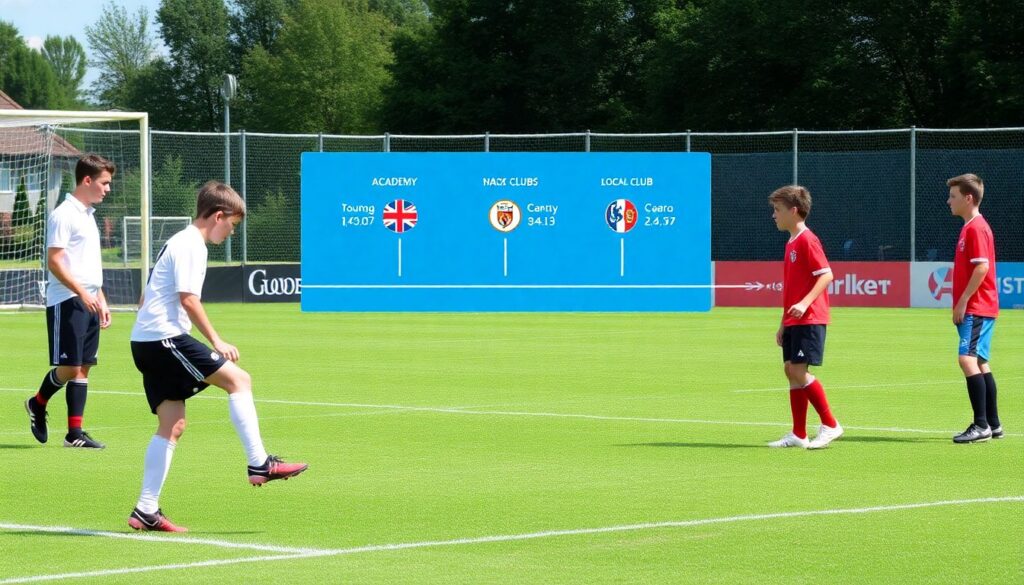
Young players and parents need to see realistic next steps. Pathways should connect your academy to school teams, local clubs and regional trials in an honest, structured way.
Frequent mistakes that block progression
- Promising professional contracts instead of focusing on development, education and enjoyment.
- No written agreement with partner clubs, leading to confusion about player movement and compensation.
- Organising trials without clear criteria or feedback, leaving players and parents frustrated.
- Over‑loading talented players with too many teams and matches, increasing injury and burnout risk.
- Ignoring school competitions, which are often key scouting spaces for clubs and regions.
- Failing to prepare players mentally and practically for trials (sleep, nutrition, travel, realistic expectations).
- Not tracking where former players go, losing valuable data on pathway effectiveness.
- Blocking transfers for financial reasons when a clear higher‑level opportunity appears.
Practical pathway structure
- Define levels: internal teams, school teams, partner amateur clubs, professional academies, regional selections.
- Agree on annual trial windows with partner clubs to reduce constant uncertainty.
- Create short reports for players invited to trials, summarising strengths and growth areas.
Financial Models, Community Partnerships and Transparent Governance
Money should never be a mystery in a grassroots academy. Clear, modest financial models and local partnerships protect both children and staff.
Alternative models for sustainable operation
- Low‑fee, high‑participation community model
Keep fees accessible and focus on volume, using municipal support, school partnerships and small local sponsors. Suitable in dense urban areas where many families can pay a modest monthly fee and share transport. - Mixed scholarship and full‑fee model
Some families pay the full cost of youth football academies in Turkey, while talented low‑income players receive scholarships funded by sponsors. Works well when you have strong links with local businesses and clear selection criteria for aid. - Club‑linked academy model
Operated or co‑branded with an existing club that covers part of the budget in exchange for priority access to top players. Appropriate when a club wants to expand its base without managing all grassroots details alone. - Seasonal camp‑plus‑academy model
Run intensive holiday or weekend events similar to professional football training camps in Turkey to generate extra income and attract players, while a lean year‑round academy operates with lower fixed costs.
Governance and transparency essentials
- Publish annual summaries of income sources and main expenses in simple language.
- Include parents, coaches and community representatives in periodic review meetings.
- Use written policies for fee discounts, scholarships and player transfers.
- Separate the roles of head coach and financial decision‑maker where possible.
Practical Questions and Concise Solutions
How to join a football academy in Turkey safely as a young player?
Check that the academy is registered with local authorities or a recognised club, and ask to see their child protection and first‑aid policies. Visit a training session with a parent, talk to coaches and avoid paying long‑term fees before a trial period.
What should parents look for in football academies in Turkey for youth?
Prioritise safe facilities, qualified and approachable coaches, small‑sided games for younger ages and clear communication about education and behaviour. Ask how they handle injuries, school commitments and progression to local clubs or regional competitions.
Are the best soccer academies in Turkey for international students always the right choice?
Not necessarily; high‑profile names can be attractive, but travel distance, academic support and language barriers matter. For many families, a strong local grassroots academy with good coaching and realistic pathways is more suitable than a distant elite program.
What is a reasonable cost of youth football academies in Turkey for average families?
Costs vary widely by city, facilities and coaching level. Focus less on the exact number and more on transparency: itemised fees, what is included (training, matches, kit, insurance) and whether there are discounts, scholarships or municipal support options.
How can small towns access professional football training camps in Turkey?
Small academies can partner with larger clubs or camp providers to host satellite events, sharing facilities and marketing. Another option is organising annual trips for selected players to established camps, combining football with educational or cultural experiences.
What documents are needed for a child to enrol in an academy?
Common requirements include identification, parent or guardian consent, basic medical information and school details. Some academies also request a simple health check from a doctor, especially before higher training loads or competitive seasons.
How can academies balance football with school obligations?
Align training times with school schedules, avoid late‑night sessions on weekdays for younger players and communicate with teachers when tournaments affect attendance. Encourage families to treat exams as non‑negotiable and adjust football loads during key academic periods.