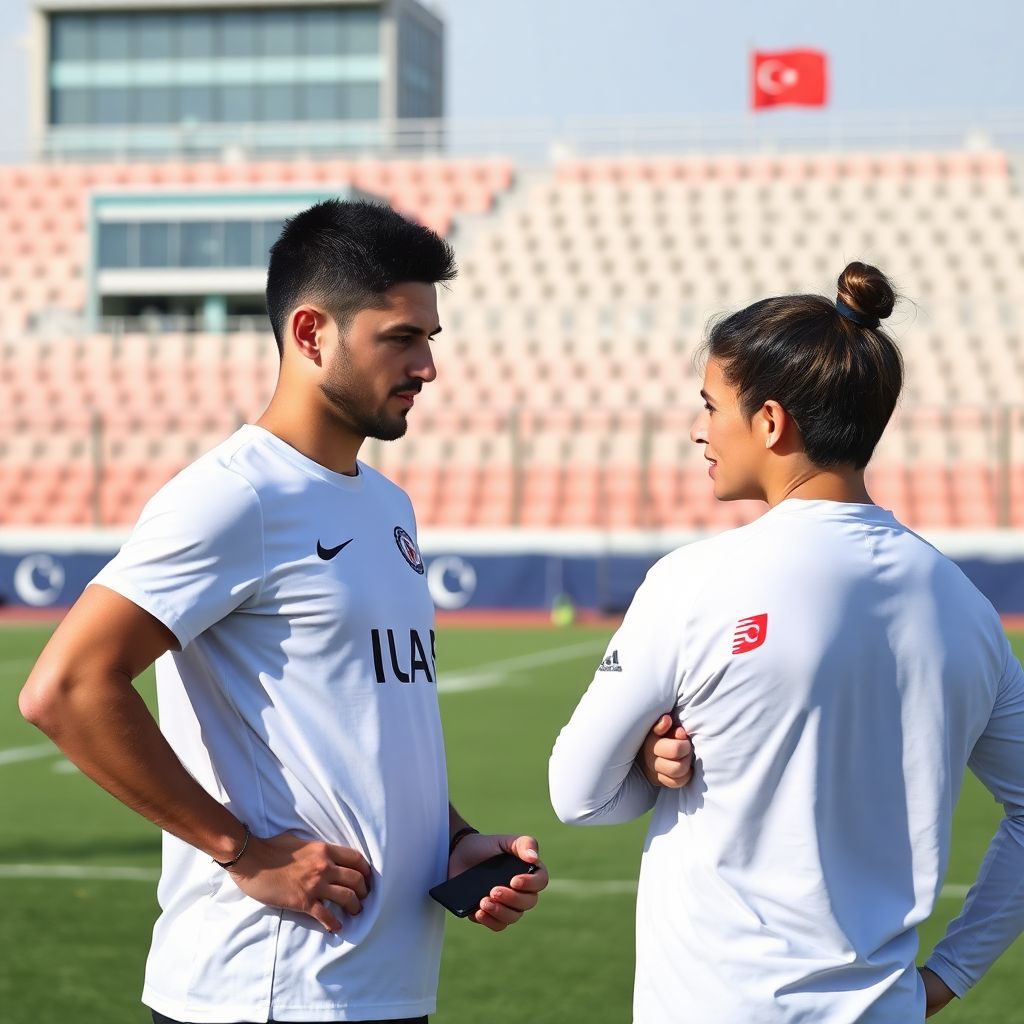
Sports science is reshaping Turkish athlete training through structured testing, individualized load management, and practical technology. By combining physiology, sports performance analysis services for athletes, and context-specific planning for Turkish leagues, coaches can reduce injury risk and steadily raise competition-level performance, even in resource-limited clubs outside major high performance training centers in Turkey.
Evidence-backed priorities for Turkish training programs
- Standardise baseline testing (aerobic, strength, speed) across all squads and repeat at least every 8-12 weeks.
- Use clear injury, wellness and workload logs to guide decisions, not only coach intuition.
- Align periodization with the Turkish competition calendar, Ramadan, travel and climate conditions.
- Adopt simple, robust monitoring tech (GPS, heart rate, RPE) before complex analytics platforms.
- Integrate nutrition, sleep and recovery education into all sports science training programs for athletes.
- Build cooperation between head coach, strength and conditioning coach Turkey staff, and medical team around shared metrics.
- Develop long‑term athlete development pathways in clubs and academies instead of chasing only short-term wins.
Integrating physiology and performance metrics into national squads
Best suited for: national and youth national teams, Super Lig and 1. Lig clubs, Olympic sports, and larger high performance training centers in Turkey that can run regular testing. Avoid over-complication in small amateur teams; there, start with 2-3 simple, repeatable tests and basic wellness tracking.
- Define clear performance KPIs per sport and position (e.g., repeated sprint ability for wingers, aerobic capacity for midfielders, jump height for blockers).
- Schedule standardized test batteries pre-season and mid-season; keep the protocol identical each time to compare data reliably.
- Use submaximal, safe tests when medical coverage is limited; prioritise health screens before maximal tests.
- Assign ownership: sports scientist designs protocols, strength and conditioning coach Turkey staff run field tests, team doctor clears athletes.
- Translate lab data into training zones (heart-rate, speed, power) and simple colour codes for coaches.
- Review test trends with staff after every window and adjust conditioning loads, recovery days and rotation policies.
- Educate athletes so they understand how VO2, lactate thresholds, or jump metrics directly affect selection and playing time.
Deploying wearables and sports tech across club and federation levels
Use technology to answer specific questions, not to collect random data. Start small, prove value, then scale from elite clubs to academies and regional centers. Many sports performance analysis services for athletes are now cloud-based and can be shared across federation structures.
- Clarify objectives: injury reduction, conditioning control, or tactical analysis; choose devices that match these goals.
- Prioritise durable GPS and heart-rate systems with reliable after-sales support in Turkey over the most advanced but fragile models.
- Standardise device assignment so each athlete wears the same unit whenever possible to reduce measurement noise.
- Set minimum monitoring metrics: total distance, high-speed running, accelerations, and session RPE for field sports.
- Train staff on safe device fitting, charging routines, and data upload immediately after sessions and matches.
- Create simple weekly reports for coaches: three key graphs and short written conclusions, no data overload.
- Integrate video tools with tracking data in high performance training centers in Turkey to review tactical and physical demands together.
Periodization and load management tailored to Turkey’s competition calendar
Preparation checklist before designing the actual periodization and load plan:
- List all competition dates, travel days, and likely play-off windows for the full season.
- Note climate challenges (summer heat, winter pitches) and religious periods affecting schedule and recovery.
- Document squad depth and rotation options by position, including youth call-up possibilities.
- Confirm medical coverage level and access to rehab staff throughout the calendar.
- Agree weekly meeting times when coaches and sports science staff will review load data together.
- Map the Turkish season and key performance peaks – Plot league, cup, European and national team fixtures on a single calendar. Mark 2-3 primary peak periods where you need maximal performance and 1-2 mini-peaks. Avoid planning heavy loading blocks directly before high-risk congested weeks.
- Build macrocycles and mesocycles around real constraints – Divide the year into preparation, in‑season, and transition, then into 3-6 week mesocycles. For each mesocycle, set clear goals, typical weekly load range, and test dates. Respect school exams and university calendars for young athletes.
- Design weekly microcycles for different match rhythms – Create templates for one-match, two-match, and tournament weeks. Define for each day: intensity focus, approximate duration, and strength session type. Include at least one low-load or recovery day, especially after long travel across Turkey.
- Monitor internal and external load consistently – Use GPS or simple distance/time tracking, plus RPE and wellness questionnaires. Review red-flag patterns such as sudden large load spikes or persistent fatigue. Adjust the next 2-3 sessions proactively rather than waiting for injuries.
- Integrate strength training safely into the calendar – Coordinate with the strength and conditioning coach Turkey team to schedule heavy lifts on lower running-load days. Reduce volume at least 48 hours before decisive matches. Maintain at least one short strength session even in busy fixture periods.
- Build flexible deload and recovery strategies – Pre-plan lighter weeks after congested periods or international breaks. Combine reduced volume with more treatment, sleep focus, and low-impact conditioning like cycling or pool sessions. Adapt quickly if multiple players show declining performance or mood.
- Review, document, and refine after each phase – After every mesocycle, summarise injuries, performance trends, and coach feedback. Capture what worked for Turkey’s competition calendar and what failed. Use this log to improve the next season’s periodization instead of starting from zero.
Nutrition protocols aligned with regional diets and athlete compliance
- Athletes can identify performance plates using Turkish foods (pilav, bulgur, bakliyat, grilled meat, seasonal vegetables) without complex calorie counting.
- Pre- and post-match meal plans are written, posted in the dressing room and used consistently across home and away venues.
- Hydration checks (urine colour, body mass change) are done on hot days common in many Turkish cities, and players know personal targets.
- Ramadan and religious fasting periods have specific, medically reviewed guidelines that protect both faith practice and health.
- Snack options offered by clubs (kitchen, bus, hotel) match the plan: nuts, yogurt, fruit, sandwiches instead of only pastries and sugary drinks.
- Weight and body-composition tracking is respectful and private, with clear performance-focused communication and no shaming.
- Supplements are minimised, quality-controlled and checked against WADA lists; whole-food strategies are always preferred first.
- Parents and school canteens of youth athletes receive basic guidelines so home and school meals support, not undermine, the program.
Injury prevention, screening and return-to-play workflows for contact sports
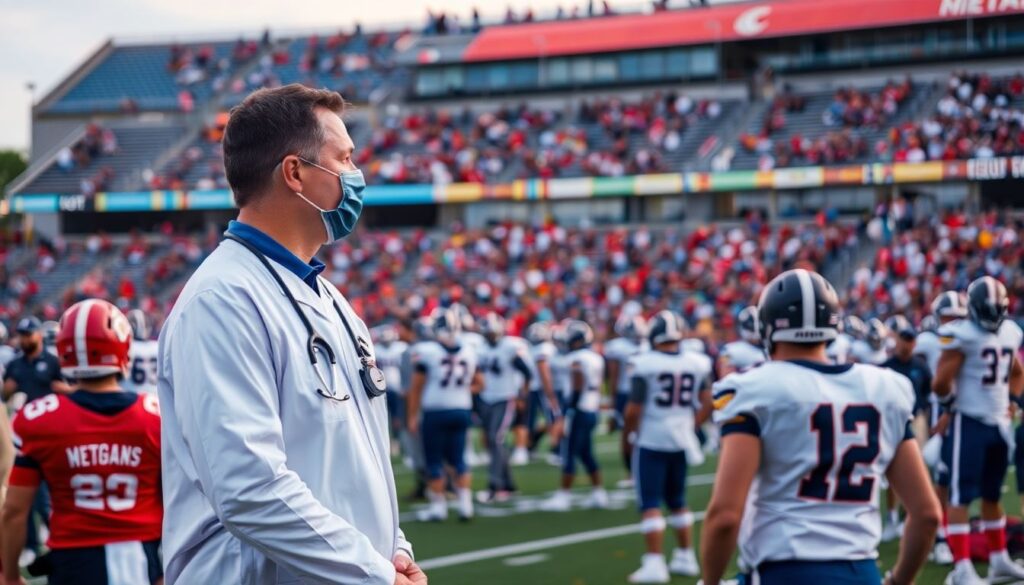
- Skipping pre-season orthopaedic and medical screening and discovering chronic issues only after heavy contact or collisions.
- Running “prevention” exercises without measuring key indicators such as hamstring strength, asymmetries, or landing mechanics.
- Allowing athletes to return to contact after pain disappears, but before strength, power and sport-specific skills are restored.
- Ignoring cumulative contact load in training; too many full-contact drills in the same week as intense matches.
- Poor communication between doctor, physio, and coaches, leading to mixed messages and athlete pressure to return early.
- Lack of clear, written return-to-play criteria that combine clinical, physical, and psychological readiness.
- Neglecting neck strength, tackle technique, and fall training in rugby, wrestling, and combat sports common in Turkey.
- Not reviewing injury data at season’s end; repeating the same risky training patterns year after year.
Data-driven talent identification and long-term athlete development
- Use regional testing camps linked to sports science degree programs in Turkey as an alternative when clubs lack in-house staff; universities can provide standardized testing and reports.
- Adopt simple field tests plus coach ratings where technology is limited, then upgrade gradually as budgets grow.
- Create federation-wide databases or basic spreadsheets instead of complex custom software when starting talent projects.
- Leverage collaborations between academies, universities, and high performance training centers in Turkey to share resources and maintain long-term athlete records.
Implementation checkpoints and common practitioner pitfalls
How can small Turkish clubs use sports science without big budgets?
Start with low-cost tools: RPE scales, simple wellness questions, and basic timing or jump tests. Partner with nearby universities offering sports science degree programs in Turkey to access equipment and expertise a few times per year.
How often should we repeat testing in a typical Turkish competition season?
A practical structure is pre-season, early in-season, mid-season, and pre-playoff testing. In very congested periods, shorten the battery and focus on key markers like speed, jump performance and simple endurance indicators.
Which staff member should lead sports science training programs for athletes?
Ideally, a qualified sports scientist or strength and conditioning coach Turkey specialist coordinates testing and monitoring. They should work closely with the head coach and medical team, translating data into clear training decisions.
What are signs that our load management plan is not working?
Red flags include rising soft-tissue injuries, persistent fatigue reports, declining match intensity, and frequent illnesses. If these appear, reduce volumes, increase recovery, and review recent spikes in training or travel load.
Do we need advanced technology for sports performance analysis services for athletes?
Technology helps, but clear questions and consistent processes matter more. Start with video, basic match statistics and simple physical tracking; add more advanced tools only when staff can reliably collect and interpret the extra data.
How can we keep athletes engaged with monitoring and testing?
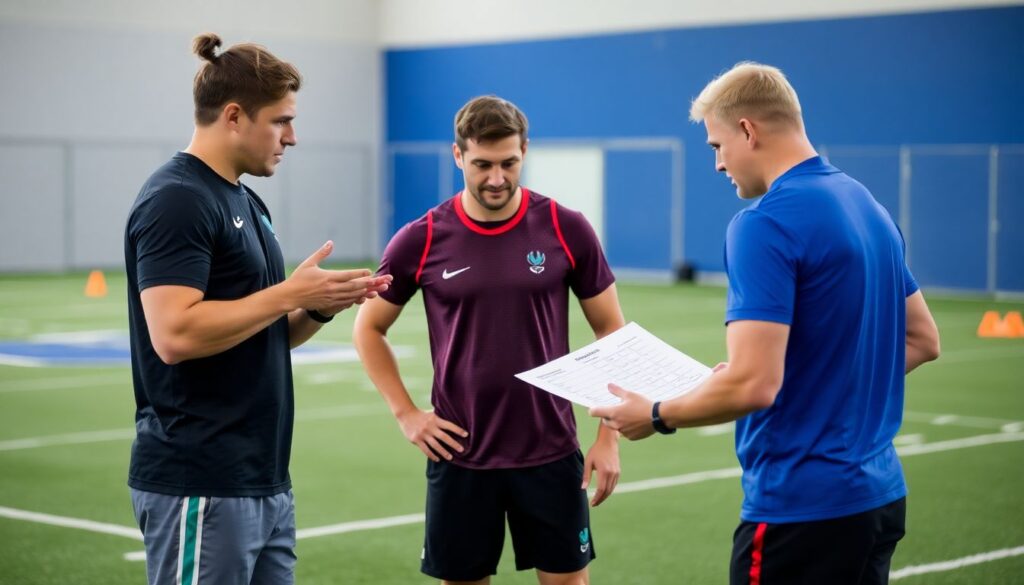
Explain how data connects to selection and career longevity, share simple feedback with each athlete, and avoid over-testing. Keep sessions efficient and integrate tests into warm-ups or training where possible.