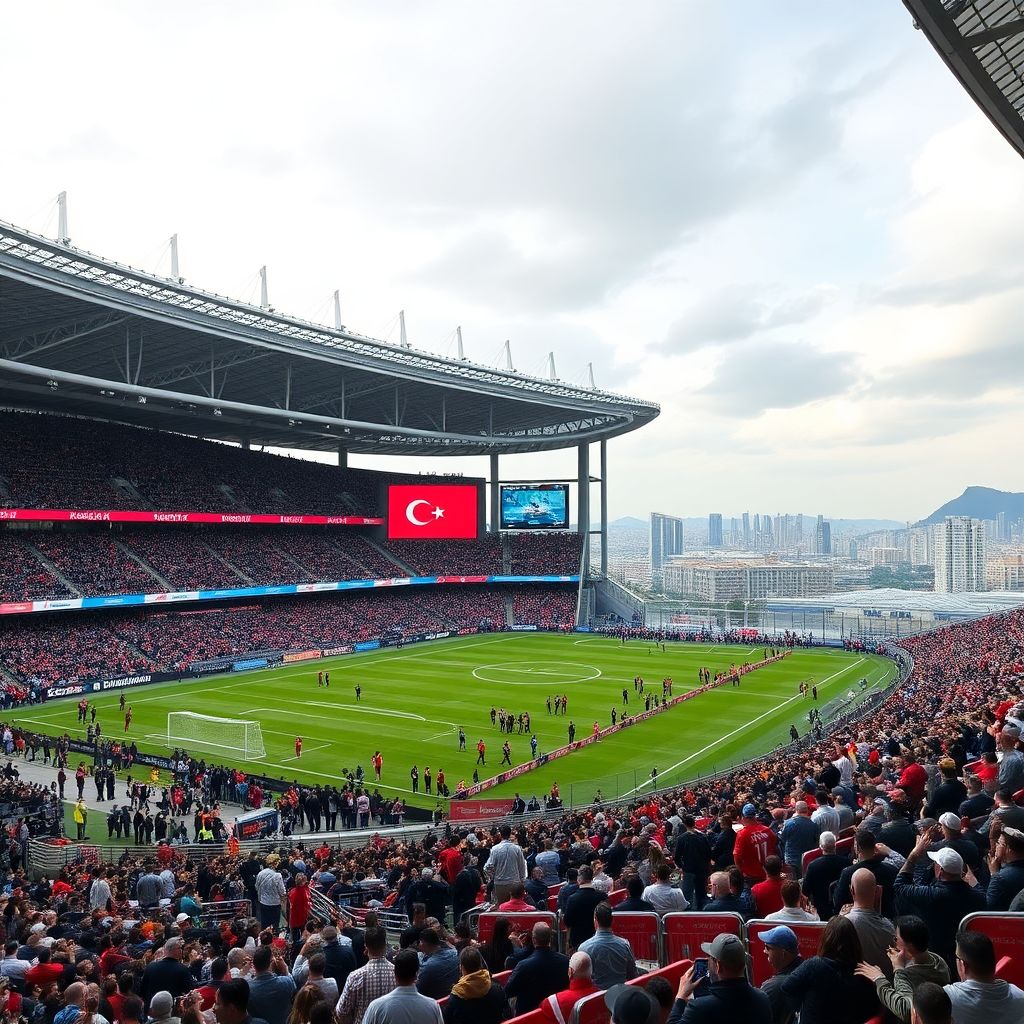
The economic impact of sports events in Turkey depends on event scale, funding model, and how infrastructure is reused. Some tournaments generate net local gains via tourism, media, and sponsorship; others mainly shift spending or leave debts. Rigorous project appraisal, realistic demand forecasts, and post-event legacy planning are essential for sustainable outcomes.
Myths vs Evidence: Rapid Economic Summary of Sports Events in Turkey
- Myth: Every mega-event delivers automatic growth. Reality: The economic impact of sports events in Turkey ranges from strongly positive to marginal, depending on planning and legacy use.
- Myth: Stadium construction is always an investment. Reality: Facilities without multi-purpose reuse often become fiscal burdens.
- Myth: Visitor spending is all new money. Reality: Part is substitution from domestic tourism and local leisure budgets.
- Myth: Only ticket sales matter. Reality: Broadcasting, sponsorship, and tourism often exceed ticket income in total contribution.
- Myth: Costs are one-off. Reality: Operation, maintenance, and security can dominate long-run budgets.
- Myth: Impacts are impossible to measure. Reality: Input-output and CGE models, plus counterfactual analysis, provide usable, if imperfect, estimates.
Scope and Scale: Major International Sports Events Hosted in Turkey
Myth: All tournaments have the same economic footprint. Evidence: Scale, duration, and international visibility make enormous differences, so a youth championship cannot be evaluated like a continental final hosted in Istanbul or a week-long event in Antalya.
In practice, when analysts discuss the economic impact of sports events in Turkey, they distinguish between three broad categories: regional events with limited TV reach, major international tournaments with continental or global broadcasting, and recurring professional circuits such as annual races or tours. Each category has different risk and return profiles.
Scope is defined by geography (single-city events like a cup final in İzmir versus multi-city tournaments), time (one day, one week, or multi-month), and capital intensity (use of existing venues versus new-build stadiums and transport links). A small, recurring event in an existing arena can have steady, low-risk benefits, while a rare mega-event may require large up-front investments.
For decision makers evaluating the financial effects of major sports events on Turkish economy outcomes, a clear classification of event type is the first step. It frames expected visitor numbers, broadcasting deals, security and logistics needs, and legacy potential, and helps separate realistic opportunities from politically attractive but risky bids.
Immediate Financial Flows: Ticketing, Sponsorship, and Public Spending
Myth: Higher attendance guarantees a profitable event. Evidence: Profitability depends on the full portfolio of revenues and costs, not just tickets sold.
- Ticketing and hospitality revenue: Ticket sales, VIP boxes, and corporate hospitality provide direct cash inflows. However, price caps, complimentary tickets, and revenue-sharing with federations reduce what stays with Turkish organizers or municipalities.
- Commercial sponsorship and media rights: For Turkey hosting international sports tournaments benefits often flow from global sponsors and broadcasting partners. Contracts define how much income local organizers actually retain versus what is allocated to international federations or rights-holders.
- Ancillary on-site spending: Food, beverages, merchandising, and parking fees add incremental revenues for venue operators and concessionaires. Profitability depends on concession contracts and whether suppliers are local or imported.
- Public safety, transport, and event services: Security, emergency services, temporary transport capacity, and city branding campaigns create immediate public expenditures. These items are often underestimated when calculating costs and revenues of hosting international sports events in Turkey.
- Short-term tax effects: VAT, income tax on temporary employment, and tourism-related taxes can partially offset public spending. Yet, without careful economic analysis of mega sporting events in Turkey, these tax inflows are frequently overstated compared with realistic taxable bases.
- Cash-flow timing and guarantees: Up-front guarantees to federations, delayed sponsor payments, and currency volatility mean that even events with positive total revenues may face liquidity stress if financial planning is weak.
Tourism, Supply Chains and Multiplier Effects on Local Economies
Myth: Every foreign fan counts as a pure net export. Evidence: The true boost depends on length of stay, spending patterns, and displacement of other visitors.
Scenario 1 – City-break fans in Istanbul: Short-stay visitors for a weekend final may fill hotels at premium prices. This raises room revenue and restaurant turnover but might crowd out regular city-break tourists. For planners, the key is whether total annual visitor-nights increase, not only the event-week peak.
Scenario 2 – Resort-based events in Antalya: Tournaments scheduled in shoulder seasons can stabilize employment and hotel occupancy. Here, turkey hosting international sports tournaments benefits beach and resort economies if the event shifts international travel to off-peak months instead of simply reallocating existing summer demand.
Scenario 3 – Regional championships in İzmir: Medium-size events attract teams, officials, and accompanying visitors, supporting local transport, catering, and small suppliers. The multiplier effect is stronger when procurement prioritizes local goods and services, keeping a larger share of spending within the provincial economy.
Scenario 4 – Domestic supply chains and professional services: Marketing agencies, IT providers, construction firms, and event-management companies gain contracts. If these firms are Turkish-owned and employ local staff, second-round spending circulates within Turkey instead of leaking abroad through imported services or equipment.
Scenario 5 – Media visibility and future tourism: Televised coverage supports city branding, potentially influencing later travel choices. However, attributing future arrivals directly to a single competition is difficult; robust economic analysis of mega sporting events in Turkey uses cautious assumptions about long-term tourism gains.
Infrastructure, Urban Regeneration and Long-term Asset Utilization
Myth: Any new stadium or arena is automatically a legacy asset. Evidence: Without credible post-event demand, facilities can become underused liabilities.
- Potential advantages
- Targeted upgrades to airports, metro lines, and roads that also serve daily commuters after the event.
- Modern multi-use arenas in Istanbul, Antalya, or İzmir that host concerts, conventions, and domestic leagues, not just a single mega-event.
- Urban regeneration of derelict areas, integrating sports venues with housing, retail, and public spaces to support year-round activity.
- Improved digital and broadcast infrastructure that supports Turkey's wider media and technology sectors.
- Main constraints and risks
- Overbuilding capacity relative to realistic attendance, especially in smaller cities with limited professional sport demand.
- High operating and maintenance costs that exceed local budgets once international spotlight fades.
- Zoning and land-use decisions driven by event deadlines rather than long-term urban plans.
- Opportunity cost of diverting funds from schools, hospitals, and everyday mobility projects into highly visible but low-usage venues.
| City | Typical Event Profile | Likely Short-term Gains | Legacy Utilization Pattern |
|---|---|---|---|
| Istanbul | High-visibility finals, multi-sport tournaments, recurring international fixtures | Spikes in tourism, hospitality revenue, media exposure, and premium ticket sales | High reuse of venues and transport links for domestic leagues and cultural events |
| Antalya | Resort-based tournaments, training camps, seasonal competitions | Extended tourist season, stabilized hotel occupancy, increased local services demand | Good reuse when facilities support tourism and community sport; risk of off-season underutilization |
| İzmir | Medium-scale international events, regional championships | Incremental visitor spending, local supplier contracts, city branding within specific sports | Moderate reuse tied to regional teams and community programs; careful cost control essential |
Costs, Opportunity Costs and Fiscal Risk Management

Myth: If headline revenues exceed construction budgets, the event is a success. Evidence: Hidden costs, financing terms, and alternative uses of public funds must be considered.
- Ignoring full lifecycle costs: Focusing only on build costs and event-time operations, while neglecting decades of maintenance and refurbishment, underestimates the true costs and revenues of hosting international sports events in Turkey.
- Overlooking opportunity costs: Capital locked into specialized venues cannot be spent on other priorities. Even if an event is popular, it may not be the best available use of public money in a given region.
- Underestimating security and contingency spending: Safety, crowd control, and emergency planning in large Turkish cities can add substantial unplanned expenses, particularly if international requirements tighten close to the event.
- Assuming debt is harmless: Borrowing in foreign currency or on variable rates exposes organizers and municipalities to exchange-rate and interest-rate risks that can erode any projected surplus.
- Relying on optimistic forecasts: Consultant studies may use high scenarios for attendance and visitor spending. Conservative sensitivity analysis is vital for credible financial effects of major sports events on Turkish economy assessments.
- Weak risk-sharing design: Poorly structured public-private partnerships can leave the public sector bearing downside risk while private partners retain most upside, undermining long-term fiscal sustainability.
Evaluating Impacts: Methodologies, Data Limitations and Typical Findings
Myth: Impact studies are either propaganda or worthless. Evidence: While imperfect, structured evaluation methods help distinguish robust net benefits from overstated claims.
Analysts typically combine three elements: descriptive statistics on attendance, spending, and investment; modelling tools (input-output tables or computable general equilibrium models); and counterfactual analysis that asks what would likely have happened in the absence of the event. Each technique has strengths and biases that must be disclosed transparently.
Mini-scenario – Comparing three bids: Suppose policymakers compare an Istanbul final, an Antalya resort tournament, and an İzmir regional event. A disciplined economic impact of sports events in Turkey assessment would: (1) map direct spending streams for each option; (2) estimate leakages through imports; (3) model substitution of local leisure spending; (4) incorporate infrastructure legacy and maintenance costs; and (5) run downside scenarios with lower attendance and weaker exchange rates. The result is a realistic ranking of options rather than a single headline number.
Common Misconceptions and Practitioner Questions on Economic Outcomes
Do mega-events always bring net economic gains to Turkish host cities?
No. Some events generate clear net benefits, especially when using existing infrastructure and strong tourism demand. Others produce short-lived booms but long-term fiscal burdens. Each proposal requires case-specific evaluation instead of relying on generic promises.
How important are foreign visitors compared with domestic fans in impact estimates?
Foreign visitors matter more for net new income because their spending is an export. However, large domestic audiences still contribute through ticketing and services. The key issue is whether spending is truly additional or simply displaced from other Turkish regions or leisure activities.
Can smaller Turkish cities justify building new stadiums for international tournaments?
Only if there is credible long-term demand from local clubs, community sport, and non-sport events. Without such demand, new stadiums in smaller cities risk low utilization and heavy maintenance costs that exceed any short-term tournament benefits.
Are private partnerships a guarantee against public financial loss?

No. Public-private partnerships can help share risks, but contract design is crucial. If minimum revenue guarantees or bailout expectations exist, the public sector may still bear much of the downside while private partners capture most of the upside.
How should Turkey evaluate bids for future mega sporting events?
Use standardized cost-benefit analysis with conservative assumptions, explicit opportunity costs, and independent review. Compare proposed events to alternative investments in tourism, transport, and community sport to see where each lira creates the greatest long-term value.
Is media exposure alone a sufficient reason to host a major event?

Media exposure is valuable but hard to monetize directly. It should be treated as one benefit among many in a wider appraisal, not as a standalone justification for expensive infrastructure or high public guarantees.
What data do practitioners most often lack when assessing impacts?
Reliable visitor surveys, detailed local business revenue data, and transparent breakdowns of public spending are typically missing. Improving these datasets significantly raises the quality and credibility of economic evaluations.